

State geographic naming board begins process of renaming Mount Evans
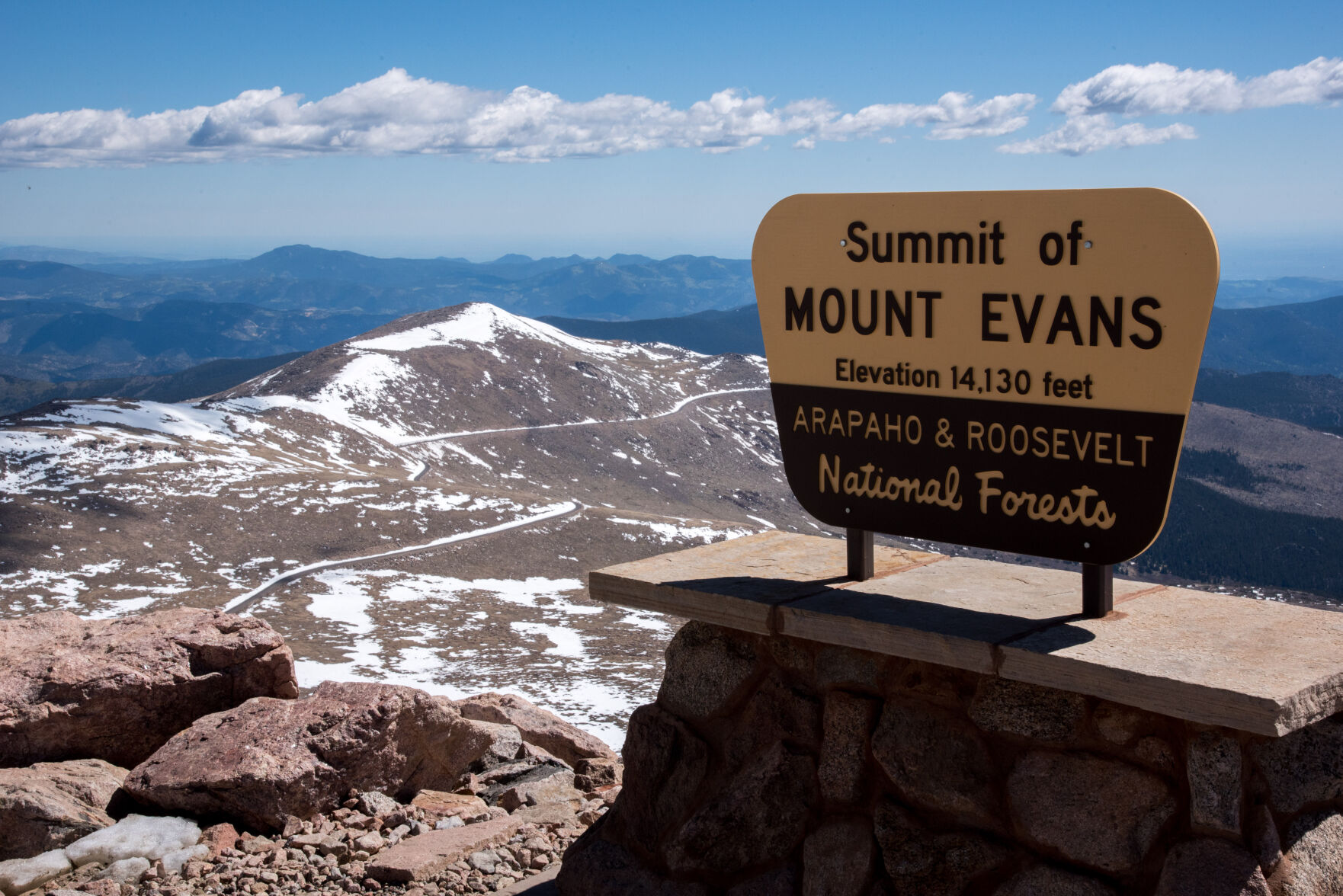
A panel tasked with finding replacement names for geographic landmarks with names considered offensive began its process for reviewing suggested names for renaming Mount Evans.
The move to find a new title for the Clear Creek County mountain named for Colorado Territorial Gov. John Evans comes two years after Colorado’s Geographic Naming Advisory Board board was reconvened by Gov. Jared Polis. The board was allowed to lapse by his predecessor in 2016.
The board was slated to begin discussions on Mt. Evans in September, but put it off a month to allow for more time for board outreach to tribal representatives asking for them to present at the October meeting, according to Department of Natural Resources spokesman Chris Arend.
Tuesday night’s meeting showed there is still a difference of opinion between the Cheyenne and Northern Arapaho, with some some advocating for the name Blue Sky, others for Cheyenne-Arapaho. Clear Creek County commissioners signed off on Mount Blue Sky last March.
The mountain, according to the federal Board of Geographic Names announcement in April, 2019, was originally known as Mount Rosa or alternately, Mount Rosalie. The peak was formally renamed after Evans by an act of the General Assembly in 1895, two years before Evans’ death, although local maps called it Evans Peak as early as 1870, the federal board wrote.
The first name on the federal list, dating to 2019, is a recommendation for Mount Soule, to honor one of two men in the Colorado cavalry who refused to participate in the massacre and who later wrote to Washington, D.C. to blow the whistle on the cavalry’s actions. Silas Soule testified against Chivington in the federal investigation.
Five other names have been suggested since then, and while federal renaming rules appear to give a preference to whomever first suggests a new name, Mount Blue Sky appears to be the leading contender.
Other recommended names include Mount Evans, in honor of Evans’ daughter; Mount Rosalie, its original name; Mount Cheyenne-Arapaho and Mount Sisty.
Once the Colorado board decides on a name, the next step is to forward that recommendation to Polis. If he approves it, the name would then go to the federal board for their review and possible final approval.
The board also received presentations from representatives of the Northern Cheyenne and Arapaho tribes on the role that Evans played in the 1864 Sand Creek Massacre.
Evans was Colorado’s second territorial governor from 1862 to 1865. He charged Colorado troops, led by Col. John Chivington, with eliminating all Native American activity in eastern Colorado. Chivington and his troops slaughtered 230 peaceful Cheyenne and Arapaho women, children and elder braves out of the 750 who were at the encampment that day.
The site in Kiowa County is now the Sand Creek Massacre National Historic Site. Last week, Secretary of the Interior Deb Haaland announced it would be expanded by 3,500 acres.
Otto Braided Hair, a member of the Northern Cheyenne, is a descendant of Sand Creek survivors. During the massacre, which historical accounts said lasted for eight hours, his great-grandfather threw a lariat into a herd of horses, getting himself and his wife away from the slaughter. His great-grandmother, who was pregnant at the time with Otto’s grandfather, was frozen to the horse hours later, Braided Hair said. The Sand Creek tribes were within the boundaries of a protected treaty area, he explained, but those negotiations ended with the massacre.
Andy Masich, president and CEO of the Pittsburgh-based Senator John Heinz History Center, a Smithsonian affiliate, has been working with the Northern Cheyenne and Arapaho for three decades. The massacre was the most horrific crime perpetrated against Native people, Masich told the board. The village was there at the behest of the military, Masich said. The tribes had sought a place where they would be safe. The chief, Black Kettle, had a U.S. flag and a white flag of peace flying over his lodge. Soldiers destroyed everything.
“This all began at Sand Creek, because Evans chose not to do his duty. He was complicit in the massacre,” he said.
Ryan Ortiz, representing the Arapaho, outlined Evans’ role and failures, citing a 2014 University of Denver report. Evans “agitated” the secretary of war for “authorization to raise the federal one hundred-day unit, with the stated purpose of making war on Native peoples. Without the 3rd Regiment, John Chivington could not have attacked the Cheyenne and Arapaho camped at Sand Creek,” the report said.
Evans had all the tools necessary to treat the Cheyenne and Arapaho tribes with dignity; instead, he let the path to Sand Creek happen, said Fred Mosqueda of the Arapaho tribe. When you look west of Denver, you see the mountain, Mosqueda told the board. Renaming the mountain won’t heal the hurt, he added, but it will ease it.

Parole, appeals deadlines and restitution: Colorado justices accept cases
Michael Karlik
michael.karlik@coloradopolitics.com
Updated 47 minutes ago
The Colorado Supreme Court announced on Monday that it will determine how a defendant’s parole-eligibility date should be calculated in instances where a new trial results in a sentence being imposed retroactively to the date of the original, since-overturned sentence....
Federal judge rejects DOJ bid to force Colorado to hand over voter information
Marissa Ventrelli
marissa.ventrelli@coloradopolitics.com
Updated 5 hours ago
A U.S. district court judge has dismissed a lawsuit filed by the U.S. Department of Justice against Colorado Secretary of State Jena Griswold for refusing to provide the agency with personal voter information. Last December, the DOJ’s Civil Rights Division asked...
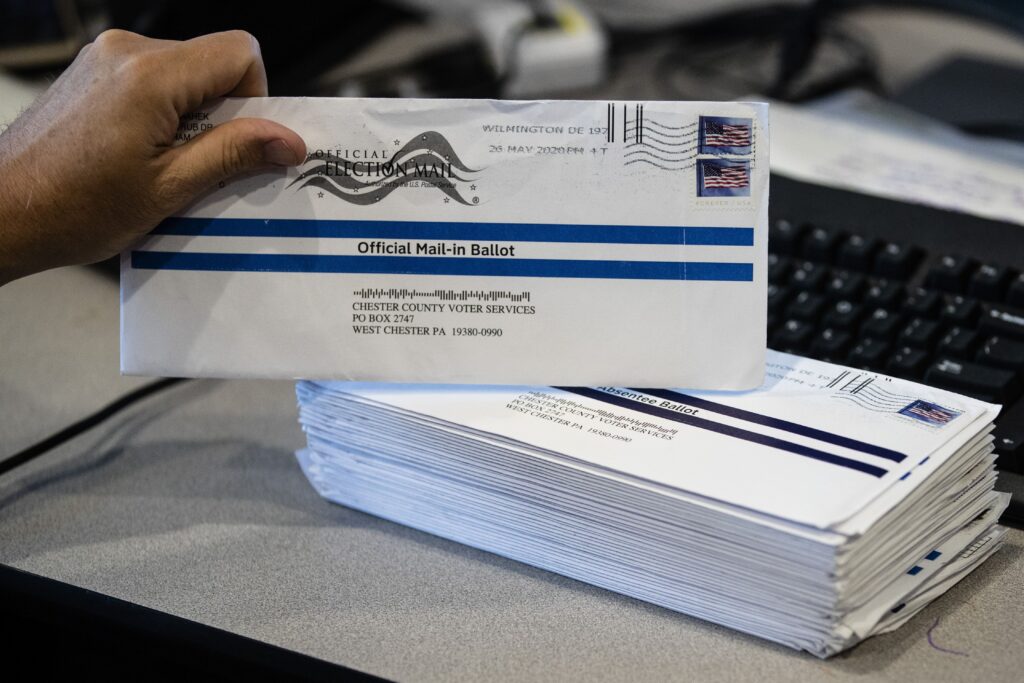
Democratic states warn Supreme Court that Trump mail ballot order would cause chaos ahead of midterm elections
Jack Birle
jack-birle@coloradopolitics.com
Updated 8 hours ago
A coalition of Democrat-led states warned the Supreme Court this week that lifting a block on President Donald Trump’s mail-voting executive order would cause “extreme” changes as states prepare to send out ballots for the midterm elections. The group of...
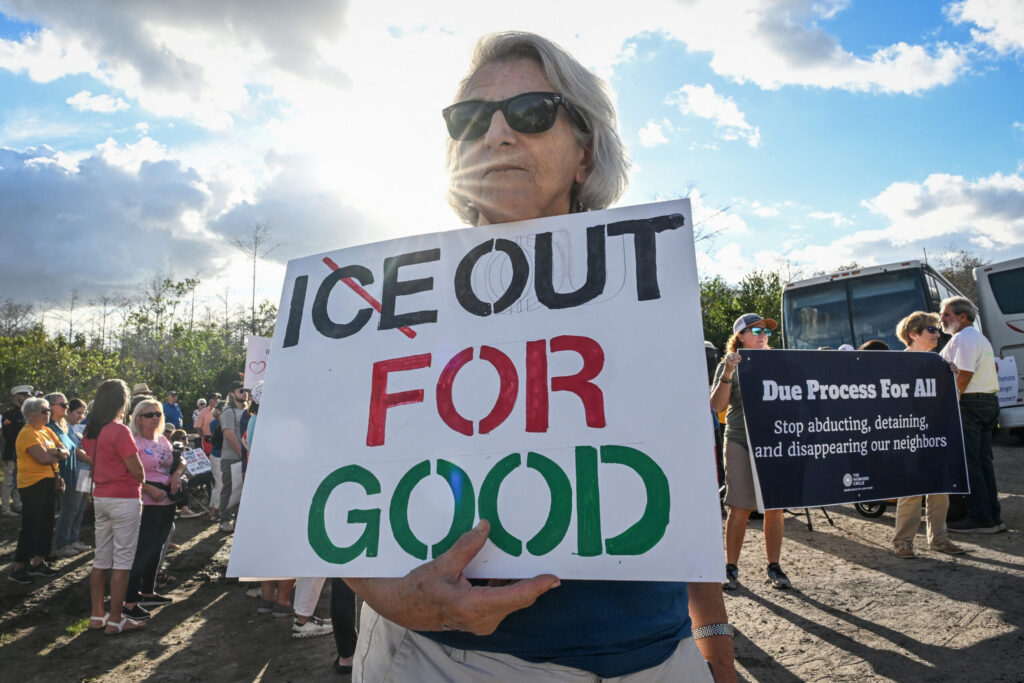
Trump’s lopsided losing record on ICE mandatory detention masks a closer legal fight
Kaelan Deese
kaelan-deese@coloradopolitics.com
Updated 8 hours ago
The Trump administration’s 6-2 losing record in appeals courts over its mandatory immigration detention policy looks like an overwhelming streak of losses. However, a closer examination of the judges behind those decisions suggests the policy may be less legally doomed...
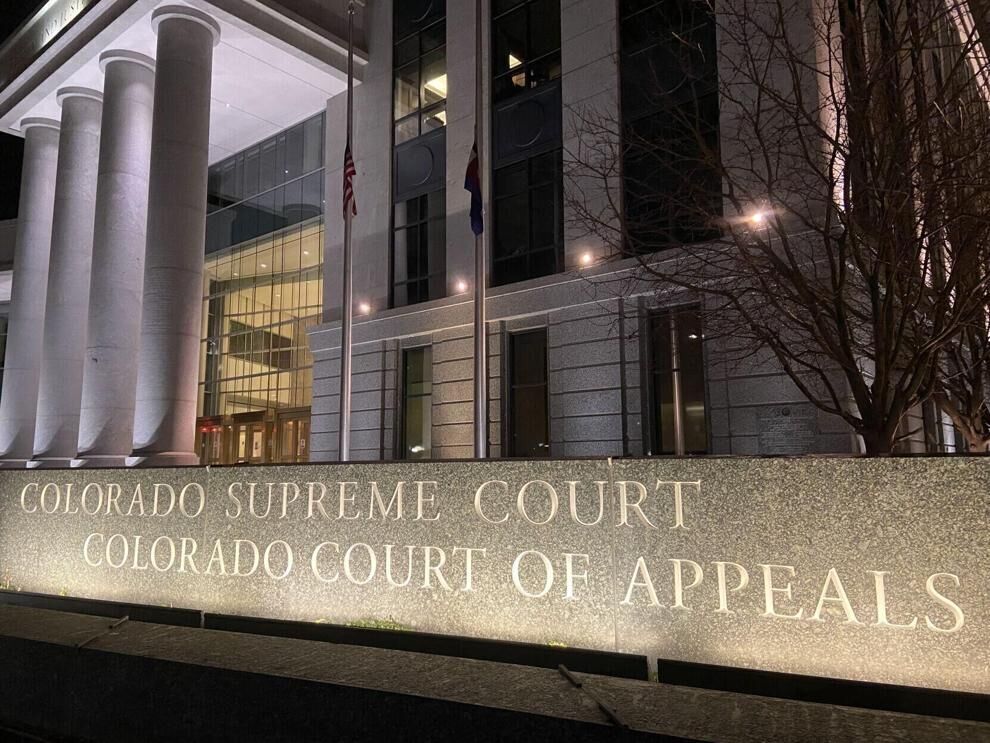
3 Colorado judges receive unfavorable retention recommendation as one performance commission violates rules
Michael Karlik
michael.karlik@coloradopolitics.com
Updated 9 hours ago
Of the 123 Colorado judges standing for retention on the November ballot, citizen-led performance commissions found that three did not meet the required performance standards. However, in an unprecedented move, the commission charged with evaluating Supreme Court and Court of...

Former Parker police sergeant pleads guilty to unlawful sexual conduct, misconduct charge
Nicholas Fogleman
nicholas.fogleman@denvergazette.com
Updated 9 hours ago
Former Parker Police Department Sgt. Troy Brienzo pleaded guilty Monday to a felony charge of unlawful sexual conduct by a police officer and first-degree official misconduct in Douglas County District Court. Brienzo entered the guilty pleas before Judge Ryan Stuart,...

U.S. News names Saint Joseph best hospital in Colorado, ending University of Colorado Hospital’s 13-year streak
Nico Brambila
nico.brambila@denvergazette.com
Updated 10 hours ago
University of Colorado Hospital is no longer Colorado’s top-ranked hospital for the first time in more than a decade, with Intermountain Health Saint Joseph Hospital taking the No. 1 spot in U.S. News & World Report’s latest rankings. Located on...

Appeals filed to send Project Taurus decision to the Colorado Springs City Council
Brennen Kauffman
brennen-kauffman@coloradopolitics.com
Updated 9 hours ago
At least one appeal has been filed over the proposed large-scale data center in Colorado Springs, sending the final decision to the Colorado Springs City Council. The filing seeks to overturn the Planning Commission’s decision on July 23 to deny...
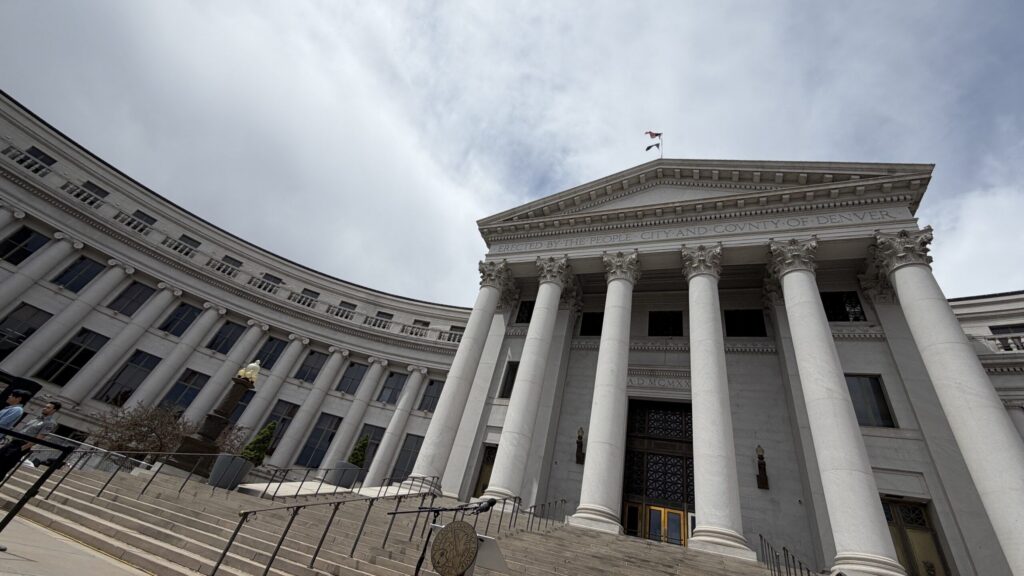
Denver City Council keeps 2 a.m. nightlife cutoff, approves $18 million for George Floyd protest claims
Deborah Grigsby
deborah.smith@denvergazette.com
Updated 10 hours ago
Nightlife establishments will not get a two-hour operating extension after the Denver City Council passed an amended version of a bill that keeps the current 2 a.m. closing time. As originally proposed, venues would have been able to keep music,...

Group submits signatures for proposed Colorado graduated income tax
Marianne Goodland
marianne.goodland@coloradopolitics.com
Updated 8 hours ago
The measure, which eliminates Colorado’s flat tax, is expected to raise $2 billion in new revenue The proposal to amend the Colorado constitution to change the state’s flat rate into a graduated income tax came in under the wire Monday,...
PREV
PREVIOUS

Lawsuit by Trump ally on trial in New York is tossed in Colorado
Days into the ongoing criminal trial of Thomas J. Barrack, Jr., a prominent backer of former President Donald Trump, a federal judge in Colorado dismissed a lawsuit Barrack brought against the U.S. government seeking access to documents. Barack is currently standing trial in the Eastern District of New York for allegedly failing to register as […]

Colorado Springs legislative candidates talk crime, affordability at community forum
Less than one month before the election, candidates for Colorado’s Senate District 11 and House District 17 made their case to constituents during a legislative forum Tuesday night. Hosted by Pikes Peak United Way, state Senate candidates Tony Exum, Dennis Hisey and Daryl Kuiper and state House candidates Rachel Stovall and Regina English answered community […]