

Ranked choice voting floated as option to increase turnout in Colorado Springs races
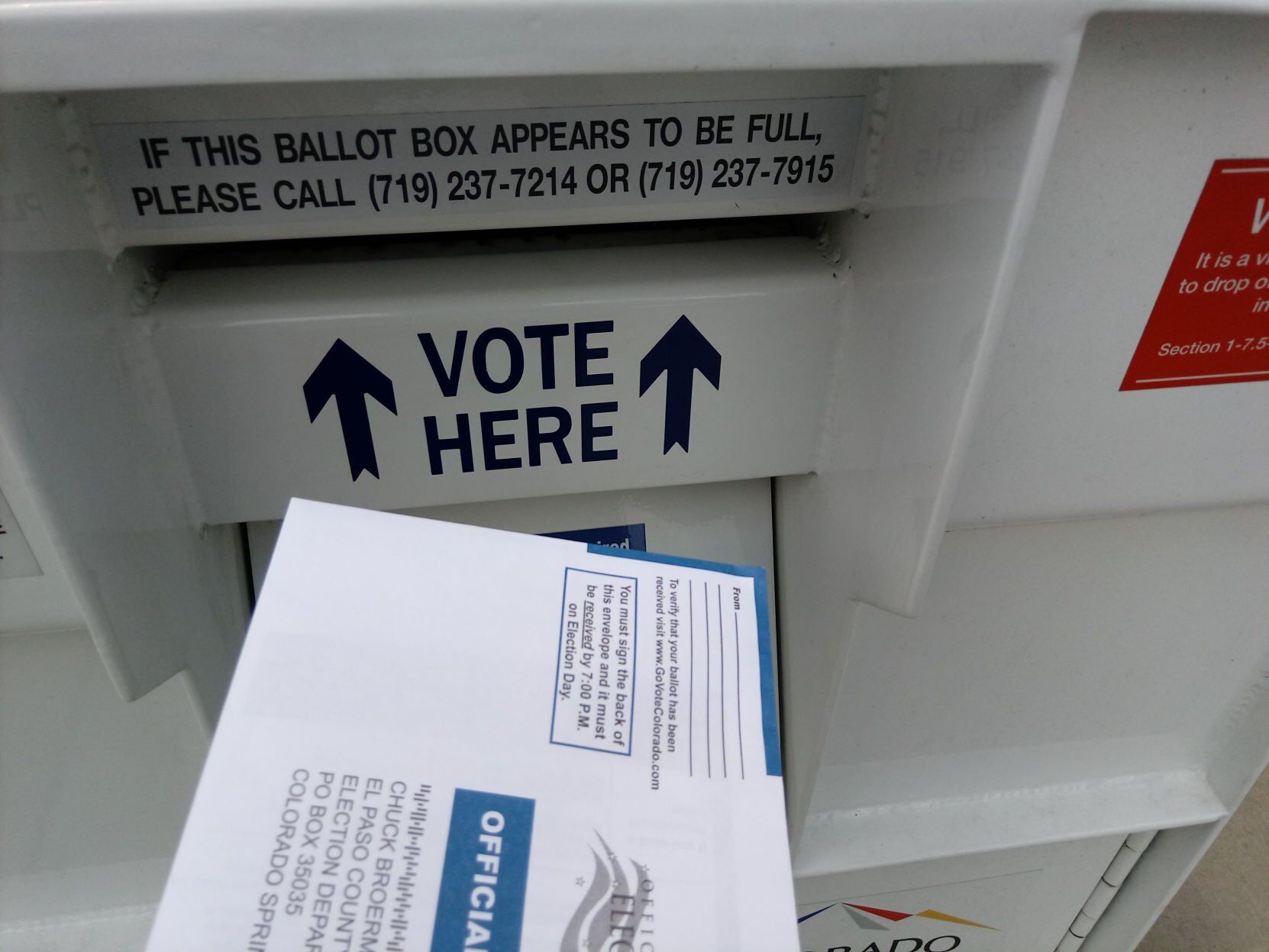
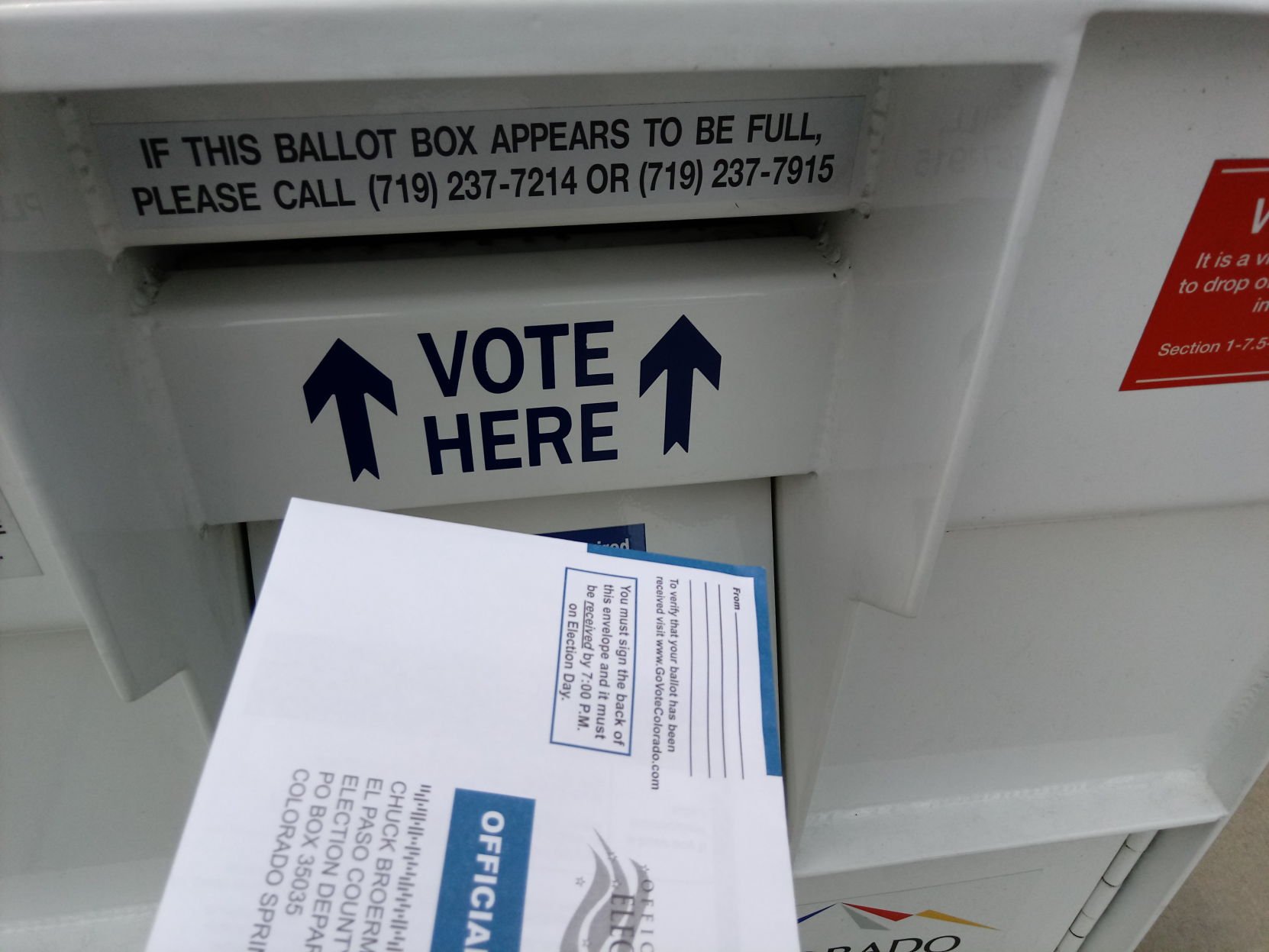
Could rank choice voting increase dismal voter turnout numbers in Colorado Springs?
During the last Colorado Springs City Council election in April 2021, about 27% of active registered voters participated, a drop from about 32% turnout in 2017, a comparable non-mayoral race.
“Our people are not voting,” Councilman Bill Murray said Monday, during an informal presentation on changing the election system. He urged the board to consider ranked choice voting as an option that could help fight general apathy.
Colorado GOP primary results pave way for more competitive November elections
Rather than picking just one person in a council or mayoral race, a ranked ballot would allow voters to pick their top choices. If a candidate does not garner more than 50% of the vote from the first-choice votes, officials can count the second-choice votes, and so on.
“You rank who you love, who you like and who you can live with,” said Linda Templin, executive director of Ranked Choice Voting for Colorado.
Communities such as Boulder and Broomfield will use ranked choice voting next year, she said. Fort Collins will ask voters to move to ranked-choice voting in November.
The voting method that’s been used for decades can save money by eliminating the need for runoff elections, Templin said. The city holds runoff elections in the mayor’s race if the most popular candidate does not achieve more than 50% of the vote. Ranked choice voting could help eliminate the need for that second election.
Templin pitched the council on the ranked choice voting system, while El Paso County Clerk and Recorder Chuck Broerman explained some of its pitfalls, including changing the election system while it has come under intense scrutiny following the 2020 election.
The council has no immediate plans to pursue ranked choice voting, but board members are interested in better ways to engage the public.
“We need to get more people involved,” Council President Tom Strand said.
Ranked choice voting can increase options for voters and help make the choices less binary, Templin said.
“It is very engaging for the voters and really gets them to talk about the issues that are important to them,” she said.
Broerman said ranked choice ballots can have problems, particularly when voters pick two people as their first choice.
He noted several communities have abandoned ranked choice voting, including Aspen. In that case, Templin said, the software used to tally votes was not certified and that caused problems.
Suspicion and unsupported conspiracy theories have surrounded election results for two years and Broerman cautioned the board against making changes.
“I think going this route will create more confusion,” he said.
At the same time, the city is under fire for low voter turnout.
A lawsuit filed in June claims the timing of the April elections suppresses turnout, particularly among people of color. The lawsuit argues if the city held its elections in November it would increase voter participation overall and save the city time and money.


Democrats Michael Bennet, Phil Weiser and their backers bank $9 million for Colorado gubernatorial race
Ernest Luning
ernest.luning@coloradopolitics.com
Updated 2 days ago
Democratic gubernatorial candidates U.S. Sen. Michael Bennet and Attorney General Phil Weiser, and the campaign committees that support them, entered the election year with almost $9 million on hand, as the race to succeed term-limited Colorado Gov. Jared Polis heats...

Longtime Denver resident Dick Young, a retired rear admiral and pioneering civic advocate, dies at 94
Ernest Luning
ernest.luning@coloradopolitics.com
Updated 6 days ago
Richard Edward Young, a retired rear admiral, attorney and towering figure in Colorado’s civic landscape for more than six decades, died Jan. 7. He was 94. A lifelong advocate for civil rights, fair housing, veterans and his neighborhood, Young was...
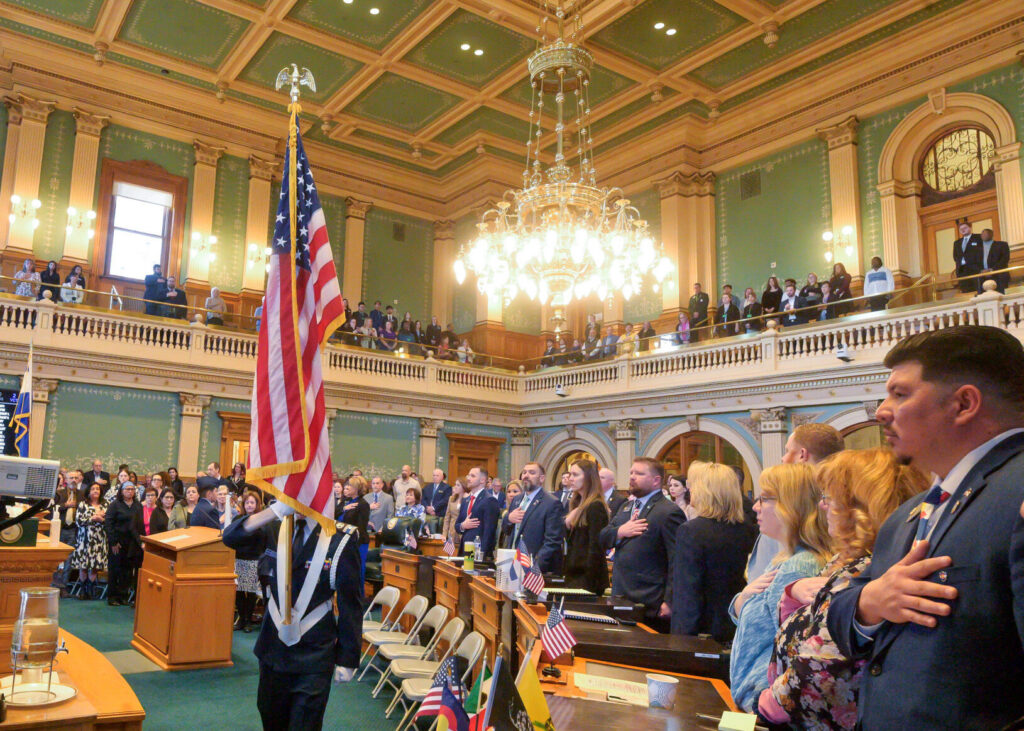
Opening Day: Colorado lawmakers return to state Capitol for 2026 session
Marianne Goodland
marianne.goodland@coloradopolitics.com
Updated 1 week ago
Underneath the pomp and circumstance of this morning’s opening ceremonies, the 100 lawmakers who took their seats at the state Capitol face a daunting task — how to keep the state’s economy moving forward in the midst of a challenging...

Kenny Nguyen selected to represent Colorado House District 33
Marianne Goodland
marianne.goodland@coloradopolitics.com
Updated 1 week ago
Kenny Nguyen, a member of the Broomfield City Council, was chosen by a 36-member Democratic vacancy committee on Monday to represent House District 33. Nguyen will replace Sen. William Lindstedt, who was appointed by Gov. Jared Polis last week to...
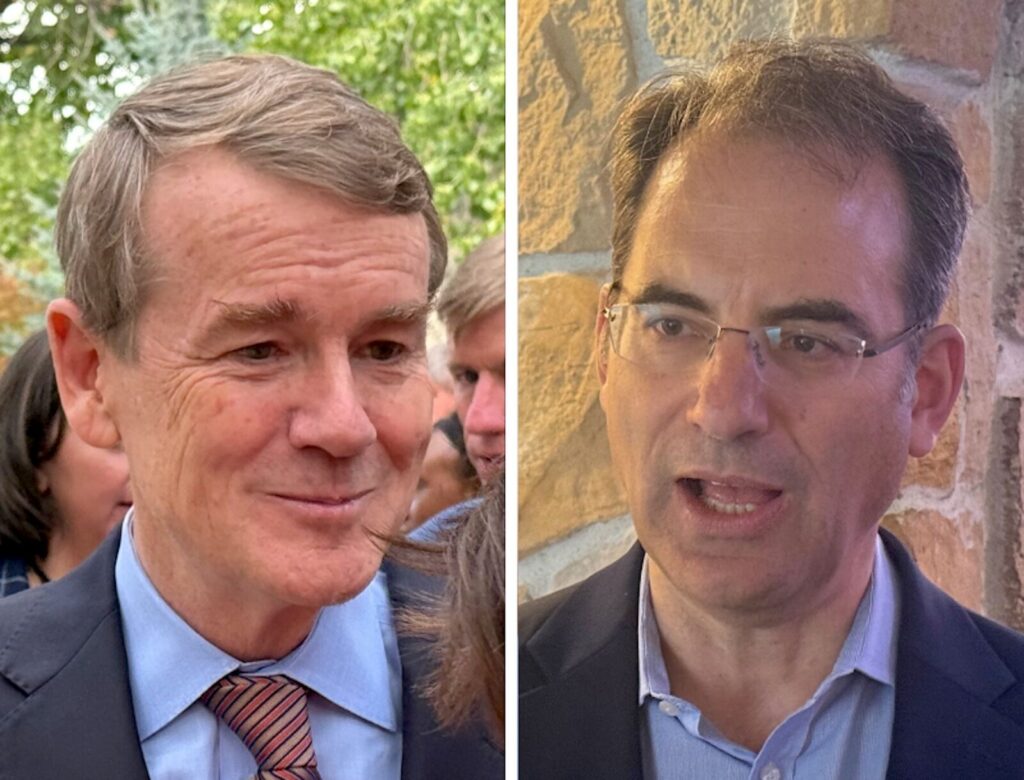
U.S. Sen. Michael Bennet, Colorado Attorney General Phil Weiser clash at Democratic gubernatorial forum
Ernest Luning
ernest.luning@coloradopolitics.com
Updated 1 week ago
Things got a little chippy Saturday at a union hall north of Denver, as Democratic gubernatorial candidates U.S. Sen. Michael Bennet and Colorado Attorney General Phil Weiser sparred over the effectiveness of their respective responses to President Donald Trump’s second...
Colorado Democratic vacancy committee selects Lori Goldstein for HD 29
Marianne Goodland
marianne.goodland@coloradopolitics.com
Updated 1 week ago
A Democratic vacancy committee on Sunday chose Lori Goldstein, president of the Adams 12 Board of Education, to serve the final year of Rep. Shannon Bird’s term. Bird, a Democrat who would have been term-limited this year, resigned her seat...

Colorado candidates switch parties, races as midterm election year looms | TRAIL MIX
Ernest Luning
ernest.luning@coloradopolitics.com
Updated 1 week ago
The final days of 2025 saw an unusually high number of Colorado candidates switch parties and races, reshaping at least a few primaries ahead of this year’s midterm elections. The state has seen its share of switchers over the years,...
Former Rep. Rose Pugliese vies for Mesa County Treasurer
Marianne Goodland
marianne.goodland@coloradopolitics.com
Updated 2 weeks ago
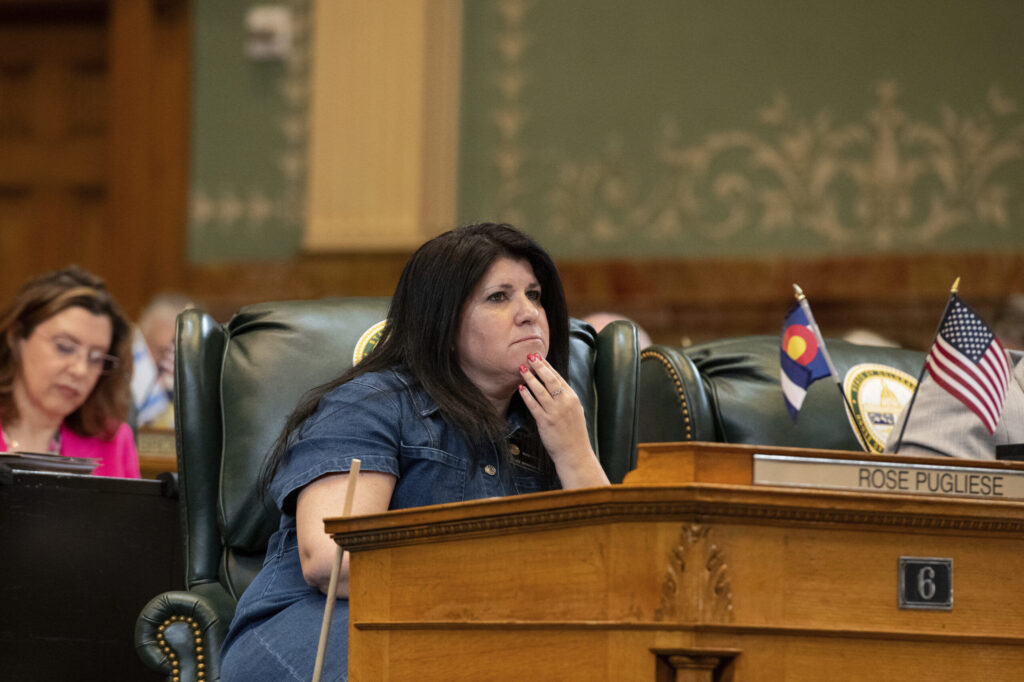
Former Republican Leader Rose Pugliese has jumped into the 2026 primary for Mesa County Treasurer. Pugliese moved to Grand Junction after resigning from the Colorado House in September, citing a “collapse of integrity” within the Colorado House. She previously served...
Former U.S. Rep. Greg Lopez leaves GOP, will run for governor in Colorado as an independent
Ernest Luning
ernest.luning@coloradopolitics.com
Updated 2 weeks ago
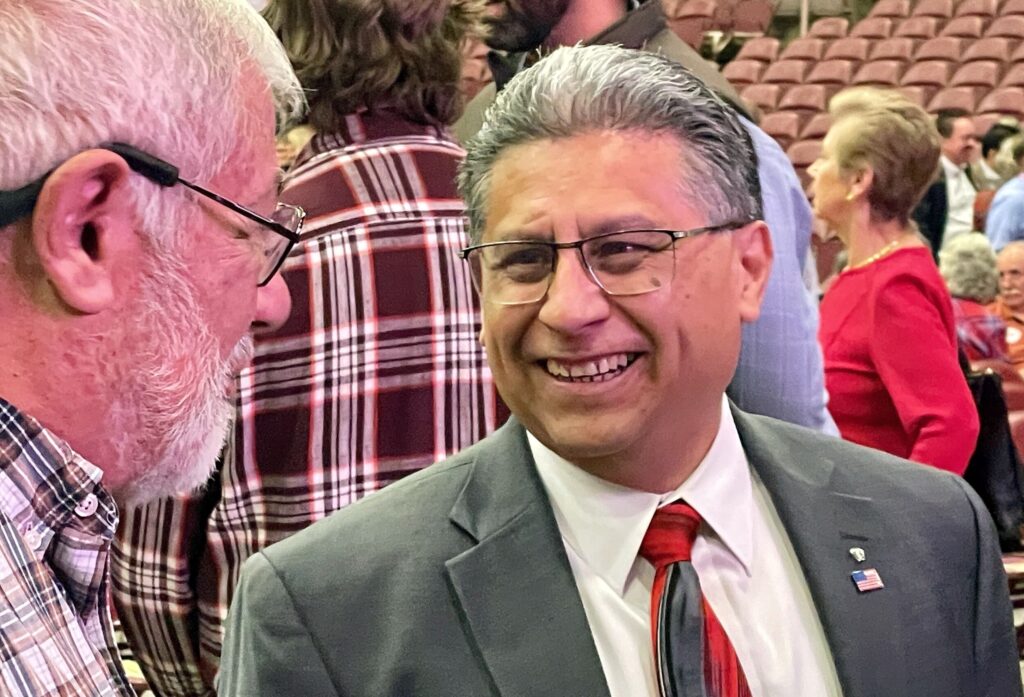
Former U.S. Rep. Greg Lopez, a candidate for governor of Colorado, has left the Republican Party and plans to run as an unaffiliated candidate for the office held by term-limited Democratic Gov. Jared Polis. Lopez, who served six months in...
Colorado Republican Mark Baisley exits gubernatorial race, launches U.S. Senate campaign
Ernest Luning
ernest.luning@coloradopolitics.com
Updated 2 weeks ago
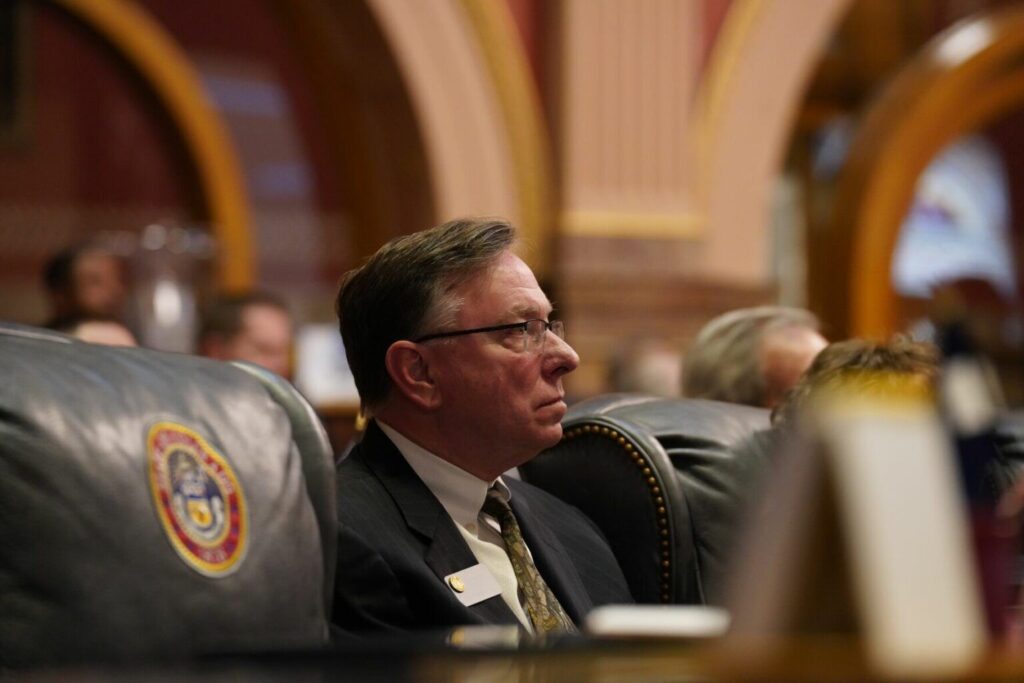
Republican state Sen. Mark Baisley on Monday withdrew from the Colorado gubernatorial race and announced his candidacy for the U.S. Senate seat held by Democrat John Hickenlooper. His departure leaves 20 Republicans running for the office held by term-limited Democratic...
PREV
PREVIOUS
Aurora City Council OKs mandatory minimum car theft penalties
Aurora has approved what may be the strictest penalties in the state for car theft. The new, stiffer penalties were approved by a 7-4 vote on Monday night after a tense debate. Introduced by At-Large Councilmember Dustin Zvonek amid concern over rising auto thefts and criticism by some policymakers and law enforcement leaders that state […]

Independent monitor to oversee San Luis Valley District Attorney's compliance with Victim Rights Act
San Luis Valley District Attorney Alonzo Payne is in the eye of a storm, a controversy that has been building in his 12th Judicial District since he took office a year and a half ago. Colorado Attorney General Phil Weiser, who on Tuesday announced that his seven month investigation into nine complaints from crime victims […]