

Denver committee moves affordable housing proposal to full council

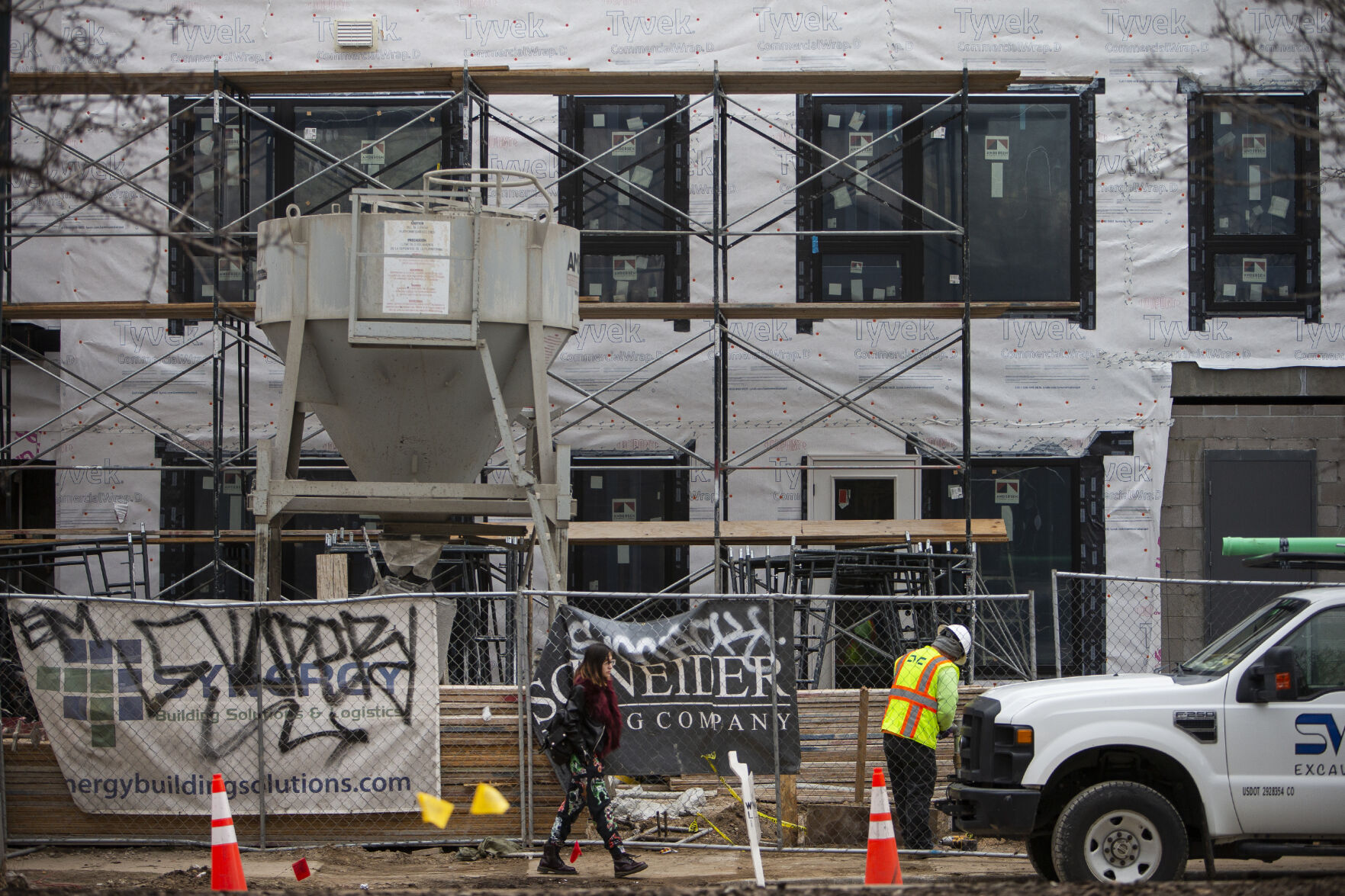
Denver City Council’s Land Use, Transportation and Infrastructure Committee on Tuesday passed bills intended to expand housing affordability in the city.
The bills now head to the full council for consideration. Should the Expanding Housing Affordability guidelines – which include proposed amendments to city code and legislative mapping – pass the full council, the program would ensure that developers create affordable units along with market rate condos and apartments.
The proposed guidelines would allow builders to either build more affordably priced units as part of any construction or to pay a fee to offset construction of affordable units elsewhere. Builders in higher priced markets such as downtown and Cherry Creek would be required to build more affordably priced units, or pay higher fees, than builders in lower priced areas.
To comply, new units would need to be priced to fit the budget of a tenant or buyer below the area’s median income. The guidelines would require that 8% of a project’s units be priced at 60% of AMI for apartments and 80% of AMI for ownership units. Builders can price units closer to market price in exchange for building 12% of their units as affordable.
In higher priced areas, the city would require developers to build 10% of their units as affordable, or 15% for units priced closer to the market rate. Builders of smaller scale projects, nine units or fewer, would pay a “linkage fee” to support the city’s affordable housing fund in lieu of adding units to the project.
The proposed plan would allow some wiggle room for special arrangements that would align with the city’s goals as alternatives to full compliance, such as offering parking exemptions for projects that exceed the requirements. Project concept plans filed before June 30 could avoid the proposed requirements if they receive final site development approval from the city before September 2023.
Developers have expressed concern over whether the program will achieve its goals or further exacerbate the affordable housing problem. They also fear a rush to get developments approved before this deadline will become a problem due to limited city staff to process requests.
The committee’s voting members adopted two amendments to the project: One removing a requirement for parking if a new affordable housing project is within a quarter mile of a high-capacity or medium-capacity transit corridor, and the other making a technical fix around grandfathering.
Council member Candi CdeBaca proposed other amendments, all of which were voted down by the rest of the committee. She was the only committee member who voted against advancing the proposal to council, but nonvoting council members of the committee had concerns, which could mean additional discussion and debate when the proposal comes before the full council.
Mark Samuelson contributed to this report.

DOJ publishes more Epstein documents mentioning Trump after initial omission
Rena Rowe, Washington Examiner
rena.rowe.washington.examiner@gazetteedit.wpenginepowered.com
Updated 3 hours ago
The Justice Department released additional Epstein files on Thursday, including uncorroborated accusations from a woman claiming she was sexually assaulted by President Donald Trump. Last week, Rep. Robert Garcia (D-CA), the top Democrat on the House Oversight and Government Reform...
Federal judge dismisses developer’s challenge to Denver affordable housing ordinances
Michael Karlik
michael.karlik@coloradopolitics.com
Updated 4 hours ago
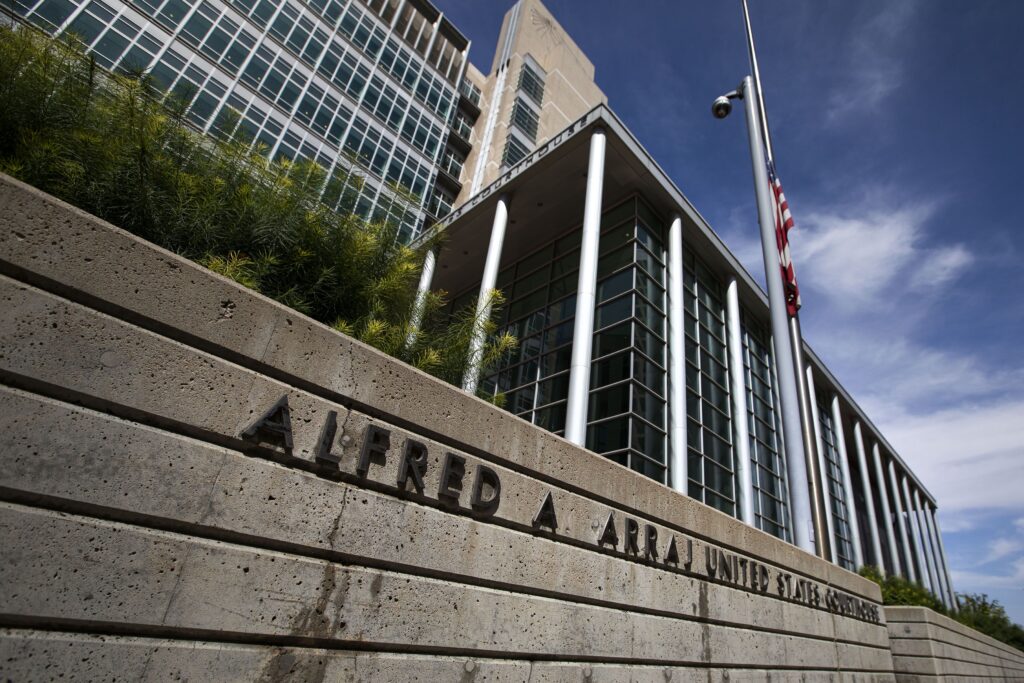
A federal judge dismissed a homebuilder’s constitutional challenge on Tuesday to a pair of Denver ordinances that impose obligations on developers related to the affordable housing demands created by new construction. Two related companies, redT Homes and redT Capital Partners,...

Another TABOR fight: Democrats plan to redirect refunds to Colorado residents
Marianne Goodland
marianne.goodland@coloradopolitics.com
Updated 21 minutes ago
Colorado voters could decide this fall whether billions of dollars that would otherwise be returned as refunds under the Taxpayer’s Bill of Rights should instead go to public schools under a ballot measure unveiled Thursday by Democrats. Supporters say the...

Analysis: Colorado legislators introduce 18 energy bills amid debate over emissions goals
Scott Weiser
scott.weiser@gazette.com
Updated 3 hours ago
Colorado legislators have introduced 18 energy-related bills so far in the 2026 session, with Democrats sponsoring 14 and Republicans four, highlighting the sharp partisan split over how aggressively the state should pursue its greenhouse gas reduction goals while protecting affordability...

Colorado House committee advances bills regulating AI in therapy, insurance decisions
Marissa Ventrelli
marissa.ventrelli@coloradopolitics.com
Updated 4 hours ago
Colorado lawmakers are moving to place guardrails on the growing use of artificial intelligence in mental health care and insurance decisions. The House Health and Human Services Committee on Thursday approved two bills that would limit how therapists and insurers...

Colorado Democrats, Republicans fight over ballot fiscal information
Marissa Ventrelli
marissa.ventrelli@coloradopolitics.com
Updated 58 minutes ago
Republicans and Democrats clashed anew over legislation that would require identifying which programs would see a funding reduction if a ballot measure passed, with the former saying it’s yet another way for the government to control the campaign narrative and...
10th Circuit distances itself from prior decision making it easier to toss prisoner lawsuits
Michael Karlik
michael.karlik@coloradopolitics.com
Updated 7 hours ago
The Denver-based federal appeals court distanced itself on Wednesday from its own recent decision that made it easier for prison officials to end civil lawsuits by transferring incarcerated plaintiffs between facilities. A three-judge panel of the U.S. Court of Appeals...

Legal war over Trump tariffs still raging despite Supreme Court ruling
Jack Birle, Washington Examiner
jack.birle.washington.examiner@gazetteedit.wpenginepowered.com
Updated 7 hours ago
The war in the courts over tariff refunds took a key step forward this week as President Donald Trump’s newly implemented tariffs are facing a new legal challenge, less than a month after the Supreme Court struck down Trump’s sweeping...

Democrat Dwayne Romero jumps in primary to challenge Republican Jeff Hurd in Colorado’s 3rd CD
Ernest Luning
ernest.luning@coloradopolitics.com
Updated 9 hours ago
The Democrat who has been running for nearly a year to unseat Republican U.S. Rep. Jeff Hurd in Colorado’s 3rd Congressional District got some company in the primary this week. Dwayne Romero, a Snowmass Village business owner and decorated Army...

Proposed changes to wildfire code would add protections to eastern edge of Colorado Springs
Brennen Kauffman
brennen-kauffman@coloradopolitics.com
Updated 10 hours ago
New construction rules may be coming to the higher-risk wildfire areas around Colorado Springs, including the grassland on the city’s eastern side. Colorado Springs Fire Marshal Kris Cooper presented an early draft of the proposed changes to the city’s wildfire...
PREV
PREVIOUS

Panel unanimously advances bill to invest $100 million in Colorado’s child care industry
A state Senate panel unanimously advanced legislation to invest around $100 million into the child care industry as Colorado struggles through an unprecedented child care shortage. If enacted, Senate Bill 213 would use $50 million of economic recovery and relief money and another possible $50 million in federal funds to pay for staffing, training and […]

Judge agrees security guards could block woman from entering courthouse for failing to answer question
Security guards acted within their authority by requiring a woman to disclose which courtroom she was going to as a condition of entering the federal courthouse in Denver, a judge has ruled. Tiffany Grays missed a court hearing in her civil case last fall because two court security officers, identified as CSOs Lee and Garcia, […]