

GABEL | Ag officials face-up to state’s protein producers
Last year, in response to Gov. Jared Polis’s signing of the “MeatOut” Day Proclamation – a generic proclamation circulated by an anti-agriculture group – ag producers around the state hosted the first “Meat In” Day.
This year the day coincided with National Agriculture Week, so ag producers and groups were able to host a number of alternative events over more days. Meat In events around the state raised more than $300,000 for local charities, organizations and food pantries. The leaders of the major cattle-industry stakeholder groups, such as the Colorado Cattlemen’s Association – an organization that predates the state – the Colorado Livestock Association, and the Colorado Beef Council teamed up to provide a week’s worth of beef sticks for kids who are experiencing food insecurity through the Beefsticks for Backpacks program.
Cattlewomen’s groups set up on main streets to pass out beef recipes and nutritional information. Crowley County cattle producers posted metal signs around their county, welcoming people on their behalf.
When all was said and done in Ordway, candidates for office and outstanding young people were recognized, as was the most senior attendee who – at 87 years old – drove herself 45 miles, down dirt roads, to attend.
At the end of the day, I’m told there was enough barbecue remaining for a single sandwich.
In Sterling, the Santomaso family of Sterling Livestock Commission raised about $150,000 for a local small-business owner who needed a hand up. People donated items for auctions, manned grills and donated meals. They demonstrated to anyone watching that the day is about celebrating protein producers and the role they play in their communities – and as part of the bigger picture, which is to continue generating food, feed, fiber, fuel and tax revenue.
On Tuesday, about 65 Yuma County producers sat on hard bleachers in Eckley to hear from the state’s Commissioner of Agriculture, Kate Greenberg, and new Bureau of Animal Protection head, Rebecca Niemiec.
The photo posted by the Colorado Department of Agriculture shows the crowd on the bleachers facing a table with Greenberg, Niemiec and the County Commissioners, who organized the event. If you zoom in, you can see the worry on peoples’ faces – and you can see one rancher watching, holding his head in his hands. He does so in the same way he might if he were awaiting the other shoe to drop.
Greenberg, who spoke about the history of the BAP program, said the CDA oversees the program by order of statute. She further pointed out that, in the past 10 years, 94% of BAP cases were pet animals and non-livestock horses. She said the program is not about regulating the agriculture industry, but is about enforcing the statutes as they relate to animal abuse and neglect.
It’s notable that, previously, the BAP head has reported to the State Veterinarian within the CDA. That’s not the case for Niemiec, who will report to the Deputy Commissioner of Operations.
Questions were posed to the pair about how they intend to rebuild trust with ag producers. They were asked about Niemiec’s ties to anti-agriculture groups. And, to boot, they were asked why agriculture producers continue to be listed “on the menu,” rather than allowed a “seat at the table,” per se, when decisions are made. The two heard passionate comments about wolves and the state’s flimsy ballot-initiative process.
Greenberg pledged to keep showing up. And Niemiec said she’s no longer working with anti-ag groups. She acknowledged that people are wary of her.
When the hour was up, people commended the two for showing up and facing them. And I give them credit for that, too.
“Uncomfortable,” probably doesn’t begin to describe that experience. That said, Greenberg is the first ag commissioner who has visited rural counties to repeatedly defend an administration’s poor decisions. It ought not be so. No matter the state, an ag commissioner ought to field his or her strongest defense where legislation is penned, not where the consequences of those decisions – intentional or otherwise – become reality.
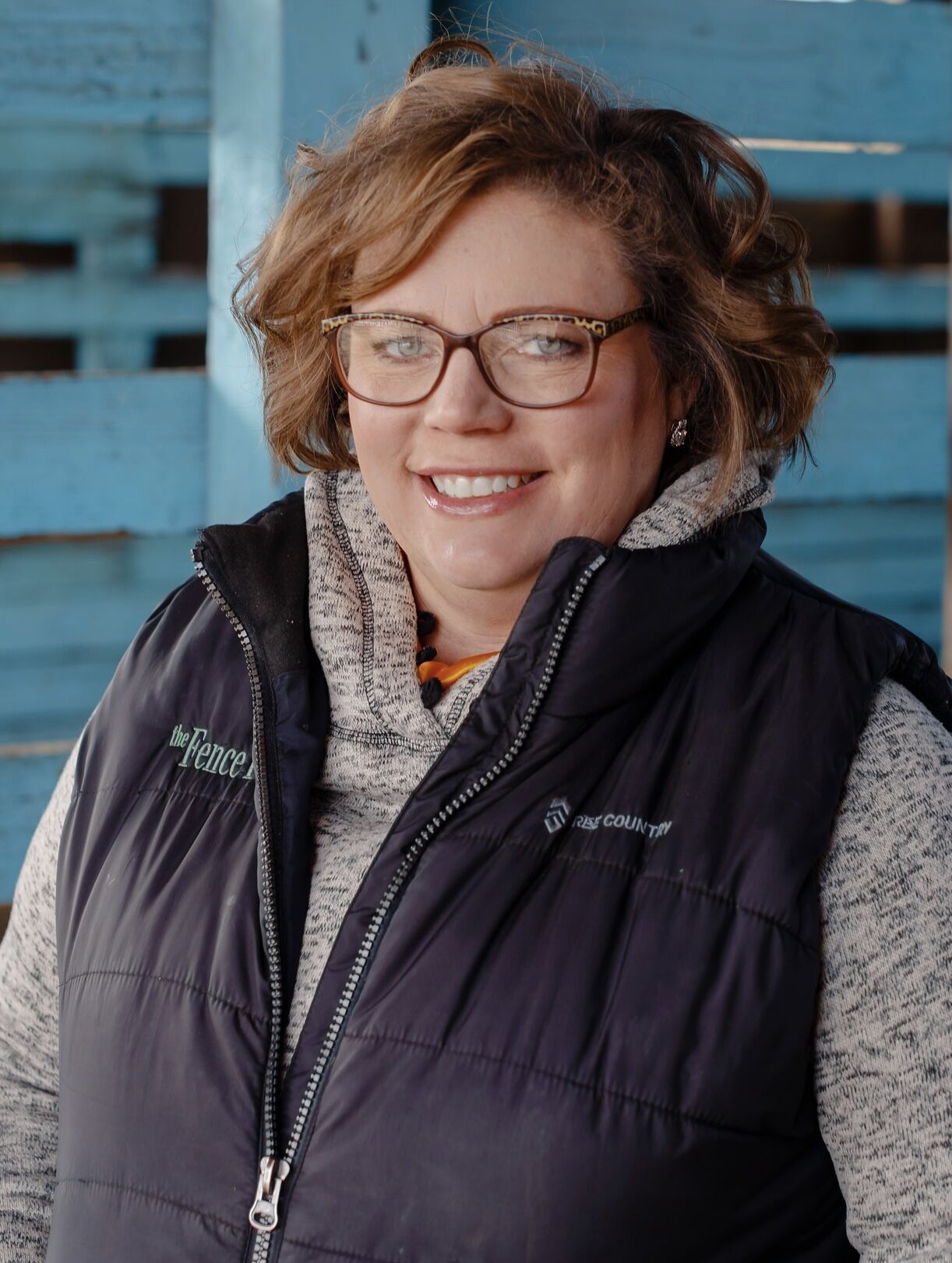
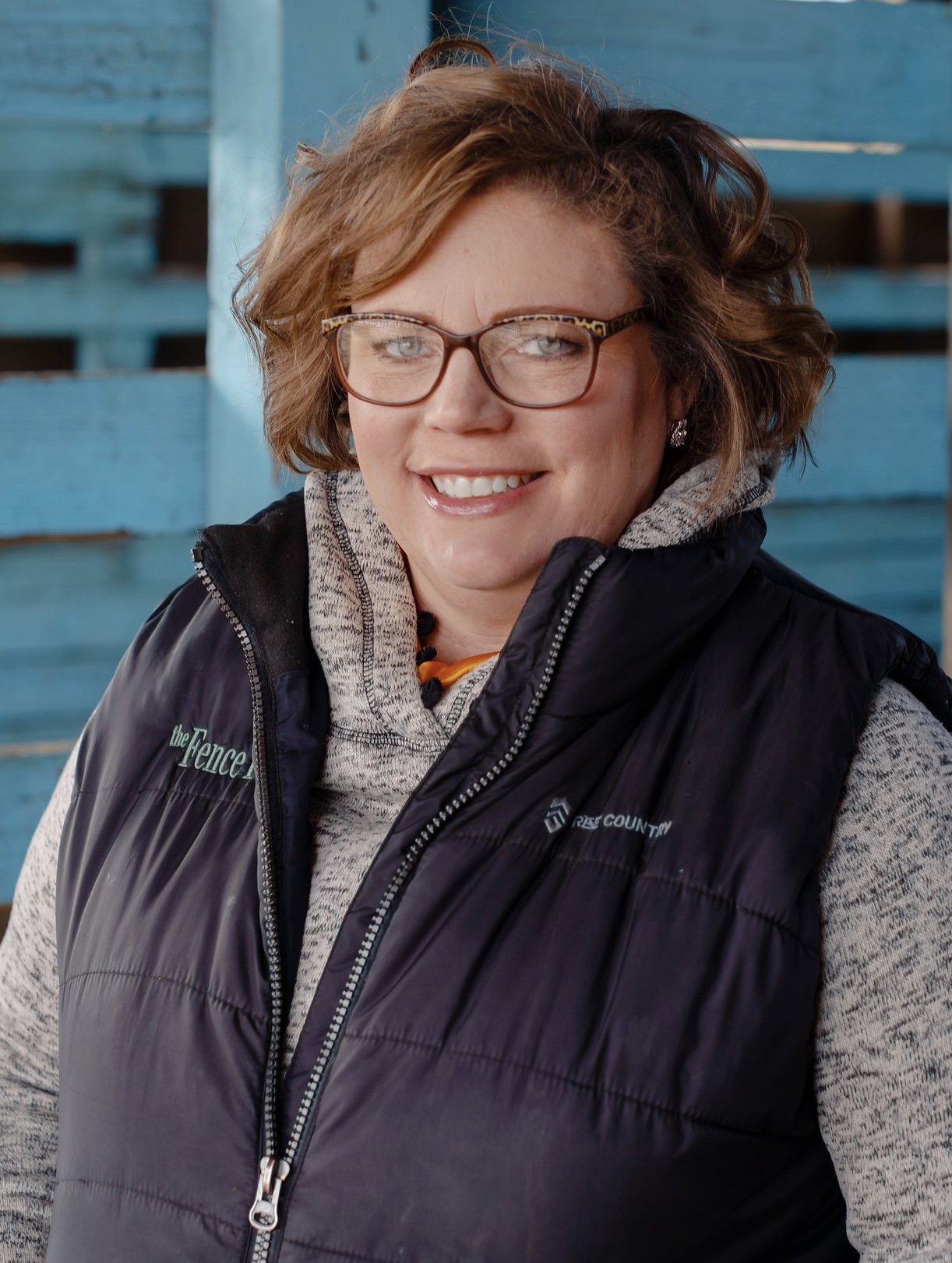
Rachel Gabel writes about agriculture and rural issues. She is assistant editor of The Fence Post Magazine, the region’s preeminent agriculture publication. Gabel is a daughter of the state’s oil and gas industry and a member of one of the state’s 12,000 cattle-raising families, and she has authored children’s books used in hundreds of classrooms to teach students about agriculture.

Yet again, when rights are in conflict | Hal Bidlack
Hal Bidlack
hal-bidlack@coloradopolitics.com
Updated 2 hours ago
I admit, it is going to take quite a bit of self-control to not have this entire column end up being yet another screed about a certain president who continues to shock the world in his race to the bottom...

Turn blueprint into action with the Outdoors Opportunities Act | OPINION
Kent Thiry
kent-thiry@gazette.com
Updated 2 hours ago
Nearly a year has passed since Gov. Jared Polis, Colorado Parks and Wildlife, the Colorado Department of Natural Resources, Colorado’s Outdoor Recreation Industry Office and other key partners finalized the visionary Colorado Outdoor Strategy, establishing the framework to ensure Colorado’s...
Let Colorado’s communities govern their own neighborhoods | OPINION
Colorado Politics
colorado-politics@coloradopolitics.com
Updated 2 hours ago
By Jeff Bailey and Cindy Bailey Coloradans have always done things their own way. From how we manage our land to how we build our economies, the instinct to govern locally — to trust mayors, councils and commissioners over distant...

Threats inside and out loom for Colorado’s Republicans | Dick Wadhams
Dick Wadhams
dick-wadhams@coloradopolitics.com
Updated 2 days ago
Colorado Republicans made strides in 2024 despite an insidious state chairman who tried to defeat successful Republican candidates. Newly elected U.S. Reps. Gabe Evans, Jeff Hurd and Jeff Crank fought off unethical opposition from their own state party chairman, making...

Is it time for both parties to bail on Colorado’s political nominating system? | Miller Hudson
Miller Hudson
miller-hudson@coloradopolitics.com
Updated 2 days ago
Cracks are beginning to appear in Colorado’s political nominating system. Recently, Mario Nicolais, a formerly Republican-leaning pundit, and Doug Friednash, former Democratic legislator, have opined regarding the imminent demise of the caucus/assembly framework which controls partisan candidate selection. There has...

Recognizing the value of generational work | Rachel Gabel
Rachel Gabel
rachel-gabel@coloradopolitics.com
Updated 2 days ago
The Lesser Prairie Chicken habitat in southeastern Colorado is a swath of prairie that begins in Cheyenne and far-southeastern Lincoln counties and moves south and east into Kiowa, Prowers and Baca counties. This is cattle country where the short grass...

Why the controversy with mail-in ballots? | Cronin & Loevy
Tom Cronin Bob Loevy
tom-cronin-bob-loevy@coloradopolitics.com
Updated 2 days ago
Most Coloradans enjoy the right to vote “by mail” at election time. Most Americans favor this process. But U.S. President Donald Trump is trying to federalize (nationalize) this practice and shift the supervision of voting from county clerks to the...

Who are the kings being crowned here in Colorado? | Jon Caldara
Jon Caldara
jon-caldara@coloradopolitics.com
Updated 4 days ago
Though most of us celebrate “No Kings Day” on July 4, the Trump-deranged got a head start last weekend with rallies around the state. Attendees bravely fought oppression by blocking traffic for people with jobs. Rally-goers demanded freedom from tyranny,...
An April Fool’s Day to remember | Capitol M | Week of April 4, 2026
Marianne Goodland
marianne.goodland@coloradopolitics.com
Updated 10 hours ago
The lighter side of the Capitol, and if light were weight, the Capitol would have lifted off better than the Artemis II rocket on April Fool’s Day. There was a plethora of Fools at the Capitol for April Fool’s Day...

Democrats rebounding without learning necessary lessons | SONDERMANN
Eric Sondermann
eric-sondermann@coloradopolitics.com
Updated 3 days ago
“When we fight, we win!” That, reportedly, was the chant heard over and over again at the Colorado Democratic Assembly a week ago. It suggests that pugilism has been the piece missing from the Democratic toolkit. Perhaps it was just...
PREV
PREVIOUS
HUDSON | When climate policy has no common sense
Miller Hudson When I saw the headline, “COVID Can Shrink Your Brain” in The Week magazine I hesitated to read the article. As a twice vaxxed and boosted victim of Omicron, the last thing I wanted to discover is proof that my processor is decaying. “Most people lose about 0.2% of gray matter each year […]
Colorado Springs Gazette: Black parents in Colorado Springs take on the far left
White, left-wing activists claim they know what’s best for minorities. They cloak their condescending, authoritative agendas in feigned compassion for “people of color.” They believe they know what’s best, even when the parents of nonwhite children say otherwise. “They want critical race theory (CRT), diversity, equity and inclusion (DEI) over what the parents of minority […]