

Halfway through the 2022 session: What’s left for the Colorado legislature to do?
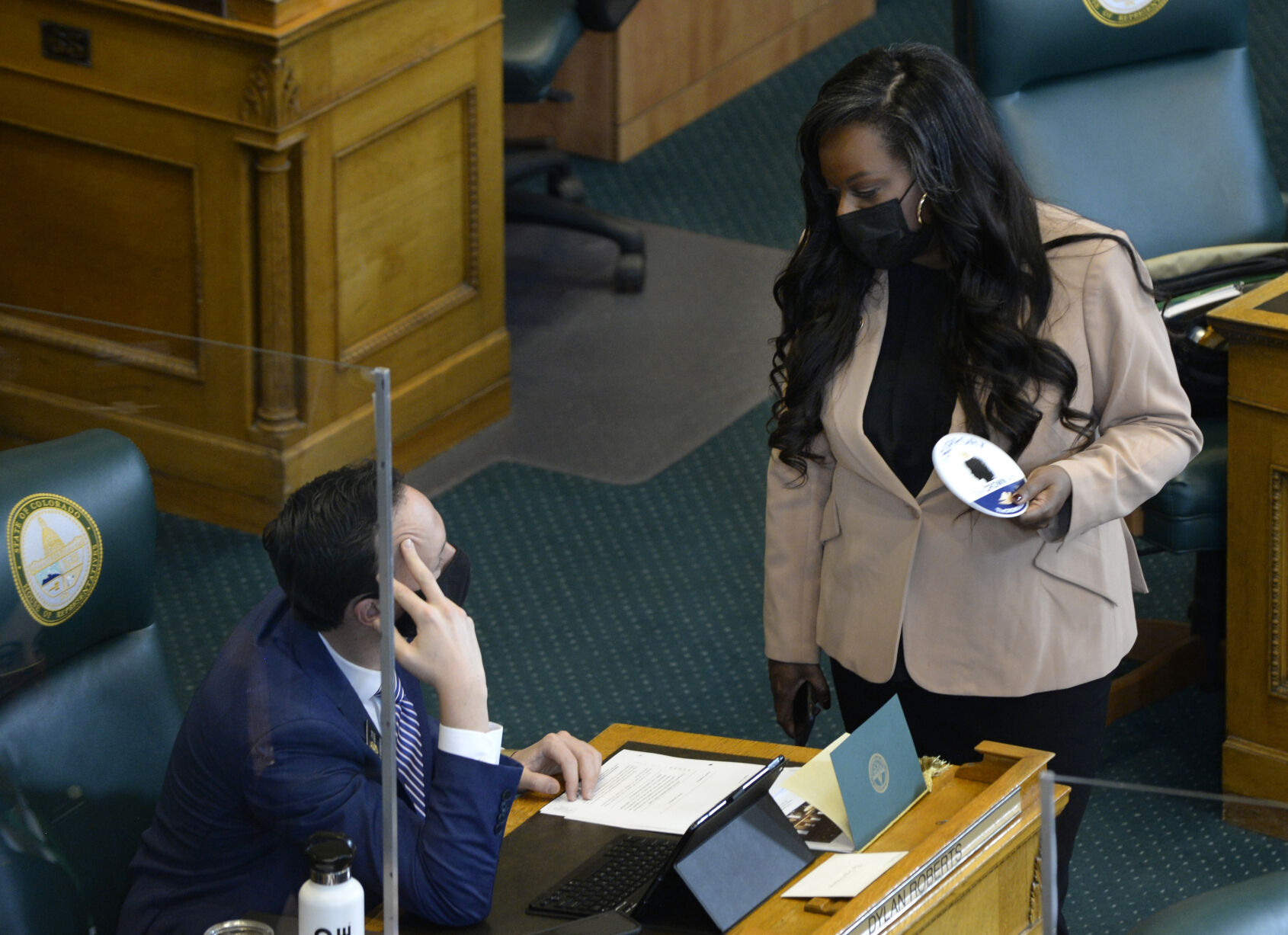
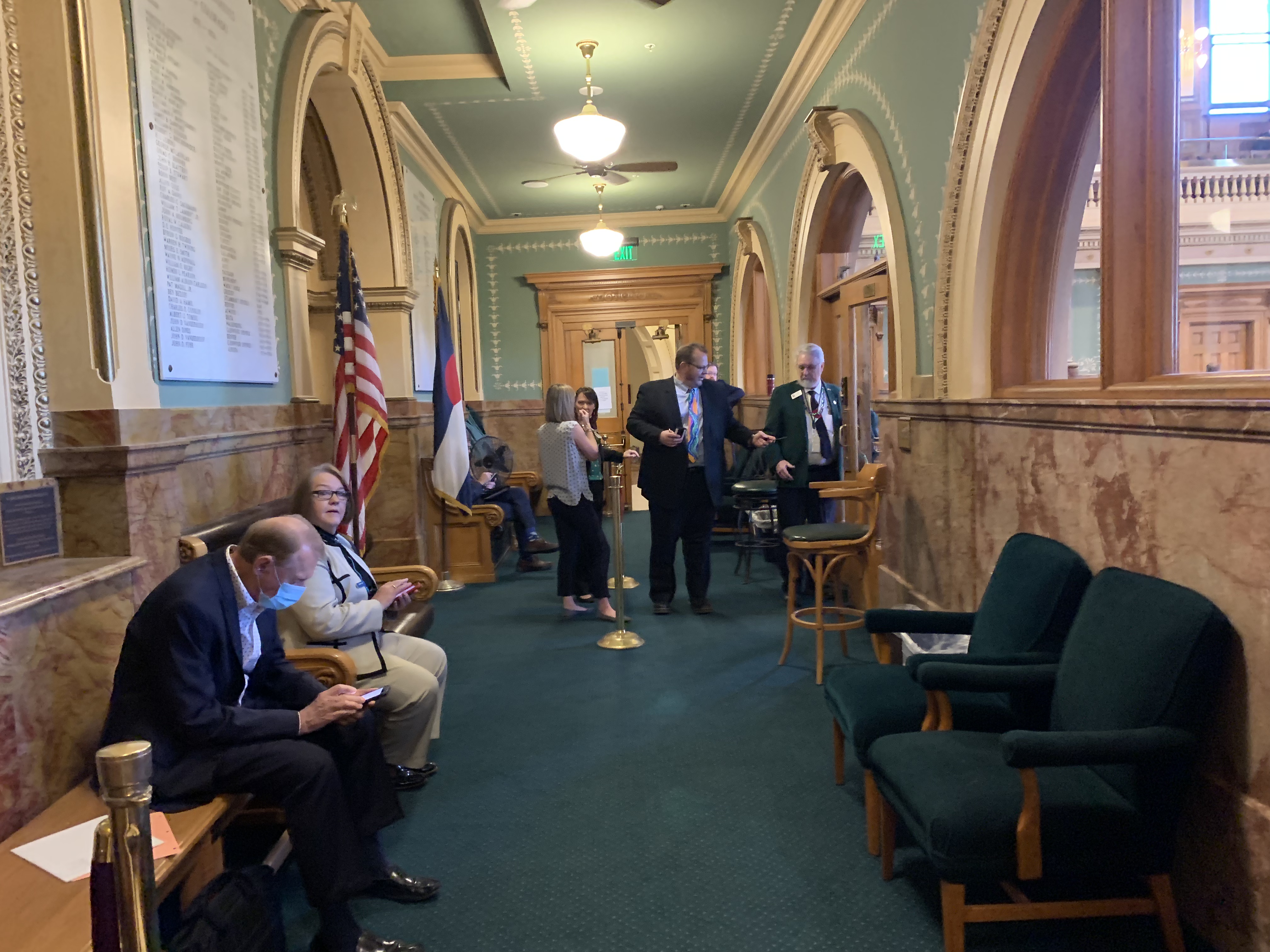
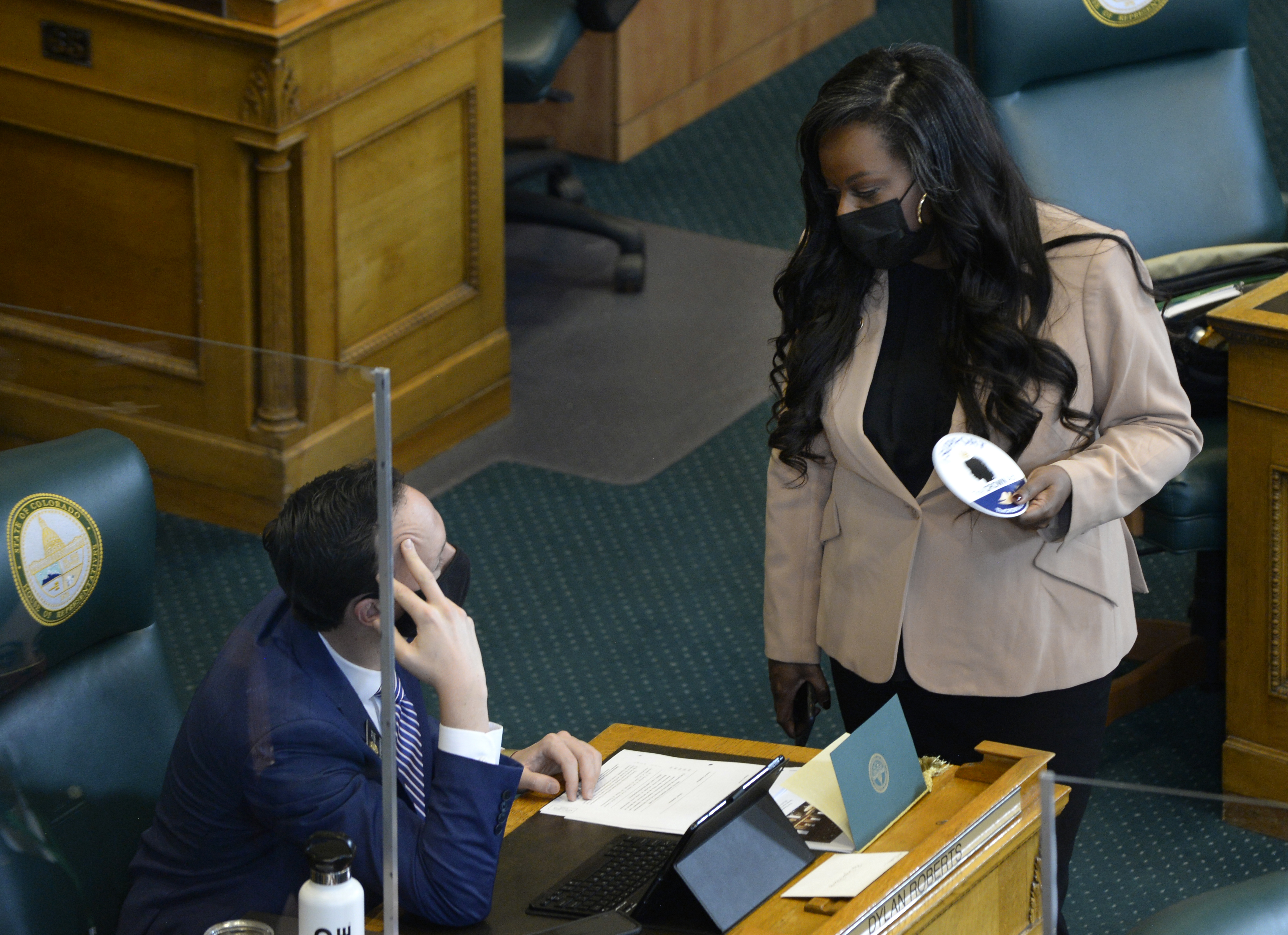
Saturday marked the 60th day of the 2022 Colorado General Assembly. Here’s a look at what lawmakers accomplished during the first half – hint: observers say not a whole lot – and what’s ahead for the rest of the session.
Legislative leaders, such as Senate President Steve Fenberg, D-Boulder, pointed out recently that the first 60 days have come and gone at a slower pace, and that everything will ramp up for the remainder of the session that ends on May 11.
“This is a session reflective of sessions in the past,” said Speaker of the House Alec Garnett during a recent conversation with reporters. “We’re ahead on volume.”
Garnett said he feels good about where the House is, but conceded that the big bills – whether on fentanyl, collective bargaining or recycling – are taking longer.
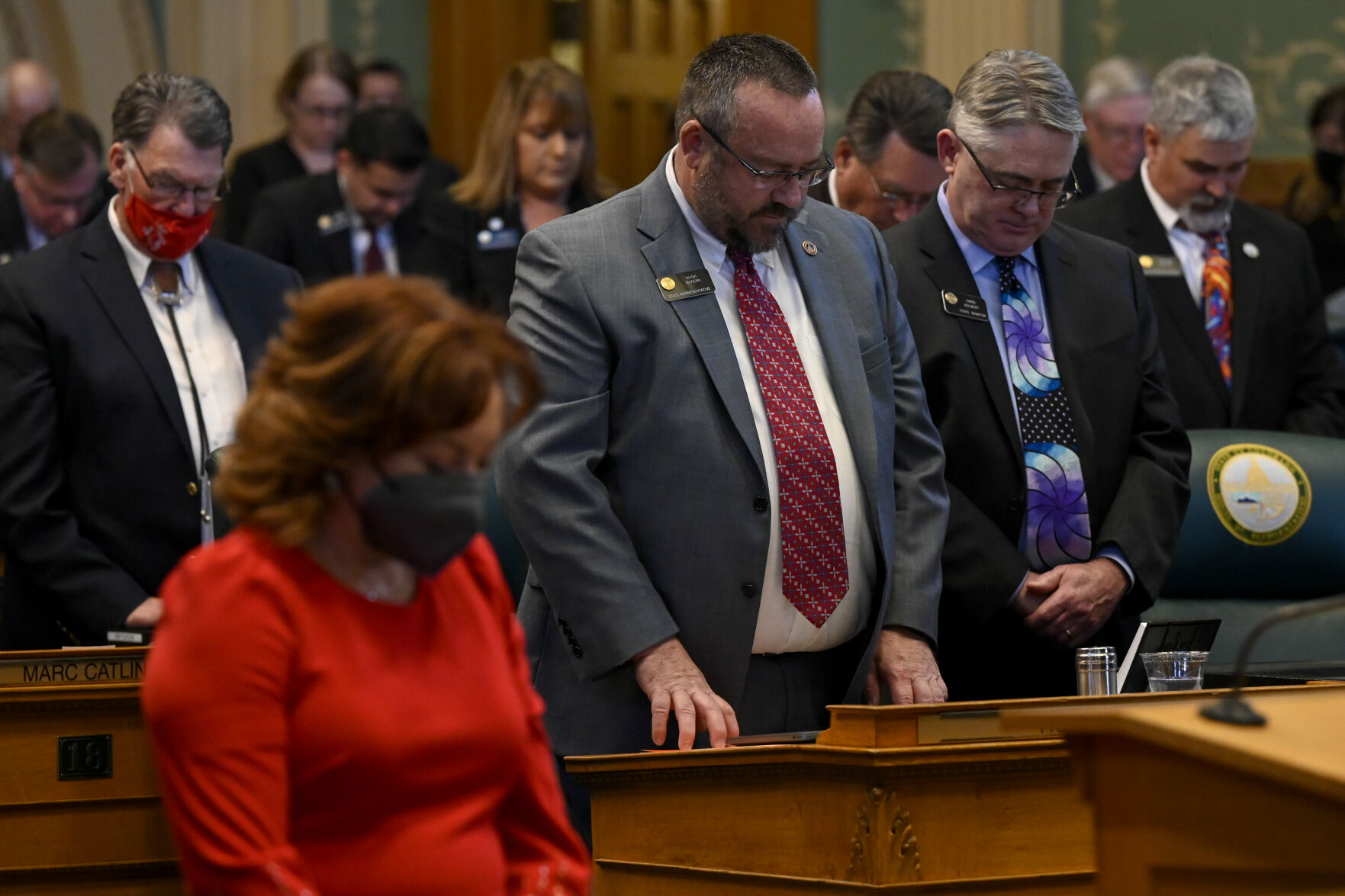
“I don’t feel we’re necessarily far behind,” he said.
The pace bears that out. There’s only been a handful of really lengthy committee hearings – those that go past midnight, for example – in the first 60 days. The most notable is House Bill 1279, which seeks to affirm the right to abortion in state law. The House Health & Insurance Committee hearing on HB 1279 on March 9 and 10 went nearly 14 hours, and the second reading debate on March 11 and 12 set a modern-day record of more than 23 hours of debate.
HB 1279 passed on a 40-24 vote Monday after a final three-hour discussion and now heads to the Senate.
As of March 11, 450 bills have been introduced, which is 69 fewer than on the 59th day in 2021, according to Legislative Legal Services. They include 297 bills in the House and 153 in the Senate. Out of those 450, 322 are still awaiting action and 31 fewer have been acted on compared to 2021.
So far, 128 bills have moved all the way through the process: 68 are dead and 60 were completed and sent to the governor, many of which supplement the 2021-22 budgets of state agencies.
Among the 68 bills that have died are three anti-abortion bills; two measures to allow handguns on school grounds and permit people to carry a gun without a concealed carry permit; and, a second attempt in the last two sessions to reduce employee single-occupancy vehicle trips.
A total of 623 bills were introduced in the 2021 session.
Will there be more to come? It’s likely, given a number of controversial bills that have either yet to be introduced or which have not yet gone through their first committee hearings.
marianne.goodland@coloradopolitics.com
One highly anticipated bill this session is House Bill 1064, which seeks to ban the sale of flavored tobacco and nicotine products in Colorado. The bill was introduced two days into the session but has still not made it to committee. It is scheduled for a House Health & Insurance Committee hearing on March 16 after being delayed week by week for over a month. Denver passed a similar ban that was vetoed by the mayor. While supporters say the ban will help address rising youth tobacco use, both proposals have received substantial pushback from adult users and business owners who sell tobacco products.
Dozens of lobbyists, representing at least 93 different clients, are signed up to work on the bill, evenly split between health care and children’s advocates, and business and tobacco interests.
Another bill that has not yet gotten its first hearing is House Bill 1152, which prohibits employers from firing or punishing employees over marijuana use and allows the use of medical marijuana at work. It was introduced on Feb. 4 and is scheduled for the House Business Affairs & Labor Committee on March 17, though it will probably be pushed back again. State lawmakers have considered versions of the bill since 2018 to protect medical marijuana users from what they describe as unfair employment consequences. Businesses – from restaurants to mining companies – have stood in opposition to the bill, saying it would lead to unsafe working conditions.
Lobbyists representing more than 100 clients are working on the measure, with far more opposed than in support.
Over a month after it was introduced, Senate Bill 113, which deals with facial recognition technology, passed the state Senate in a 27-7 vote on March 8, moving to the House for consideration. The bill would establish several limitations and regulations on the use of facial recognition technology by government and law enforcement agencies, as well as completely prohibit the technology in schools until 2025. Though it took almost a month to reach committee, the bill was advanced with comfortable bipartisan support after it was amended to allow for law enforcement use of the technology with probable cause. Some opponents – all Republican – said the bill doesn’t go far enough by not permanently banning the technology in schools.
Bills not yet introduced but likely to require a lot of time in the last 58 days include a measure, sponsored by House Majority Leader Daneya Esgar, D-Pueblo and Fenberg, to allow public sector employees to enter into collective bargaining agreements.
They also include a bill that would require manufacturers to pay a fee to help establish a state-mandated recycling program. To be sponsored by Rep. Lisa Cutter, D-Littleton, it has been rumored to be on the verge of introduction for more than a month but still hasn’t seen the light of day.
Meanwhile, about 15 bills tied to affordable housing and behavioral health task forces and $850 million in American Rescue Plan Act money are slowly being introduced at the state Capitol. So far, six have been introduced, yet none has had its first committee hearing as of Monday. Most are scheduled for their first hearing in April.
Public safety bills tied to the agendas of both parties are also working their way through the process.
Those measures include House Bill 1003, which allocates $2.1 million for a delinquency prevention and young offender intervention pilot grant program in the Division of Criminal Justice at the Department of Public Safety; and Senate Bill 1, the “Safer Streets” grant program, which was introduced on Jan. 11 and cleared the Senate Local Government Committee on March 3. It’s now awaiting action from the Senate Appropriations Committee.
Senate Bill 145 is one of the few bipartisan bills on public safety. Introduced last week, it seeks to create three grant programs for law enforcement totaling $30.5 million over two years. The grant programs are focused on increasing community trust in law enforcement by funding additional training and staffing, and increasing diversity of law enforcement officers. The bill, sponsored by Sens. Janet Buckner, D-Aurora and John Cooke, R-Greele, is scheduled for the Senate Local Government Committee on March 22.
A second bipartisan bill on public safety but has not yet introduced will deal with the burgeoning fentanyl crisis. House Speaker Alec Garnett, D-Denver, Rep. Mike Lynch, R-Wellington, Rep. Leslie Herod, D-Denver, and Sen. Bob Gardner, R-Colorado Springs are working on the legislation.
Also not yet introduced is legislation from Sen. Chris Kolker, D-Centennial, to upgrade school security with $2 million in grants. Another bill not yet out pairs police officers and mental health counselors, similar to a Summit County program touted by the governor.
On the Republican side and tied to its Commitment to Colorado package is Senate Bill 67, which creates a $50 million Safe Neighborhood grant program and is awaiting action from Senate Judiciary. Also awaiting introduction is a House bill to create a grant program on retention for law enforcement, which Rep. Perry Will, R-New Castle, and Cooke are expected to sponsor.
Finally, lawmakers have yet to begin work on the 2022-23 state budget bill, the only constitutionally-mandated task for the General Assembly. It’s scheduled for introduction, along with dozens of additional measures intended to help balance the budget, in the House on March 28. It will take up a week each in the House and Senate, plus another week back with the Joint Budget Committee, acting as a conference committee tasked with resolving differences between the two chambers.
marianne.goodland@coloradopolitics.com


Top officials in Arizona’s Maricopa County agree on how to oversee elections | OUT WEST ROUNDUP
The Associated Press
the-associated-press@coloradopolitics.com
Updated 4 days ago
ARIZONA Officials agree on election oversight PHOENIX — Election officials in Arizona’s most populous county reached an agreement a week before the state’s July 21 primary on how to jointly oversee the vote, ending a prolonged legal battle. Republican Maricopa...
Colorado Politics Calendar Aug. 3-9
Rachael Wright, Special to Colorado Politics
rachael.wright@coloradopolitics.com
Updated 4 days ago
CoPo’s weekly political calendar will help you find political and public-policy events throughout Colorado. It includes candidate and issue campaign events, public policy meetings, court hearings, state and local party conventions, assemblies, debates, rallies, parades, speaking engagements, traveling dignitary appearances,...
The primary political reform and precondition for all others | SONDERMANN
Eric Sondermann
eric-sondermann@coloradopolitics.com
Updated 4 days ago
In its current state, the American political system has no end of ailments. Far too many factors accelerate polarization and work against moderation and narrowing the differences. Media, and the way so many citizens limit themselves to agreeable, reinforcing sources,...
Susemihl wins surprise victory to replace Steve Durham as Colorado Springs state senator | A LOOK BACK
Rachael Wright, Special to Colorado Politics
rachael.wright@coloradopolitics.com
Updated 4 days ago
Forty-five years ago this week: In a closed session, the vacancy committee for Colorado’s Senate District 12 selected attorney Peter Susemihl to complete Sen. Steve Durham’s, R-Colorado Springs, term. Durham resigned his seat to become Region 8 Director of the...
10th Circuit partially revives lawsuit over 2020 Denver protest injuries
Michael Karlik
michael.karlik@coloradopolitics.com
Updated 2 days ago
The Colorado-based federal appeals court revived a man’s claims against Denver on Friday after concluding a trial judge resolved the case in the city’s favor without analyzing two of the three instances of alleged excessive force and other constitutional violations....

At conservative summit, Colorado Republican leaders concede Democrats’ election edge
Marissa Ventrelli
marissa.ventrelli@coloradopolitics.com
Updated 20 hours ago
Four Republican state lawmakers told attendees at a gathering of conservative leaders on Friday they doubt their party can win statewide races, noting that Colorado’s electorate has been shifting toward Democrats but adding they see an opening in several pockets....
Federal judges find Colorado immigration judge violated several orders
Michael Karlik
michael.karlik@coloradopolitics.com
Updated 14 hours ago
Multiple federal judges in Colorado have freed people from immigration custody after determining that one immigration judge violated their directives for properly conducting bond hearings. For nearly a year, Colorado’s U.S. District Court has faced a flood of habeas corpus petitions...
Q&A with Mike Pence | Former vice president says GOP’s populist turn from conservatism isn’t permanent
Ernest Luning
ernest.luning@coloradopolitics.com
Updated 18 hours ago
Former Vice President Mike Pence says he’s concerned that the Republican Party has taken a populist turn away from bedrock conservative principles during President Donald Trump’s second term, but he believes the party will return to its roots when Trump...

New federal plan sets short-term rules for Colorado River management
Marianne Goodland
marianne.goodland@coloradopolitics.com
Updated 2 days ago
Interior Department’s plan spares Colorado from mandatory cuts for now After years of stalled negotiations among the seven states that rely on the Colorado River, the federal government on Friday released its own plan for managing the drought-strained system. Calling...
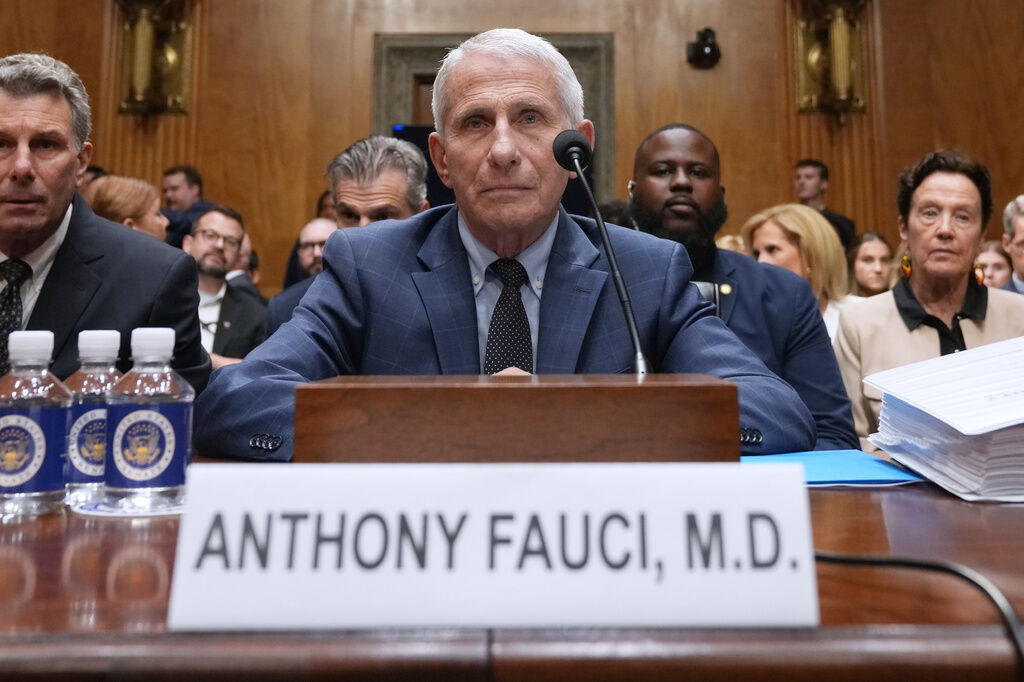
Fauci’s diary details blooming outrage toward ‘far right,’ softness toward Biden and China
Hudson Crozier
hudson.crozier@washingtonexaminer.com
Updated 2 days ago
Dr. Anthony Fauci increasingly railed against “far right” critics of his approach to COVID-19 issues while describing strong support from the Biden White House in his pandemic-era diary, which was recently released by Congress. The former National Institute of Allergy...
PREV
PREVIOUS

Jury hears from former officer in federal trial over Denver's policing of 2020 protests
The second week of a federal trial challenging Denver police’s handling of protests in 2020 sparked by the killing of George Floyd in Minneapolis started with the first rank-and-file officer to take the stand. Former Denver Police Department officer Keith Valentine testified late Monday morning into the afternoon. He maintained that footage from body-worn cameras […]

Aurora urban camping ban will go to third vote with new amendment
Aurora City Council passed on second reading Monday night Mayor Mike Coffman’s urban camping ban. Coffman voted aye to break council’s tie vote with an overall vote of 6-5 for the ban, which was amended to direct city staff to develop a policy on storing valuable items from an abated camp. The ban would prohibit […]