

COVID taught us paid-leave must be a priority

It’s no secret that our economy, and our most vulnerable workers, have taken a big hit since COVID-19 turned our world upside down. But despite the challenges of the past two years, there are some silver linings ahead. The most recent jobs report was surprisingly positive, revealing that our economy was able to weather the Omicron wave with 467,000 jobs added in January alone.
While there are many factors at play here, one thing the pandemic proved to all of us is that America’s workers power our economy, and our future prosperity relies on a healthy workforce. This is especially true as workers increasingly have to juggle balancing schedules that may include children unexpectedly needing care when exposed to COVID at school, or not wanting to risk endangering their coworkers or customers if they themselves get sick. We are proud to say that lawmakers in our states are addressing these challenges by supporting policies that protect working families and support the workforce. One of the most critical ways to do this is by ensuring employees have access to paid-leave.
The United States is far behind the rest of the world when it comes to offering paid-leave for workers. The Biden Administration has broad ambitions to bring the country’s paid-leave policies into the 21st century, but with Congress gridlocked, state lawmakers have been stepping up to the plate by prioritizing policies that keep workers healthy and safe and ensure businesses can stay open.
Not only do these policies lead to a healthier and more resilient economy, but they also make workplaces and our pandemic recovery more equitable. We know that the pandemic has taken an uneven toll on workers, particularly for women who shouldered increased caregiving responsibilities and faced disproportionate job losses. Low-income earners were particularly vulnerable as well. Recent data from the Economic Policy Institute show that those with incomes under $25,000 were 3.5 times as likely to report missing an entire week of work because of COVID-19 compared with those earning $100,000 or more. Too often, workers are forced to make an impossible choice between caring for themselves and their families and earning a paycheck that they need to stay afloat.
Colorado is one example of a state that’s leading the way to make sure that workers can take paid-time-off when the need arises. Colorado’s new paid-sick-leave policy passed by legislators in 2020, took full effect on January 1, which guarantees that all workers can earn paid sick days to care for themselves and their families without missing a paycheck. Colorado voters also understand the importance of being able to care for their health. In 2020, Coloradans overwhelmingly passed a measure that guarantees paid family and medical leave for all workers.
Maryland lawmakers are also eyeing policies that keep workers healthy. A paid family and medical leave proposal is being considered in the state this year that would bring employees and employers together to create an insurance pool so that workers could access up to 12 weeks of paid leave. The people of Maryland strongly and consistently support these efforts, with one recent survey finding 88% favor paid leave and another by the State Innovation Exchange (SiX) showing, by a nearly 3-to-1 margin, that Marylanders believe paid leave would “benefit the economy.”
Though things are looking up, it’s important to remember that we’re still not out of the woods when it comes to pandemic recovery. But states across the country, like Colorado and Maryland, are taking bold and innovative action to support families and workers and help us build back better than before. Let’s keep fighting for common sense policies that protect working families and make our economy more resilient.
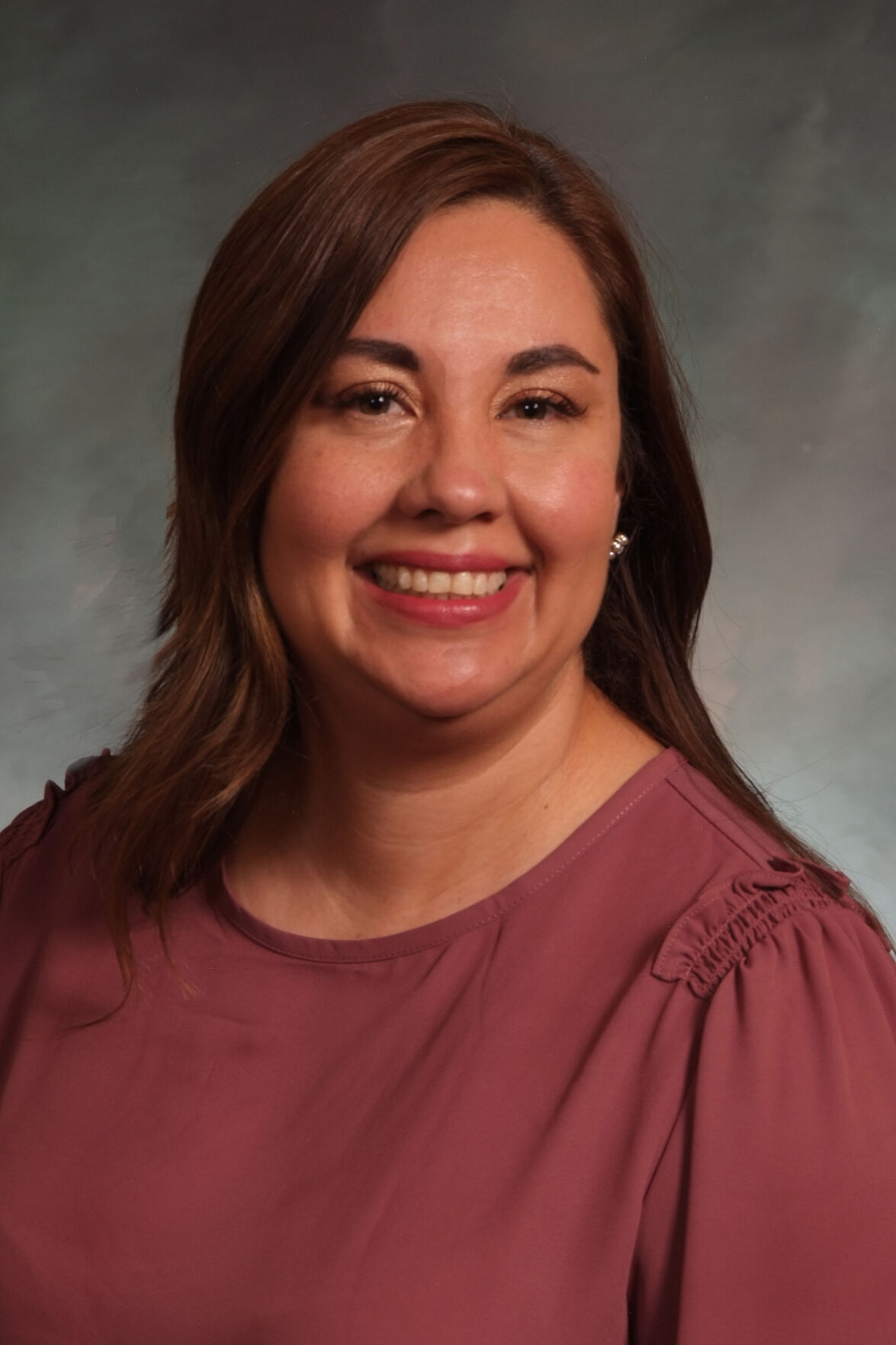
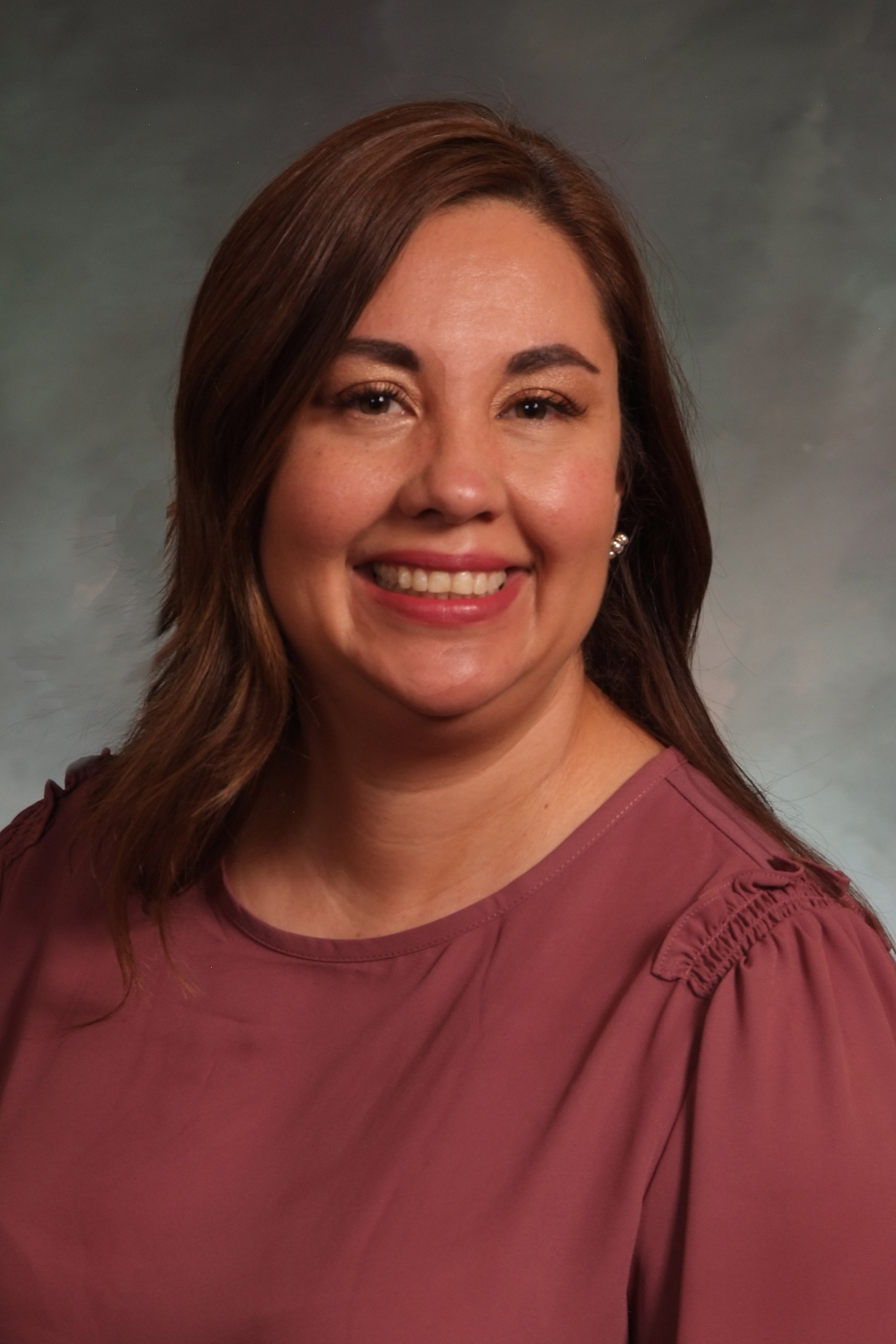
Yadira Caraveo, M.D., D-Thornton, represents House District 31 in the Colorado General Assembly. Caraveo was the prime sponsor of the Healthy Families and Workplaces Act, Colorado’s paid sick leave act, in 2020. She also is a pediatrician and is the only physician in the state legislature. Delegate Kris Valderrama is the lead sponsor of the Time to Care Act of 2022 in the Maryland House of Delegates.


The public health hazards in sports betting | PODIUM
Colorado Politics
colorado-politics@coloradopolitics.com
Updated 13 hours ago
By Brandon Zelasko As Colorado lawmakers revisit sports betting policy this session, the state has an opportunity to widen the lens. Beyond revenue projections and regulatory frameworks lies a critical question: Are we fully reckoning with the human effect of...
Colorado’s public lands are not for sale | OPINION
Colorado Politics
colorado-politics@coloradopolitics.com
Updated 13 hours ago
By Jonathan Houck Our state is defined by its public land. It shapes our communities, our economy and our Colorado way of life. Just driving through Gunnison County, where I have lived for more than 30 years, sometimes I can’t...

The real impact of regulations on businesses, employees and Colorado’s way of life | OPINION
Colorado Politics
colorado-politics@coloradopolitics.com
Updated 1 day ago
By Loren Furman and Steve Swinney Every day in Colorado, business owners are faced with decisions most people never see, shaped by rising costs and a regulatory environment that has grown more complex over time. Those choices eventually reveal themselves...
Should we have recall votes for all Colorado elected officials? | Hal Bidlack
Hal Bidlack
hal-bidlack@coloradopolitics.com
Updated 1 day ago
As I write this on the Sunday before you read it, we’ve just learned of the first American casualties of our, what — war? conflict? attack? — on Iran. The Supreme Leader of Iran, for the past 36 years or...
Colorado legislature should not reverse lottery modernization | OPINION
Colorado Politics
colorado-politics@coloradopolitics.com
Updated 1 day ago
By Bill Clayton Four years ago, the Colorado General Assembly passed bipartisan legislation to modernize the state’s lottery system and strengthen funding for Colorado’s outdoor projects and open spaces. Lawmakers recognized a simple reality: consumer behavior has evolved. Most Coloradans...

Could Weiser or Bennet as governor each be an improvement over Polis? | Miller Hudson
Miller Hudson
miller-hudson@coloradopolitics.com
Updated 3 days ago
The weekend before last was a forerunner to numerous forums and debates where U.S. Sen. Michael Bennet and Attorney General Phil Weiser will jostle for position in the Democratic primary for governor. The victor seems certain to be headed to...

Poison, poultry and prostitution — the Colorado legislature marches on | Rachel Gabel
Rachel Gabel
rachel-gabel@coloradopolitics.com
Updated 3 days ago
Many weeks my search history is odd but the past two weeks might worry our county sheriff if he didn’t know me as well as he does. This week has been the week of poison, poultry and prostitution. Not to...

Thoughts on President Trump’s State of the Union address | Cronin & Loevy
Tom Cronin Bob Loevy
tom-cronin-bob-loevy@coloradopolitics.com
Updated 3 days ago
The U.S. Constitution’s Article Two states “He (the president) shall from time to time give to the Congress Information of the State of the Union, and recommend to their Consideration such Measures as he shall judge necessary and expedient….” On...

Are Colorado businesses leaving or evacuating? | Jon Caldara
Jon Caldara
jon-caldara@coloradopolitics.com
Updated 6 days ago
At this point, if you hear beeping downtown, it’s not a construction crew. It’s a company backing out. And look, I get it. Businesses relocate for all sorts of reasons: taxes, regulations, labor costs, office space, crime, commute times, the...

Additional thoughts on State of the Union address/rally | Cronin and Loevy
Tom Cronin Bob Loevy
tom-cronin-bob-loevy@coloradopolitics.com
Updated 4 days ago
The U.S. Constitution’s Article II states that “He (the president) shall from time to time give to the Congress Information of the State of the Union, and recommend to their Consideration such Measures as he shall judge necessary and expedient...
PREV
PREVIOUS

FEEDBACK | Stick to new state rules, deny Firestone oil wells
I live in Firestone and could potentially be a live participant – or maybe a guinea pig? – in a test to see whether or not regulators follow the new state law and put public health and safety first. Will the regulator protect David or Goliath? Kerr-McGee, which is owned by one of the largest […]

Why take a chance with your eyes?
Robert I. Fish When patients seek out medical care or particularly complicated, advanced surgery, they trust that the medical professional who is providing that care is capable, knowledgeable and highly trained. As an ophthalmologist, or an eye surgeon, patients put a great deal of trust in me to operate on one of their most precious, […]