

House unanimously passes bill to add ‘consent’ to Colorado’s sexual assault law

The state House of Representatives unanimously approved legislation that seeks to modify Colorado’s sexual assault law by adding the word “consent.”
The House passed House Bill 1169 on Tuesday with 64 members voting in support and one member, Eaton Republican Rep. Tonya Van Beber, excused. The bill’s next stop is the state Senate.
“I’m so thrilled that the entire body recognized the importance and urgency of adding the word consent to the law,” said bill sponsor Rep. Dafna Michaelson Jenet, D-Commerce City. “One more step in making it harder to get away with sexual assault in Colorado.”
The bipartisan bill – also sponsored by Rep. Matt Soper, R-Delta – aims to change Colorado’s legal definition of sexual assault from sexual intrusion when “the actor causes submission of the victim by means sufficient to cause submission against the victim’s will” to when the actor causes sexual intrusion “knowing the victim does not consent.”
The current law was written in the 1970s and Colorado is one of only two states in the country that still uses the language. Soper said 34 other states currently use the language proposed under the bill in their sexual assault laws. Colorado also includes the term “consent” in its law for misdemeanor sexual contact, but not for sexual assault.
Both bill sponsors said they hope the change would clarify the law to help jurors make decisions in sexual assault cases and to help victims understand whether what happened to them legally qualifies as sexual assault.
This bill come as, last year, the Colorado Coalition Against Sexual Assault reported that Colorado’s sexual violence rate is higher than the national average. The organization said 23.8% of women in Colorado had experienced sexual violence, compared to 18.3% nationally.
A sexual assault occurs in the U.S. every 68 seconds, according to the Rape, Abuse and Incest National Network. Less than one in three sexual assaults are reported to law enforcement, and, of those reported, only around 16% result in arrests and 9% result in felony convictions, the network said.


Boots ‘n Business Luncheon: ‘It’s something very special.’ | NONPROFIT REGISTER
Joanne Davidson Special to Colorado Politics
joanne-davidson-special-to-colorado-politics@coloradopolitics.com
Updated 9 minutes ago
DENVER METRO CHAMBER OF COMMERCE Denver News: With a capacity crowd of 1,400, a waiting list of 120 and an after-party attended by 600, it wasn’t a stretch for Denver Metro Chamber of Commerce President/CEO J.J. Ament to describe the 2026 Boots ‘n Business Luncheon as...
Nebraska to be 1st state to implement Trump’s new Medicaid work requirements | OUT WEST ROUNDUP
Ernest Luning
ernest.luning@coloradopolitics.com
Updated 5 days ago
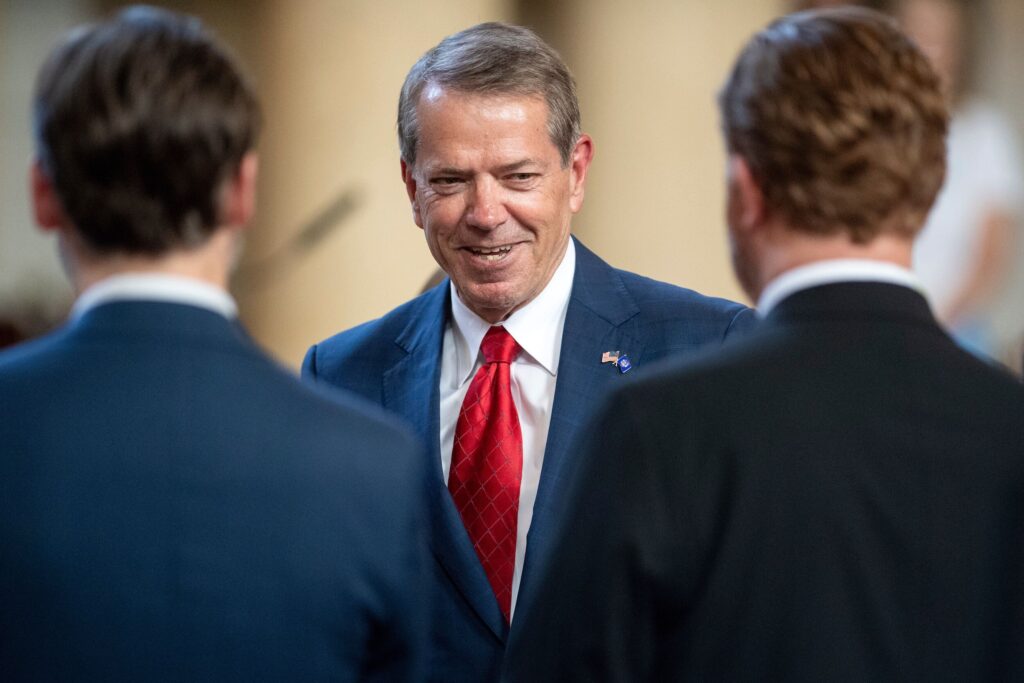
NEBRASKA Medicaid work requirements set Nebraska will become the first state to implement new work requirements for some people with Medicaid health insurance under a law President Donald Trump signed last summer. Gov. Jim Pillen, a Republican, announced on Dec....
Frozen funds, vetoes and lawsuits: Why Colorado says it’s in Trump’s crosshairs
Thelma Grimes
thelma.grimes@coloradopolitics.com
Updated 2 days ago
Colorado Democrats have accused President Donald Trump of deliberately targeting their state, arguing his administration is using federal powers to punish it for its policies and resistance. But whether Colorado is being singled out — and why — depends largely...
Colorado ‘un santuario’ for drug activity, DEA chief says
The Denver Gazette
the-denver-gazette@coloradopolitics.com
Updated 12 hours ago
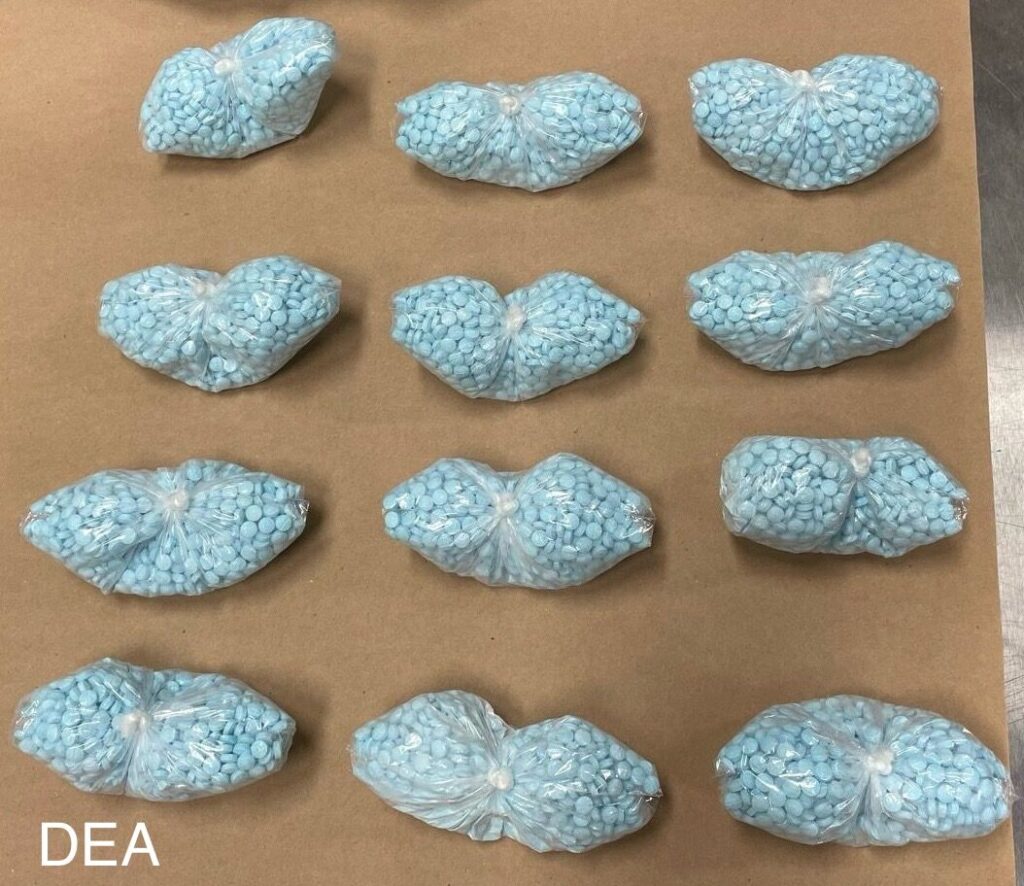
Colorado’s “sanctuary” laws, notably its prohibition against cooperating with federal authorities, are having a “chilling effect” on law enforcement’s ability to go after drug cartels operating in the state, an official of the U.S. Drug Enforcement Agency said. That situation...
Vince Bzdek: Coloradans are fed up with the high price of cars
Vince Bzdek
vince.bzdek@gazette.com
Updated 2 days ago
Car buyers in Colorado – and America – are fed up. Cars are too damn expensive. The average price of a new car broke the $50,000 barrier last fall, according to Kelley Blue Book stats. The Wall Street Journal recently...
Unsolicited advice to both Republicans and Democrats | SONDERMANN
Eric Sondermann
eric-sondermann@coloradopolitics.com
Updated 5 days ago
This even-numbered year will be one of political turnover in Colorado with the governor’s chair opening up, along with the other state executive offices (attorney general, state treasurer, and secretary of state), all due to term limits. A U.S. Senate...

New Jersey signs legislation banning cellphones in schools
Molly Parks, Washington Examiner
molly.parks.washington.examiner@gazetteedit.wpenginepowered.com
Updated 3 days ago
K-12 students in New Jersey will no longer be allowed to use their cellphones in school starting in the fall of 2026. Gov. Phil Murphy (D-NJ) signed a bill into law on Thursday establishing “phone-free” schools in the Garden State....
Gov. Jared Polis ‘frustrated, surprised’ at efforts to revive vetoed union bill
Marissa Ventrelli
marissa.ventrelli@coloradopolitics.com
Updated 3 days ago
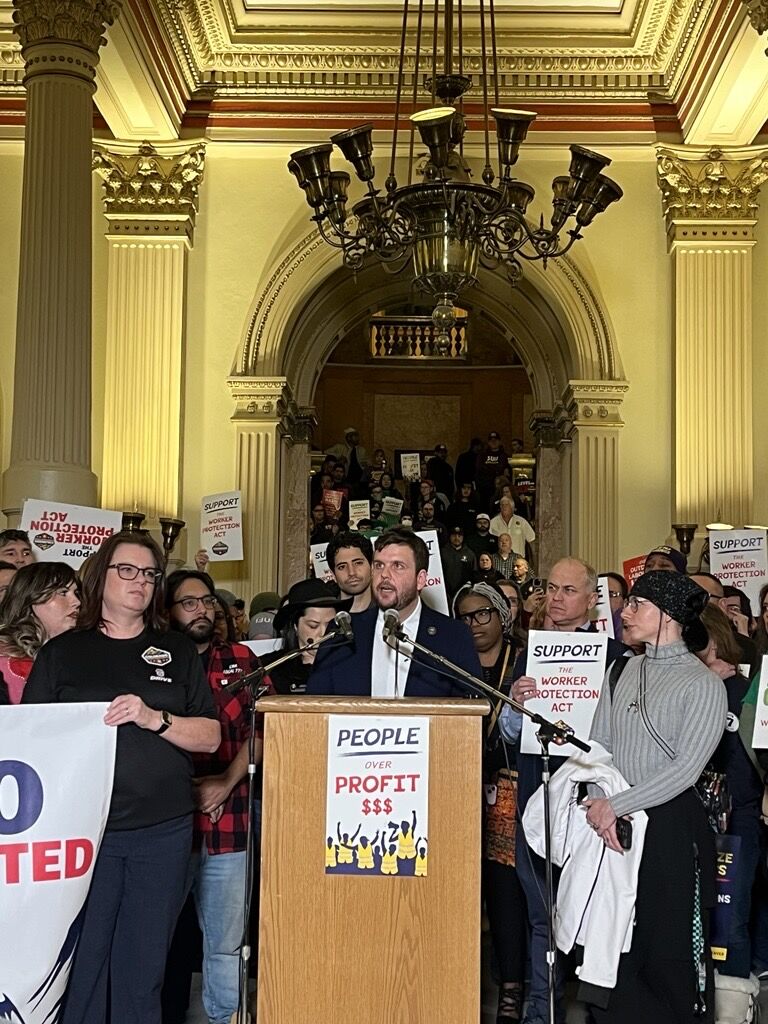
Gov. Jared Polis was surprised that Democratic lawmakers and labor groups are seeking to revive a union-backed legislation less than a year after he vetoed the bill due to concerns about its impact on businesses and mandatory dues. Elected officials...

Red Carpet Reception proves new home’s a winner for Coors Western Art Exhibit & Sale | NONPROFIT REGISTER
Joanne Davidson Special to Colorado Politics
joanne-davidson-special-to-colorado-politics@coloradopolitics.com
Updated 3 days ago
NATIONAL WESTERN STOCK SHOW News: It wasn’t just the art that people were talking about at Thursday night’s Red Carpet Reception for the 34th Coors Western Art Exhibit & Sale. A good number of the 1,000-plus guests were on their first visit to the show’s spacious new location on the...
Colorado candidates switch parties, races as midterm election year looms | TRAIL MIX
Ernest Luning
ernest.luning@coloradopolitics.com
Updated 3 days ago
The final days of 2025 saw an unusually high number of Colorado candidates switch parties and races, reshaping at least a few primaries ahead of this year’s midterm elections. The state has seen its share of switchers over the years,...
PREV
PREVIOUS

U.S. Supreme Court agrees to review Christian website designer case in Colorado
The nation’s highest court on Tuesday agreed to review a ruling from the federal appeals court based in Denver, which held Colorado’s anti-discrimination law could compel a Christian graphic designer to create wedding websites for same-sex couples despite her religious beliefs. Conservative groups lined up behind Lorie Smith at the U.S. Supreme Court, asking the […]

Colorado Senate bids farewell to Leroy Garcia, elects new leader unanimously
The Colorado state Senate Tuesday unanimously elected Senate Majority Leader Steve Fenberg of Boulder as its next president for the remaining 78 days of the 2022 session. Fenberg replaces Sen. Leroy Garcia of Pueblo, whose resignation from the Senate becomes official at midnight tonight. Garcia will become special assistant to the assistant secretary of the Navy […]