

Vaccine mandate ‘very small piece’ of a hospital staffing problem driven by burnout
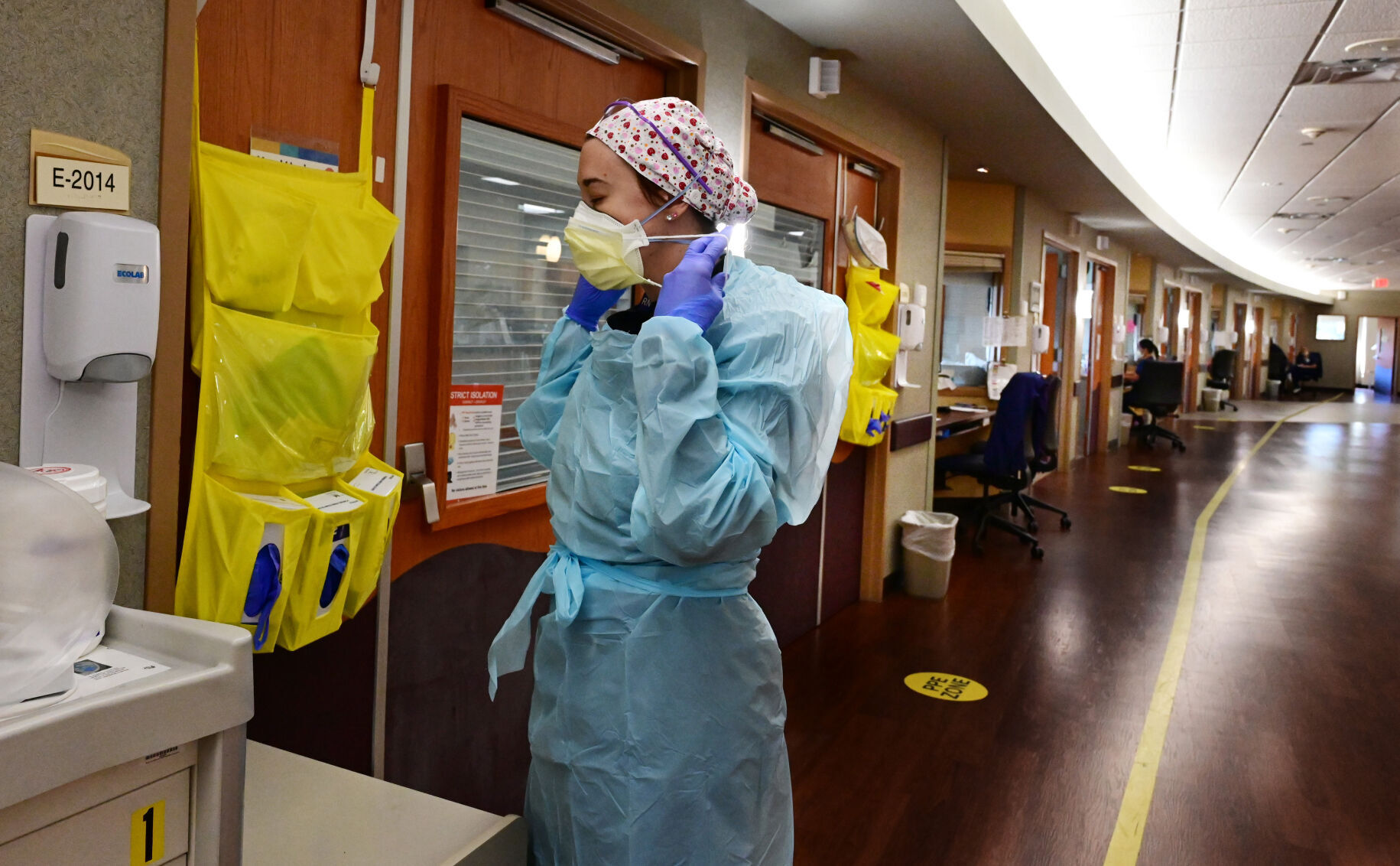
Burnout and exhaustion 20 months into the coronavirus pandemic are powering the state’s hospital staffing shortage, not the requirement that all health care workers here be vaccinated.
“The shortage issue goes well beyond the mandate,” said Cara Welch, spokeswoman for the Colorado Hospital Association, “and … the mandate’s really just one very small piece with that.”
Burnout, Welch and representatives from several hospital systems and individual facilities said, is the primary factor. Thirty-eight percent of respondents in a small survey conducted by the Colorado Medical Society reported burnout to varying degrees. Nationally, nearly one in five health care workers have left the industry during the pandemic, according to a Morning Consult poll, and Welch said that number likely matches the trends in Colorado.
The Denver Gazette spoke with several major hospital systems, plus Denver Health, Pueblo’s Parkview Medical Center, San Luis Valley Health and Delta Health for this article. Collectively, the systems and individual facilities represent more than 40 hospitals statewide and employ tens of thousands of workers. None of them said the vaccine mandate, which became effective statewide in October, has played more than a minor role in their staffing levels.
Front-line health workers were among the first to receive vaccination priority a year ago, and hospitals have reported that uptake has been highest among those providers.
Health worker shortages that predated the pandemic – particularly with nurses – are also exacerbating the situation, officials said, and the significant volume of patients filling Colorado hospitals is further straining capacity.
“Between very high numbers of COVID-19 hospitalizations and record numbers of non-COVID patients, UCHealth has been caring for about 25% more patients,” said Dan Weaver, spokesman for the system. “That means we have about 25% more clinical shifts to fill. Our employees are extremely dedicated, and we appreciate that they continue to pick up additional shifts to care for patients, but responding to the ongoing surge over many weeks and picking up so many extra shifts is very challenging.”
“The toll this takes on our workforce has been great,” said Banner’s Sara Quale. “We have seen a number of caregivers leave the bedside as a result of the COVID pandemic and burnout.”
The systems all reported minimal terminations for employees who were not fully vaccinated. Some systems – like UCHealth, Banner and Denver Health – all required vaccinations before the state instituted its own. At UCHealth, which employs 26,400 people, 119 were terminated. That number includes all staff – not just front-line providers.
Centura had a 99.9% vaccination rate among its 21,000 employees in Colorado and Kansas. Twelve were out of compliance, a spokesperson said. Delta Health said it lost two people, San Luis Valley had “less than 3%” of employees out of compliance, Banner’s figure was below 2%, and HealthONE has terminated only one or two workers.
Statewide, 2.2% of the state’s roughly 280,000 health care workers – across all health industries and employee roles – were terminated or resigned because they didn’t comply with the mandate, a spokesperson for the state Department of Public Health and Environment said.
For Denver Health, “it’s not people in direct patient care roles who have resisted vaccination,” said spokeswoman Rachel Hirsch.
Welch said the mandate likely had larger impacts for smaller facilities in rural Colorado, where staffing is tighter even during normal times.
“Certainly some rural hospitals have felt this pretty significantly,” she said, “but I think it’s important to note that’s also on top of people who have left for a variety of other reasons, and probably the leading factor being stress and burnout and exhaustion after two years of dealing with this pandemic.”
A year ago, when hospitals were facing the largest COVID-19 patient load of the pandemic, staffing was also the most pressing issue, more so than bed space or ventilators. But that shortage was driven by infections among staff, hospitals have said, requiring quarantines and thinning the ranks just as the pandemic was spiraling.
The mandates have helped address that amid this latest surge, officials said.
“Most importantly, COVID-19 vaccination has created a safer environment in our facilities for everyone, including our patients, visitors, staff and providers,” UCHealth’s Weaver said. “But it has also helped our staffing levels because so few employees are testing positive for COVID-19 and needing to be out of work on isolation as they recover.”

Colorado lawmakers grapple with spending cuts amid $1 billion-plus deficit
Marianne Goodland
marianne.goodland@coloradopolitics.com
Updated 9 hours ago
The battle over Colorado’s budget for next year — which stalled in the House over a procedural maneuver — entered a more difficult phase on Thursday, when legislators grappled with hundreds of millions of dollars in proposed reductions to balance...
New rules for private judges in Colorado include discipline oversight, campaign contributions
David Migoya
david.migoya@gazette.com
Updated 12 hours ago
The Colorado Supreme Court recently determined the state’s private judges — retired jurists appointed to oversee civil cases that rarely get public scrutiny — can now make political contributions freely and without reserve, overruling a prohibition that had been in...

Colorado bill reshaping RTD board advances
Marissa Ventrelli
marissa.ventrelli@coloradopolitics.com
Updated 12 hours ago
A proposal to reshape the Regional Transportation District’s leadership easily cleared a committee vote Wednesday, advancing the bill sponsors say is needed to revive a transit system still struggling to regain riders and public trust. Critics have countered that, while...

Colorado Democrat John Hickenlooper pulls in nearly $1.4M in 1st quarter, heads into primary with $4M
Ernest Luning
ernest.luning@coloradopolitics.com
Updated 9 hours ago
U.S. Sen. John Hickenlooper’s campaign raised nearly $1.4 million in the first quarter of 2026 and plans to report more than $4 million on hand heading into Colorado’s June primary, the first-term Democrat’s campaign said Thursday. That brings Hickenlooper’s total...
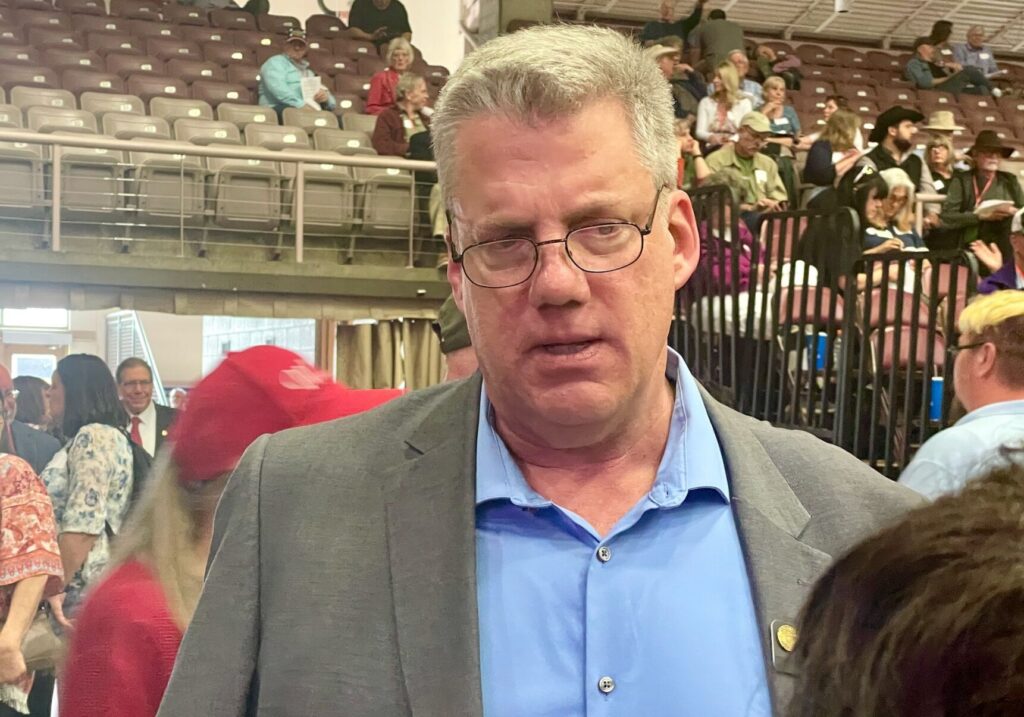
Republican Ron Hanks plans ‘grassroots’ primary challenge to US Rep. Jeff Hurd in Colorado’s 3rd CD
Ernest Luning
ernest.luning@coloradopolitics.com
Updated 13 hours ago
Colorado Republican Ron Hanks, a former state lawmaker, plans to challenge first-term U.S. Rep. Jeff Hurd in the 3rd Congressional District primary by seeking a spot on the June ballot at the GOP’s district assembly in Pueblo on Friday, Colorado...
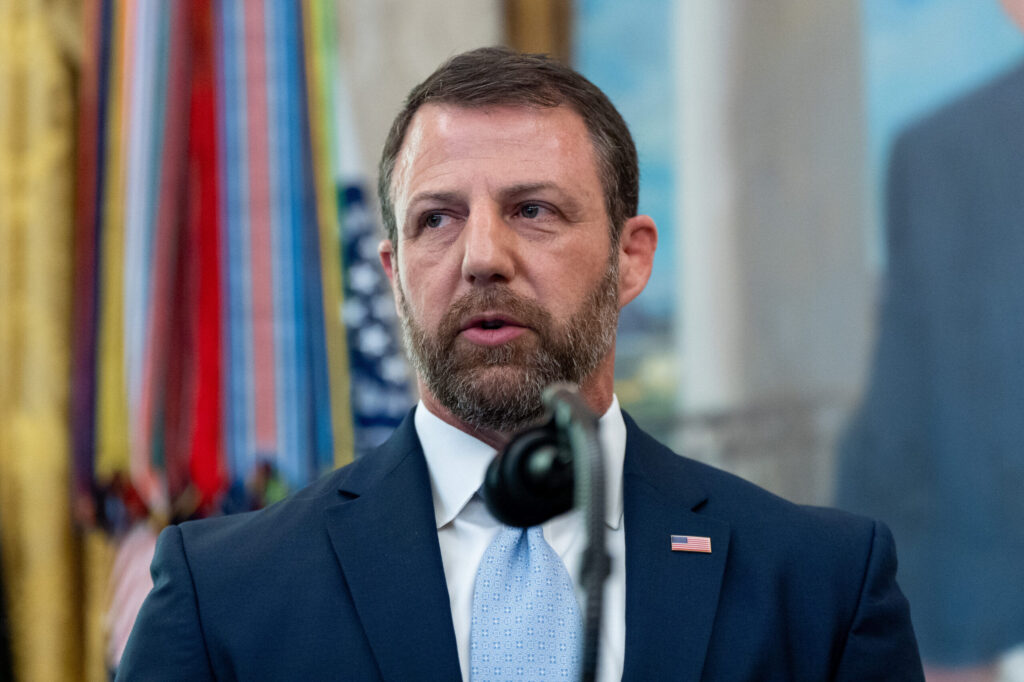
Five ways Mullin is already pushing DHS in a new direction
Anna Giaritelli Washington Examiner
anna-giaritelli-washington-examiner@coloradopolitics.com
Updated 16 hours ago
The Trump administration’s newest Cabinet secretary, Markwayne Mullin, has already begun to implement major changes across the Department of Homeland Security Mullin replaced President Donald Trump’s first DHS secretary, Kristi Noem, and was an unexpected pick to lead the department...
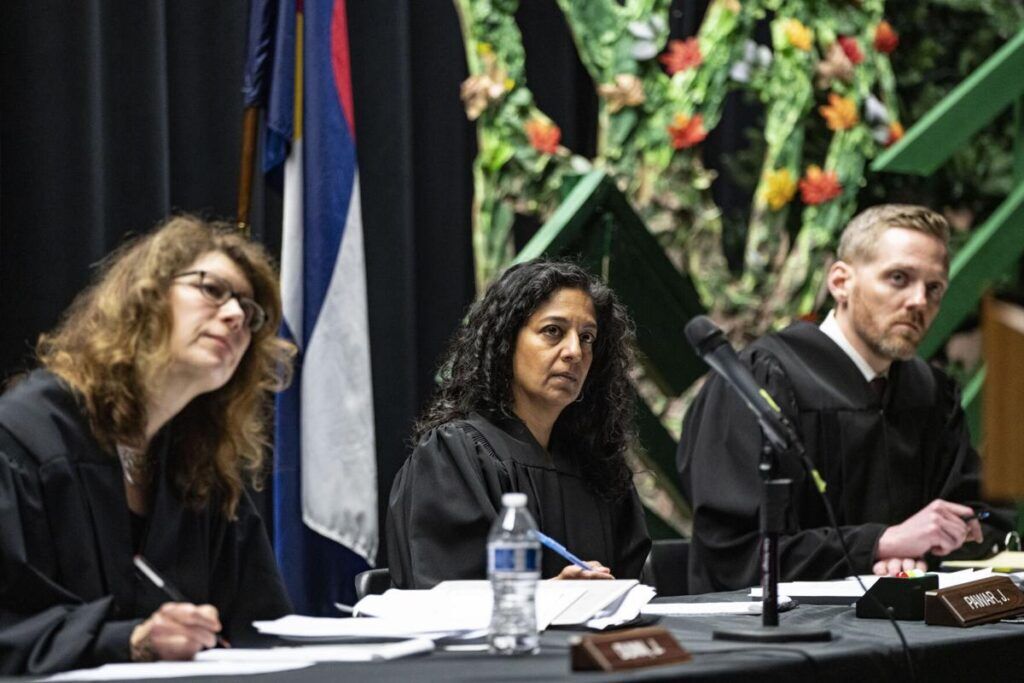
Appeals court finds Prowers County judge incorrectly analyzed firetruck collision lawsuit
Michael Karlik
michael.karlik@coloradopolitics.com
Updated 16 hours ago
Colorado’s second-highest court directed a Prowers County judge last month to take a second look at whether a firetruck operator and the county itself can be held liable for a collision with a motorist. Donald Williamson was driving through a...
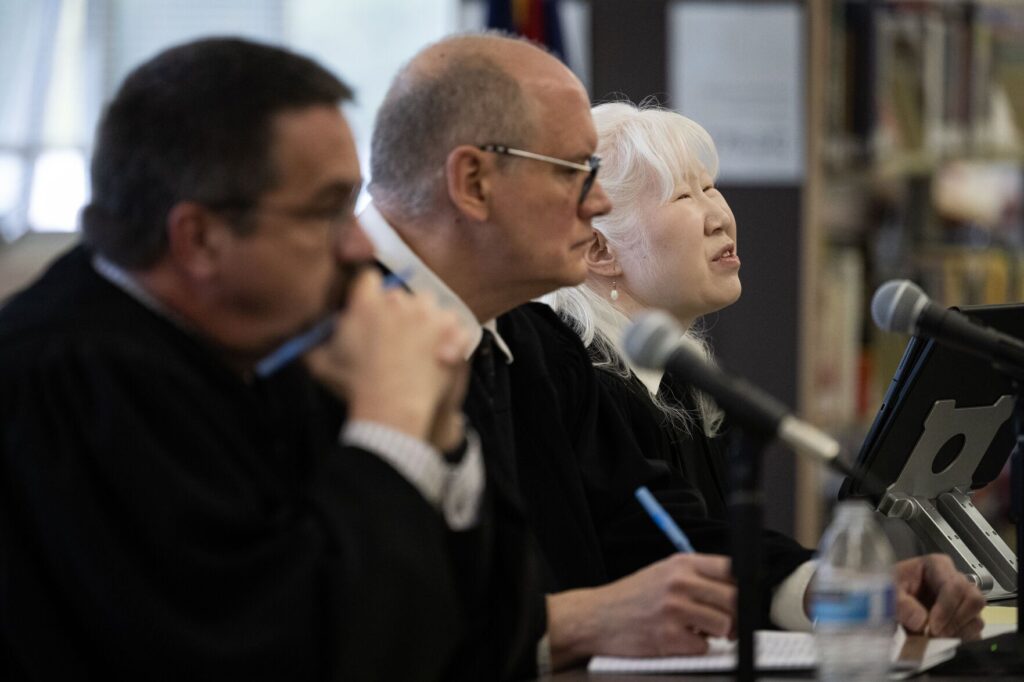
Appeals court reverses assault convictions after jury received no definition of ‘harm’
Michael Karlik
michael.karlik@coloradopolitics.com
Updated 18 hours ago
Colorado’s second-highest court reversed an Arapahoe County defendant’s assault convictions last week, concluding the trial judge neglected to define a key, ambiguous term for jurors. Police officers arrested David Cristobal Aragon at a house party for allegedly violating a restraining...
Colorado counties cannot challenge state law restricting immigration contracts, appeals court says
Michael Karlik
michael.karlik@coloradopolitics.com
Updated 13 hours ago
Colorado’s second-highest court ruled on Thursday that counties lack standing to challenge a 2023 state law that restricts their ability to contract with the federal government or private entities for immigration detention. A three-judge Court of Appeals panel agreed with...
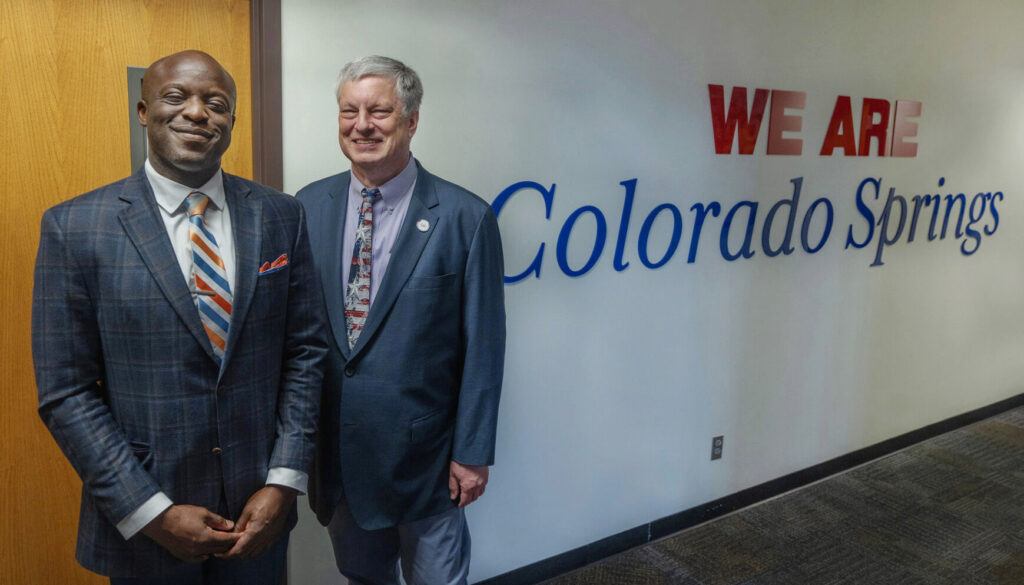
Wayne Williams joins city as Colorado Springs Mayor Mobolade’s new chief of staff
Brennen Kauffman
brennen-kauffman@coloradopolitics.com
Updated 15 hours ago
Wayne Williams will be the next chief of staff for Colorado Springs Mayor Yemi Mobolade, turning the two former election opponents into partners in city government. The two officially announced the hire Thursday, citing Williams’ decades of experience with city,...
PREV
PREVIOUS

Coloradans remember Bob Briggs, 'the epitome of a statesman'
Former Rep. Bob Briggs, a Westminster Republican who served one term in the Colorado House, on Dec. 2 died of a heart attack. He was 83 years old and just three weeks shy of his 84th birthday. He is survived by his wife, two children, Christy (Briggs) Meiers of Erie and Robert “Chip” Briggs of Rocky […]

NASA’s $160M contract has big implications for Colorado
NASA awarded Denver-based Voyager Space, Lockheed Martin and Nanoracks a $160 million contract to design Starlab, a new commercial space station to replace the International Space Station, the companies announced Thursday. Dylan Taylor, chief executive and chairman of Voyager Space, told The Denver Gazette on Wednesday that the contract means the aerospace company will need […]