

Weighty ‘third staff draft’ congressional redistricting map proposal to come Thursday
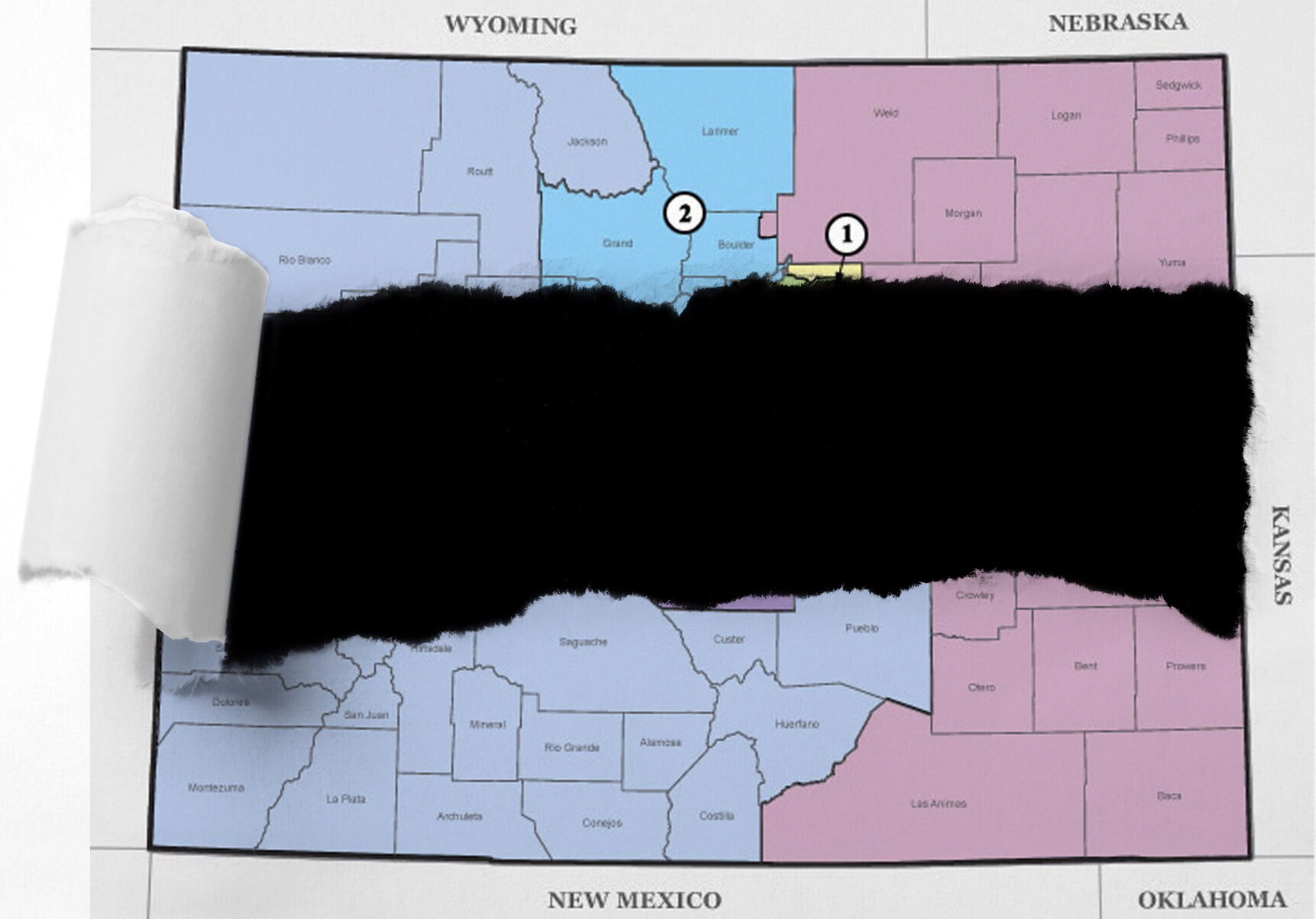
Colorado’s independent congressional redistricting commission will release a new draft map Thursday — the first in a series of drafts that comes with a trigger that could lead to it being the final map, sent to the state supreme court for review and approval, then used for the next decade.
The map coming Thursday will be the “third staff plan” draft map, following a “preliminary plan” draft map released in late June, and two subsequent “staff plan” draft maps. Each plan used different approaches to the state’s soon-to-be eight-district U.S. House map, and each was required to reflect the commissioners’ guidance and public input received at dozens of hearings or through the online public input submission portal.
After the third staff plan is released, the commission will have five days to hold more meetings and vote to adopt a final map for submission to the supreme court.

Colorado congressional redistricting commission's latest map refines 'southern district' concept
The 12-person commission — made of four Democrats, four Republicans and four unaffiliated Colorado voters — can consider and vote to adopt a final map from any number of maps that have been submitted to or considered by the commission in public hearings, but if the commissioners cannot agree on a map — by a vote of at least eight commissioners, including at least two unaffiliated commissioners — then the third staff plan will be submitted to the supreme court for approval.
The most recent draft plans have gravitated toward a “southern district” concept, which is built around the idea of keeping together Colorado’s rural Hispanic voters, who are concentrated in pockets throughout the southern half of the state.
The recent drafts also include a new 8th Congressional District proposal that stretches from the northern Denver-metro area north toward Greeley, which is also designed to empower Hispanic voters.
Denver, in the maps’ proposed 1st Congressional District, and the Colorado Springs area, in the maps’ proposed 5th Congressional District, are largely kept whole in the most recent drafts as well.
The commissioners remain divided over several issues, and recent meetings have become heated as commissioners have clashed and sometimes impugned one another’s’ motives.

Coordinated persuasion efforts emerge in Colorado redistricting commissions’ public comments
The commissioners have butted heads on issues like how best to group Hispanic communities around the state and comply with federal Voting Rights Act requirements intended to empower minority voters, both in the southern part of the state, as well as in parts of northern Colorado, like in Greeley and surrounding areas in Weld County.
Some commissioners have opposed the “southern district” concept, in favor of the more expansive “two-rural districts” concept that was the foundation of the preliminary plan’s configuration.
Some commissioners have also argued that county boundaries should be reflected in the district lines where possible, while others have proposed dividing the state’s more populous counties.
They’ve also disagreed over the importance of competitive districts, where the political makeup of the district means candidates from either party could win. Competitive districts are seen as more responsive to the changing attitudes of voters from election to election, as well as better at producing moderate candidates. The most recent “second staff plan” draft map would result in three solid Republican districts, three solid Democratic districts, one Democratic-leaning district and one competitive district with a slight Democratic-lean. That follows the “first staff plan” draft map’s two solid Republican districts, three solid Democratic districts, one Republican-leaning district, one Democratic-leaning district, one competitive district. The “preliminary plan” map had three solid Republican districts, four solid Democratic districts and one competitive district.

Unregistered redistricting lobbying complaint to receive full investigation after Colorado secretary of state approves probe
The rules around redistricting, which are in the state constitution and federal voting laws, have cascading criteria that must be followed.
In the end, each district must be contiguous and within one person of the target population: 721,714. The state’s minority communities must also not have their voting power diluted. Then, “communities of interest” should be kept whole; districts should be compact to the extent possible; political subdivision boundaries, like county and municipal boundaries, should be respected where possible; and finally competitive districts should be created where possible and after adhering to the other criteria.
The commissioners will meet more in the coming days to evaluate map plans and possibly vote to adopt a final map by Sept. 28, so that the supreme court filing can be submitted by Oct. 1.
Colorado Politics Must-Reads:

Proposed data center regulation in Colorado draws critics, backers
Scott Weiser
scott.weiser@gazette.com
Updated 24 minutes ago
A packed marathon hearing at the state Capitol in Colorado highlighted the sharp divide between two competing approaches to the effects of data centers, one of America’s fastest-growing technology sectors. Data centers are the physical facilities that host the servers,...

Conservation Colorado proposes measures aimed at oil and gas companies
Marissa Ventrelli
marissa.ventrelli@coloradopolitics.com
Updated 5 minutes ago
The environmental group Conservation Colorado has introduced four ballot measures it says are in response to an initiative that aims to enshrine Colorado businesses’ and consumers’ right to purchase and sell natural gas in the state’s Constitution. Filed with the...
Evacuations partially lifted as officials give updates on 3 wildfires burning in southern Colorado
Nick Smith
nick-smith@coloradopolitics.com
Updated 2 hours ago
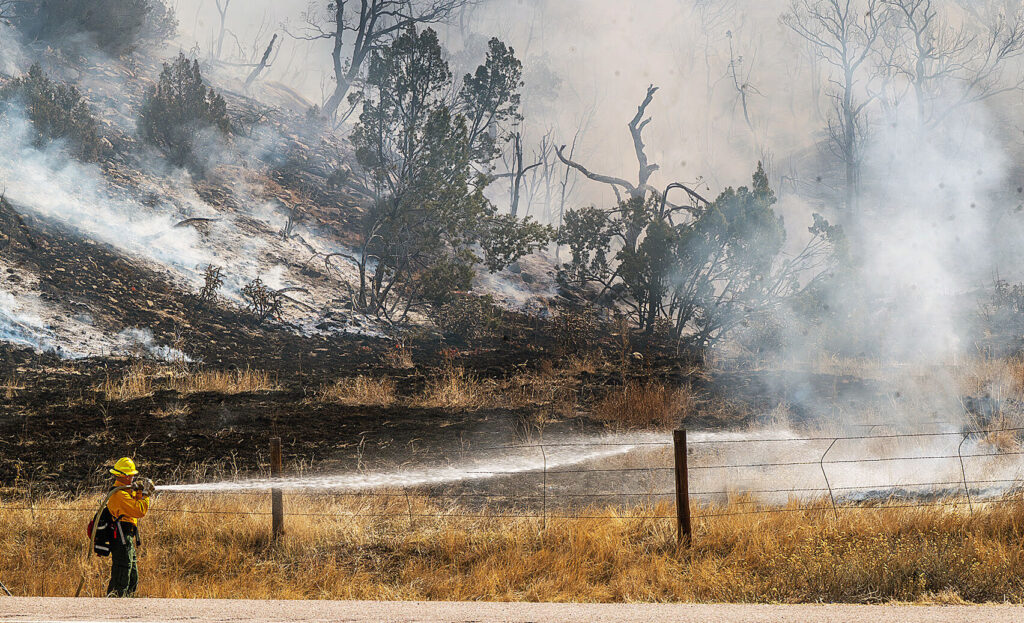
As containment for a Custer County wildfire reaches 75%, county officials are saying Saturday is expected to be “much worse” fire weather. The wildfire prompted several evacuations near Westcliffe on Wednesday, covering a two-mile radius that included around 98 structures....

Colorado revenue forecast worsens, pushing 2026-27 budget shortfall to nearly $1.5B, economists say
Marianne Goodland
marianne.goodland@coloradopolitics.com
Updated 2 hours ago
The March revenue forecasts from economists in both the governor’s office and the Colorado legislature show that cuts to the 2026-27 budget are far from over. Economists with the Legislative Council downgraded the forecast for the 2026-27 budget year by...
Federal judge to consider sanctioning ex-Colorado judicial discipline director
Michael Karlik
michael.karlik@coloradopolitics.com
Updated 4 hours ago
A federal judge ordered Colorado’s former head of judicial discipline on Wednesday to explain why she should not sanction him for making inaccurate statements about the defendants in his lawsuit against the Colorado Supreme Court and related entities. U.S. District...
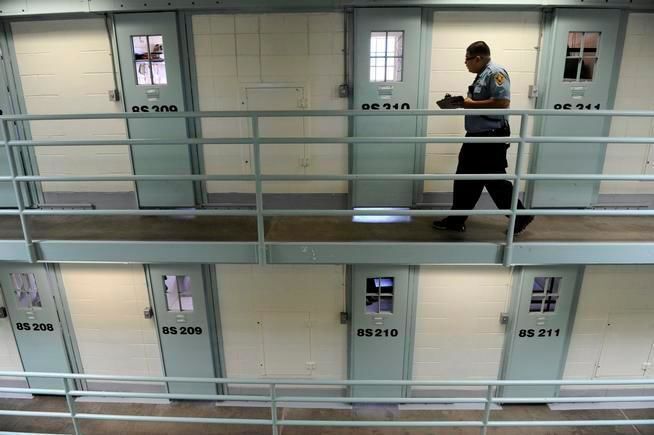
With jails overcrowding, Gov. Jared Polis asks for new prisons as state faces $1.5 billion shortfall
Marianne Goodland
marianne.goodland@coloradopolitics.com
Updated 55 minutes ago
The Polis administration is asking for hundreds of millions of dollars to expand the state’s prison system, just as Colorado’s legislators are bracing for a worsening fiscal outlook. The request sets up a clash over priorities at a time when...
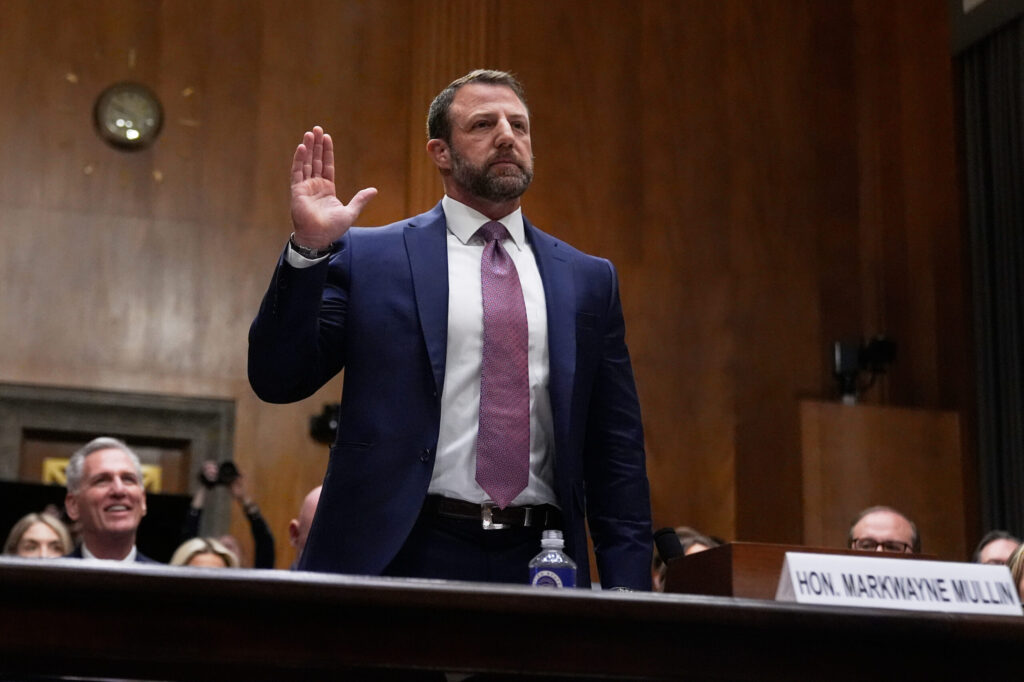
Mullin’s DHS nomination advances to full Senate despite opposition from Republican Rand Paul
Meg Kinnard
meg.kinnard@associatedpress.com
Updated 6 hours ago
WASHINGTON (AP) — Sen. Markwayne Mullin moved a step closer to becoming President Donald Trump’s next homeland security secretary after a Senate committee Thursday narrowly advanced his nomination. The 8-7 vote came after a contentious hearing Wednesday and sent the...

Costs explode for Colorado program covering pregnant women and children living in the U.S. illegally
Marianne Goodland
marianne.goodland@coloradopolitics.com
Updated 23 hours ago
A state program providing health care to pregnant women and children living in the country illegally is costing far more than lawmakers expected, with expenses nearly tripling in just a year and threatening to squeeze Colorado’s budget amid a $1...
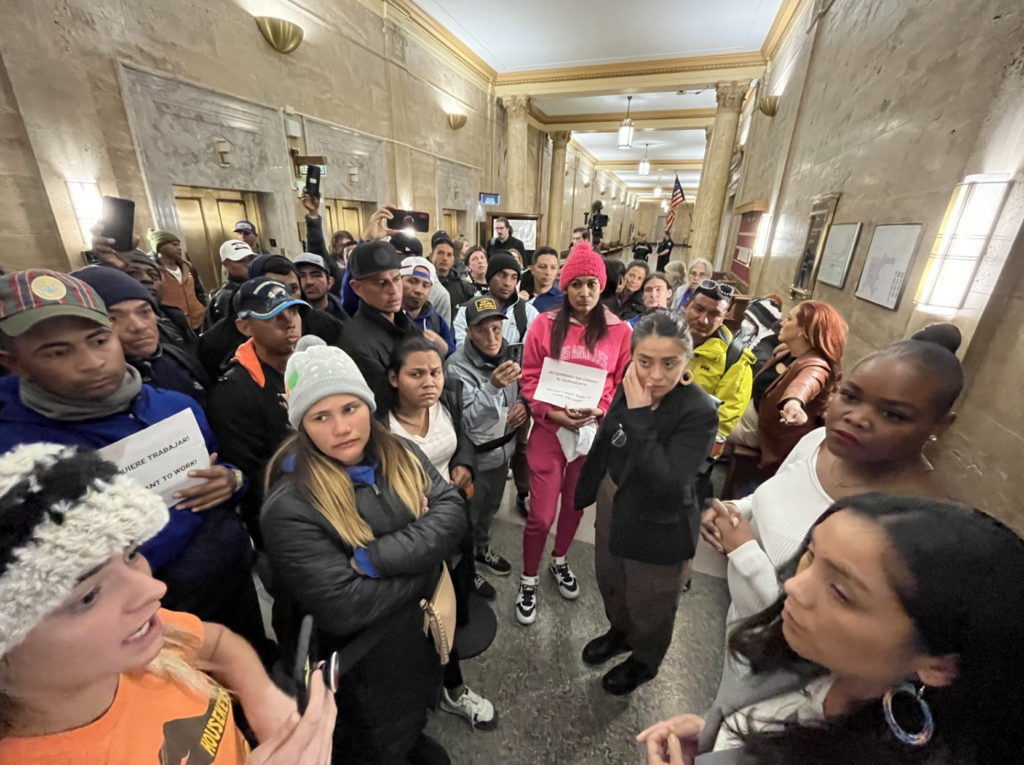
Costs explode for Colorado program covering pregnant women and children living in the U.S. illegally
Marianne Goodland
marianne.goodland@coloradopolitics.com
Updated 7 hours ago
A state program providing health care to pregnant women and children living in the country illegally is costing far more than lawmakers expected, with expenses nearly tripling in just a year and threatening to squeeze Colorado’s budget amid a nearly...
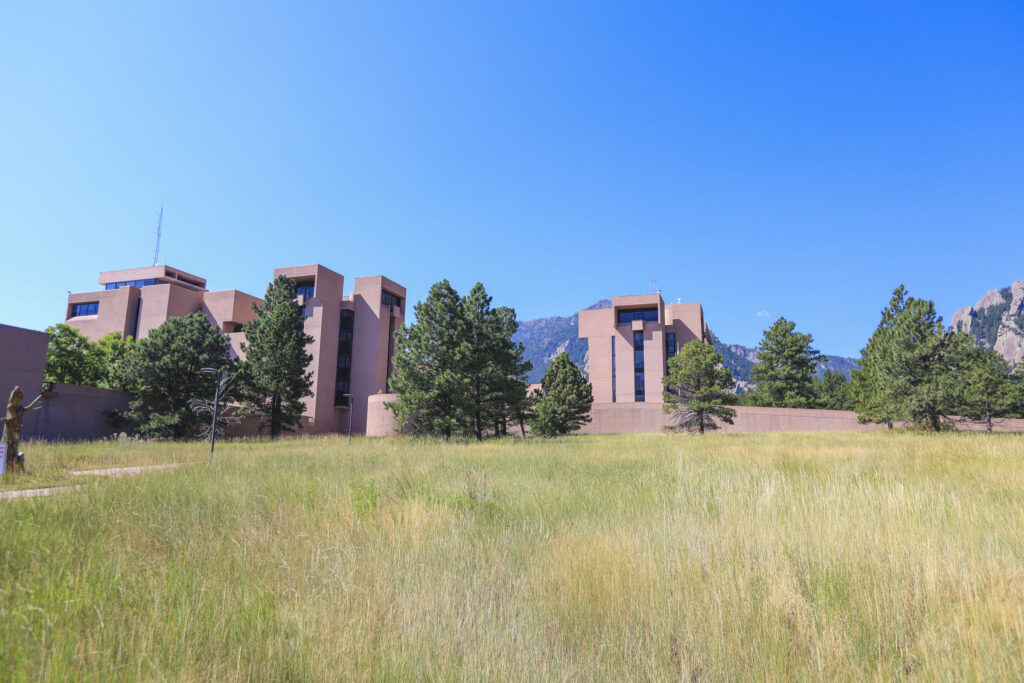
Universities sue to block dismantling of Boulder’s NCAR
Scott Weiser
scott.weiser@gazette.com
Updated 3 hours ago
A consortium of universities filed a federal lawsuit Monday, alleging the Trump administration’s plan to dismantle the National Center for Atmospheric Research is unlawful retaliation against Colorado. The group also argued that the move violates federal law. The University Corporation...