

DC DOINGS | Ken Buck, Joe Neguse team up on antitrust bill; Michael Bennet trumpets child tax credit
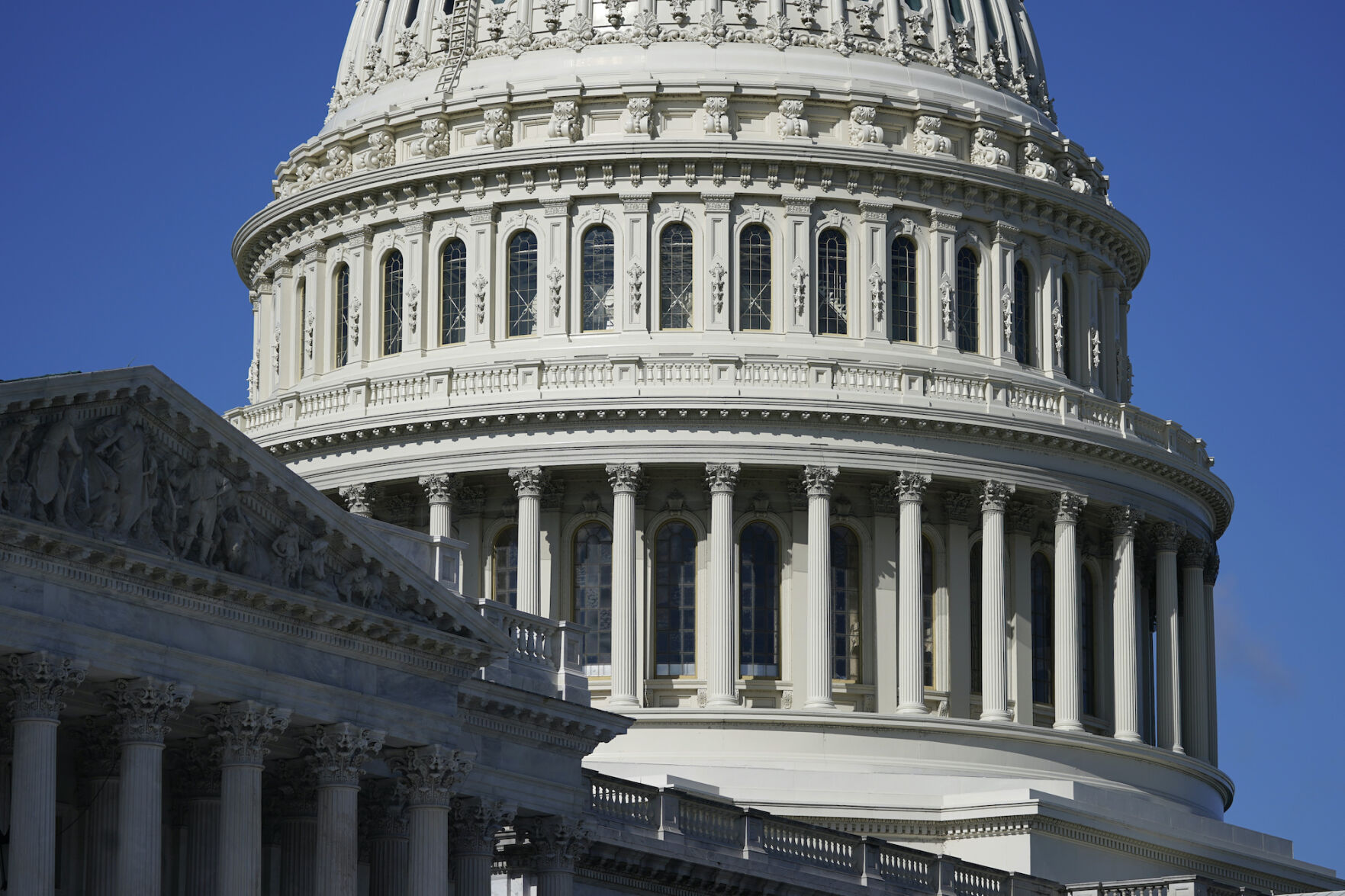
Welcome to DC Doings, a weekly look at the Colorado congressional delegation’s activity.
Both the House and Senate were in session this week. The Senate won’t be in session the week of June 28, and both chambers will be back home or on the road the following week of July 5 for the Fourth of July recess.
Republican Rep. Ken Buck and Democratic Rep. Joe Neguse could be about as far apart on the ideological spectrum as any two members of Colorado’s D.C. contingent, but the two have also found common purpose on legislation as often as any pair of the state’s lawmakers.
This week, a bipartisan bill sponsored by Neguse, co-sponsored by Buck and touted as the most aggressive effort to strengthen antitrust laws in memory made it out of a key House committee.
The Merger Filing Fee Modernization Act would update merger filing fees for the first time since 2001 – raising the fees for large deals and lowering them for smaller deals – to fund antitrust enforcement agencies.
It’s part of a package introduced earlier this year by members of the House Judiciary Committee’s Subcommittee on Antitrust, Commercial and Administrative Law, where Buck serves as ranking member, the senior member of the minority party.
The legislative package is the result of a 16-month investigation undertaken by lawmakers in the last Congress into competition in the digital marketplace, which found tech giants Amazon, Apple, Facebook and Google were dominating their markets. As part of that investigation, Neguse held a field hearing in Boulder to hear from Colorado companies that do business in the digital realm.
The committee passed all six bills on to the full House.
Neguse, who headed Colorado’s Department of Regulatory Agencies before his election to Congress in 2018, said in a statement that his background running the state’s consumer protection agency means he knows how important it is to have adequate resources to enforce laws and regulations.
“That is why my bipartisan legislation will update merger filing fees for the first time in over a decade, ensuring that parties to larger mergers pay their fair share and consumers don’t have to foot the bill for these necessary and long-overdue increases to antitrust agency enforcement budgets,” he said.
Watch Neguse’s June 23 testimony during the subcommittee’s markup of the legislation here:
Buck cheered the subcommittee’s action the next day, June 24, after members finished voting out the last of the bills in the package.
“If enacted into law, these narrowly tailored bills will prohibit Big Tech companies from abusing their market dominant position to crush small businesses, harm innovation, distort and destroy the free market, trample on consumers, and silence conservatives,” he said in a statement.
“Big Government created Big Tech monopolists through antitrust amnesty. The conservative thing to do is to hold Big Tech accountable. I urge all my colleagues to support this legislation and I look forward to its swift passage on the House floor.”
THE MORE YOU KNOW … Democratic Sen. Michael Bennet, Colorado’s senior senator, took to the Zooms on June 21 – on what had been declared a national awareness day – to help boost awareness of a new federal benefit for families that backers say could be a game-changer.
The expanded child tax credit program starts paying money monthly, directly to qualifying parents on July 15 – $250 a month for children ages 6-17 and $300 a month for children under 6 – but some parents, including those who haven’t had to file taxes recently, need to sign up online to get the funds.
Pushed by Bennet for years, the program became reality in March when President Joe Biden signed the Democrats’ $1.9 trillion pandemic relief bill.
A study predicts the credit will slash child poverty in the U.S. by nearly 50%, though it’s only in place for one year, so Bennet is trying to build support to make it permanent.
“Washington has cut taxes over and over again since 2001 for the wealthiest Americans,” Bennet said in an online presentation about the credit. “This is an opportunity now to make sure we do the right thing for working Americans and for the middle class on the back end of this pandemic.”
IN THE HOPPER … Rep. Lauren Boebert on June 23 introduced a bill to censure Biden in an effort to hold the president accountable for what the Silt Republican called his “dereliction of duty” enforcing federal immigration laws at the southern border.
Twenty-two House Republicans joined Boebert sponsoring the resolution, which also calls on Biden to fire Homeland Security Secretary Alejandro Mayorkas.
“My censure bill holds President Biden accountable for his actions – or lack thereof – at the border,” Boebert said in a statement.
“Biden has refused to enforce the laws securing our border, he has refused to visit our border, his border czar Kamala has refused to visit the border, and his Secretary of Homeland Security is lying to the American people by saying that our border is closed. Not only has Biden done nothing to secure the border, he has actively made it worse by implementing policies that incentivize illegal immigration like amnesty, catch and release, and abolishing the remain in Mexico policy.
“The result of Biden’s mismanagement is staggering, and the numbers speak for themselves.”
? Bennet joined with Democratic Sens. Jon Ossoff and Raphael Warnock of Georgia and Debbie Stabenow of Michigan to introduce a bill meant to boost domestic solar energy equipment manufacturing in the U.S. by providing tax credits to American manufacturers at every stage of the supply chain.
Based on an analysis by the Colorado-based National Renewable Energy Laboratory, the Solar Energy Manufacturing for America Act could lead to tens of thousands of American jobs in the rapidly expanding solar field, Bennet’s office said.
“Colorado has led the way on solar power, demonstrating the clear economic benefits of investing in this industry,” Bennet said in a statement.
“To compete on the global stage with countries like China, we should ensure long-term growth of America’s solar industry by supporting domestic solar manufacturing at every stage. This legislation is one of our best opportunities to create good-paying jobs, improve our infrastructure, and secure our supply chain all while tackling climate change.”
? Sen. John Hickenlooper, Colorado’s junior senator, joined with fellow Democrat Sen. Maggie Hassan of New Hampshire on June 22 to introduce a bill to guarantee collective bargaining rights for firefighters and emergency medical service providers.
The Firefighters and EMS Employer-Employee Cooperation Act would establish a federal right for emergency service personnel to join a union – a right they currently enjoy in Colorado and New Hampshire, among other states, but are prohibited from doing in some states.
“Firefighters and emergency personnel look out for our safety every day, and it’s time for the federal government to look out for theirs,” said Hickenlooper, chair of the Senate Health, Education, Labor and Pensions Committe’s Subcommittee on Employment and Workplace Safety, in a statement. “This bill guarantees their right to negotiate for healthy working conditions and a living wage.”
? Bennet introduced bipartisan legislation aimed at reducing evictions amid what sponsors call a “national housing crisis holding back millions of American families who are struggling to ascend into the middle class.”
The Eviction Crisis Act of 2021 would create a national database to track evictions and fund a comprehensive study of laws affecting the landlord-tenant relationship and different factors in urban, suburban and rural settings. It would also help state and local governments reduce evictions, including by expanding community courts devoted to resolving eviction disputes, and create an emergency assistance program to aid those facing eviction.
Bennet said in a statement that he hears from Coloradans who say a single event – illness, car accident or other emergency – can wreck their lives, including by leading to an eviction that can take years to recover from.
“The COVID-19 pandemic only worsened this deep national crisis,” he said. “The hardship caused by eviction is agonizing for the millions of American families evicted every year, and it’s past time for us to invest in comprehensive solutions to prevent avoidable evictions.”
The legislation is also sponsored by Republican Sens. Rob Portman of Ohio and Todd Young of Indiana, and Democratic Sen. Sherrod Brown of Ohio.
? Rep. Diana DeGette, a Denver Democrat, teamed up with Bennet and others to introduce a bipartisan, bicameral bill on June 24 aimed at making sure the country is better prepared to respond to future health emergencies by taking several steps to improve diagnostic testing capabilities.
Among numerous provisions, the Verifying Accurate Leading-Edge IVCT Development – or VALID – Act would lift a federal requirement that diagnostic tests be approved by the U.S. Food and Drug Administration before their use during a public health emergency Instead, the bill would allow hospitals and labs to use tests they’ve validated immediately to screen patients while the FDA reviews their application for emergency approval.
“If we’ve learned anything from combatting the spread of highly contagious viruses – such as MERS, SARS, Ebola and now COVID-19 – it’s that time is of the essence,” DeGette said in a statement.
“We can’t allow an outdated and inefficient system to hold us back when trying to respond to an emerging threat, such as the coronavirus. This legislation will ensure that our hospitals and laboratories have the ability to respond quickly, accurately and efficiently to help us detect and stop the spread of these diseases before it’s too late.”
Said Bennet, in a statement: “The rise in diagnostic innovation has produced more complex tests, which require the highest standards to ensure safety. By creating a new FDA regulatory process for diagnostic tests, our VALID Act would protect patients, create certainty to support innovation, and improve health outcomes for all Americans.”
Republicans Rep. Larry Bucshon of Indiana, a physician, and Sen. Richard Burr are also original sponsors of the bill in the House and Senate, respectively.
? Hickenlooper on June 24 introduced a bill to establish a $500 million in federal grants to help states and municipal governments build more parks in areas that have been under-served.
The Parks, Jobs and Equity Act is an effort to bridge the gap between the estimated two-thirds of children who have nearby access to the outdoors and the one-third who don’t, Hickenlooper’s office said in a release.
In Colorado, that translates to 34% of white residents living in “nature-deprived” areas, compared to 56% of minority residents, the release said.
“Our public parks belong to everyone, but they aren’t always accessible,” Hickenlooper said in a statement. “Our bill will create more equitable parks to give Colorado kids better access to nature.”
Democratic Sen. Alex Padilla of California also sponsored the bill.
? Rep. Ed Perlmutter, an Arvada Democrat, introduced a bil on June 24 to encourage more energy efficient housing while boosting jobs in the green construction field.
The Green Neighborhoods Act of 2021 would require the U.S. Department of Housing and Urban Development to set energy efficiency standards and incentives for new and existing housing structures, tying eligibility for incentives to how efficient they are. It would also make available a standardized report for single-family homes to make sure efficiency improvements are reflected in the appraisal process.
Noting that last year tied for the hottest year on record, Perlmutter said in a statement: “The time is now to act to reduce our carbon footprint and combat climate change. By encouraging the development of greener, more sustainable communities, we can prioritize energy conservation and sustainable development and make energy efficiency practices more affordable and accessible while creating new jobs in the green economy.”
TWEET OF THE WEEK … Rep. Jason Crow, an Army veteran and Centennial Democrat, on June 25 introduced a bill to name the new Veterans Administration outpatient clinic in Aurora after Lt. Col. John W. Mosley, a Colorado native who served in World War II with the Tuskegee Airmen – and continued to serve in the Korean and Vietnam wars until retiring from the Air Force in 1970.
Mosely, who lived in Aurora, broke barriers back home as the first Black football player at Colorado State University and as a civil rights activist. His wife, Edna Mosley, was the first Black member of the Aurora City Council, serving three terms as an at-large member.
“LTC John Mosley was a trailblazer who broke down barriers wherever he went, from college football to the United States Air Force,” said Crow in a statement.
“His commitment to serving his nation and our community in the face of discrimination is an inspiration and reminder to us all that the promise of this country is in those who are determined to improve our imperfections. We are forever grateful for his service to this country and it is an honor to introduce legislation to name the new Aurora VA facility after LTC Mosley.”


Colorado, Utah mourn after 3 firefighters killed in wildfires
Nicholas Fogleman
nicholas.fogleman@denvergazette.com
Updated 12 hours ago
Gov. Jared Polis on Sunday mourned the deaths of three firefighters killed while battling a wildfire on the Colorado-Utah border, calling the loss a tragedy for the state and the firefighting community. The firefighters died Saturday while responding to a...
Understanding Trump’s remarkable political comeback in 2024 | Cronin and Loevy
Tom Cronin Bob Loevy
tom-cronin-bob-loevy@coloradopolitics.com
Updated 10 hours ago
President Donald Trump lost the 2020 presidential election. He inspired a riot at the U.S. Capitol to try to overthrow the results of that election. He was impeached by the U.S. House of Representatives and later was indicted for several...

Heat, wind and drought conditions spark wildfires across US West | OUT WEST ROUNDUP
Ernest Luning
ernest.luning@coloradopolitics.com
Updated 22 hours ago
Heat, drought spark wildfires Extreme heat and dry, windy conditions fueled several wildfires in the West on June 21, including an uncontained blaze in Utah that forced the evacuation of a small town southwest of Salt Lake City. The Iron...
Crank challenger Jessica Killin signs on to new centrist Democratic group’s ‘Promise to America’
Ernest Luning
ernest.luning@coloradopolitics.com
Updated 19 hours ago
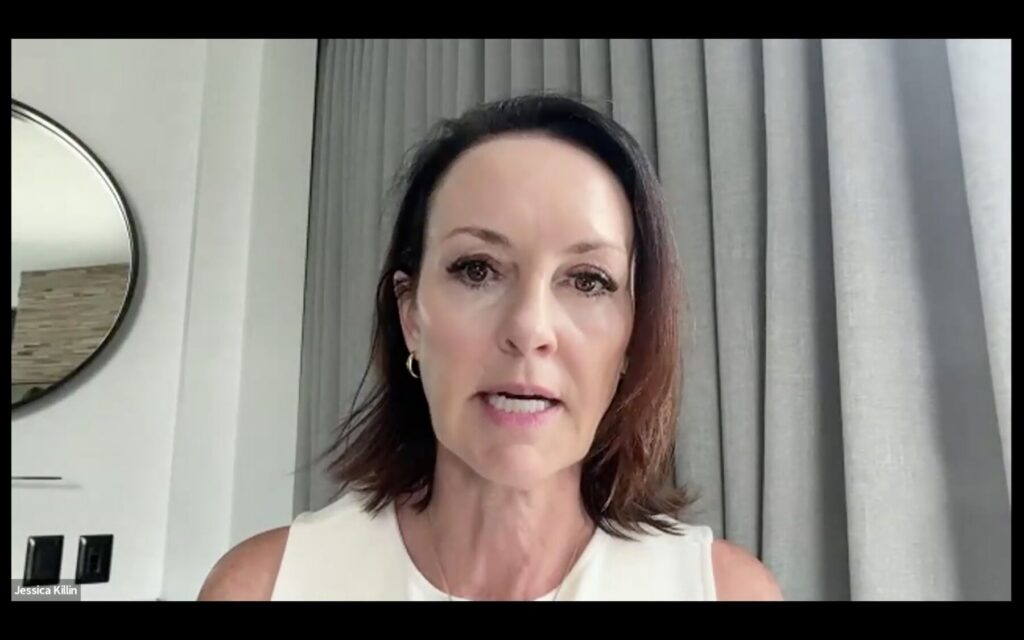
Jessica Killin, one of the Democrats running in Tuesday’s primary for the chance to challenge U.S. Rep. Jeff Crank in Colorado’s 5th Congressional District, joined with more than a dozen incumbent Democratic lawmakers and candidates this week signing on to...

Colorado Politics Calendar June 29-July 5
Rachael Wright, Special to Colorado Politics
rachael.wright@coloradopolitics.com
Updated 5 days ago
CoPo’s weekly political calendar will help you find political and public-policy events throughout Colorado. It includes candidate and issue campaign events, public policy meetings, court hearings, state and local party conventions, assemblies, debates, rallies, parades, speaking engagements, traveling dignitary appearances,...
Gov. Lamm’s GOP challenger gives insights into his campaign | A LOOK BACK
Rachael Wright, Special to Colorado Politics
rachael.wright@coloradopolitics.com
Updated 5 days ago
Forty-five years ago this week: “I see Gov. (Richard) Lamm is fairly popular in general,” said gubernatorial candidate and state Sen. Bill Hughes, R-Colorado Springs. “ … And he’ll be hard to beat.” Hughes was on a whirlwind campaign trail...

Giving credit to Polis where credit is due | SONDERMANN
Eric Sondermann
eric-sondermann@coloradopolitics.com
Updated 5 days ago
It is an understatement to suggest that Gov. Jared Polis has had a tough couple of months. The bloom was already off the rose and Coloradans were paying far more attention to the choice of his replacement than they were...

Bennet, Hickenlooper to vote against Trump’s 10th Circuit nominee from Colorado
Michael Karlik
michael.karlik@coloradopolitics.com
Updated 2 days ago
Colorado’s two Democratic senators will not vote to confirm President Donald Trump’s nominee to a vacancy on the Denver-based federal appeals court. Trump has selected U.S. District Court Chief Judge Daniel D. Domenico, who he appointed as a federal trial...
Who’s spending in Colorado to get your vote?
Marianne Goodland
marianne.goodland@coloradopolitics.com
Updated 2 days ago
Groups that raise unlimited amounts of money have spent about $20 million in May and June to try and influence Colorado voters’ choices in the upcoming June 30 primaries. By law, these groups cannot coordinate with the candidates they support....

U.S. government declines to oppose multiple challenges to immigration detention in Colorado
Michael Karlik
michael.karlik@coloradopolitics.com
Updated 2 days ago
Multiple federal judges in Colorado granted petitions from people challenging the lawfulness of their immigration detention this week after the government took the unusual step of declining to submit arguments in opposition. Colorado’s federal trial court is facing a flood of...
PREV
PREVIOUS

CDOT spent at least $3.2 billion through procurement practices in past decade that didn't rely on traditional low-bid pricing
Over roughly the past decade at least $3.2 billion of the state’s transportation constructions projects used “alternative delivery” programs that steered clear of strict low-bid procedures, sending about 80% of that money to projects involving two contractors, a review of the Colorado Department of Transportation’s procurement processes by The Gazette found. The newspaper’s review further […]

Johnson & Johnson reaches $230 million settlement with New York to end opioid business
Johnson & Johnson has reached a settlement with the state of New York to end its opioid business, the corporation confirmed on Saturday. As part of the agreement, Johnson & Johnson is ordered to pay $230 million to New York, as well as an additional $30 million in the first year if the state passes […]