

As minority vaccination rates lag, Denver prepares messaging campaign targeting immigrants, refugees
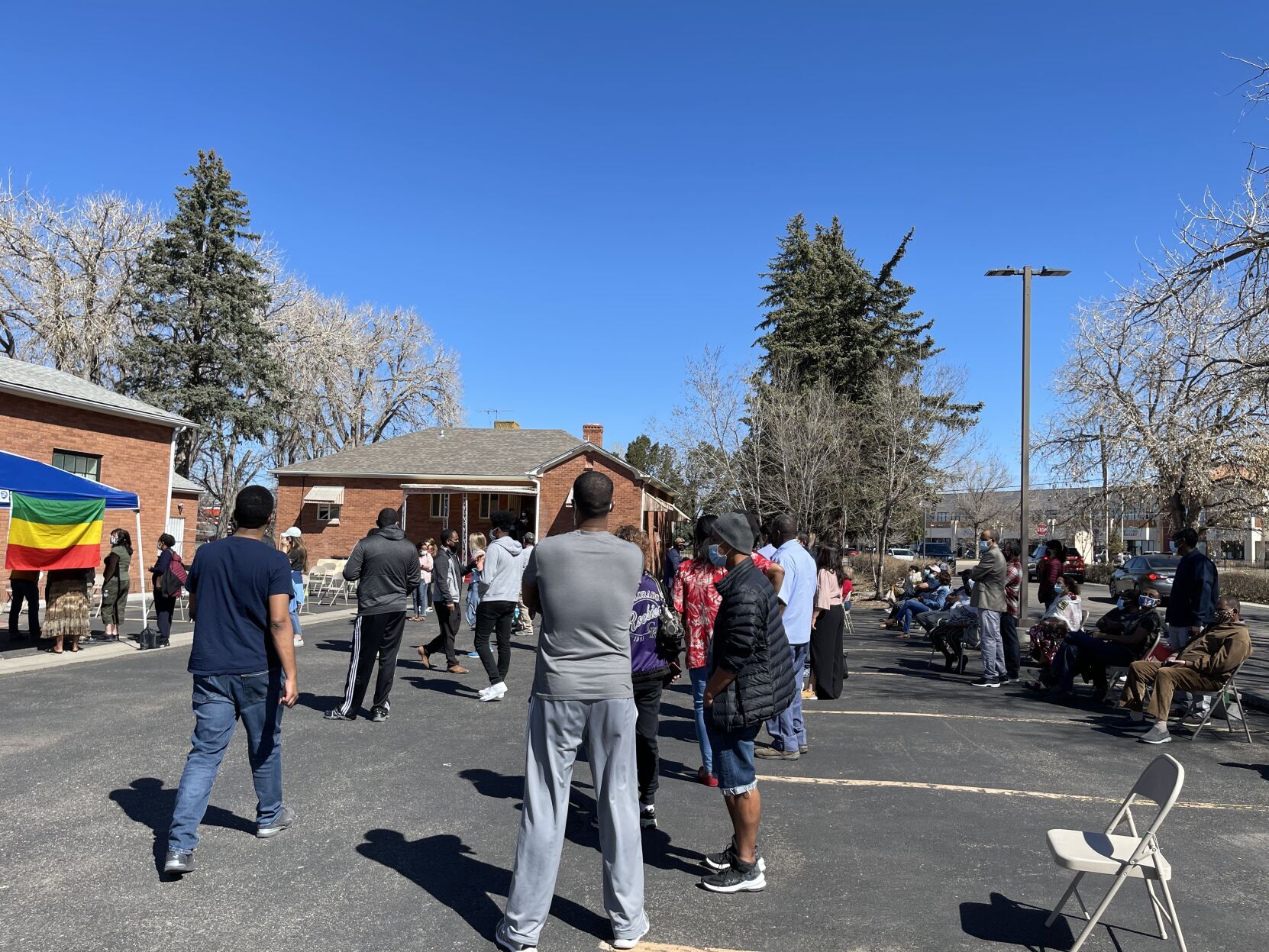
Last week, Denver passed a significant threshold: 70% of its eligible population had been vaccinated, a nearly a month ahead of the goal set by President Joe Biden.
But that rate is buoyed by significant uptake among white residents: Nearly 80% of white Denverites have been vaccinated, said Tony Diaz, the vaccination branch director for the city’s Department of Public Health and Environment.
For Denver’s non-white residents, the rates look far different. Just 36% of the Latino community and 46% of African American residents have been vaccinated, Diaz said.
“When you see that and you compare that to non-white Hispanic residents … you start to understand the disparity,” he said Wednesday.
Since the beginning of vaccine distribution months ago, officials in Colorado and across the country have talked up the need to improve vaccine confidence and trust in minority communities. Those groups have both been hit disproportionately hard by the pandemic and have historical reasons to question the medical field.
Though much of that lag has been attributed to hesitancy, community organizations and advocates have said the problems are exacerbated by poor access to vaccines. Language, transportation and sign-up barriers have helped depress uptake among certain populations, obstacles that Denver and state officials have said for months that they’re working to address.
Now, Denver officials have been working for a few weeks on a new messaging and outreach campaign targeting Denver’s refugee and immigrant community, Diaz said. The effort will revolve around public communications: flyers, posters and text messaging, all of which will be tailored to specific minority groups with different languages and cultural backgrounds.
The overall goal is to reduce hesitancy, Diaz said. The new effort will augment the city’s current social media and messaging campaign that’s targeting the broader Latino and Black communities.
But the problem isn’t just informational; the question of access remains prominent.
“We call them vaccine deserts,” Diaz said. “When you look at southwest Denver, there aren’t that many pharmacies and urgent cares and health care providers. While (doses are) readily available, you can go into King Soopers or Safeway or Walgreens, there’s just not that many storefronts down in those neighborhoods. It’s safe to say that it’s an access issue.”
The access problem has been apparent since the beginning of vaccine distribution, said Yoal Kidane Ghebremeskel, a co-founder and executive director of Street Fraternity, a community organization focused on young people.
“Transportation’s always an issue. Translation is always an issue,” Kidane Ghebremeskel said. ” … We very quickly saw that equitable vaccination was being talked about, but that vaccination sites were not provided” within the community that Street Fraternity served.
The community, he said, needed more walk-up clinics, and Street Fraternity and organizations like it needed enough pre-notice to do outreach. His group has helped establish pop-up clinics and have distributed hundreds of doses, and the improved communication has given the organization time to educate the community that the clinics are coming.
“I see it from the perspective that it’s much easier now,” Kidane Ghebremeskel said. “I think that speaks volumes to the collective effort that not only our services provide but all these groups and individuals working in the neighborhood consistently meeting. It takes that collective effort.”
Gov. Jared Polis has said that most, if not all, of the people who were immediately interested in getting vaccinated have already received a dose. Ghebremeskel echoed that and said the effort now must turn to the hesitant but not completely opposed crowd. That’s why getting information out — in different languages and not confined to websites — is vital, Kidane Ghebremeskel said.
“We have to meet the folks that need to be vaccinated where they are,” he continued. “Making it easier to have these vaccines be available where folks are, so that in places of their employment, in places of their education, in places of their residence, or in the immediate location that they’re well-informed about and that they frequent.”
“It is education and just sharing the correction about the vaccine,” Diaz said. “We’ve heard that certain community groups – there’s a lot of myths and misconceptions and misinformation running rampant on Facebook. Let’s educate those groups and debunk some of this.”
The Denver Gazette

Unsustainable: How Colorado’s Medicaid spending exploded
Nico Brambila
nico.brambila@denvergazette.com
Updated 15 hours ago
The state’s Medicaid program — which covers about one in four Coloradans — is poised for its largest single-year jump in at least two decades, with officials proposing a $2.3 billion increase, even as lawmakers face a $1.5 billion budget...

Phil Weiser wins top spot in Colorado’s Democratic gubernatorial primary at party’s state assembly
Ernest Luning
ernest.luning@coloradopolitics.com
Updated 2 days ago
Attorney General Phil Weiser’s name will appear first on Colorado’s Democratic gubernatorial primary ballot after his overwhelming win Saturday at the party’s state assembly in Pueblo. Weiser joins U.S. Sen. Michael Bennet in the June 30 primary for the office...
‘No Kings’ protest draws tens of thousands to Colorado state Capitol
Matt Kyle
matt.kyle@denvergazette.com
Updated 2 days ago
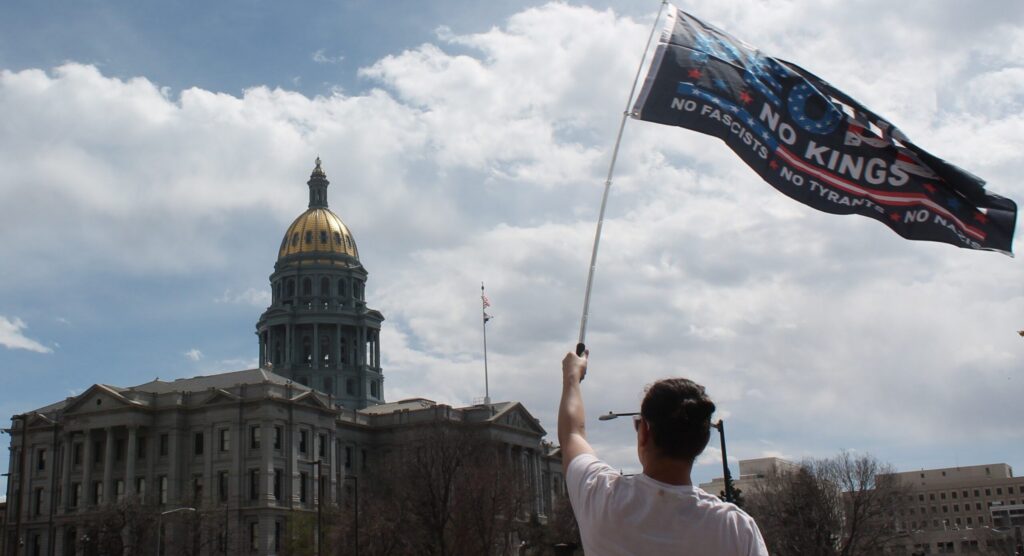
The third round of the national No Kings Day protests hit Denver Saturday, when tens of thousands gathered near the Colorado state Capitol to criticize the Trump administration. Organizers addressing the crowd estimated there were 30,000 present for the Saturday...
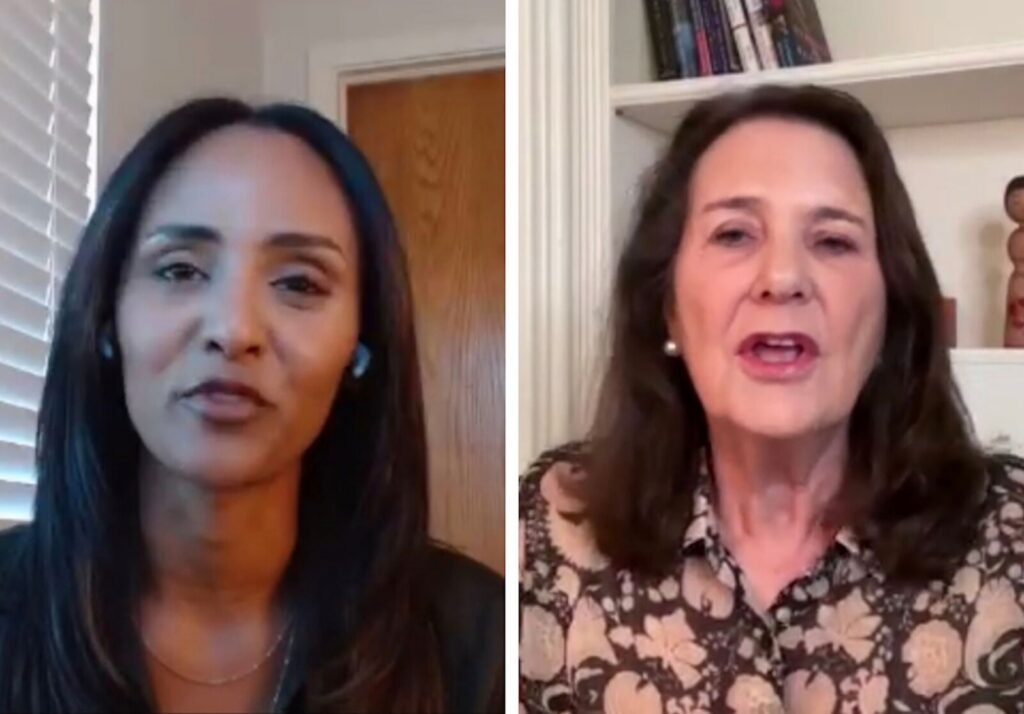
Denver Democrat Diana DeGette trails challenger Melat Kiros at assembly as both qualify for primary
Ernest Luning
ernest.luning@coloradopolitics.com
Updated 2 days ago
U.S. Rep Diana DeGette, a Denver Democrat, qualified for Colorado’s June primary by the skin of her teeth Friday at the party’s district assembly, where the 15-term incumbent received fewer than half as many delegate votes as her challenger, 28-year-old...
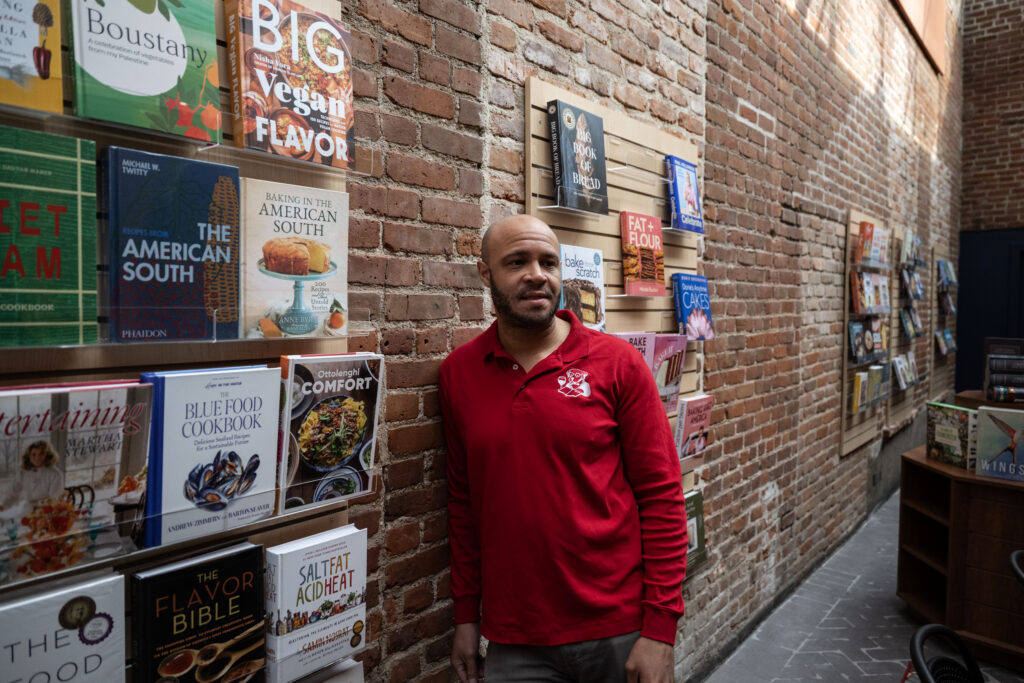
Kwame Spearman warrants plenty of criticism, not cancellation | SONDERMANN
By Eric Sondermann
by-eric-sondermann@coloradopolitics.com
Updated 4 days ago
All of us are flawed humans, some more so than others. This is the tale of Kwame Spearman who burst onto Denver’s business and political scene a handful of years back. His ride has taken a downhill trajectory. Within the...

Colorado Politics Calendar Mar. 30-Apr. 5
Rachael Wright, Special to Colorado Politics
rachael.wright@coloradopolitics.com
Updated 3 days ago
CoPo’s weekly political calendar will help you find political and public-policy events throughout Colorado. It includes candidate and issue campaign events, public policy meetings, court hearings, state and local party conventions, assemblies, debates, rallies, parades, speaking engagements, traveling dignitary appearances,...
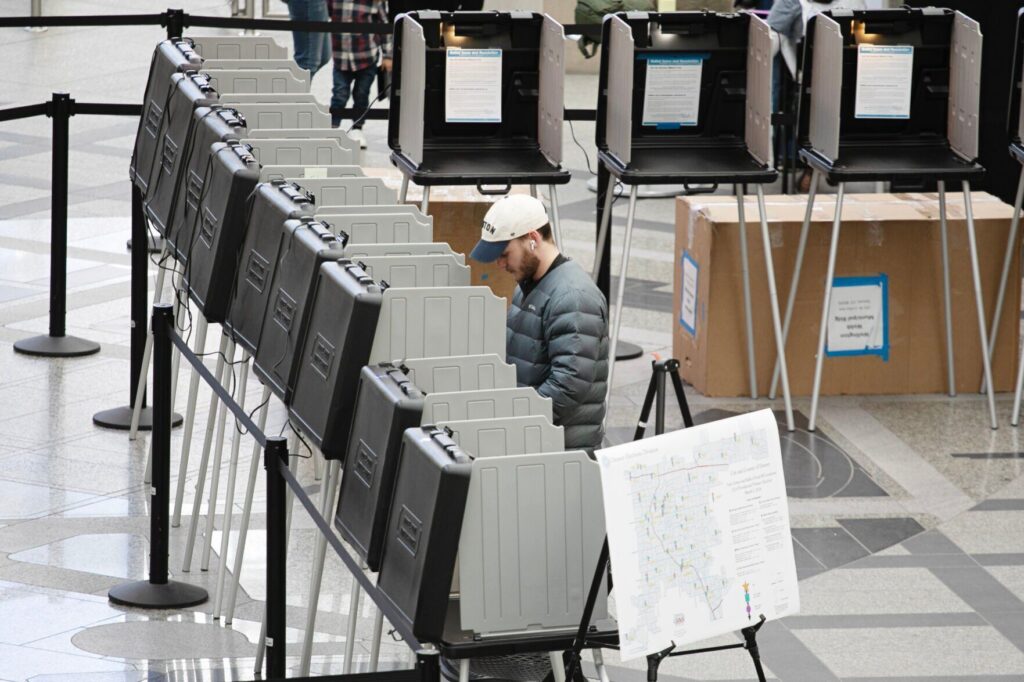
Federal judge upholds constitutionality of Colorado campaign contribution limits
Michael Karlik
michael.karlik@coloradopolitics.com
Updated 2 days ago
A federal judge upheld Colorado’s individual campaign contribution limits as constitutional on Thursday, finding that three Republican plaintiffs failed to prove the campaign finance framework violates their First Amendment rights. U.S. District Court Senior Judge John L. Kane recognized that...
Appeals court rejects theory that existing tax revenue undermines need for new fees
Michael Karlik
michael.karlik@coloradopolitics.com
Updated 3 days ago
Colorado’s second-highest court rejected a plaintiff’s claim on Thursday that the tax revenue generated by an existing activity should prevent local governments from imposing new fees aimed at regulating the activity. The question stemmed from Colorado’s unique constraints on taxation...
Colorado ski resorts announce early closures amid historic snowpack lows, high temperatures
Kyla Pearce
kyla.pearce@gazette.com
Updated 3 days ago
As Colorado’s historically low snowpack year comes to a close and spring conditions take over the mountains, the state’s major ski resorts are announcing closing dates — some of which are weeks before historic closing dates. Most of Colorado’s ski...

Marco Rubio’s star power rises at CPAC 2026
Mabinty Quarshie and Samantha-Jo Roth, Washington Examiner
mabinty.quarshie.and.samantha-jo.roth.washington.examiner@gazetteedit.wpenginepowered.com
Updated 3 days ago
GRAPEVINE, Texas — Secretary of State Marco Rubio’s popularity is growing and could possibly boost him to one of the top two spots in the 2028 GOP presidential race, if attendees at the Conservative Political Action Conference are to be believed. ...
PREV
PREVIOUS

Downtown Denver’s Business Improvement District up for 10-year renewal
The Downtown Denver Business Improvement District is again up for renewal after 30 years of operation, with the City Council set to vote this month on extending the organization for another decade. The Business Improvement District is a public organization funded by about 400 downtown property owners. It’s mandate is to supplement city services to […]
Denver Mayor’s office circles the wagons around DIA CEO nominee
Ever since the Denver Gazette first broke the story in Colorado that the organization Phil Washington last headed is under investigation in Los Angeles County, Mayor Michael Hancock’s office has circled the wagons around its appointee to become Denver International Airport’s CEO. Washington left his post as head of Los Angeles County Metropolitan Transportation Authority […]