

Bill to ban use of American Indian mascots wins bipartisan committee approval

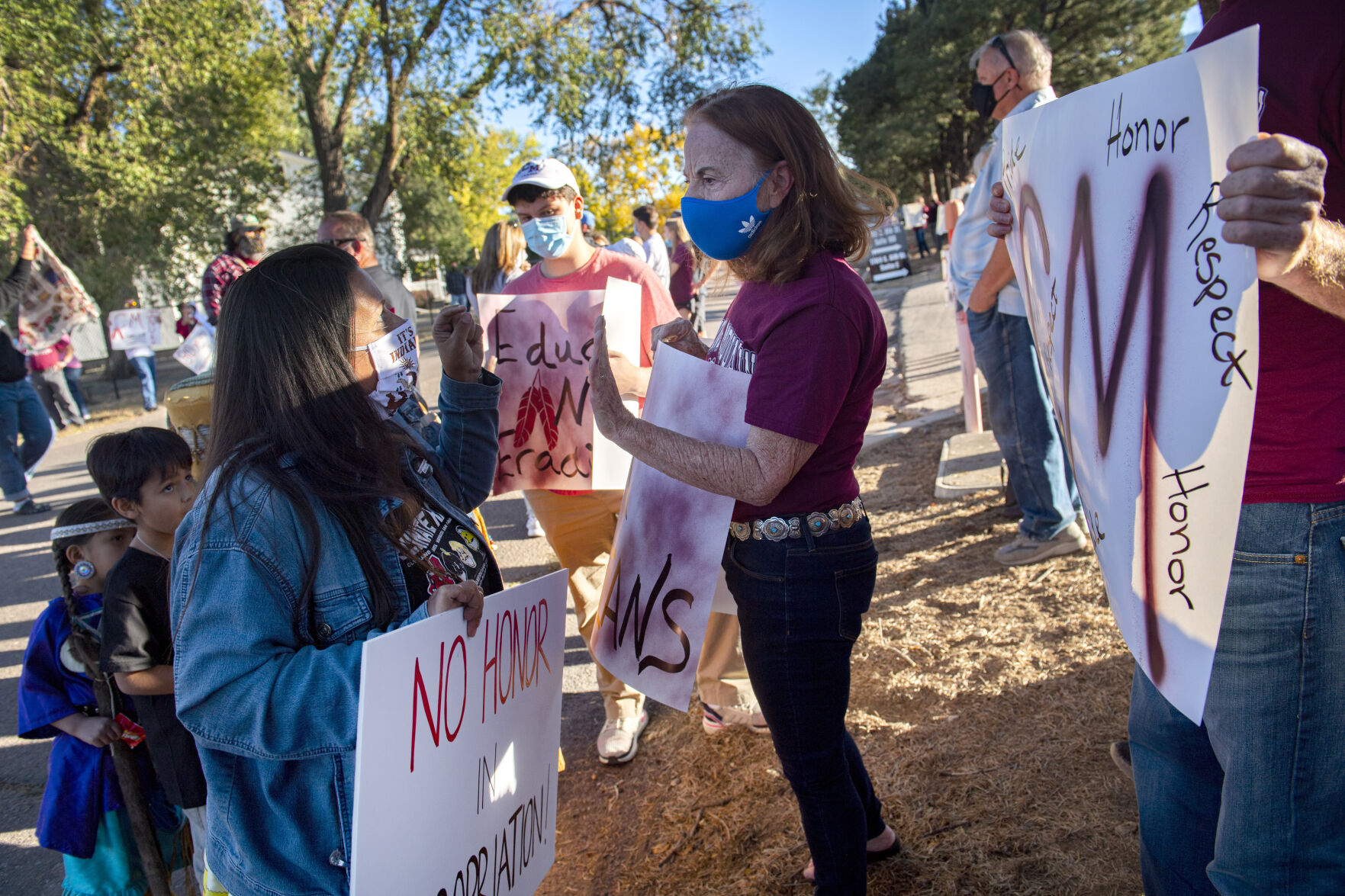
On the third try, a bill to force 25 Colorado schools to discontinue use of American Indian mascots cleared its first committee hearing, but it came with hours of emotional testimony on the impact those mascots, many which are considered offensive, have on Native American children, some who said their parents have been fighting the same battle for decades.
Senate Bill 21-116, sponsored by Sen. Jessie Danielson, D-Wheat Ridge, requires those schools to stop using American Indian mascots on Oct. 1. Schools that refuse face a $25,000-per-month fine, payable to the State Education Fund.
That’s a timeline that gave some heartburn to at least a couple of members of the Senate Education Committee, as well as to one of the schools still using an unapproved mascot.
Also, the chairs of the Southern Ute and Ute Mountain Ute tribes also had issues with the introduced version of the bill. They sought to keep existing agreements between two Colorado high schools and the Northern Arapaho and Cheyenne tribes that they say created respect of the Native American culture.
An amendment to the bill, approved by the education committee Thursday evening, allowed those agreements, with Arapahoe High School in Centennial and Strasburg High School, to continue.
In Lamar, the high school mascot is known as the Savages. No one from the Southeastern Colorado town testified in favor of keeping the mascot, but a group called Lamar Proud, which includes 130 alumni, testified that they were ready to let it go.
Jacob Reed, a 2012 graduate of Lamar High, told the committee that he grew up in an environment that “encouraged the mischaracterization and appropriation of American Indians” and that the mascot is one of the most racist in the state.
Representing Lamar Proud, Blake Mundell said the group includes American Indian teachers, students, community leaders, all committed to ending the use of American Indian mascots.
“Some of us have opposed” the mascots for decades, Mundell said, adding that last summer’s movement for racial equity resulted in the formation of the coalition.
“The mascot issue plagues our community,” she said.
“We stand beside those American Indian members of our community in Lamar who are forced to watch their peers dress up in sacred attire or in mocking displays,” one that the Lamar school board continues to ignore, Mundell said.
Stephanie Davis, a 2006 graduate of Lamar High, said she was proud to call herself a “Lamar Savage” when she was in school. Nothing gave her “a greater rush” than the sound of the bass drum, or doing “tomahawk chops.” She even wore her hair in braids and wore war paint on her face.
After she graduated and joined a larger community, Davis said she learned how harmful her actions were by playing into a dehumanizing stereotype, and she encouraged the committee to approve the bill so all students could learn and thrive “in a safe and inclusive environment.”
Jennifer Spires, a Choctaw who lives in Denver, said she was involved in cheerleading and band in her native Oklahoma, but at football and basketball games she refused to play her instrument in protest when she saw the tomahawk chop performed.
There are more than 500 unique indigenous tribes in the United States, but most people believe the negative stereotypes that Native Americans are all bloodthirsty savages, drunks or on drugs, she said.
“American Indian mascots only have negative effects on all of us,” she said. “If you want to truly honor Native Americans,” support the bill and prohibit the use of those mascots in Colorado schools, Spires said.
The main opposition was from a handful of residents from Yuma County, home of the Yuma High School Indians. Dwayne Brown is vice president of the Yuma School District Board of Education, and while he said they weren’t in “direct opposition” to the bill, they were concerned about the timeline.
The Indian has been the mascot of the school district since 1935, approved by a student initiative and vote. Brown said the Indian mascot is in recognition of 10,000 years of use of the land by Native Americans.
“We only use one image of the native mascot, and we don’t do tomahawk chops” or use derogatory images, Brown said. “We try to be respectful.”
Brown said he’s been on the board since 2017, and no one has brought up the issue.
Should they have to change the mascot, it could cost the district hundreds of thousands of dollars to replace uniforms, floors and other uses of the mascot, and it can’t be done by the Oct. 1 deadline, he said.
Cultural exchanges need to take place between tribal governments and non-tribal communities, said Danielle Walker, a member of the Standing Rock Sioux tribe. But that does not need to happen through mascots.
“I’m not anyone’s mascot and I’m no animal, a savage or anyone’s good luck charm,” added Walker’s son, Brody, a seventh-grader. Schools are supposed to be a safe place for all students and places where students can learn about equality and how racism is bad, he said.
“But schools with Native American mascots are teaching my peers that is OK to be racist and that I don’t matter. My generation lost their sense of identity and pride,” Brody said.
“I would wager you support our armed forces and military,” said Raven Payment, a US Navy vet and a descendant of the Mohawk and Ojibwe nations. “Would you be supportive of a mascot that made a mockery of your faith or was comprised of Stolen Valor? I imagine that most of you would be emphatically against such an image,” yet mascots represent the same level of contempt for Indigenous people, she told the committee.
The committee also heard from a Yuma family, the Roubideauxs. Lee Roubideaux is Rosebud Sioux, as are his sons, and he pleaded with the committee to let Yuma keep its mascot. It’s never been derogatory or racist, he said, and he supports respectful uses of Indian names and tribes.
“The Yuma Indian is positive to me and our town. People love the name, the headdresses and the sculpture” of the Indian, he said.
“It’s tribe pride.”
Danielson said the effort to eliminate the use of American Indian mascots is no secret. Similar bills in 2010 and in 2015 were defeated.
“This has been a demand of the Native community for decades” and the Native American community believes this is way overdue, she said.
“Their patience has worn thin and so has mine,” Danielson said. To those who ask for more time, she said, they’ve had plenty.
Sen. Paul Lundeen, R-Monument, called the bill intriguing, and that they are united in rejecting derogatory images. But he also took to heart the testimony of Lee Roubideaux that some uses can be positive. This bill stops the conversation, Lundeen said, adding that maybe there is a way to honor that heritage.
Sen. Barbara Kirkmeyer, R-Brighton, also agreed that the timeline was too short and the money to swap out uniforms and other materials isn’t there.
“This is a huge unfunded mandate,” she said.
Danielson asked if a mascot the only way to bestow honor.
“There’s a distinction between honoring the history of a people and reducing their treasures, religious imagery, their faces, their bodies, their families, their most precious beliefs” to a caricature, which is offensive, she said.
“We are reducing an entire people to a caricature and a mascot.”
The bill passed on a 5-2 vote, with Sen. Kevin Priola, R-Henderson, joining the Democrats. It now moves to the full Senate for debate.

Federal judge sides with Mesa County school district in ex-student’s First Amendment claims
Michael Karlik
michael.karlik@coloradopolitics.com
Updated 16 minutes ago
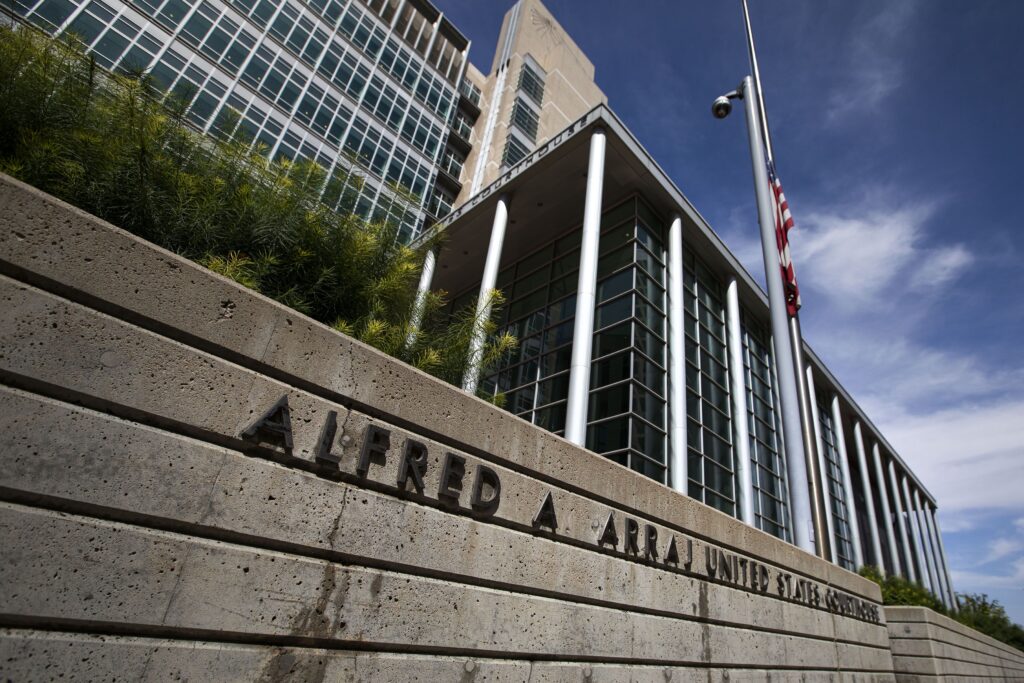
A federal judge concluded last week that Mesa County Valley School District 51 and three of its administrators did not violate the First Amendment rights of a former student when they imposed minor discipline in response to disruptive behavior. In...

Colorado Supreme Court intervenes in 4 ongoing cases
Michael Karlik
michael.karlik@coloradopolitics.com
Updated 4 hours ago
The Colorado Supreme Court recently moved to intervene in four ongoing cases, including two criminal prosecutions, a civil lawsuit, and a child welfare proceeding. At least four of the court’s seven members must agree to hear a case outside of...
Colorado ski resorts announce early closures amid historic snowpack lows, high temperatures
Kyla Pearce
kyla.pearce@gazette.com
Updated 4 hours ago
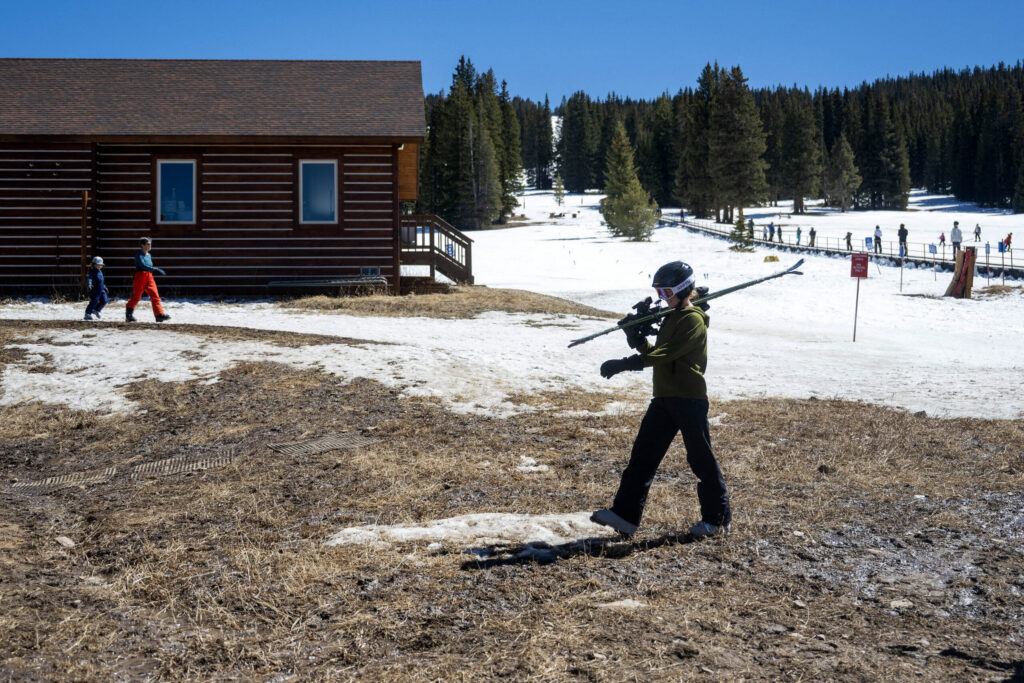
Vail Resorts is the latest area to announce season closure Wednesday As Colorado’s historically low snowpack year comes to a close and spring conditions take over the mountains, the state’s major ski resorts are announcing closing dates — some of...
Kentucky Gov. Andy Beshear set to headline Colorado Democrats’ annual fundraising dinner
Ernest Luning
ernest.luning@coloradopolitics.com
Updated 4 hours ago
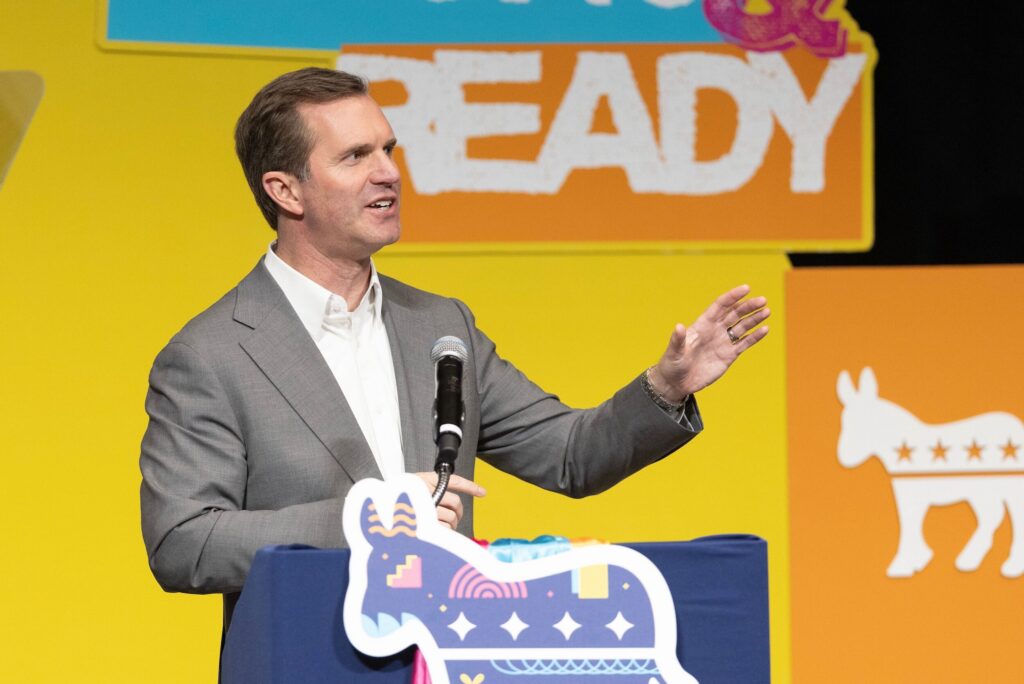
Kentucky Gov. Andy Beshear, one of the Democrats’ top 2028 presidential prospects, is scheduled to deliver the keynote address at the Colorado Democratic Party’s annual fundraising dinner in June in Denver, the party said Friday. Serving his second term as...
Gov. Polis names new leaders for Colorado health agencies in wake of Medicaid turmoil
Marianne Goodland
marianne.goodland@coloradopolitics.com
Updated 6 hours ago
Gov. Jared Polis, on Thursday, announced he was appointing Gretchen Hammer to serve as acting executive director of the Colorado Department of Health Care Policy and Financing, and deputy executive director Stephanie Beasley to become the next commissioner of the...
Federal judge releases man immediately as consequence for immigration judge disobeying orders
Michael Karlik
michael.karlik@coloradopolitics.com
Updated 4 hours ago
A federal judge ordered a man’s immediate release from immigration detention on Thursday after finding an immigration judge disregarded his prior orders requiring a bond hearing. For the past year, Colorado’s federal district court has faced a flood of “habeas corpus”...
Colorado sues Trump administration, calling new election order ‘unconstitutional’
Marissa Ventrelli
marissa.ventrelli@coloradopolitics.com
Updated 7 hours ago
Colorado Attorney General Phil Weiser has joined a multistate coalition suing President Donald Trump over a new executive order on elections, arguing the directive unlawfully intrudes on states’ authority to run their own voting systems and threatens access to mail...
Why Colorado’s LGBTQ laws keep getting struck down by the Supreme Court
Jack Birle, Washington Examiner
jack.birle.washington.examiner@gazetteedit.wpenginepowered.com
Updated 7 hours ago
The Supreme Court has been a house of horrors for Colorado over the past decade, with the state facing a trio of major losses over laws it claims it has enacted to protect LGBT people but that the justices found...
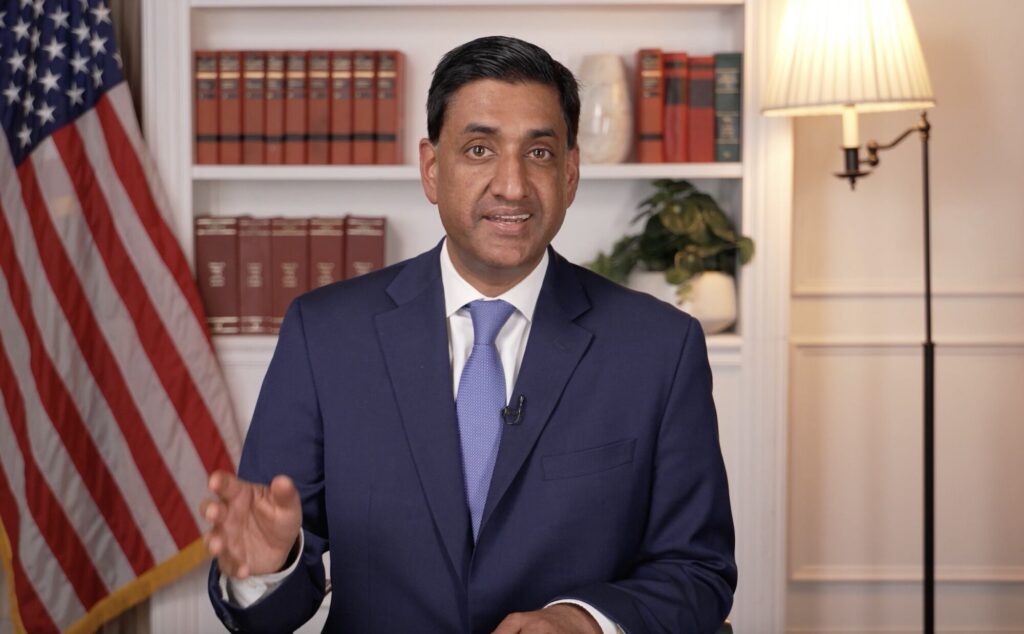
Denver Democrat Neal Walia lands endorsement from Ro Khanna in Colorado’s state House District 9
Ernest Luning
ernest.luning@coloradopolitics.com
Updated 4 hours ago
California Rep. Ro Khanna on Friday endorsed legislative candidate Neal Walia in the race for an open state House seat, praising the Denver Democrat’s commitment to public service and progressive goals. Walia, who mounted an unsuccessful challenge against U.S. Rep....
Denver judge denies Gov. Polis request to dismiss ICE-related records case
Marianne Goodland
marianne.goodland@coloradopolitics.com
Updated 5 hours ago
A year after blocking the release of state records to federal immigration agents, a Denver judge has now denied Gov. Jared Polis’ effort to end the lawsuit at the center of the dispute. The lawsuit filed against the governor in...
PREV
PREVIOUS

House advances lost, stolen guns bill over GOP objections
The state House on Thursday advanced over the objections of the chamber’s Republicans a bill mandating owners of firearms to report to law enforcement within five days if that weapon is lost or stolen. Rep. Tom Sullivan, a Centennial Democrat who sponsored Senate Bill 21-078 in the House, touted the measure as an awareness bill and […]

Western Colorado University's president retained after controversy
The president of Western Colorado University in Gunnison will remain in his position despite a majority of the faculty calling for his firing, according to a statement from the school’s board of trustees. On Jan. 7, the day after the attack on the U.S. Capitol building, Salsbury wrote a message to all staff, titled “Voice […]