

Title Board to consider initiatives on out-of-school learning, animal cruelty
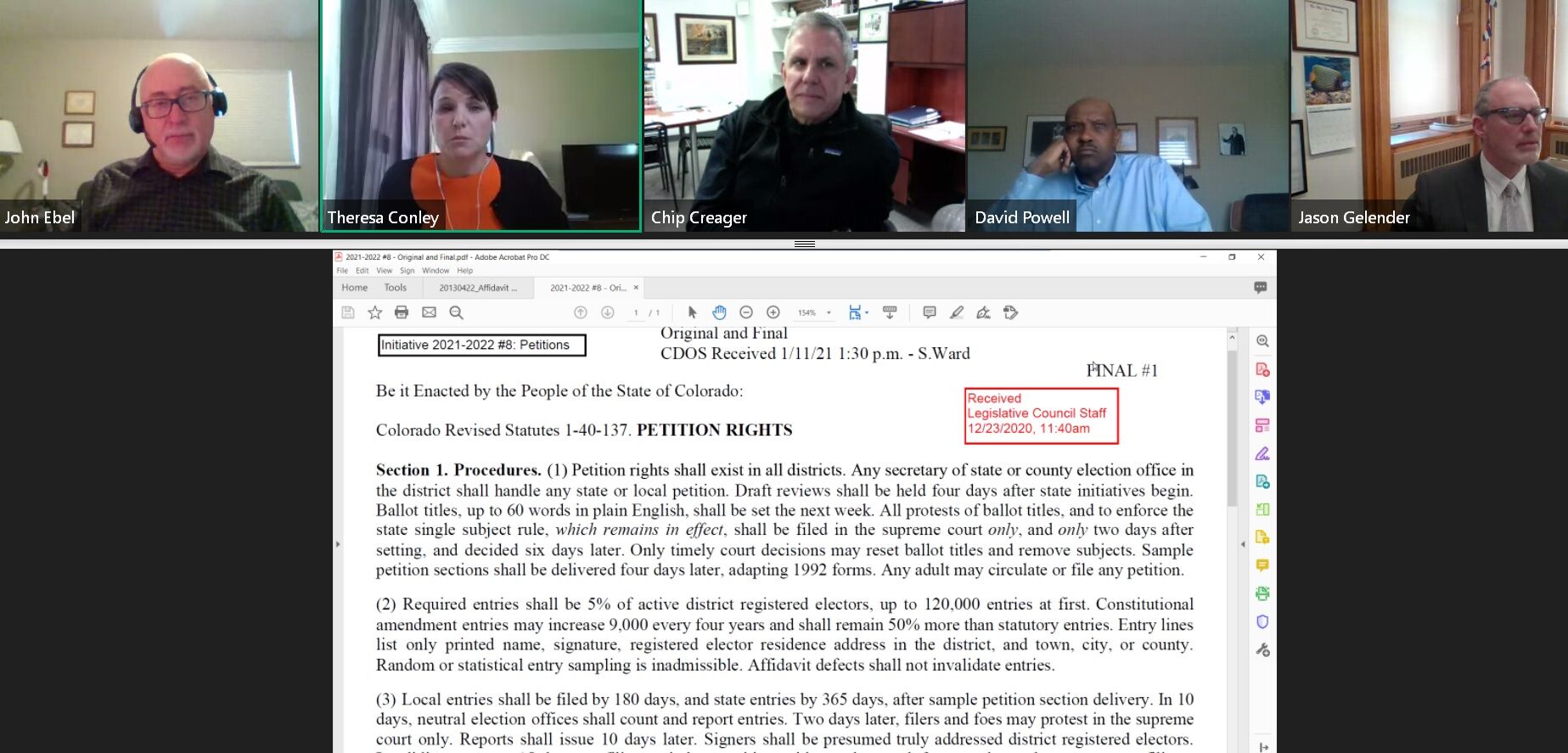
The Title Board will consider setting the ballot titles on Wednesday for two proposed initiatives that would create a financial aid program for out-of-school learning opportunities and expand protections against cruelty to animals.
Initiative #16, with designated representatives Alexander Sage and Brent Johannes, would clarify that intentionally abandoning any animal, not just dogs and cats, constitutes cruelty. Those in animal husbandry who slaughter livestock according to accepted practices in which the animal does not “needlessly suffer” would not be guilty of animal cruelty. The animal in question would also need to have lived at least one quarter of its natural lifespan prior to slaughter.
Animal cruelty would also encompass the negligent overdriving, overloading and overworking of pack animals. Animals involved in research are exempt as long as the facilities operate under applicable rules.
A fiscal analysis of the measure indicated that increased costs will occur for consumers as a result of the new mandate on livestock care.
“By significantly extending the period of time that livestock must be raised and cared for prior to slaughter, the initiative will increase costs for meat producers and increase the price of meat products paid by consumers. Longer periods of livestock care will also increase demand and prices for other commodities such as grain and feed,” the analysis explained.
Initiative #18 would create a Learning Enrichment and Academic Progress program to distribute financial aid for out-of-school learning opportunities. It would increase the state sales tax on retail marijuana by 5%, and also support the program through the general fund.
Beginning in fiscal year 2022-2023, state revenue would increase by $124.5 million through the increased marijuana tax. Millions of dollars would also be diverted from state land board revenue, which comes from the leasing of surface and mineral lands for extraction and other activities.
Following a review by Legislative Council Staff and the Office of Legislative Legal Services, more than 70 questions arose from the initiative, encompassing, among other items, the transmittal of money, the operation of advisory councils, and the definitions of “low-income eligible children” and “unique learning needs.”
The designated representatives are Camille Howells and Chad Cookinham.
The Title Board is a three-member body that evaluates whether proposed statewide ballot initiatives adhere to the constitutional requirement for a single subject. If so, the board sets a title to appear before voters that is brief, yet describes all central features of the initiative. Proponents then have the opportunity to collect the requisite signatures to place the measure on the general election ballot.


Kentucky Gov. Andy Beshear set to headline Colorado Democrats’ annual fundraising dinner
Ernest Luning
ernest.luning@coloradopolitics.com
Updated 4 days ago
Kentucky Gov. Andy Beshear, one of the Democrats’ top 2028 presidential prospects, is scheduled to deliver the keynote address at the Colorado Democratic Party’s annual fundraising dinner in June in Denver, the party said Friday. Serving his second term as...
Colorado sues Trump administration over elections order
Marissa Ventrelli
marissa.ventrelli@coloradopolitics.com
Updated 13 hours ago
Colorado has joined a coalition of states in suing President Donald Trump over his new executive order on elections, arguing the directive unlawfully intrudes on their authority to run their own voting systems and threatens access to mail ballots for...
Denver Democrat Neal Walia lands endorsement from Ro Khanna in Colorado’s state House District 9
Ernest Luning
ernest.luning@coloradopolitics.com
Updated 13 hours ago
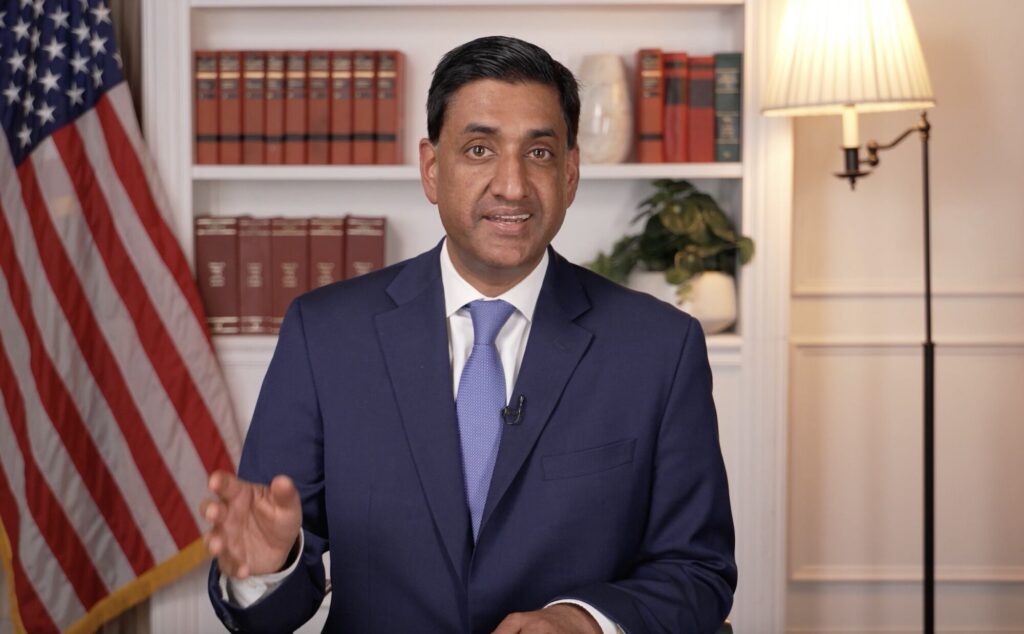
California Rep. Ro Khanna on Friday endorsed legislative candidate Neal Walia in the race for an open state House seat, praising the Denver Democrat’s commitment to public service and progressive goals. Walia, who mounted an unsuccessful challenge against U.S. Rep....
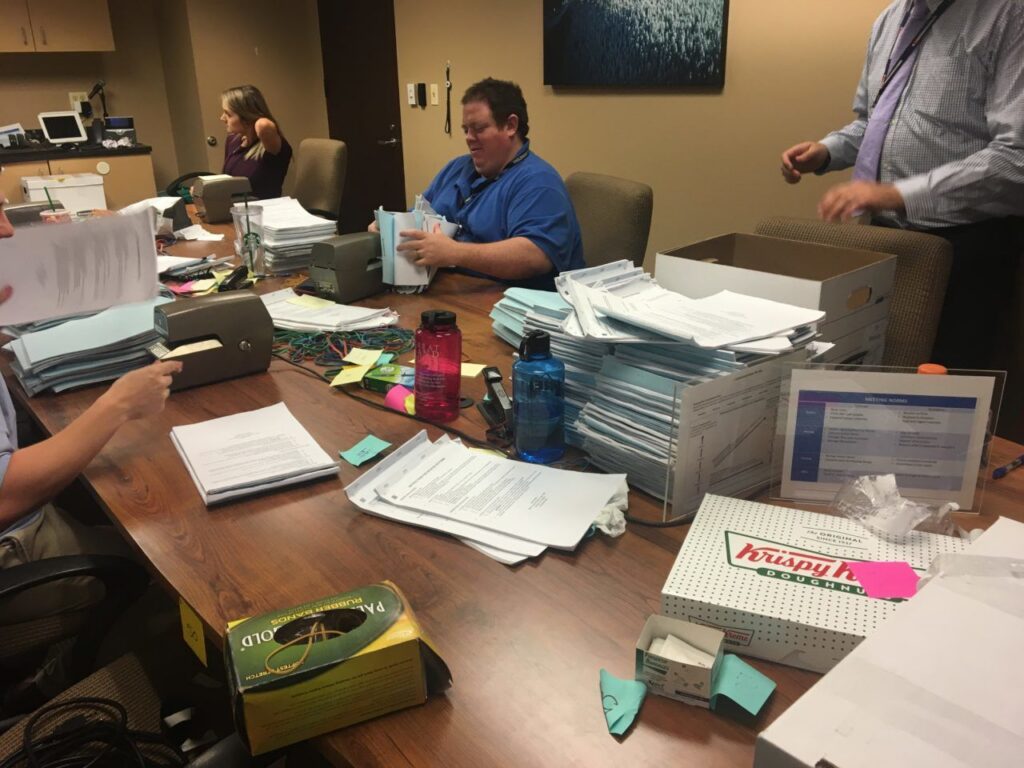
Redistricting fight escalates as Colorado Title Board clears competing ballot proposals
Marianne Goodland
marianne.goodland@coloradopolitics.com
Updated 4 days ago
Colorado’s title board on Wednesday gave final approval to multiple ballot measures related to congressional redistricting, setting up a series of proposals that could alter how the state draws its U.S. House districts for the 2028 and 2030 elections. The...
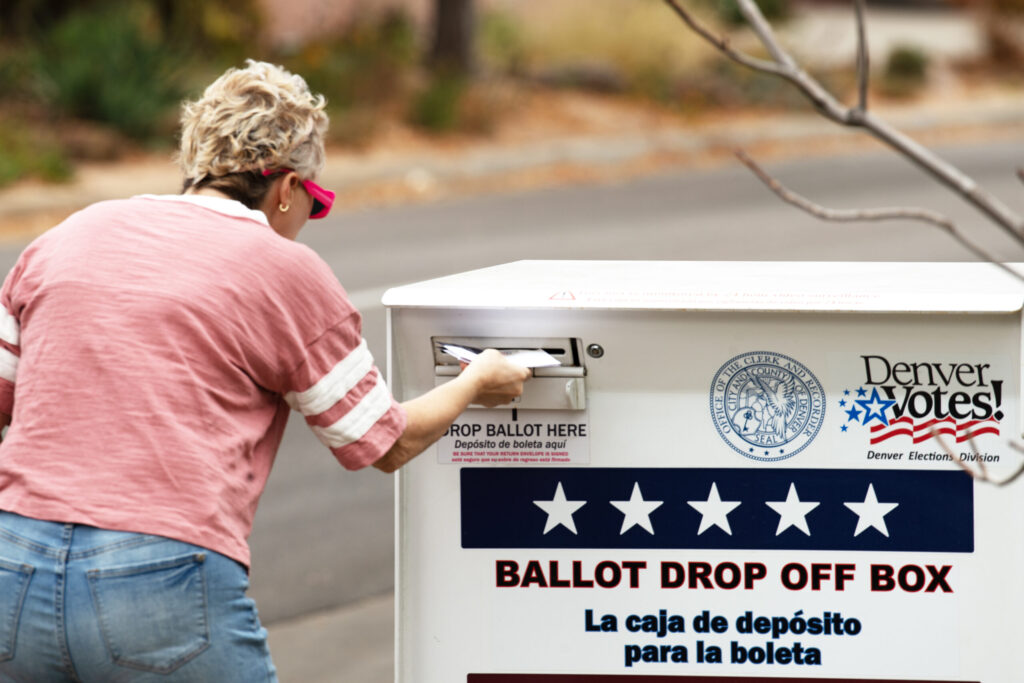
Judge rules that Colorado law makes it too hard for parties to bar unaffiliated voters from primaries
Ernest Luning
ernest.luning@coloradopolitics.com
Updated 5 days ago
A federal judge ruled in favor of the Colorado Republican Party late Tuesday, saying that a portion of the state law that allows unaffiliated voters to cast ballots in party primaries is unconstitutional because it imposes an unrealistic burden on...

Colorado leaders say Trump’s executive order targeting mail voting violates state election authority
Marissa Ventrelli
marissa.ventrelli@coloradopolitics.com
Updated 6 days ago
Colorado leaders criticized President Donald Trump’s new executive order issued Tuesday, arguing that its creation of a national voter‑eligibility list and new limits on mail voting violate states’ constitutional authority to run their own elections. President Donald Trump has frequently...

Phil Weiser wins top spot in Colorado’s Democratic gubernatorial primary at party’s state assembly
Ernest Luning
ernest.luning@coloradopolitics.com
Updated 1 week ago
Attorney General Phil Weiser’s name will appear first on Colorado’s Democratic gubernatorial primary ballot after his overwhelming win Saturday at the party’s state assembly in Pueblo. Weiser joins U.S. Sen. Michael Bennet in the June 30 primary for the office...
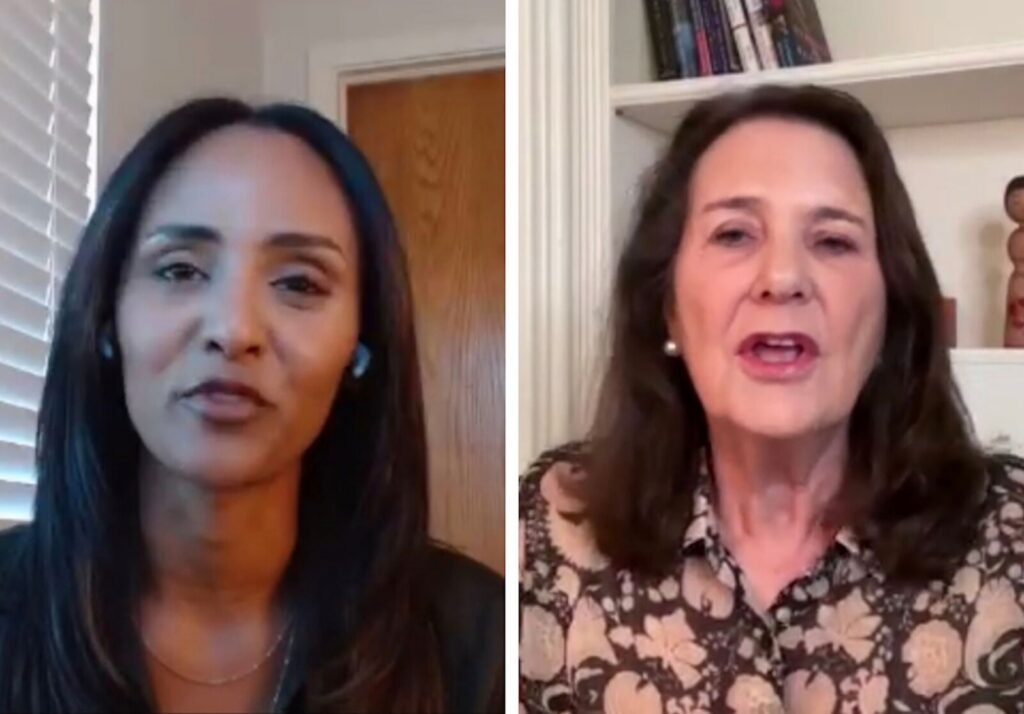
Denver Democrat Diana DeGette trails challenger Melat Kiros at assembly as both qualify for primary
Ernest Luning
ernest.luning@coloradopolitics.com
Updated 7 days ago
U.S. Rep Diana DeGette, a Denver Democrat, qualified for Colorado’s June primary by the skin of her teeth Friday at the party’s district assembly, where the 15-term incumbent received fewer than half as many delegate votes as her challenger, 28-year-old...
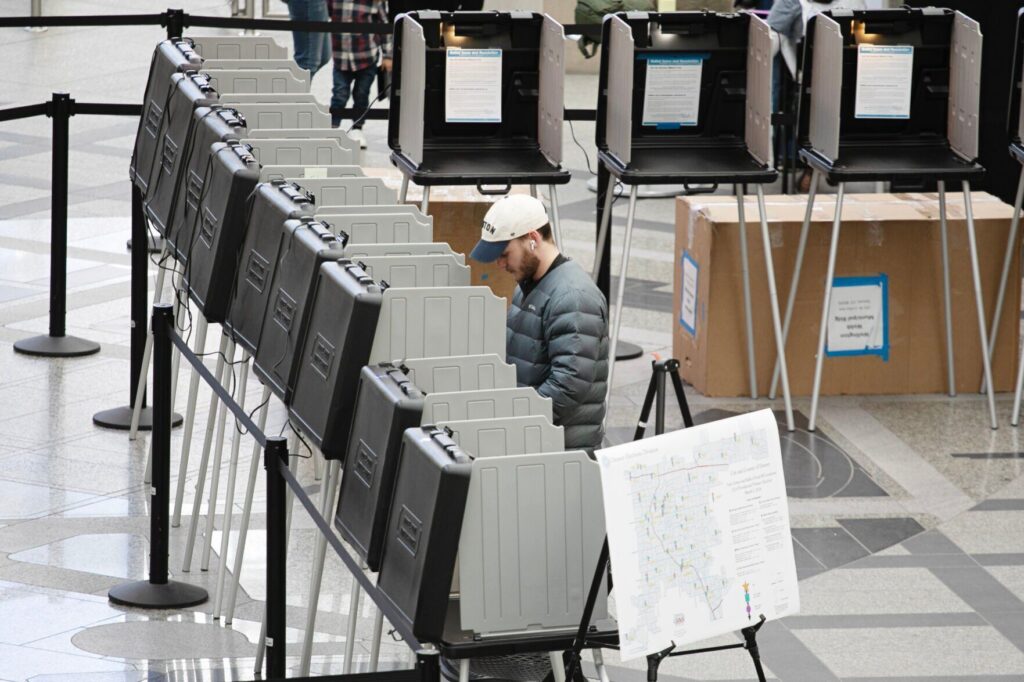
Federal judge upholds constitutionality of Colorado campaign contribution limits
Michael Karlik
michael.karlik@coloradopolitics.com
Updated 1 week ago
A federal judge upheld Colorado’s individual campaign contribution limits as constitutional on Thursday, finding that three Republican plaintiffs failed to prove the campaign finance framework violates their First Amendment rights. U.S. District Court Senior Judge John L. Kane recognized that...
Seligman, Bridges, Gonzales lead downballot races heading into Colorado Democrats’ state assembly
Ernest Luning
ernest.luning@coloradopolitics.com
Updated 2 weeks ago
As Colorado Democrats prepare to designate candidates to the June primary ballot at the party’s state assembly in Pueblo on Saturday, three candidates appear poised to win top-line designation in downballot statewide races, according to data compiled by the state...
PREV
PREVIOUS

Larimer County halts new oil and gas applications
Larimer County commissioners Tuesday voted 3-0 to immediately suspend processing of all new oil and gas applications. The moratorium might be lifted after a public hearing scheduled for April 13. Commissioners thought the moratorium necessary “to allow Larimer County reasonable time to revise their oil and gas regulations, for the safety, health and welfare of […]

As cases of COVID variants rise, experts urge holding the line until more residents are vaccinated
The number of COVID variant cases in Colorado is ticking upward, and public health experts say the state must move to dole out vaccines while simultaneously holding those variants at bay until broad, population-wide protections are reached. There have been more than 570 variant cases identified in Colorado thus far; 336 of those are cases […]