

Kamala Harris to meet with Colorado small business owners in stop on tour promoting relief bill

Vice President Kamala Harris plans to meet with small business owners in Denver on Tuesday as Biden administration officials fan out across the country to promote the massive COVID-19 relief package.
Harris and her husband, second gentleman Doug Emhoff, are among the officials who kicked off the “Help is Here” tour to tout benefits of the $1.9 trillion bill with a stop Monday in Las Vegas, where the vice president visited a vaccination site and a culinary school, The Associated Press reported.
Emhoff, an entertainment industry lawyer, planned to visit a food relief organization in Las Vegas and take part in a “listening session” with the operation’s partners on Monday, before the couple is scheduled to depart on Air Force Two for Los Angeles, The AP reported.
The second couple is scheduled to meet with small business owners in Denver on Tuesday afternoon, though details were unavailable.
Following the Denver stop, Emhoff is planning to break off for a trip to Albuquerque, N.M., to visit a school, The AP reported.
The Biden administration is reportedly attempting to correct what some officials view was a mistake made by the Obama administration, which they say didn’t do enough to promote the stimulus package signed by President Barack Obama on Feb. 17, 2009, in Denver.
Part of that effort involves highlighting different aspects of the bill each day this week, Axios reported. Tuesday’s “help for small business” theme will be followed by “help for schools” on Wednesday, “help to stay in your home” on Thursday and “help immediately with direct checks” on Friday.
Designed to help the country battle the coronavirus and stimulate the economy, the bill was signed Thursday by President Joe Biden after passing Congress without any Republican support.
The sprawling bill provides up to $1,400 direct payments to most Americans and extends $300 weekly emergency unemployment benefits into early September. It also includes $350 billion for state, local and tribal governments, $130 billion for K-12 schools and about $50 billion to expand COVID-19 testing, among numerous other provisions.


Denver murder conviction reversed for incomplete self-defense instruction
Michael Karlik
michael.karlik@coloradopolitics.com
Updated 4 hours ago
Colorado’s second-highest court reversed a defendant’s murder conviction last week because a Denver judge gave an incomplete instruction to the jury about the man’s right to self-defense. Donald R. Gonzales and Gary McLaughlin met up in a Capitol Hill parking...
Colorado lawmaker, House leaders named in workplace-retaliation lawsuit
Marianne Goodland
marianne.goodland@coloradopolitics.com
Updated 25 minutes ago
A former legislative aide has filed a lawsuit alleging she was mistreated, illegally directed to perform campaign work and harmed by a House leadership structure she charged was fragmented, politicized and ineffective at protecting employees. The lawsuit, filed by Jennifer...

Secret Service confirms awareness of Iranian state media video threatening Barron Trump’s life
The Associated Press
the-associated-press@coloradopolitics.com
Updated 5 hours ago
WASHINGTON (AP) — The U.S. Secret Service has confirmed it is aware that Iranian state media has aired a video that appears to threaten the life of Barron Trump, President Donald Trump’s youngest son. “The U.S. Secret Service is aware...
Federal judge hears arguments about Colorado’s 3-day gun purchase waiting period
Michael Karlik
michael.karlik@coloradopolitics.com
Updated 5 hours ago
A federal judge heard arguments on Monday about the constitutionality of a 2023 Colorado law that generally imposes a three-day waiting period on firearm purchases after the initiation of a background check. The test that the U.S. Supreme Court created...
US set for largest mass visa revocation in history targeting up to 200,000 foreigners, officials say
The Associated Press
the-associated-press@coloradopolitics.com
Updated 5 hours ago
WASHINGTON (AP) — The Trump administration is preparing to revoke the business and tourism visas of up to 200,000 foreigners who have applied for or are currently seeking asylum status in the United States. If it happens, the move would...
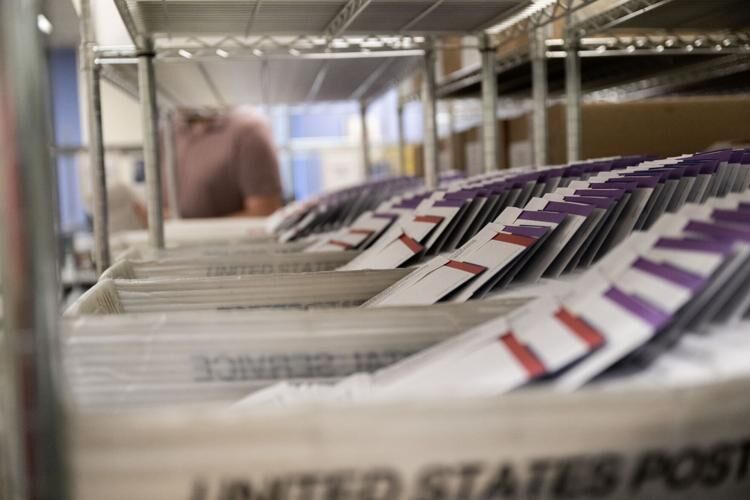
U.S. Supreme Court clears way for Trump mail voting order in advance of midterms
Wire Services
wire-services@coloradopolitics.com
Updated 21 hours ago
WASHINGTON • The U.S. Supreme Court on Monday cleared the way for President Donald Trump to move ahead with an executive order that seeks to restrict the mailing of ballots to American citizens in an eligible voters list. The executive...
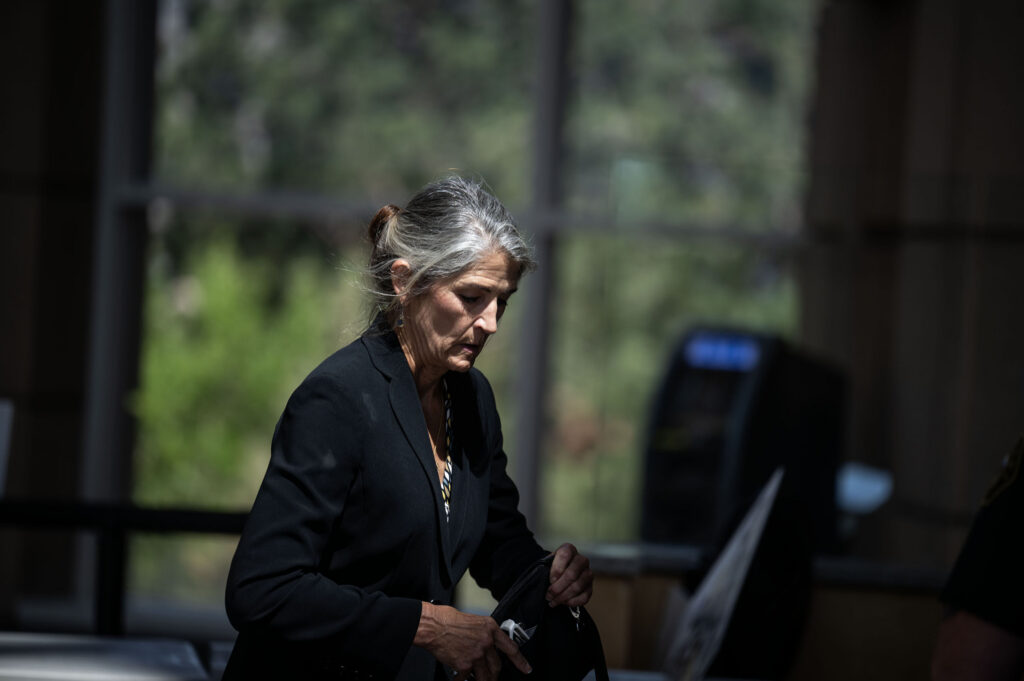
Colorado Supreme Court intervenes in Weld County prosecution dismissed due to Missy Woods misconduct
Michael Karlik
michael.karlik@coloradopolitics.com
Updated 20 hours ago
The Colorado Supreme Court ordered a Weld County trial judge last week to respond to the district attorney’s claim that he improperly dismissed a criminal case because of “outrageous” conduct by the Colorado Bureau of Investigation. Daniel Lee Eatinger stood...

Trump opens ‘economic D-Day’ offensive against Iran as war nears six-month mark
Christian Datoc
christian-datoc@coloradopolitics.com
Updated 1 day ago
President Donald Trump is seeking to increase the financial pressure on Iran with new secondary sanctions on nations and foreign actors propping up the regime’s economy as the war between the United States and Tehran nears the six-month mark. Treasury...

Trump announces 50% tariffs on Canadian cars, auto parts, and steel
Naomi Lim
naomi-lim@coloradopolitics.com
Updated 1 day ago
President Donald Trump escalated the trade war with Canada after talks collapsed last week, announcing Monday that the United States would impose 50% tariffs on cars, trucks, automotive components, and steel starting Jan. 1, 2027. “Canada has been ripping off...
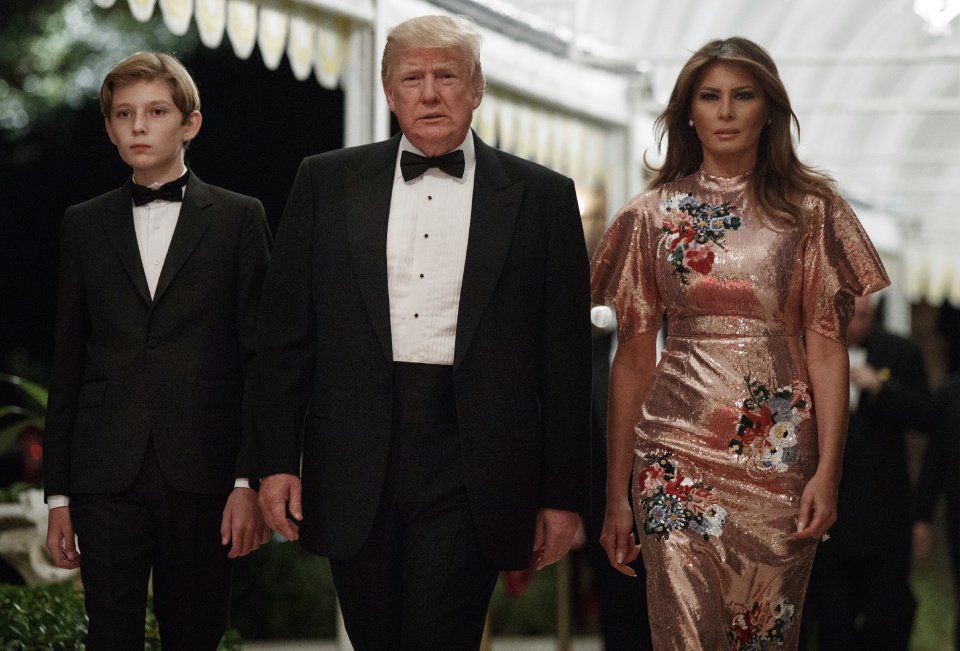
Iran puts out propaganda video tracking Barron Trump’s location, offering $10 million for his assassination
Timothy Nerozzi
timothy-nerozzi@coloradopolitics.com
Updated 1 day ago
The Islamic Revolutionary Guard Corps is putting a hit out on President Donald Trump’s son, Barron Trump, with an inflammatory video claiming to track his location. State-run television in Iran is broadcasting a propaganda video claiming to show the locations...
PREV
PREVIOUS

Court clarifies protections for testifying workers, but rules they can still be demoted
Employers in Colorado may demote workers for their off-duty conduct, even if it does not violate any law, the Court of Appeals decided last week. State law, wrote Judge Christina F. Gomez for the three-member appellate panel, “unambiguously prohibits only termination or discharge of an employee’s employment and does not extend to demotion of an […]
Senate confirms New Mexico's Deb Haaland as interior secretary
Colorado has much to gain and lose from the U.S. Senate’s confirmation of Deb Haaland as secretary of the interior Monday. The vote was close: 51-40, mostly with Republicans in opposition because they see her as a threat to fossil fuels with her strident views on using public land for resources. Colorado’s Sens. Michael Bennet […]