

Dismissal of Black juror likely not discriminatory, appeals court agrees
Although prosecutors in Arapahoe County may have excused a Black man from serving on a jury for reasons that correlated with his race, the Court of Appeals has upheld a lower court judge’s finding that no discrimination occurred.
The explanation for his dismissal pointed to the man’s prior negative experience with the criminal justice system, which both sets of judges agreed may affect Black Americans disproportionately. Nevertheless, the other, non-racial reasons for excusing the man were persuasive.
Nicholas John McDonald was serving his criminal sentence in a community corrections facility, colloquially known as a halfway house, when he absconded. Six weeks later, police arrested him and prosecutors charged McDonald with felony escape. A jury in Arapahoe County convicted him and a judge sentenced McDonald to four years in prison. A change to the felony escape law at the time resulted in a downward revision of his sentence to just six months in jail.
McDonald appealed his conviction based on a procedure known as a Batson challenge, named after the 1986 U.S. Supreme Court decision in Batson v. Kentucky. At the trial of a Black man accused of burglary in Kentucky, prosecutors used their challenges during jury selection to dismiss every Black individual from the jury pool. An all-white jury subsequently convicted the defendant.
A majority of the Supreme Court decided the Constitution prohibits prosecutors from excluding potential jurors due to their race. As a result, criminal defendants may make a Batson challenge to assert that the government excluded a juror based on race, ethnicity or sex. Prosecutors then have the burden of presenting a non-racial explanation for their action for the court to evaluate.
In the trial of McDonald, who is white, there were two potential Black jurors. One of them ended up on McDonald’s jury, but the other, identified as Mr. S in court documents, was the subject of an excusal by prosecutors without explanation.
McDonald’s attorney argued Mr. S gave answers about his ability to be impartial that were similar to those of white jurors who remained on the panel. The Arapahoe County prosecutor responded that he had a “race-neutral reason for excusing this particular juror,” but did not feel the need to explain himself because of the other Black person who remained.
District Judge Peter F. Michaelson believed there was an insufficient case for discrimination, and ended the challenge. Only after jury selection ended did the prosecutor explain his non-racial reasons for excusing Mr. S, including that the man said he had a negative experience with police in which an officer allegedly believed Mr. S was driving a stolen car. Also, Mr. S. was convicted of a sex offense in the same judicial district and did not feel fairly treated during the legal process.
McDonald asked the Court of Appeals to weigh in, and a panel of judges in 2019 agreed with him that Michaelson halted the Batson challenge prematurely.
After the appellate panel ordered a review, the trial court judge agreed Mr. S said he could be fair and impartial, answered questions relating to police officer credibility similarly to white jurors, and therefore “the most important difference” between Mr. S and other jurors was his race.
Michaelson then considered the non-racial explanations of the prosecutor, which included the statements the prosecutor made about Mr. S’s prior experience with the judicial district. Another relevant factor was that in McDonald’s case, “there was no tactical advantage to select jurors on the basis of race.”
Weighing the evidence, Michaelson acknowledged that excusing a Black juror simply due to a negative experience with the justice system “may constitute an impermissible ground” for a dismissal, considering how many Black Americans fall into that category, but it was more likely that no discrimination had occurred.
In an unpublished opinion released on Thursday, a separate Court of Appeals panel rejected McDonald’s request to overturn Michaelson’s finding. Although Mr. S maintained he could be impartial, the court found, none of the other jurors had the same life experiences he had.
“Mr. S was the only prospective juror that (1) had a criminal conviction in the Eighteenth Judicial District and (2) indicated he had not been treated fairly by the criminal justice system,” wrote Judge Stephanie Dunn. “As well, the prosecutor pointed to Mr. S’s comments that his experience had undermined the credit he afforded to some police officers.”
Because the trial court’s findings had evidence to support them in the record, the appeals panel was largely obligated to affirm the conclusion of no discrimination.
Addressing another issue in the appeal, the panel also noted that even if the prosecutor made an improper statement at McDonald’s first sentencing hearing that disparaged McDonald for choosing to exercise his right to a jury trial, the change in state law and subsequent resentencing rendered the issue moot.
The case is People v. McDonald.


Colorado Supreme Court’s opinion output drops by two-thirds amid justice’s absence
Michael Karlik
michael.karlik@coloradopolitics.com
Updated 1 day ago
The Colorado Supreme Court has released significantly fewer new opinions in recent months compared to the previous two years, even as the judicial branch insisted that a member’s open-ended absence is not causing delays. Justice Melissa Hart has been on...

Divided 10th Circuit rules bank customer must arbitrate discrimination-related claims
Michael Karlik
michael.karlik@coloradopolitics.com
Updated 1 day ago
The Denver-based federal appeals court ruled on Monday that a mandatory arbitration clause in the fine print of a customer’s bank account agreement prohibited her from pursuing claims of racial discrimination in court. Jeanetta Vaughn filed suit against JPMorgan Chase...
Colorado’s federal trial court denies admission to lawyer owing tens of thousands in dues, penalties
Michael Karlik
michael.karlik@coloradopolitics.com
Updated 5 hours ago
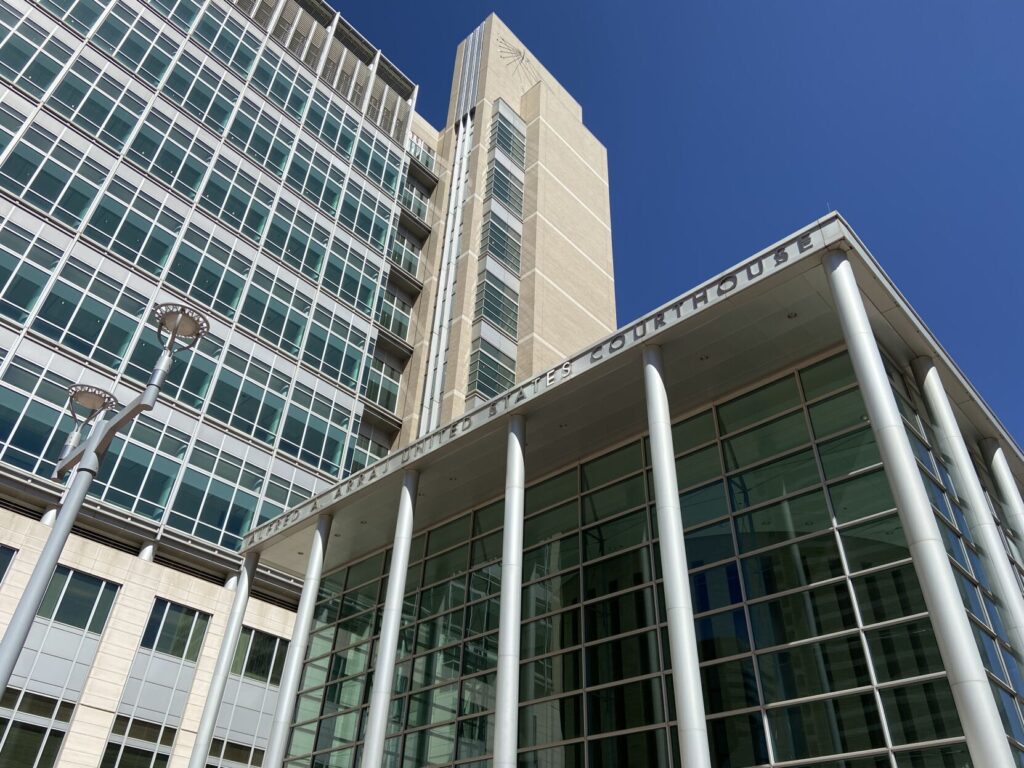
Colorado’s U.S. District Court declined last month to allow an attorney to practice before the court due to his failure to pay enrollment fees and penalties to another state’s bar association for years. The federal trial court requires attorneys to...

Federal judge labels appeal ‘frivolous,’ state Supreme Court to hold arguments | COURT CRAWL
Michael Karlik
michael.karlik@coloradopolitics.com
Updated 1 day ago
Welcome to Court Crawl, Colorado Politics’ roundup of news from the third branch of government. A federal judge deemed a government defendant’s appeal “frivolous,” and the state Supreme Court will have an abbreviated oral argument schedule next week. Heard on...
Federal judge rejects Tina Peters’ request for release pending appeal
Michael Karlik
michael.karlik@coloradopolitics.com
Updated 1 day ago
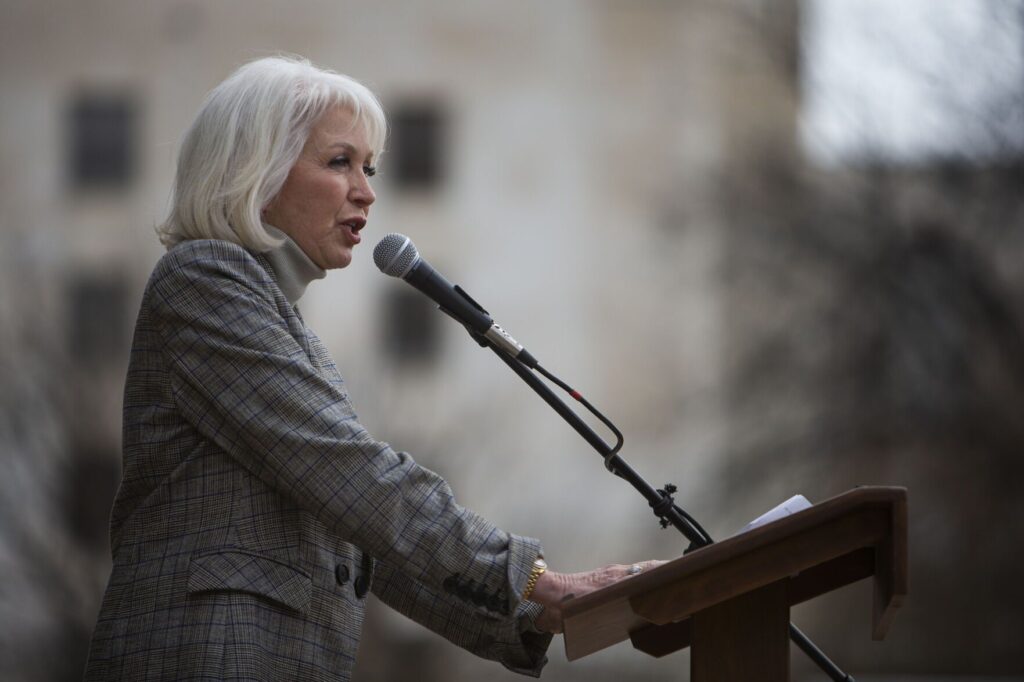
A federal judge rejected the petition of former Mesa County clerk Tina Peters on Monday to be released from incarceration pending the resolution of her criminal appeal. Chief U.S. Magistrate Judge Scott T. Varholak wrote in a Dec. 8 order...
Colorado justices lay down framework for analyzing defamation lawsuits involving ‘public interest’ issues
Michael Karlik
michael.karlik@coloradopolitics.com
Updated 1 day ago
The Colorado Supreme Court clarified on Monday how judges should evaluate whether lawsuits arising from a person’s speech — in particular, online consumer reviews — are connected to an “issue of public interest” and merit protection from legal liability. As...
Federal judge rejects DPS’ attempt to obtain 9News sourcing documents in First Amendment case
Michael Karlik
michael.karlik@coloradopolitics.com
Updated 5 hours ago
A federal judge rejected Denver Public Schools’ attempt on Monday to obtain documents from 9News related to its interview with a former principal who alleges his termination amounted to a constitutional violation. At the same time, the attorney for plaintiff...
Federal judge declines to order Denver to let police critic apply for review board
Michael Karlik
michael.karlik@coloradopolitics.com
Updated 3 days ago
A federal judge declined on Friday to order that Denver permit a longtime police critic to apply to join the board tasked with reviewing officers’ use of force. Regan Benson sought to become one of the two community members on...
Colorado Supreme Court to hear case on ballot measure disclosure requirements
Marissa Ventrelli
marissa.ventrelli@coloradopolitics.com
Updated 5 days ago
The Colorado Supreme Court has agreed to hear a case challenging whether the state can require ballot measure committees to disclose the names of their registered agents in election communications. The case stems from a complaint filed during the 2020...
Divided 10th Circuit orders pretrial release of defendant facing drug charges
Michael Karlik
michael.karlik@coloradopolitics.com
Updated 5 days ago
The Denver-based federal appeals court overturned a judge’s order keeping a defendant in custody pending trial on Friday, ruling 2-1 that she was entitled to release under the law. Erika Esmeralda Garcia stands accused of two charges related to the...
PREV
PREVIOUS

Polis looks to 'build back stronger' in speech to Colorado Springs business community
Gov. Jared Polis touched on a range of topics, including education, transportation and aerospace, during his State of the State address to the Pikes Peak region’s business community Thursday. Polis discussed how COVID-19 impacted every dimension of life during the past year, costing lives, jobs and economic stability. However, he also emphasized lessons learned that Coloradans can capitalize […]

Survey of Colorado voters shows stark partisan divide on pandemic
Colorado voters are sharply divided along partisan lines on nearly every aspect of the year-old coronavirus pandemic – including how concern over COVID-19 has affected their mental state, whether they plan to get vaccinated and how state government should respond to the public health and economic crisis, according to results of a statewide survey of registered […]