

More than half of Americans are confused about vaccine info, study finds
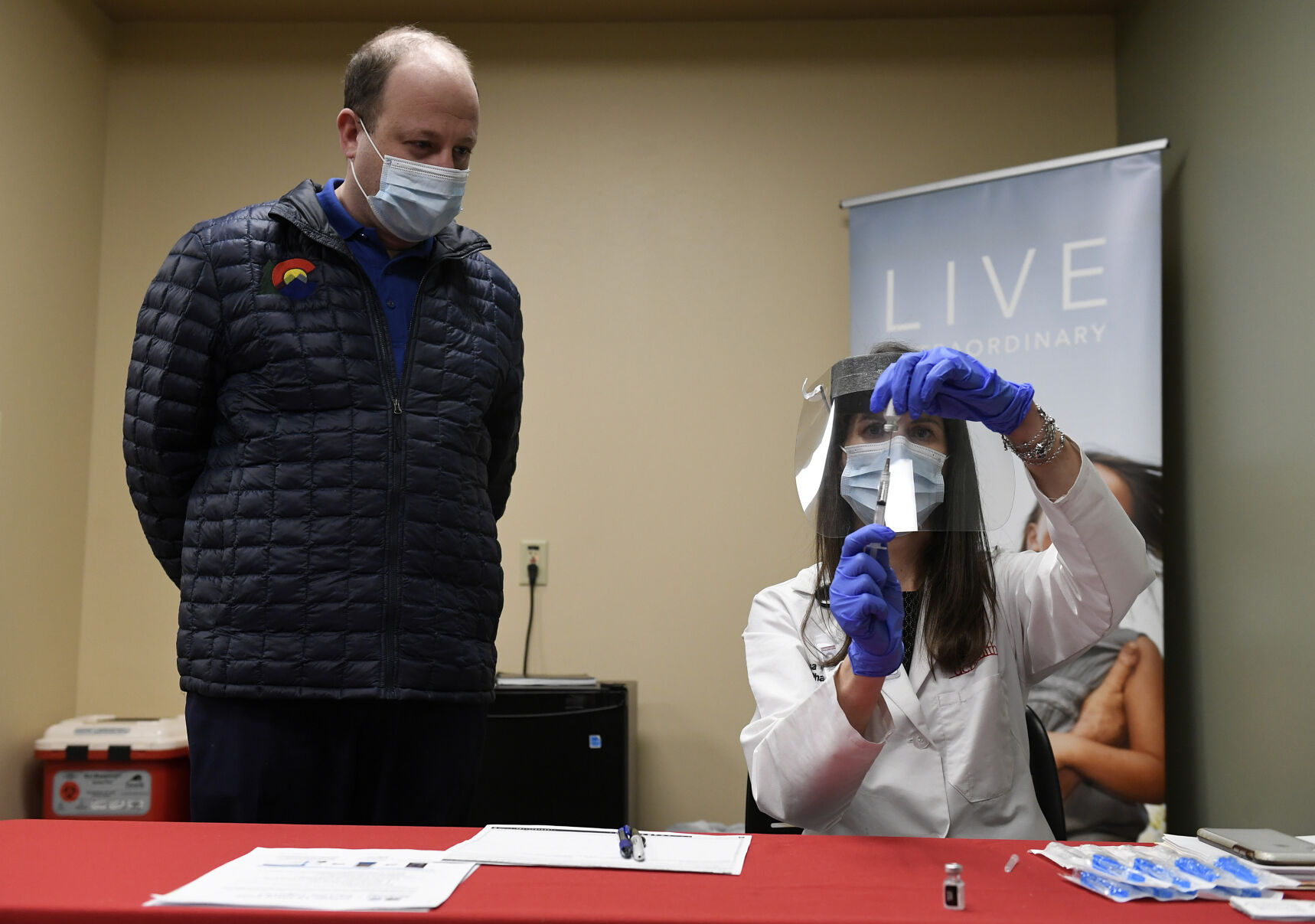
If the rollout of the COVID-19 vaccine has you feeling frustrated and confused, you’re not alone.
Despite federal, state and local campaigns meant to clarify and streamline the process, a recent survey by the Kaiser Family Foundation found that six in 10 older Americans still say they haven’t received enough information about the vaccine, and about one-third of adults aren’t sure when or how the doses will get to them.
To be fair, even if you’ve been paying close attention, there’s room to get lost.
“This is a massive vaccine distribution unlike anything we’ve seen in our lifetime. It requires extraordinary logistical planning and collaboration between multiple state agencies, local public health agencies, community partners and providers,” said the Colorado Department of Public Health and Environment.
Yes, eventually you will be able to get a free vaccine.
Yes, thousands of doses are arriving each week from the federal government.
Those numbers aren’t constant and depend entirely on federal supply. More are on the way, and new vaccines are in development, but right now there’s not nearly enough to meet demand. Doses are only being made available to certain people, through certain health care providers.
Still, more than a month after Colorado began vaccinating its highest risk Phase 1A front-line workers, the largest-scale emergency inoculation program in generations appears to be hitting a stride. But not everywhere, not yet for everyone, and only after some eligible people say they’d spent weeks trying to get appointments using online portals that crashed or didn’t appear to be designed to accept their registration in the first place.
Colorado Springs psychiatrist John Fleming said he and his staff spent much of January – and one nurse spent a whole day on the phone – trying to get an appointment, or on a waiting list through Kaiser, the community partner vaccine provider he was directed to use. They repeatedly hit dead ends, were put on hold, only to reach someone who couldn’t provide an answer.
“As a small office with only a part-time secretary and direct care staff and myself totally busy taking care of patients I actually cannot devote a huge amount of time trying to figure this out,” said Fleming. He sought vaccines for the members of his staff who come into close contact with patients daily, during procedures such as drawing blood, and thereby qualify as high-risk under the vaccine criteria.
Late Friday afternoon, Fleming logged on to find an updated webpage and portal that worked as promised.
“I swear this was not there before. Maybe the passage of time is allowing systems to get caught up,” he said. “I am afraid that what is happening is that it’s ‘fire, then aim, then ready,’ instead of get ready, implement what is needed, then announce.”
As of Friday, just over 6% of Coloradans had received at least the first dose of the two-dose vaccines manufactured by either Pfizer or Moderna, among the higher rates being reported nationwide. While the state continues to vaccinate its Phase 1A candidates, it’s also begun vaccinating the first half of Phase 1B, Coloradans ages 70 and up, with a goal of vaccinating 70% of that population by Feb. 28.
Not everyone’s experience has been, or will be, the same. Even if they fall within the same high-risk group. Even if they’re neighbors.
In some cases, it’s simply an issue of first come, first served. In others, it’s a bit more complicated.
Allocations of the vaccine come to the state, and the CDPHE’s Joint Vaccination Task Force, from the federal level through Operation Warp Speed, with the amount based on population. Colorado’s residents make up 1.69% of the U.S., so it receives less than 2% of the vaccines available each week from Pfizer and now Moderna, which both received FDA emergency use authorization late last year.
“That equates to between 60,000 and sometimes 80,000 doses per week that we are allocated to the state of Colorado,” said Lisa Powell, manager of the Emergency Preparedness and Response Program for El Paso County Public Health. (A full course of the vaccine is two doses, with a recommended spacing of at least 21 days apart for the Pfizer version and 28 for Moderna.)
From there, the state uses an allocation table to decide how many doses go where.
Ten percent of the statewide distribution stays with CDPHE, and goes to support equity initiatives.
Sixty percent goes to large hospital systems. In El Paso County, those are Centura Health and UCHealth, Powell explained.
Fifteen percent goes to federally qualified health systems, such as Peak Vista, and another 15% to local public health departments, which then get the doses out via community partners, including UCHealth, Centura Health, Kaiser Permanente and Matthews-Vu Medical Group (see a full list of providers online at elpasocountyhealth.org) primarily through clinics.
“Those entities were chosen because they filled out applications for the Centers for Disease Control to be what we are calling a Phase 1 provider. That means they made agreements to allocate vaccines to our community in a fair and equitable manner and they are able to maintain the quality of the vaccine as it comes in,” Powell said.
You don’t have to be a patient of any of the health care systems administering vaccines to get on the list for an appointment, so long as you qualify under the current phase. You will, however, need to register and provide contact information to get an appointment, which could come in days or possibly weeks, depending on where you fall in the queue.
“It may appear that some people are finding it easier to get the vaccine than others. I think that some of the confusion is that on the website, it says we are vaccinating our patients. What’s not very clear is once you sign up through their portal, then you are considered a patient and everyone has the same equal opportunity to receive the vaccine,” Powell said.
Evans Army Community Hospital on Fort Carson and the VA get their vaccines from different sources at the federal level than CDPHE.
Evans’ are coordinated through the Army Medical Materiel Agency and the Defense Health Agency. The hospital won’t release numbers of doses administered, due to security concerns, but said in a tweet Friday that the hospital received its first doses of Moderna vaccine in late December. It’s currently vaccinating national critical capabilities and personnel preparing to deploy to locations outside of the continental U.S.
Once prioritized groups at Fort Carson have the chance to get the vaccine, availability will be opened to Tricare beneficiaries and other eligible Department of Defense populations, according to the hospital.
The Department of Veterans Affairs is currently only offering the vaccine to members over 75.
In the VA Eastern Colorado Health Care System, vaccine appointments were opened to veterans who met the criteria several weeks ago at the Rocky Mountain Regional Medical Center in Aurora, among the first wave of national VA vaccination locations, in part, because it can safely maintain the Pfizer vaccine at the ultra-cold temperatures required.
Qualifying veterans began receiving the Pfizer vaccine at the Springs’ Floyd K. Lindstrom Clinic Jan. 16, and then in Burlington.
Receipt of the more portable Moderna vaccine, which doesn’t require such extreme cold, meant appointment-only VA vaccine clinics began last week in Lamar, La Junta, Salida, Alamosa and, on Saturday, in Pueblo.
Getting the doses of vaccine, and getting them into the arms that need it the most, is still only part of the challenge. For a health care system that covers 44,000 square miles, much of it rural, and includes aging veterans who maybe don’t get their news in real time, clearing up confusion means turning to more traditional forms of outreach. Town halls (virtual), landline calls, and letters with a stamp.
“We’re trying to get concise, important, up-to-date information out as often as we can … as best we can, in a lot of different modes and venues,” said the region’s acting assistant director David Brazeau. “Because there’s a lot of information out there and sometimes there’s a lot of misinformation, or information they don’t really understand.”
El Paso County Public Health has launched a new online dashboard to track local COVID-19 vaccination efforts, including information about the current phase and priority groups, how many doses have been administered, how many immunization series have been completed, and the daily average of doses administered.
Visit elpasocountyhealth.org, for the vaccine dashboard, links and information about how and where to sign up to get a vaccine if you’re eligible.
The El Paso County Public Health call center answers non-urgent questions about COVID-19 in El Paso County:, 8 a.m.- 5 p.m. Mon-Fri at 719-575-8888.
If you have general questions about COVID-19, call CO HELP at 303-389-1687 or 1-877-462-2911, or email COHELP@RMPDC.org.
VA members who are over 75 and have not been contacted to schedule an appointment, can call 1-303-399-8020.


Appeals court adopts federal standard for jail deaths under Colorado law
Michael Karlik
michael.karlik@coloradopolitics.com
Updated 2 hours ago
Colorado’s second-highest court decided last month that the standard used by federal courts for assessing whether government officials may be liable for constitutional violations upon the death of a jail detainee also applies to claims made under the Colorado Constitution....
Registered voters on the eve of the 2026 primaries | Cronin & Loevy
Tom Cronin Bob Loevy
tom-cronin-bob-loevy@coloradopolitics.com
Updated 2 days ago
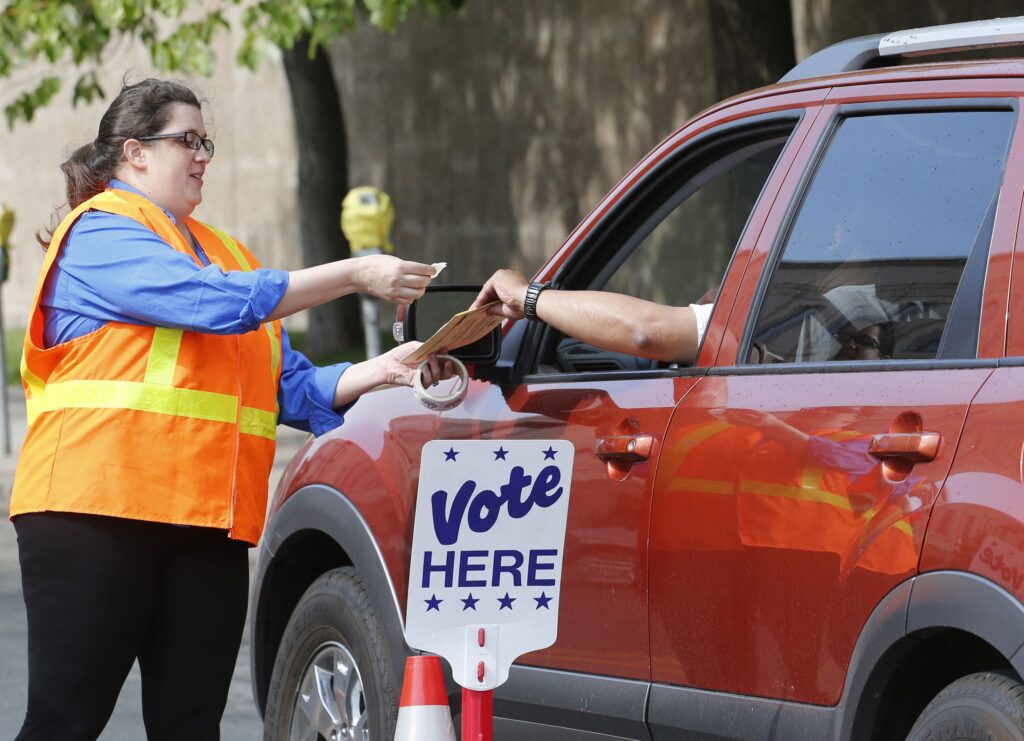
The Colorado Secretary of State’s Office has published the latest voter registration figures for the state and its counties as of June. Colorado ranks among the highest states for independent, or unaffiliated, voters. Only Alaska and Massachusetts have more. New Hampshire, New Jersey, Maine and Oregon also rank highly. So here...
A decade after Standing Rock protests, Dakota Access oil pipeline segment gets OK | OUT WEST ROUNDUP
The Associated Press
the-associated-press@coloradopolitics.com
Updated 5 days ago
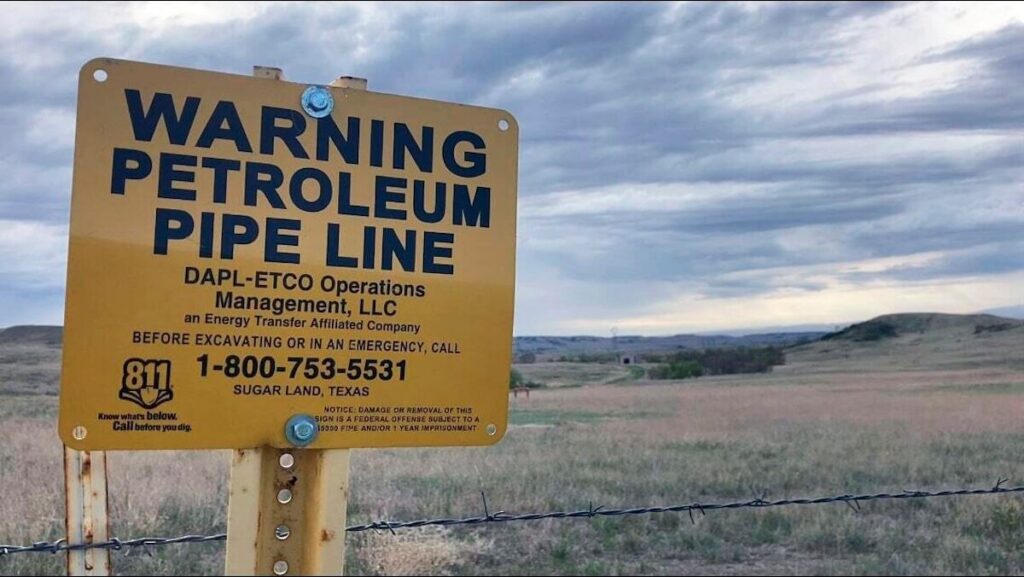
NORTH DAKOTA Pipeline segment OK’d BISMARCK — Federal officials on May 21 gave final approval for the Dakota Access oil pipeline to continue operating its contentious Missouri River crossing, an outcome that comes nearly a decade after boisterous protests against...
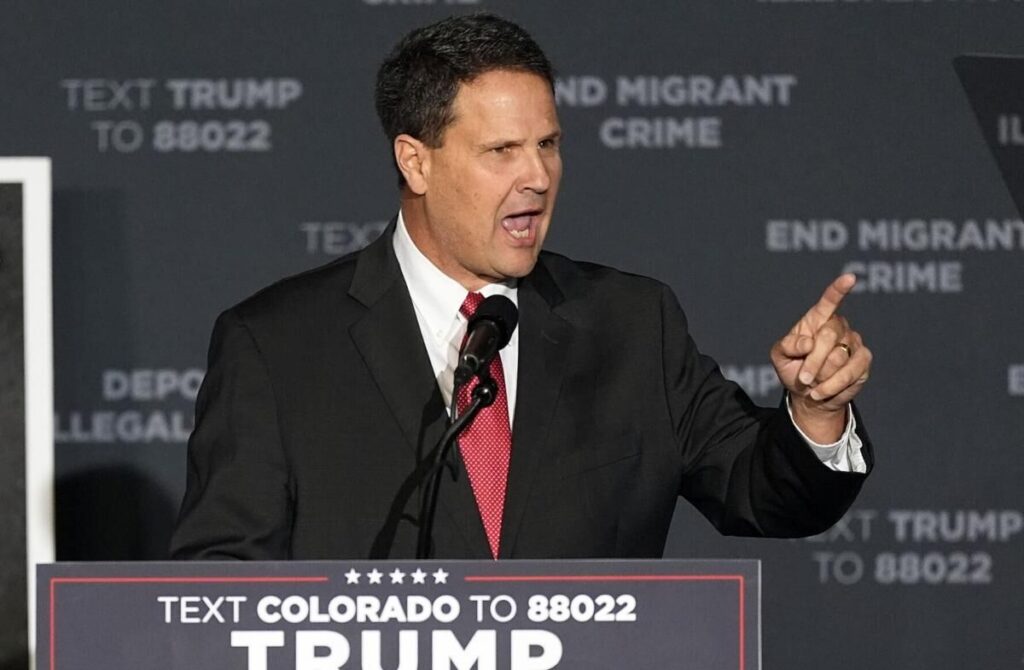
Rep. Jeff Crank thinks Democrats are too focused on Trump, not enough on Colorado Springs | Vince Bzdek
Vince Bzdek
vince.bzdek@gazette.com
Updated 19 hours ago
For U.S. Rep. Jeff Crank, who’s unopposed in the Republican primary for the 5th Congressional District but the main target of both candidates in the lively Democratic primary, the big question in the midterms is not who will stand up...

Colorado Politics Calendar June 22-28
Rachael Wright, Special to Colorado Politics
rachael.wright@coloradopolitics.com
Updated 5 days ago
CoPo’s weekly political calendar will help you find political and public-policy events throughout Colorado. It includes candidate and issue campaign events, public policy meetings, court hearings, state and local party conventions, assemblies, debates, rallies, parades, speaking engagements, traveling dignitary appearances,...
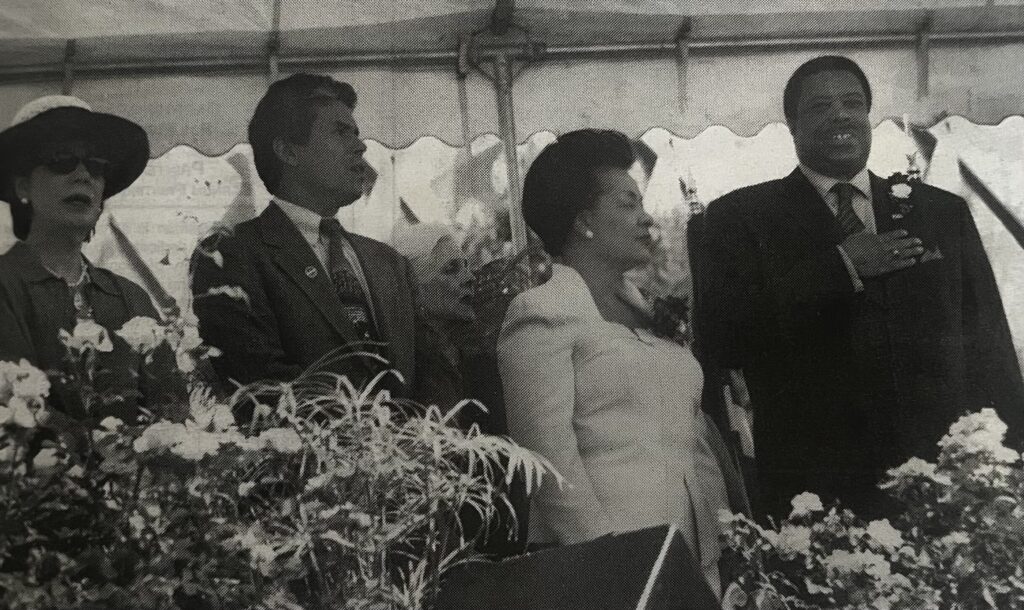
Vice president attends Denver event to support energy freedom; more news from the past | A LOOK BACK
Rachael Wright, Special to Colorado Politics
rachael.wright@coloradopolitics.com
Updated 5 days ago
Forty-Five Years Ago This Week: Vice President George H.W. Bush flew to Denver to address the annual meeting of the American Association of Petroleum Landmen, where he assured the audience that the Reagan administration’s strong belief was that the private...
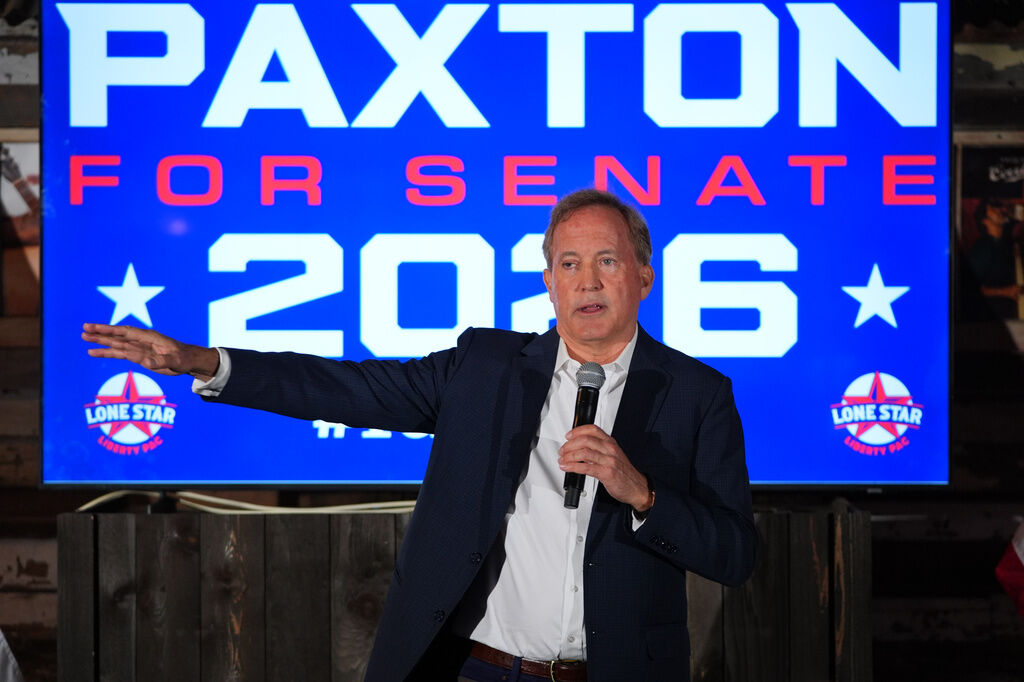
Does character matter anymore? | SONDERMANN
By Eric Sondermann
by-eric-sondermann@coloradopolitics.com
Updated 5 days ago
The last few weeks have been illuminating in the manner of a headlamp pointing the way to some deep, dark, murky netherworld. Graham Platner, a hero to the populist set on the Democratic side, became his party’s Senate nominee in...
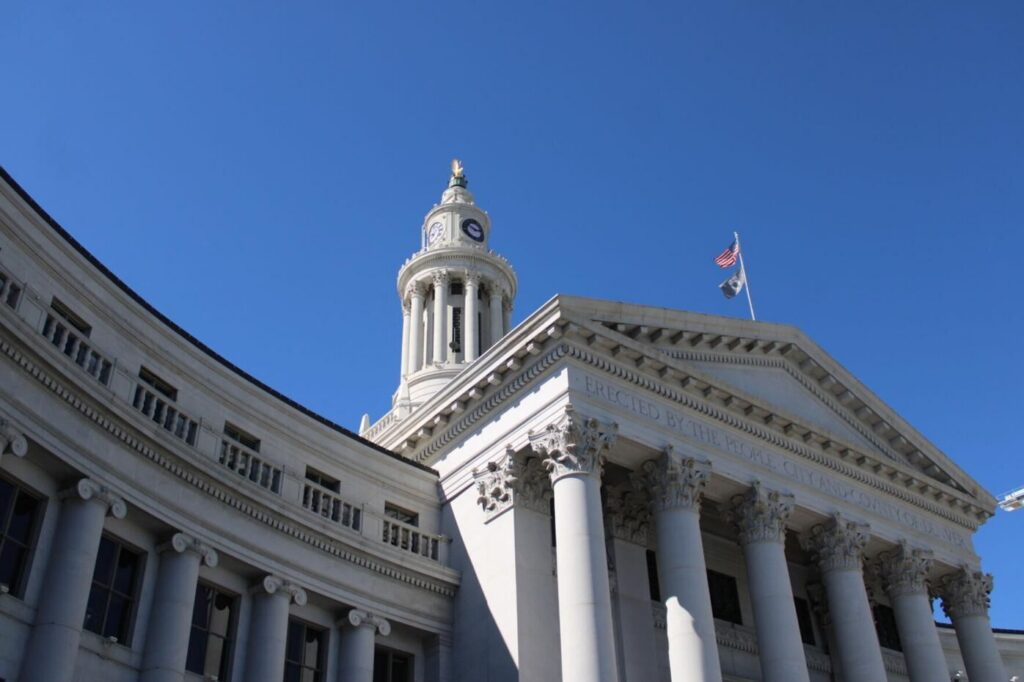
Denver City Council considers criminal code update
Deborah Grigsby
deborah.smith@denvergazette.com
Updated 2 hours ago
Returning to the Denver City Council chambers this week is an ordinance that would update the city’s criminal code to align local penalties with state laws and recent Colorado Supreme Court rulings. It primarily aims to reduce the maximum possible...
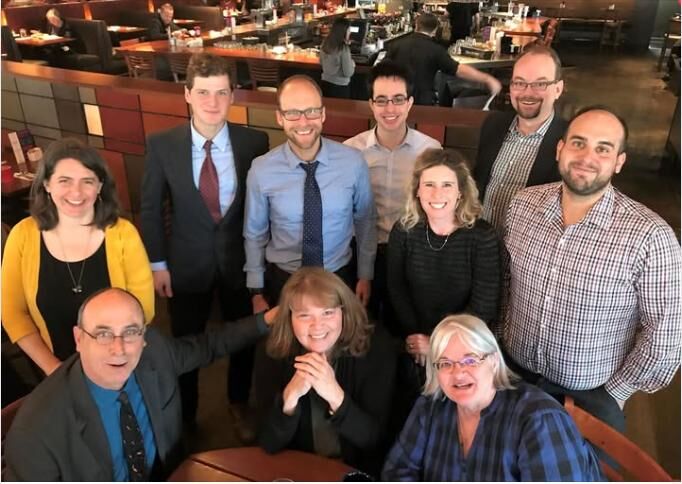
A special edition of Capitol M: In remembrance of the outrageous Lynn Bartels
Marianne Goodland
marianne.goodland@coloradopolitics.com
Updated 3 days ago
I had Lynn Bartels envy. For almost longer than I can remember. There, I said it. And it’s true. Lynn died Friday, age 69, after a short battle with glioblastoma. I was just heartsick when that news of her diagnosis...
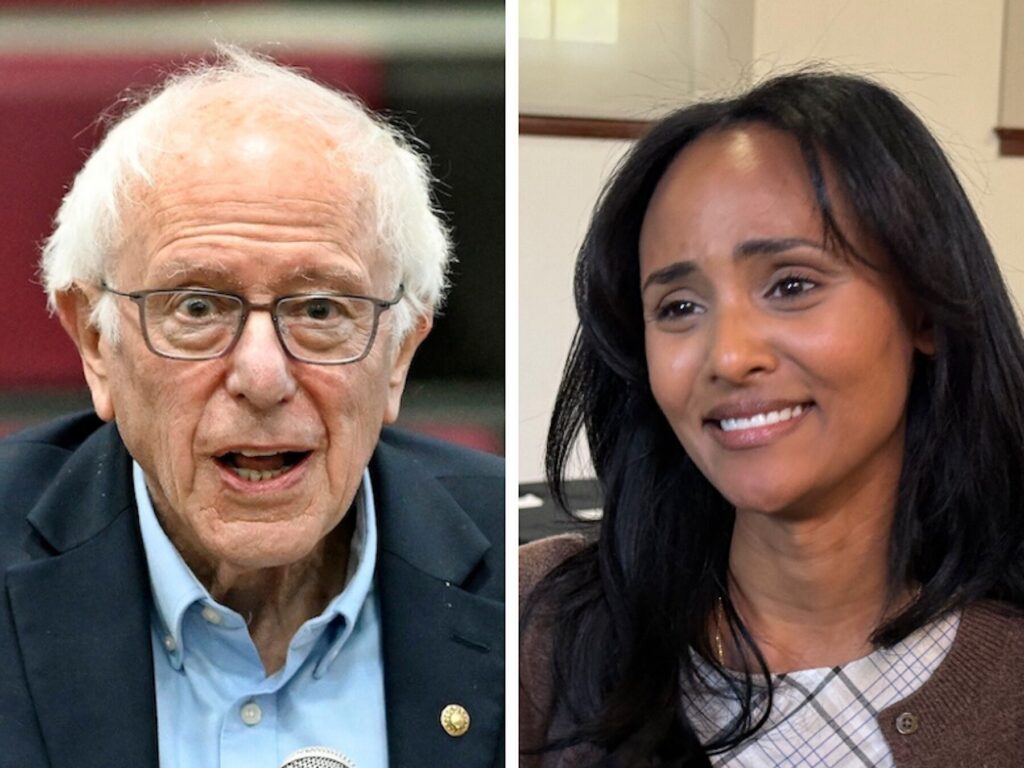
Bernie Sanders endorses DeGette challenger Melat Kiros in Colorado’s 1st CD Democratic primary
Ernest Luning
ernest.luning@coloradopolitics.com
Updated 3 days ago
U.S. Sen. Bernie Sanders on Friday endorsed congressional candidate Melat Kiros, one of two Democrats challenging 15-term U.S. Rep. Diana DeGette in Colorado’s June primary. Sanders, a Vermont independent who caucuses with the Democrats, called the 29-year-old Kiros “exactly the...
PREV
PREVIOUS
'This is a Bernie state': Joe Salazar considering run against Bennet in 2022 Democratic primary
Former state Rep. Joe Salazar, one of the first Colorado politicians to endorse Vermont Sen. Bernie Sanders’ presidential bid, is considering mounting a challenge against U.S. Sen. Michael Bennet in the 2022 primary, Colorado Politics has learned. The Thornton Democrat and executive director of the anti-fracking organization Colorado Rising said in an interview that he’s […]
Colorado ranchers see dividends in water for fish. Are they on to something?
Nathan Coombs, a burly alfalfa farmer in the San Luis Valley, never imagined he would trust an environmentalist enough to have a beer with one, much less partner with one to improve habitat for fish in the region’s rivers and streams. As manager of the Conejos Water Conservancy District, Coombs cares first and foremost about […]