

Colorado General Assembly to start 2021 session Wednesday with three working days
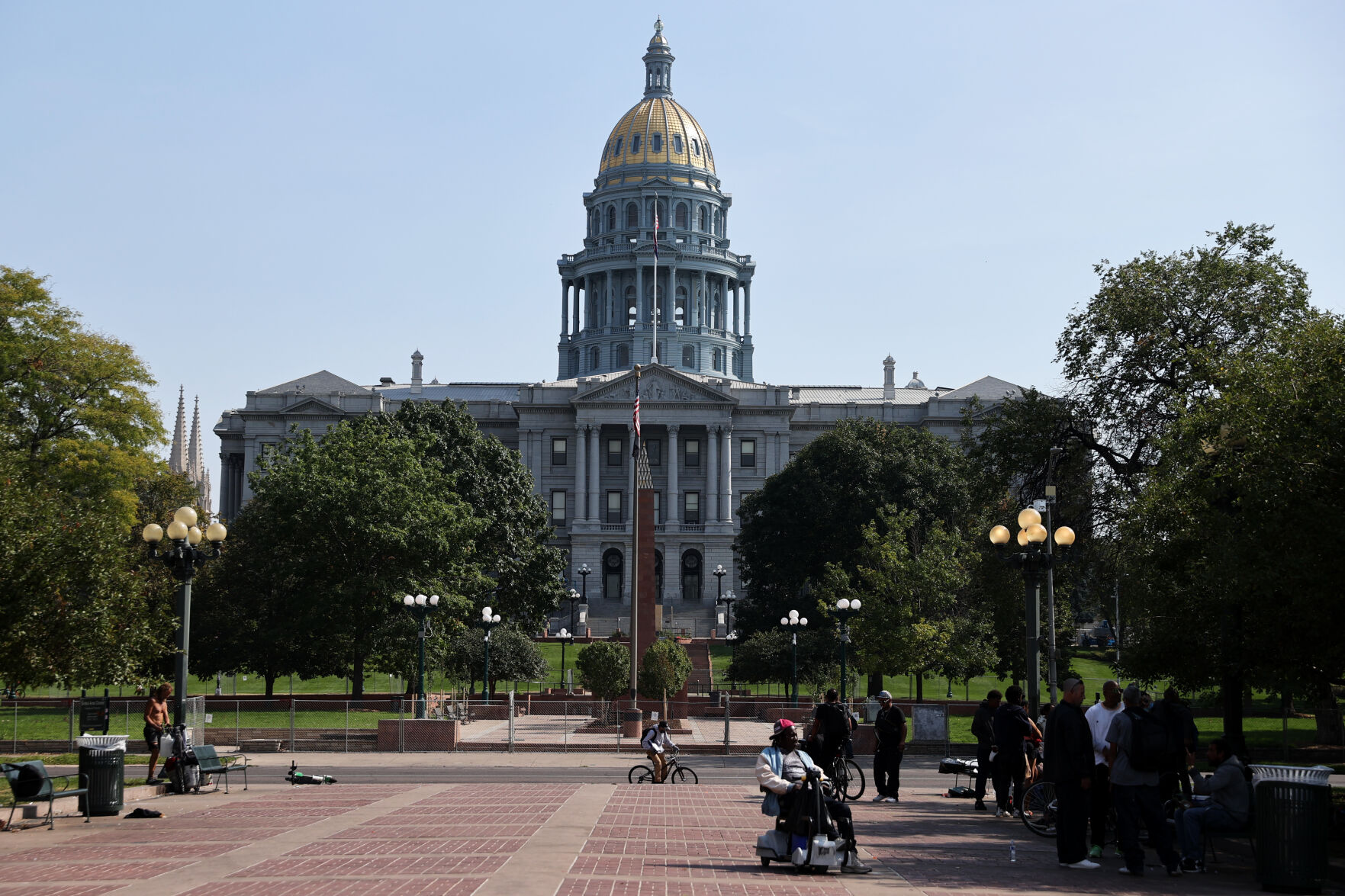
House and Senate Democratic leaders of the General Assembly announced Monday the legislature will come back on Wednesday as planned, to hold an initial three-day session, and then adjourn, probably until Feb. 16.
But legislative leaders will “play it by ear” on that return date, based on the data on COVID-19 infection rates available at that time, according to Senate Majority Leader Steve Fenberg of Boulder.
The first three days will allow lawmakers to be sworn in, deal with appointments, and work on at least six bills that are time-sensitive, primarily fixing errors in bills passed during the 2020 regular session and bills from the November special session.
Those bills could be available for public review later Monday, according to Speaker-elect of the House Alec Garnett of Denver.
Leaders said that during the adjournment, lawmakers will be working on other issues. That includes the Joint Budget Committee, which will continue to work on budget hearings, and preparing the slew of supplemental bills for state agencies that are expected to be introduced when the General Assembly comes back.
Lawmakers will also participate in SMART Act hearings during the adjournment. Those are annual hearings between state agencies and the committees of reference that hold oversight responsibilities. Lawmakers said Monday those hearings will be publicly available.
“Everything will look at lot different,” Garnett said Monday, noting that the bulk of the session work won’t start until the legislature returns from the adjournment. That also means that hundreds of bills usually introduced in the session’s opening days won’t see the light of day until the adjournment ends.
The three bills slated for introduction in the House later this week include:
- A bill on remote notarization of wills. Authority for remote notarization of wills expired last month. Practioners have been worried about having to do wills in person, Garnett explained.
- A bill to allow remote participation by lawmakers in committee meetings, including for the SMART Act hearings that will begin after the three-day session is over.
- A bill to change business income tax filings tied to the federal CARES Act.
In the Senate:
- A bill to extend the deadline around debt collection during a pandemic. A 2020 bill allowed for a temporary time out on new debt collections through Feb. 1, 2021.
- A small business relief bill passed during the special session needs to be modified due to a lawsuit over relief for minority-owned businesses. That bill will also provide additional time for counties, such as Denver, to get the aid from that bill out the door, according to Fenberg.
- A bill to fix an error in a 2020 bill on occupational therapists.
Among the big questions yet to be answered: just how long the General Assembly will meet in 2021, whether that’s the full 120 days or something less than that. Garnett said lawmakers are working more efficiently, the result of the pandemic’s impact on the 2020 session, and that lawmakers will be working throughout the adjournment.
“We will stay as long as we need to stay,” Fenberg added. “That could be 100 days or 120 days,” depending on what gets accomplished.
Lawmakers are getting vaccinated this week, although Garnett said due to HIPAA regulations they won’t know exactly who’s been vaccinated.
Gov. Jared Polis recently moved lawmakers into the category of essential government employees, meaning they could be vaccinated in the current phase, along with those 70 years of age and older.
Fenberg added that lawmakers are not taking vaccines away from others, and that it’s important for the continuation of state government that they be vaccinated. “There’s a lot of work we’re doing this year on providing relief,” Fenberg said. “I see this as something that is necessary so that we can meet safely.”
Leaders also addressed security questions in the wake of last week’s insurrection in Washington, D.C.
“I’m confident that the state patrol is planning for worst-case scenarios,” Fenberg said. The statehouse is for everyone, and “scare tactics won’t get in the way of the democratic process.”
“We are living in trying times,” Garnett said. “We will take every precaution we need to take.”
As to the return date, Fenberg said that while Feb. 16 is the target, there could be things that come up that could delay that return.
“A month during COVID is like a lifetime. We will play it by ear.”
Polis had previously announced that the State of the State address, which usually takes place on the second day of the session, will be postponed until February.


Trump lowers flags to half-staff for Dolly Parton: ‘The World loves you’
Naomi Lim
naomi-lim@coloradopolitics.com
Updated 13 hours ago
President Donald Trump is honoring the life of country music legend and philanthropist Dolly Parton by ordering federal buildings across the country to lower flags to half-staff for a week. “Very sad to report that Dolly Parton, one of the...
Ted Cruz suggests GOP realignment coming after Trump leaves office
Emily Hallas
emily-hallas@coloradopolitics.com
Updated 13 hours ago
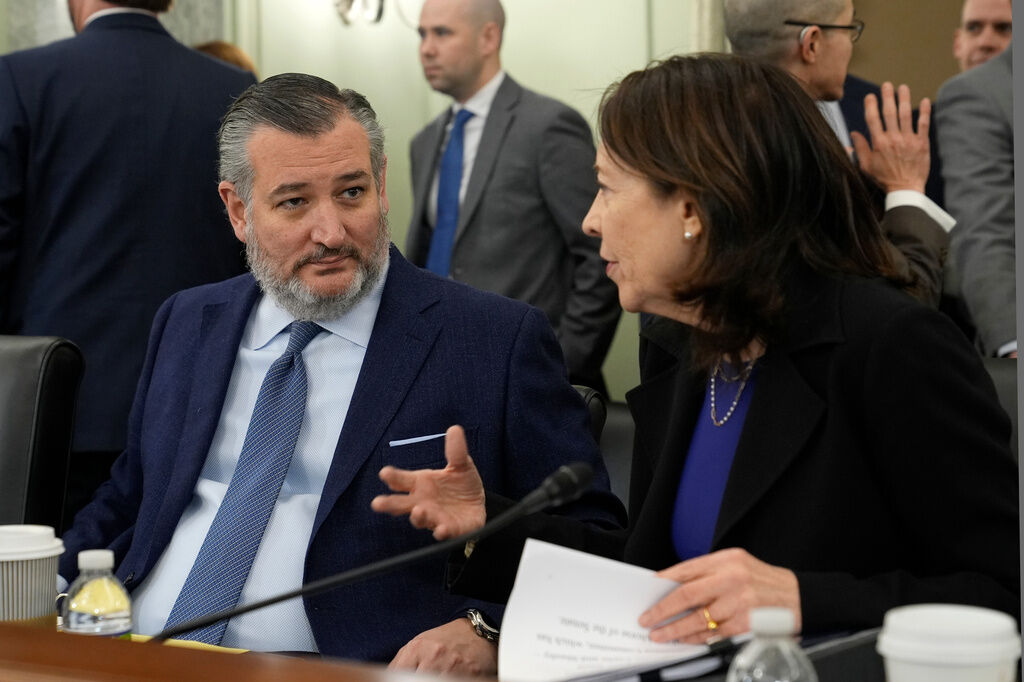
Sen. Ted Cruz (R-TX) on Monday suggested the Republican Party could embrace a directional shift after President Donald Trump leaves office, a transition that promises to leave a gaping hole in the GOP. Cruz is known as a critical ally...
2 Colorado State troopers shot near Woodland Park; suspect killed
DEBBIE KELLEY
debbie-kelley@coloradopolitics.com
Updated 13 hours ago
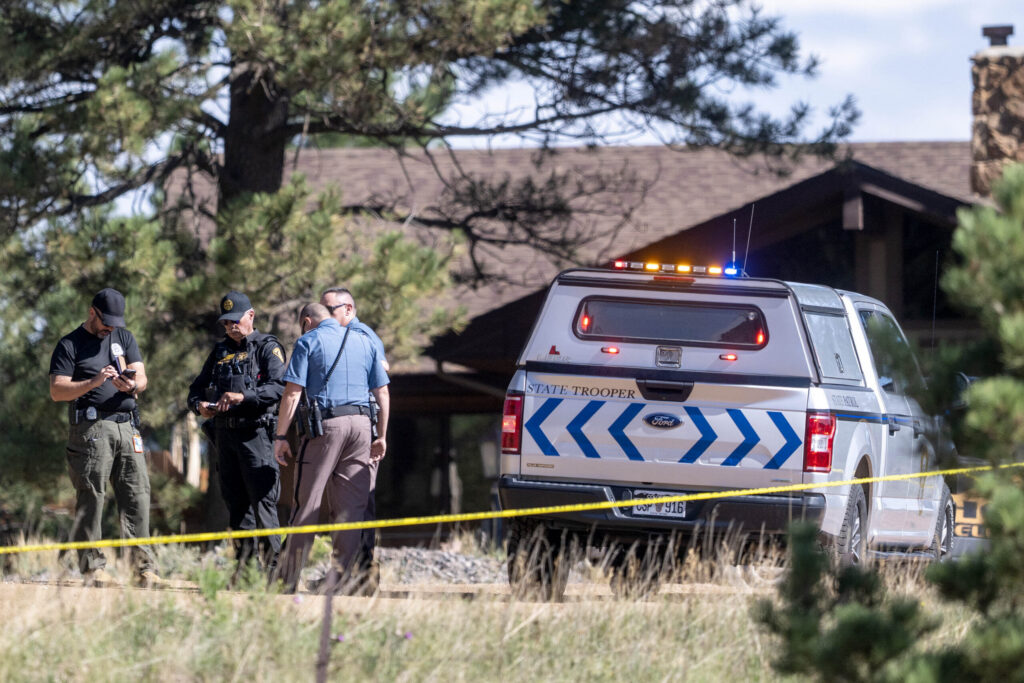
Two Colorado State Patrol troopers were hospitalized, and a suspect is dead after a shooting during a traffic stop Tuesday. The initial incident happened at about 7:15 a.m., when a resident reported suspicious activity in the area near milepost 286...
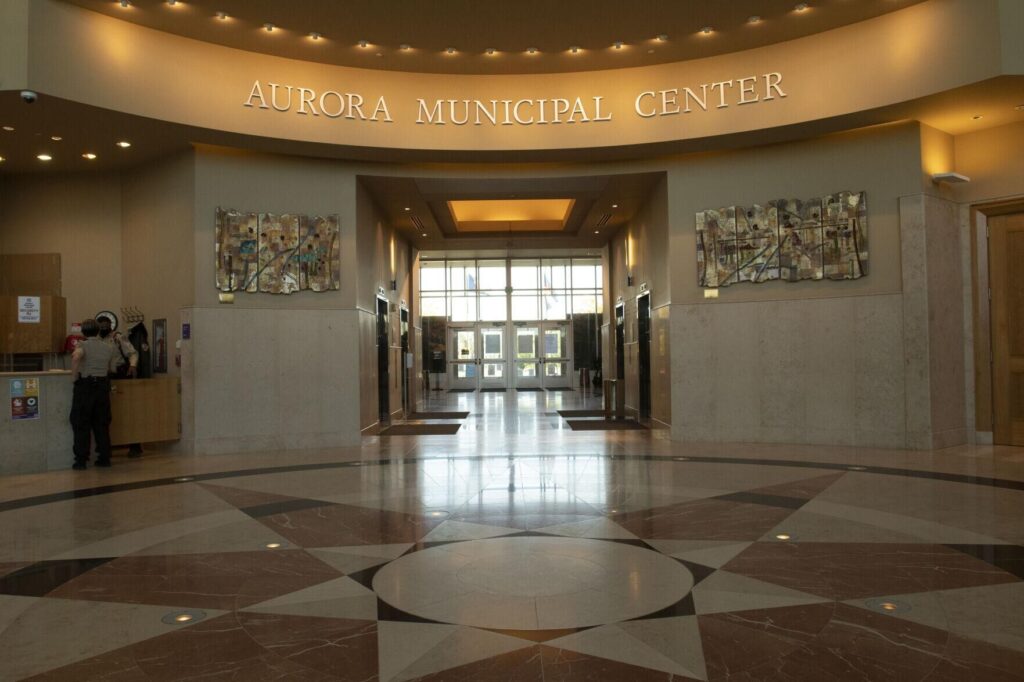
Aurora moves forward with data center regulations
Kyla Pearce
kyla.pearce@gazette.com
Updated 13 hours ago
The Aurora City Council approved moving forward with two new regulations on data centers and directed staff to come back at the next study session with others. At a council meeting in early August, council members directed city management to...

Aurora City Council considers stricter food truck regulations
Kyla Pearce
kyla.pearce@gazette.com
Updated 13 hours ago
The Aurora City Council is considering passing laws to limit the number of food trucks on properties in the city and how and when they operate. Councilmember Angela Lawson, who sponsored the ordinance, said she understands the importance of food...
Denver murder conviction reversed for incomplete self-defense instruction
Michael Karlik
michael.karlik@coloradopolitics.com
Updated 11 hours ago
Colorado’s second-highest court reversed a defendant’s murder conviction last week because a Denver judge gave an incomplete instruction to the jury about the man’s right to self-defense. Donald R. Gonzales and Gary McLaughlin met up in a Capitol Hill parking...
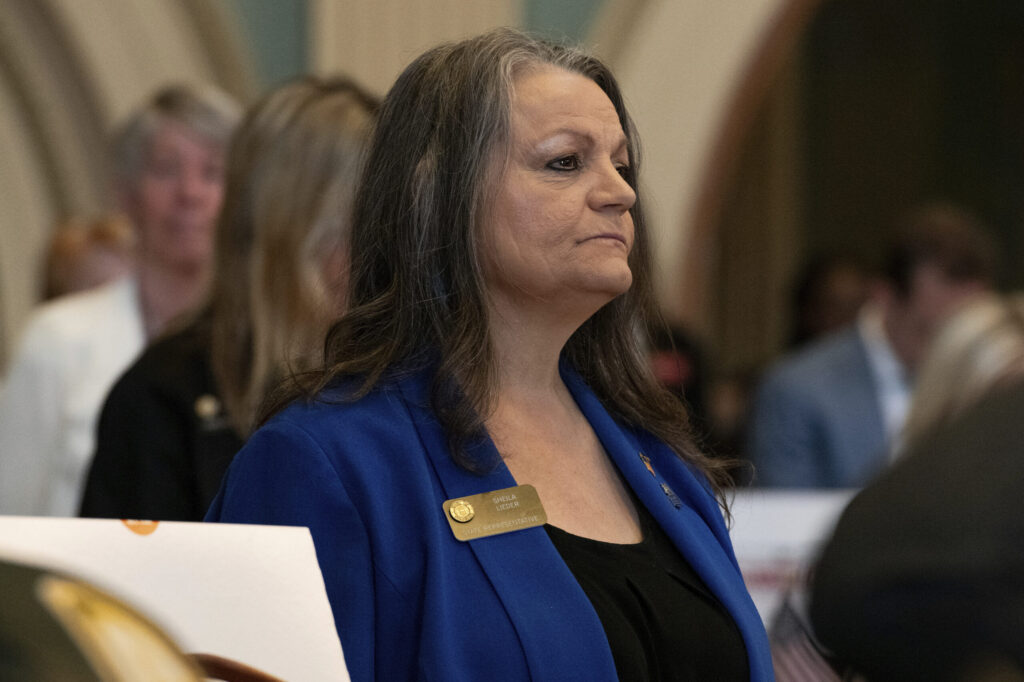
Colorado lawmaker, House leaders named in workplace-retaliation lawsuit
Marianne Goodland
marianne.goodland@coloradopolitics.com
Updated 14 hours ago
A former legislative aide has filed a lawsuit alleging she was mistreated, illegally directed to perform campaign work and harmed by a House leadership structure she charged was fragmented, politicized and ineffective at protecting employees. The lawsuit, filed by Jennifer...

Secret Service confirms awareness of Iranian state media video threatening Barron Trump’s life
The Associated Press
the-associated-press@coloradopolitics.com
Updated 18 hours ago
WASHINGTON (AP) — The U.S. Secret Service has confirmed it is aware that Iranian state media has aired a video that appears to threaten the life of Barron Trump, President Donald Trump’s youngest son. “The U.S. Secret Service is aware...
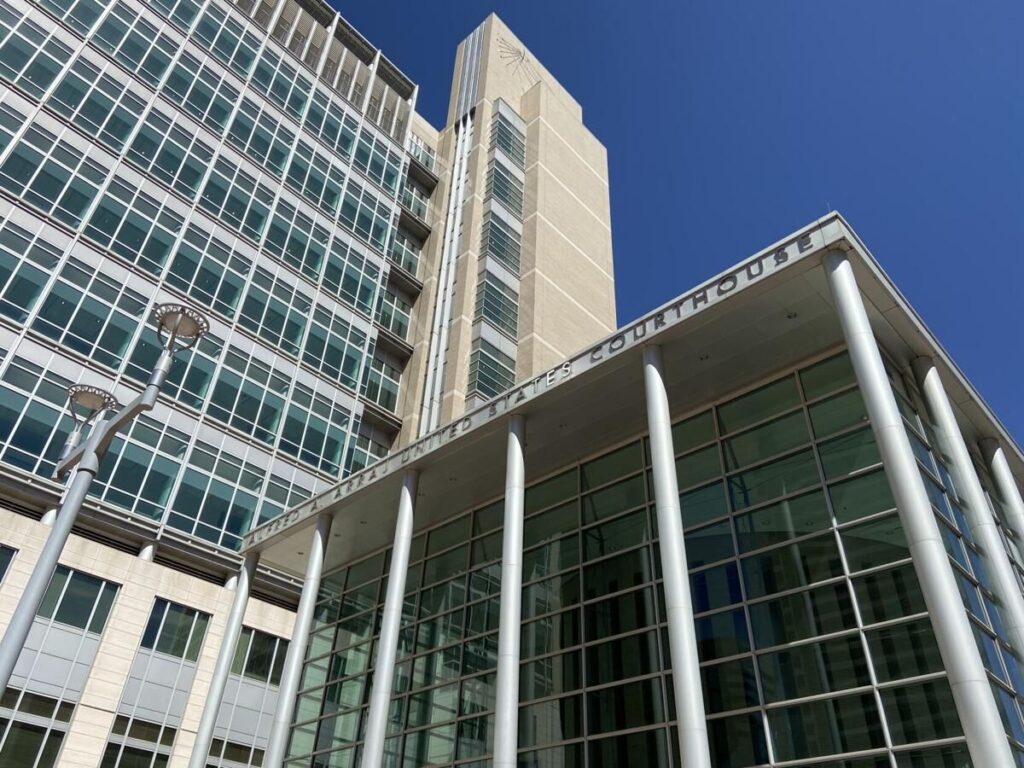
Federal judge hears arguments about Colorado’s 3-day gun purchase waiting period
Michael Karlik
michael.karlik@coloradopolitics.com
Updated 18 hours ago
A federal judge heard arguments on Monday about the constitutionality of a 2023 Colorado law that generally imposes a three-day waiting period on firearm purchases after the initiation of a background check. The test that the U.S. Supreme Court created...
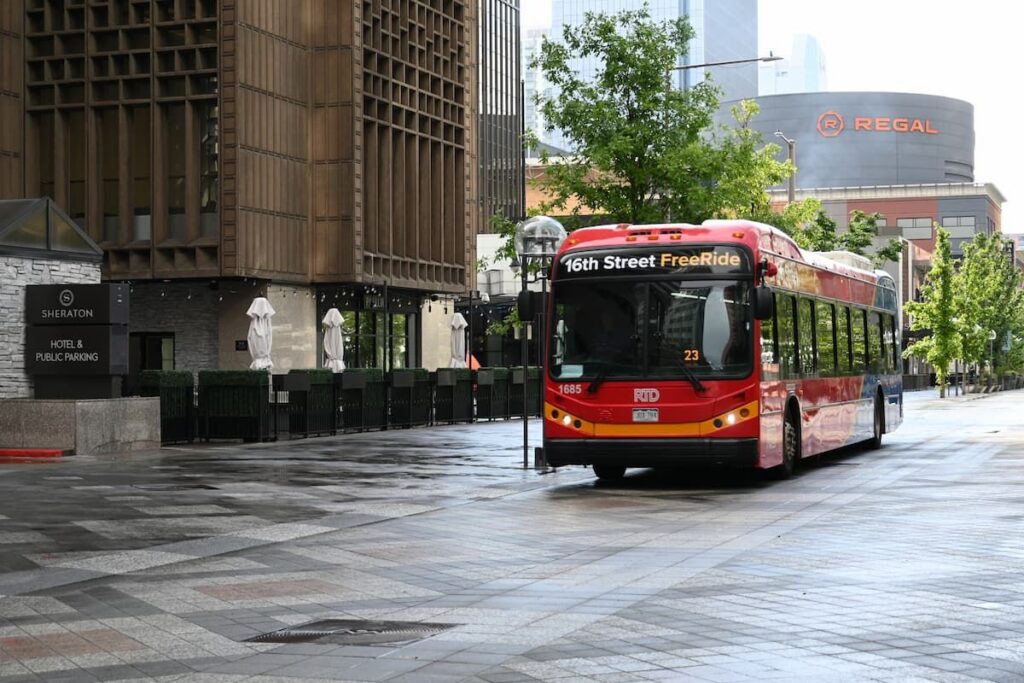
Denver auditor finds oversight failures in $175.6M 16th Street project
Nico Brambila
nico.brambila@denvergazette.com
Updated 13 hours ago
Surprise historic sewer discovery delayed completion a year, cost $18M The Denver Auditor recently found significant oversight and contracting problems with the $175.6 million 16th Street Improvement Project, including an $18 million contract increase and a nearly one-year extension that...
PREV
PREVIOUS

Army secretary to Crow: Domestic terror threats possible leading up to inauguration
There have been at least 25 opened domestic terrorism cases stemming from the Jan. 6 insurrection at the U.S. Capitol, and the military is aware of further potential threats from “would-be terrorists.” Those were among the revelations from Army Secretary Ryan D. McCarthy to U.S. Rep. Jason Crow on a Jan. 10 call regarding last […]

Free COVID-19 community testing site to open in Westminster
The Colorado Department of Public Health and Environment is opening another free COVID-19 community testing site Tuesday in Westminster. The testing site, at 10685 Westminster Blvd., will be open daily from 8 a.m. to 6 p.m. It will be operated in partnership with CDPHE, the city of Westminster and Mako Medical. Walk-ins are available at […]