

COLORADO SPECIAL SESSION | 10 bills await final reviews as proceedings calm down on Day Two
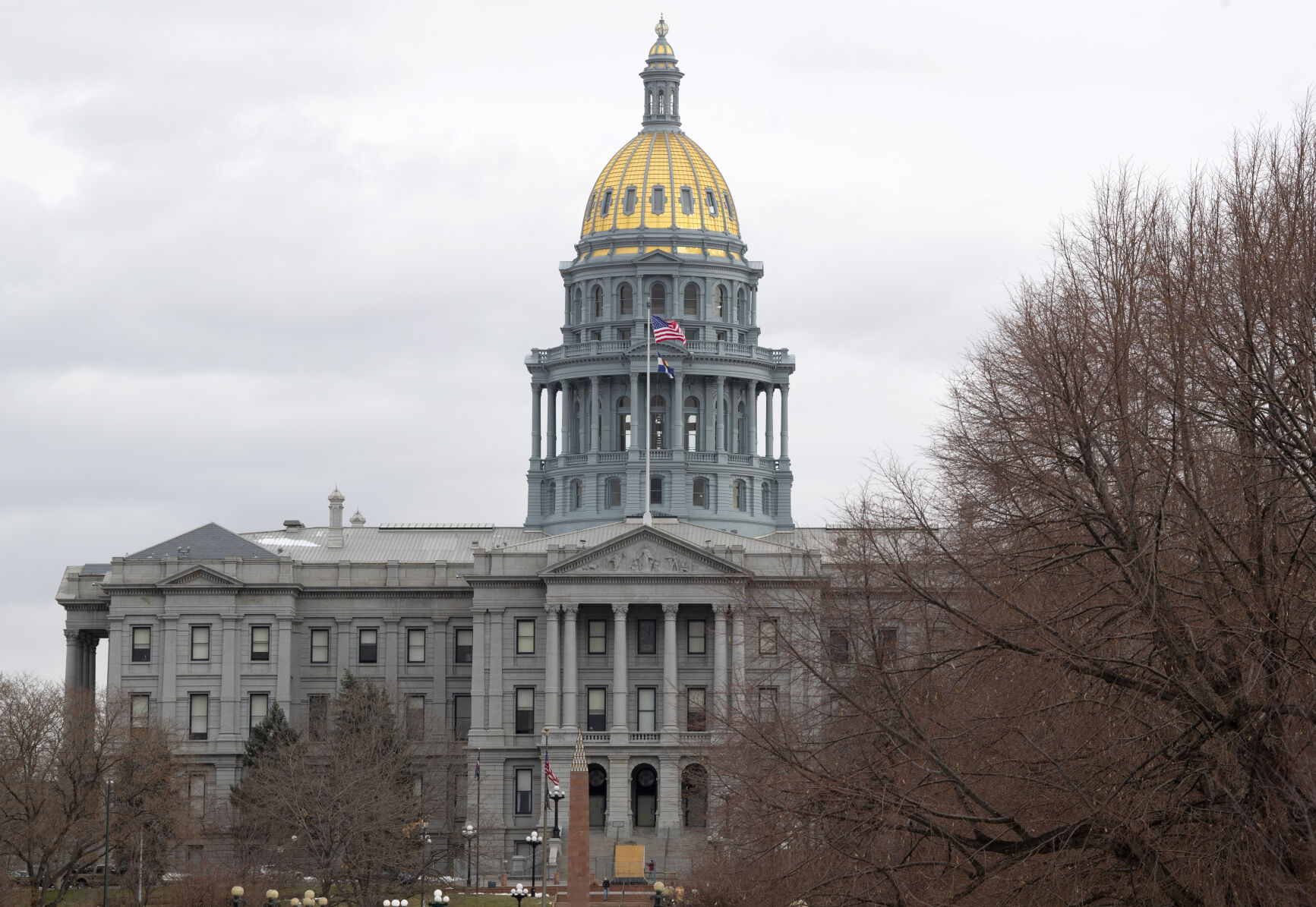
Day Two of the 2020 General Assembly’s special session saw less drama than on Day One, and with 10 bills left moving into what’s expected to be the final day.
The House picked up the Senate bills that passed that chamber early Tuesday on unanimous or near-unanimous votes. The Senate began their quick work on seven House bills that mostly won bipartisan support Tuesday morning.
One bill, however, didn’t make it to the end of the day.
House Bill 20B-1007 was intended to fix an error from the 2020 regular session on occupational therapy practices. The bill ran into trouble, not because no one wanted to fix the problem, but because lawmakers feared it wouldn’t pass constitutional muster because it wasn’t closely tied to the governor’s requirements for the special session.
Rep. Jonathan Singer, D-Longmont, and Senate Minority Leader Chris Holbert of Parker both pointed to a Legal Services memo that discussed the standard for deciding whether a bill fits under the governor’s call. Colorado Supreme Court rulings have given the legislature a bit of latitude on that meaning , according to the memo. A bill should have a “rational nexus” to something in the call, the memo stated.
Singer, on Monday, and Holbert, during a Tuesday Senate Finance Committee hearing, noted that occupational therapists have been providing telehealth services during the pandemic, but the error in the law could jeopardize their licenses.
But those pleas weren’t persuasive to Democrats on the finance committee Tuesday, who want a permanent, clean fix of the bill without raising constitutional concerns.
That same hearing prompted two Democrats to advocate for a full-time legislature. Sens. Julie Gonzales and Chris Hansen, both of Denver, noted that a full-time legislature would have had an opportunity to fix the problem instead of waiting for the next session.
That prompted disregard from Republican Sen. Paul Lundeen of Monument. “To conclude we need to go to a full-time legislature is a bit of stretch,” Lundeen said. “We create more mischief when we’re doing business than when we’re not.”
So then there were 10.
The Senate made quick work of its evening debate calendar, finishing its work for the day by 5 p.m. This included passage of:
- House Bill 1001, which would provide grants to expand internet access for K-12 students, teachers and districts that rely on remote learning during the pandemic. That bill comes with a $20 million price tag.
- House Bill 1002, which would provide direct aid to child care providers, many of whom struggle to stay open with fewer children and COVID-19 risks. Total cost: $45 million.
- House Bill 1003, which would send $5 million to the nonprofit Energy Outreach Colorado to assist Coloradans who are struggling to pay utility bills.
- House Bill 1004, which would allow restaurants, bars and food trucks to retain the state’s 2.9% sales tax, to a maximum of $2,000, to be used for rent or other business purposes. That sales tax holiday would last for four months beginning in November 2020.
The Senate amended the bill’s legislative declaration Tuesday evening – yes, for once, that actually matters, according to sponsor Sen. Jeff Bridges, D-Greenwood Village – because the bill has a major impact on the economy, something that must be affirmatively stated.
Co-sponsor Sen. Jack Tate, R-Centennial, pointed to comments made earlier in the day by Sen. Rob Woodward, R-Loveland, about whether allowing those businesses to keep a 2.9% sales tax would make any difference.
“This meaningful tax relief only makes sense if the business is getting revenue,” Tate said. “I’m going to beat that dead horse for maybe another 18 hours,” predicting the end of the special session as well as his time as a lawmaker, since he didn’t run for re-election.
House Bill 1005, which was not identified as specific to the special session call, also cleared the Senate on second reading Tuesday. The bill allows local governments to cap the fees charged to restaurants by food delivery services. It drew opposition from Woodward, who said small-scale entrepreneurs would be kept out of that market. But Tate replied that “there’s no free market anymore” under the pandemic, and that out-of-state delivery companies – DoorDash, UberEats and others, are exploiting the market.
House Bill 1006, also not specifically a part of the call, deals with the sale of premium insurance tax credits, and was pushed by state Treasurer Dave Young. It applies to the CLIMBER Act, a small business loan recovery program that was part of COVID-19 relief and passed during the 2020 regular session.
Treasury is scheduled to close on the sale of those credits later this month, according to sponsor Sen. Rachel Zenzinger, D-Arvada, but the sale mechanism was not correctly outlined in the original bill. Hence HB1006, which corrects the issues so that the state gets the best return on those sales.
Zenzinger acknowledged the bill was not part of the call, but said the bill touches on both housing and small business relief tied to the pandemic.
Meanwhile, the House of Representatives passed four bills on second reading that originated in the Senate, defeating Republicans’ amendments aimed at limiting the emergency powers of Gov. Jared Polis – but sometimes only narrowly.
One of the contentious measures was Senate Bill 4, a $100 million transfer from the general fund to the Controlled Maintenance Trust Fund, which the governor could then move to the account for disaster spending. Bill sponsor Rep. Julie McCluskie, D-Dillon, who is also the vice chair of the Joint Budget Committee, said the bill was necessary to front money that the Federal Emergency Management Agency has delayed sending to the state. COVID-19 tests, of which 25,000 are administered per day, are the main driver of costs.
However, Rep. Dave Williams, R-Colorado Springs, offered an amendment that sought to exempt faith houses from COVID-19 restrictions – a sentiment that many GOP members shared.
“Freedom can be risky at times, and our First Amendment rights shouldn’t be diluted,” argued Rep. Shane Sandridge, R-Colorado Springs. “We need to let people decide how much risk they want to take.”
McCluskie argued her bill was not the proper place to take a stand against public health orders. Rep. Mike Weissman, D-Aurora, contended the amendment would carve out religious institutions from health directives, “saying they should be entirely apart from any degree of public health protections that science might indicate.”
The amendment failed along party lines, with Rep. Donald Valdez, D-La Jara, joining Republicans.
Further amendments from Williams to require any federal funding to the state to undergo appropriation by the General Assembly were also lost.
Minority party members also took aim at Senate Bill 1 – which would appropriate $57.1 million to help arts and cultural organizations and small businesses – by raising a series of amendments related to COVID-19 directives.
Williams offered several: one to expand relief eligibility, which would have spread limited money among more entities; one that would allow businesses to operate at 100% capacity as long as they implemented COVID-19 protocols; and the other to allow businesses to operate at 50% capacity. Rep. Larry Liston, R-Colorado Springs, offered two more amendments, allowing for 75% and 73% capacity.
Colorado’s current “dial” framework for counties has capacity limits ranging from 10% to 50%.
Several Democrats in the 41-member majority voted for the attempts to allow greater business capacity. Williams’ amendment for 100% capacity failed by 30-34, while the 50% proposal was lost by a narrow 31-33. Democratic Reps. Valdez, Lisa Cutter, Brianna Titone, Tom Sullivan, Barbara McLachlan, Tony Exum Sr., and Kerry Tipper voted in the affirmative. Rep. Colin Larson, R-Littleton, did not vote, citing a potential conflict of interest involving a coffee shop he owned.
Rep. Rod Pelton, R-Cheyenne Wells, also put forth an amendment to allocate $3 million of aid for agricultural events, which also failed by a close 31-33 vote, with several Democrats representing rural areas siding with the proposal.
Finally, House members advanced a bill to provide $60 million largely in housing and evictions assistance and a measure to transfer $5 million to the low-income energy assistance fund.
Final consideration of the bills will occur in the House on Wednesday morning. The Senate will also take final votes on bills that originated in the House at the beginning of the extraordinary session. Bills amended in either chamber Tuesday will have to head home on Wednesday for concurrence decisions on those amendments.

House Ethics Committee to begin hearing on Weinberg complaint
Marianne Goodland
marianne.goodland@coloradopolitics.com
Updated 2 hours ago
The House Ethics Committee on Tuesday will begin a hearing requested by Rep. Ron Weinberg, R-Loveland, tied to an ethics complaint filed against him by Rep. Brandi Bradley, R-Roxborough Park. The ethics committee had found probable cause on two issues...

Iran war enters next phase of destroying entire missile supply chain: Hegseth
Brady Knox, Washington Examiner
brady.knox.washington.examiner@gazetteedit.wpenginepowered.com
Updated 3 hours ago
Secretary of War Pete Hegseth said the war with Iran was entering a new phase, as the United States was focusing on destroying Tehran’s defense industrial base. At a Friday Pentagon briefing, Hegseth and Gen. Dan Caine, chairman of the Joint...
Colorado plans to slash interim committee work amid budget woes
Marianne Goodland
marianne.goodland@coloradopolitics.com
Updated 3 hours ago
In a tight budget year, the work of interim committees — those off-session groups that look at transportation, agriculture, water, healthcare, wildfires, pensions, and anything else that lawmakers want to look at — is on the chopping block. And this...
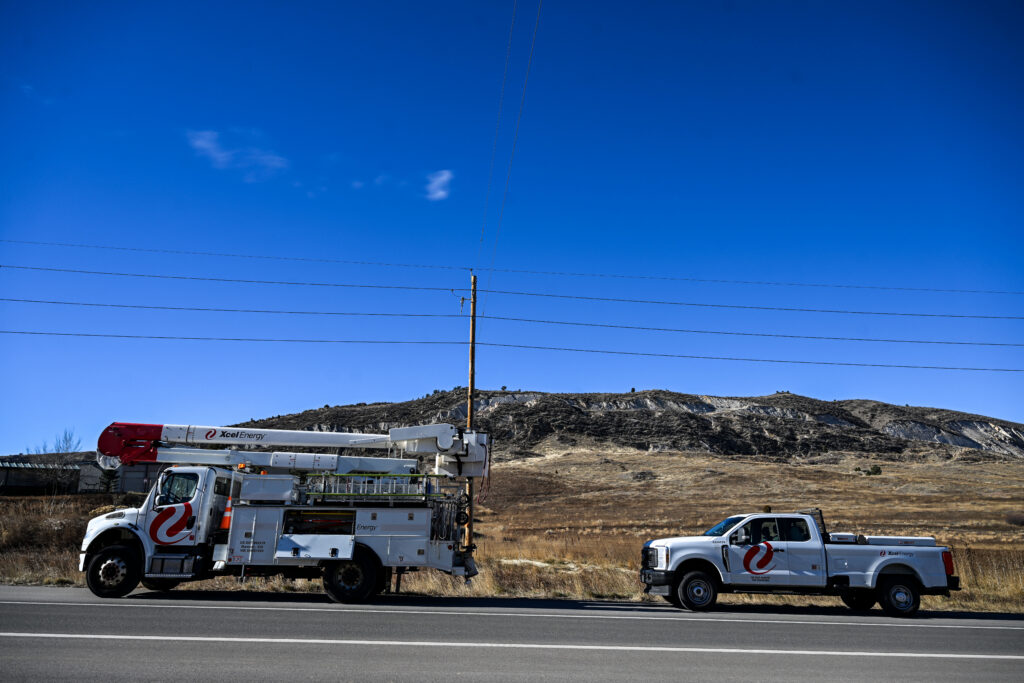
Xcel Energy: Power shutoff ‘likely’ Saturday in Boulder, Jefferson counties
Dan Boniface
dan.boniface@denvergazette.com
Updated 3 hours ago
Up to 43,000 residents in parts of Boulder and Jefferson counties should be prepared to have their power shut off Saturday afternoon, Xcel Energy said. The power company said it was “planning for a likely Public Safety Power Shutoff (PSPS)...

Colorado GOP chair Brita Horn says she’ll resign next month, points to ‘divide within our party’
Ernest Luning
ernest.luning@coloradopolitics.com
Updated 20 hours ago
Colorado Republican Party Chair Brita Horn said Thursday that she will resign her position next month following the GOP’s state assembly, citing what she described as an “enduring divide” within the party “marked by vitriol and hostility.” Horn’s announcement came...
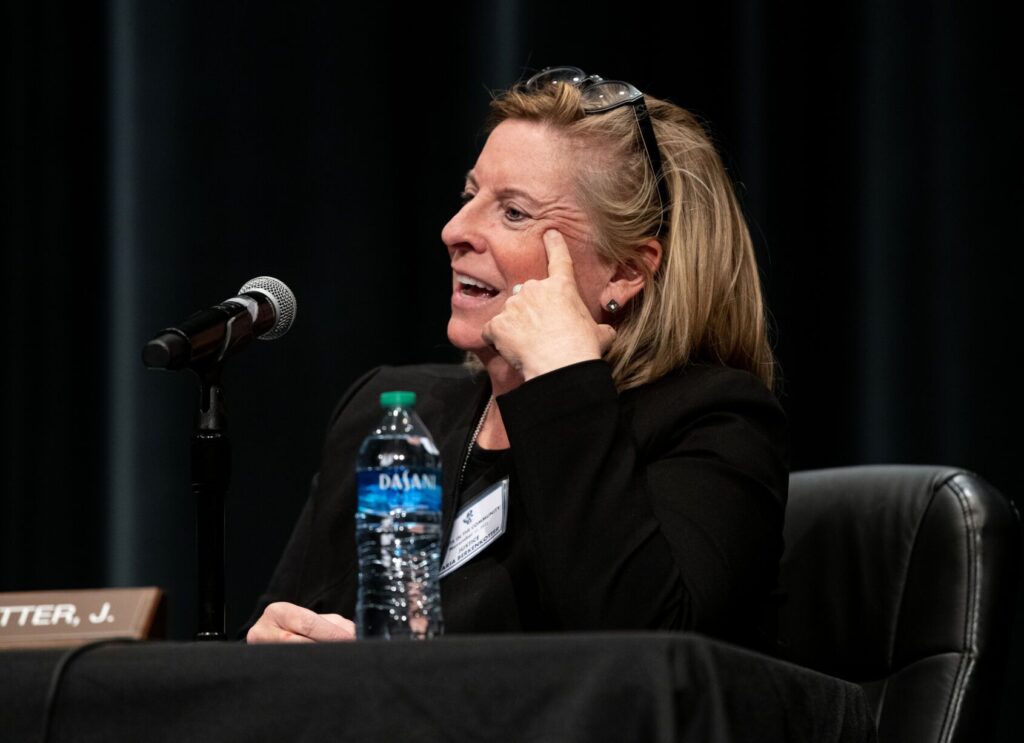
Colorado justices skeptical of appellate court’s limitation on prosecution’s appeal
Michael Karlik
michael.karlik@coloradopolitics.com
Updated 24 hours ago
The Colorado Supreme Court seemed skeptical on Tuesday that Denver prosecutors should be barred from appealing a trial judge’s permanent dismissal of a criminal case, based upon the sequence of events after the original ruling. Prosecutors charged Quinn M. Jebe...
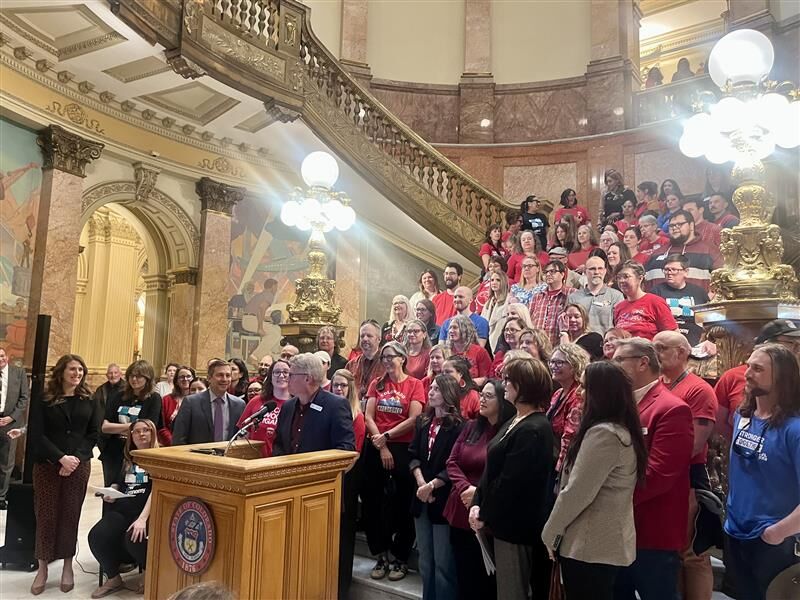
Senate committee moves forward with Colorado ballot measure to redirect TABOR refunds to schools
Marianne Goodland
marianne.goodland@coloradopolitics.com
Updated 3 hours ago
A Senate panel on Thursday voted along party lines to move forward with a bill that would ask voters for permission to eliminate Taxpayer’s Bill of Rights refunds and redirect those dollars to K-12 public education. The 6-3 vote in...

Federal judge: Government violated order shielding man from deportation in ‘one-off mistake’
Michael Karlik
michael.karlik@coloradopolitics.com
Updated 1 day ago
A federal judge acknowledged on Thursday that the government violated his order by deporting a man in immigration detention during his pending court case, but it “serves nobody’s interests” to require the government to return him. On Feb. 18, Tesfami...

Wolf depredation payouts in Colorado top $700,000 in 2025
Marianne Goodland
marianne.goodland@coloradopolitics.com
Updated 3 hours ago
The Colorado Parks and Wildlife Commission approved more than $706,000 in wolf depredation claims for 2025 during its March meeting last week, an amount that exceeds the state’s annual wolf compensation fund by more than double. The commission rejected another...

U.S. intelligence report suggests Iranian regime is not at risk of imminent collapse
Washington Examiner Staff, Washington Examiner
washington.examiner.staff.washington.examiner@gazetteedit.wpenginepowered.com
Updated 1 day ago
Washington Examiner Recent U.S. intelligence reports have assessed that after nearly two weeks of Operation Epic Fury, Iran’s government leadership is not in danger of imminent collapse. The evaluation comes after 12 days of regular military strikes by United States...
PREV
PREVIOUS
'Going to the principal's office?' Dem. lawmakers explain speaker's abrupt committee intervention
Democrats in the House of Representatives were quick to clarify the interruption of a committee hearing on Tuesday afternoon by Speaker of the House KC Becker, who summoned a lawmaker out of the room immediately after he finished proposing an amendment to a rental relief bill. “The optics? If I were sitting on the other […]
COLORADO SPECIAL SESSION LIVE BLOG, Day Three | Legislators adjourn with passage of 10 bills for pandemic recovery
Day 3 of the “extraordinary session,” as it’s officially known, gets under way today at 9 a.m. in the Senate and 10 a.m. in the House at the state Capitol. Ten bills on pandemic relief of the 33 introduced Monday are still in the works. The session is expected to wrap up by mid-day. Which […]