

Gov. Jared Polis issues call for special session to start Nov. 30, raises price tag in Thursday interview

Colorado’s special legislative session on COVID-19 relief will begin on Monday, Nov. 30 at 10 a.m., according to an executive order issued by Gov. Jared Polis late Thursday – the same day he said he was looking at a $300-400 million stimulus package, up from the $200 million figure he gave Tuesday.
While the executive order doesn’t set a specific budget amount, Polis told Robert Costa of the Washington Post on Thursday during a live-streamed interview that he’s looking at a more expensive package than originally announced at a Tuesday news conference, where he threw out a figure of around $200 million.
The stimulus package will address seven areas of need, including three not previously disclosed, according to a press release from the governor’s office. The areas of previously identified relief are:
- Small business tax breaks and direct assistance: Under the executive order, direct aid would be made available to businesses impacted by capacity limits, including gyms, restaurants, bars, arts and culture venues and event-related businesses. In addition, emergency sales tax relief would go to “public health order-impacted eating and drinking establishments,” allowing them to retain up to $2,000 per month of the 2.9% gross sales tax they already collect. The aid would include a third part: waiver of licensing fees associated with the sale of liquor, and fees “associated with the establishment or operation of a retail food establishment.”
- Housing and rental assistance: Renters and landlords would receive assistance through existing programs within the Department of Local Affairs’ Division of Housing, such as the Property Owner Preservation program and the Emergency Housing Assistance program. The order also points to assistance through the Housing Counseling Assistance Program, a joint operation between the state and Brothers Redevelopment, and the nonprofit Left Behind Workers Fund.
- Relief for child care providers: Assistance would come through existing sustainability grants in the Colorado Department of Human Services (CDHS) for current child care providers and support for startup or expansions costs for child care providers in child care deserts or other areas of the state hard hit by COVID-19.
- Internet access for education: The order calls for “expanding broadband and Wi-Fi access for educational purposes for P-12 students and teachers.”
The areas not previously disclosed include:
- Support for the food pantry assistance program within CDHS that would go to food pantries and food banks.
- Assistance with utility bills. Coloradans hit by financial hardship from the pandemic would be able to tap help from the state’s Energy Outreach Colorado low-income energy assistance program.
- Additional funding for the state’s Disaster Emergency Fun for public health expenses.
The special session will be Polis’ first since becoming governor in 2019. The call does not set a limit on the number of days of the session. But, traditionally, lawmakers try to move through a special session in the bare minimum three days.
The last special session, called by then-Gov. John Hickenlooper, came with a daily price tag of about $25,400. However, at that time, lawmakers were making less per year than they do now, the result of a salary increase that begin in January, 2019 that boosted pay from $30,000 to $40,242 per year.
The executive order calling for a special session of the Colorado General Assembly, Nov. 19, 2020.

Healthcare freefall: UNC’s new medical school aims to tackle Colorado’s rural doctor shortage
Hap Fry, Special to The Gazette
hap-fry@gazette.com
Updated 1 day ago
Editor’s Note: Colorado’s healthcare system is entering a period of accelerating instability — a “tsunami,” as multiple leaders describe it — driven by collapsing hospital finances, shrinking Medicaid reimbursements, disappearing services and a political fight over who is responsible for...

Healthcare freefall: Economic ripple effects grow as Colorado hospitals face financial strain
Thelma Grimes
thelma.grimes@coloradopolitics.com
Updated 1 day ago
Colorado’s hospital systems aren’t just a network of clinics and emergency rooms — they are also one of the state’s largest economic engines. So some 10 hospitals identified at any given time as vulnerable to closure, the alarm extends far...
Gubernatorial candidates Phil Weiser, Greg Lopez spar, as Marx skips debate
Deborah Grigsby
deborah.smith@denvergazette.com
Updated 9 hours ago
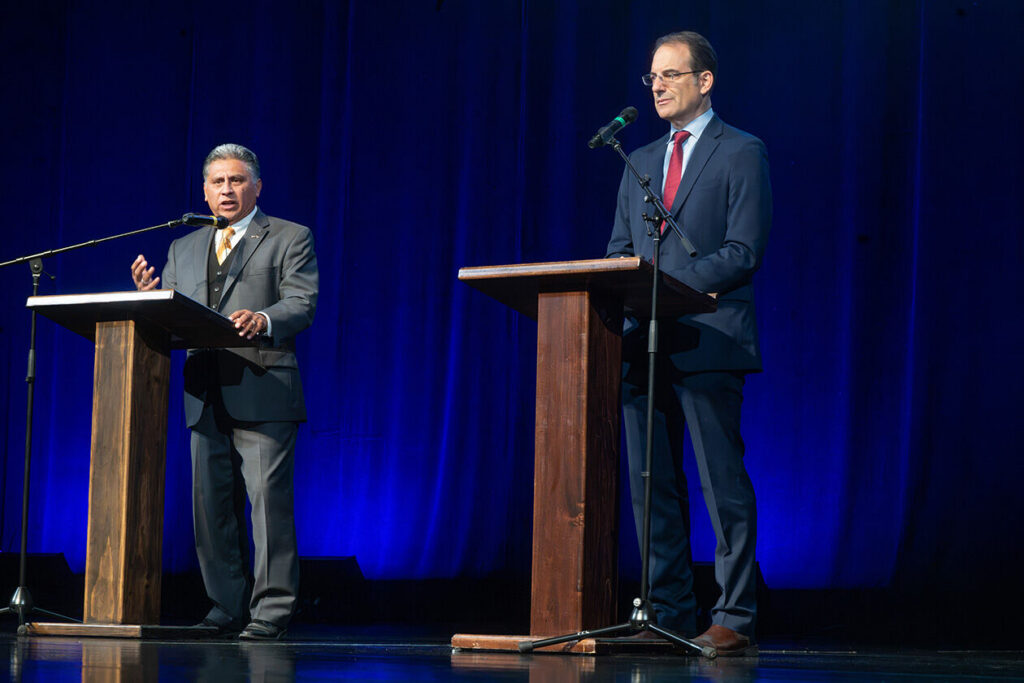
Two of the candidates for Colorado governor squared off in a televised debate on Thursday night, when Attorney General Phil Weiser, the Democratic nominee, and former U.S. Rep. Greg Lopez, an unaffiliated candidate, delved into issues of affordability, data center...
Troops, taxes, war dominate Colorado’s 5th CD debate between Jeff Crank, Jessica Killin
Deborah Grigsby
deborah.smith@denvergazette.com
Updated 10 hours ago
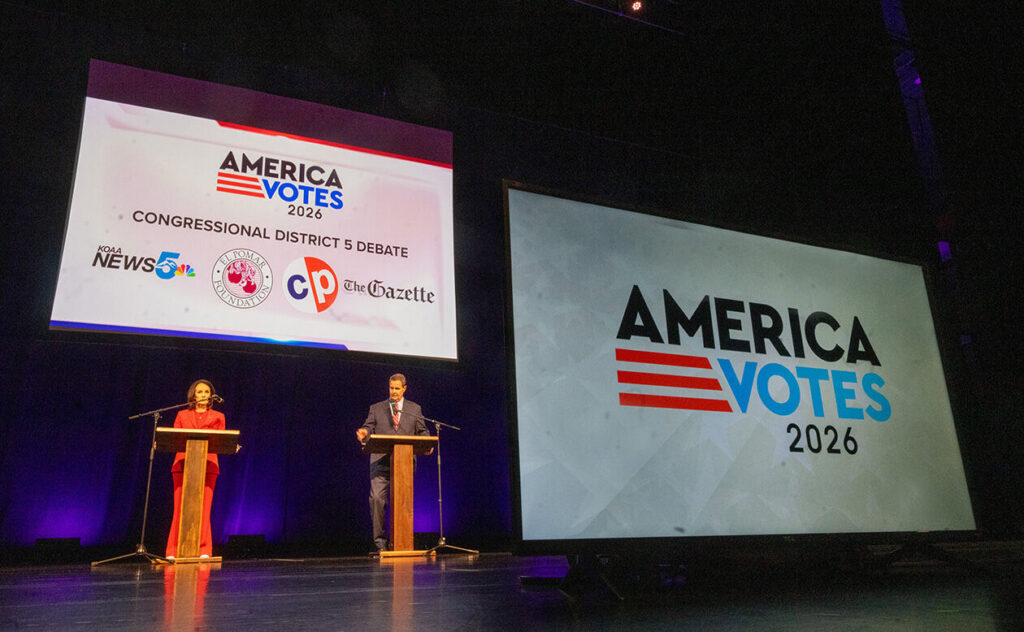
Republican U.S. Rep. Jeff Crank and Democratic challenger Jessica Killin on Thursday night clashed over the war in Iran, the federal budget and healthcare when they took the stage in Colorado Springs for a sold-out debate in the race to...

WATCH: Colorado gubernatorial candidates Phil Weiser, Greg Lopez face off Thursday in televised debate
Ernest Luning
ernest.luning@coloradopolitics.com
Updated 11 hours ago
Two of the candidates for governor of Colorado are set to square off in a televised debate for the first time Thursday night, when Attorney General Phil Weiser, the Democratic nominee, and former U.S. Rep. Greg Lopez, an unaffiliated candidate,...
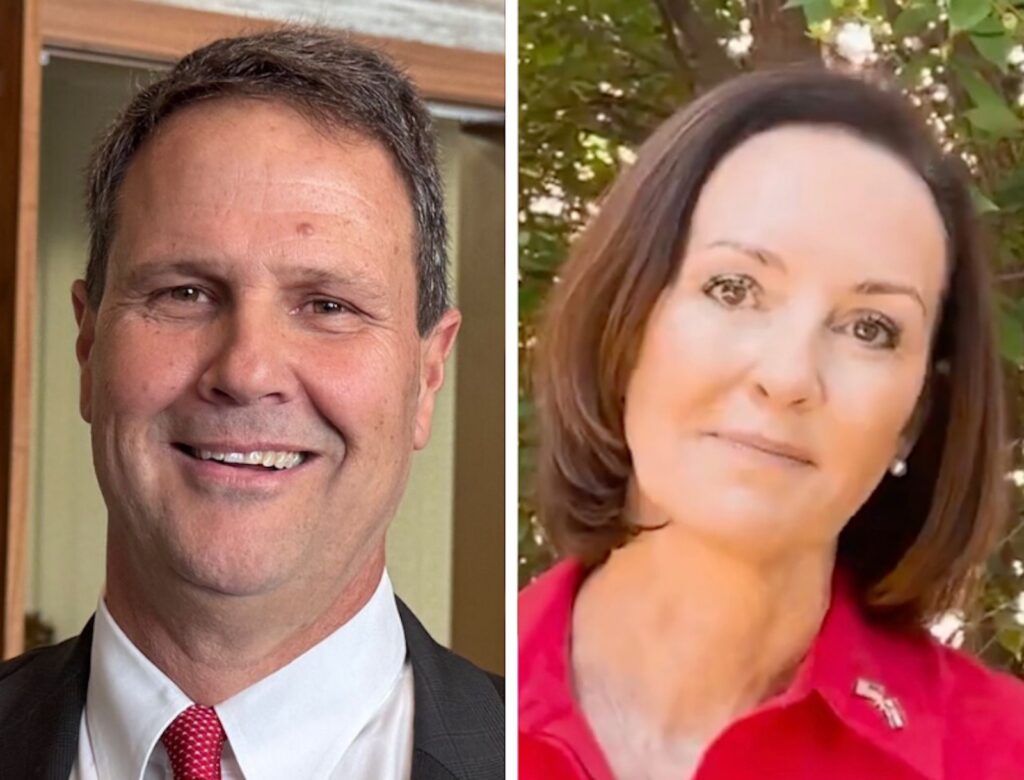
WATCH: Republican US Rep. Jeff Crank, Democratic challenger Jessica Killin debate in Colorado’s 5th CD
Ernest Luning
ernest.luning@coloradopolitics.com
Updated 13 hours ago
Republican U.S. Rep. Jeff Crank and Jessica Killin, his Democratic challenger, are scheduled to meet for a televised debate in the race to represent Colorado’s 5th Congressional District on Thursday night. The candidates are set to take the stage at...
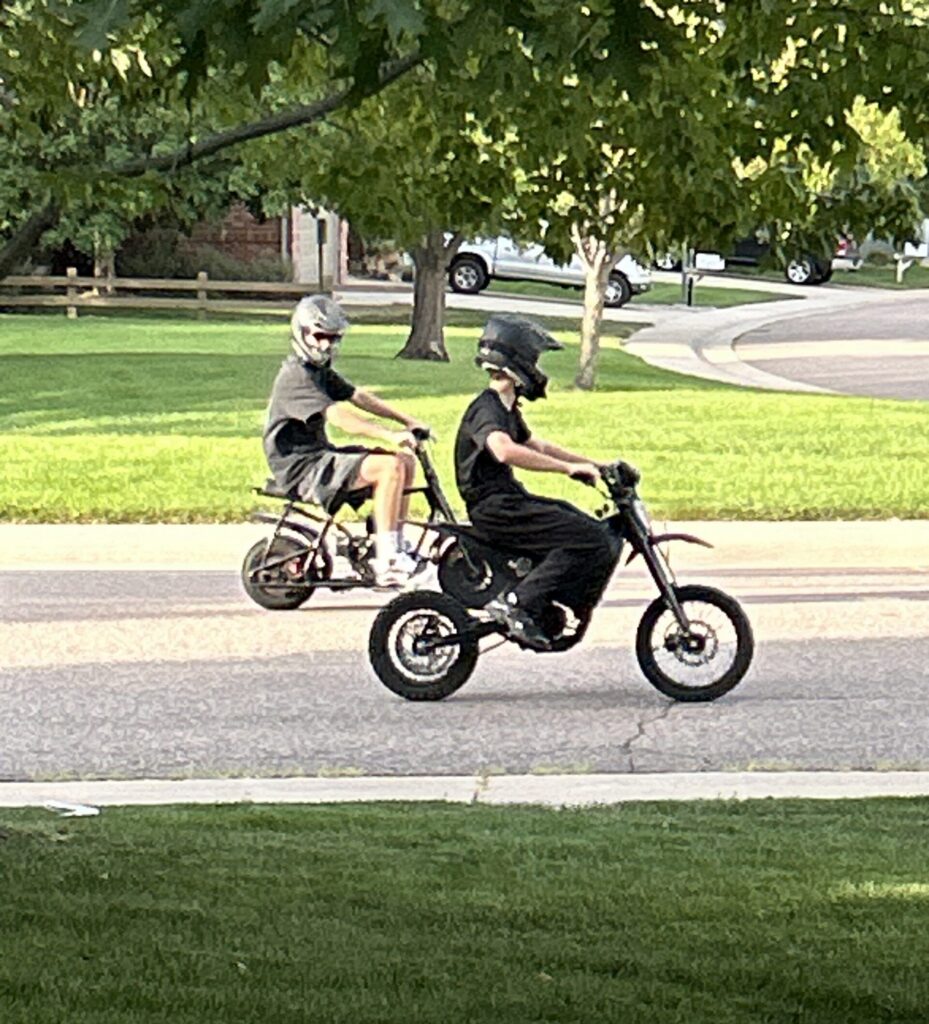
Colorado officials warn of e-bike safety amid increase in serious youth injuries
Matt Kyle
matt.kyle@denvergazette.com
Updated 8 hours ago
Serious injuries involving e-bikes, e-scooters and children have risen significantly in Colorado over the past year and a half. Traumatic injuries involving e-bikes have risen 184%, according to Alicia Melven, Colorado injury prevention and outreach specialist for Children’s Hospital Colorado’s...

Colorado State Fair youth golf tournament celebrates 11 years
Marianne Goodland
marianne.goodland@coloradopolitics.com
Updated 15 hours ago
Twenty-eight teams tee off Friday at Walking Stick Golf Course in Pueblo for a tournament supporting 4-H, Future Farmers of America and capital improvements at the Colorado State Fair. Now in its 11th year, the Partners of Youth in Ag...

Controversial two-bag furbearer limit heads to CPW meeting under legal threat
Marianne Goodland
marianne.goodland@coloradopolitics.com
Updated 15 hours ago
Next week’s Colorado Parks and Wildlife Commission meeting in La Junta is likely to open under the cloud of threatened legal action. Safari Club International and the Sportsmen’s Alliance Foundation warned the commission this month that its July vote imposing...
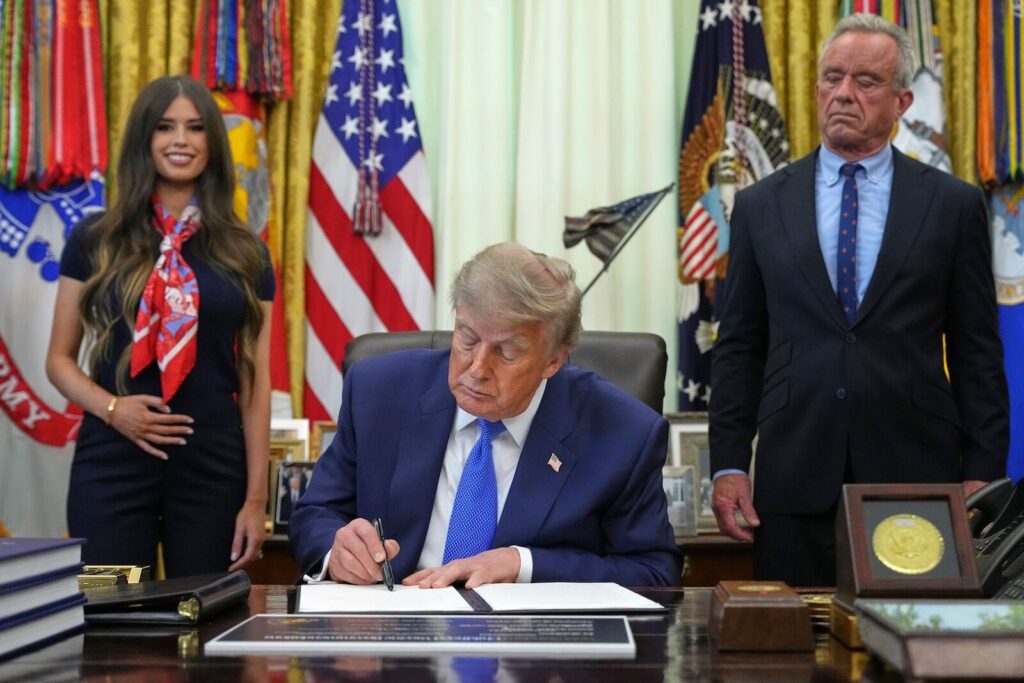
Democratic-aligned poll shows big majority of swing-seat voters support routine childhood vaccines
Ernest Luning
ernest.luning@coloradopolitics.com
Updated 18 hours ago
A new poll conducted by Democratic-aligned groups found that voters in competitive U.S. House districts — including a battleground seat in Colorado — support routine childhood vaccinations by a wide margin and oppose a recent order by President Donald Trump...
PREV
PREVIOUS

Coronavirus in Colorado: The latest numbers
There are now 11,674,074 coronavirus cases in the U.S. and 251,970 deaths, according to Johns Hopkins University. The latest COVID-19 numbers in Colorado (Updated on Nov. 19): – 176,694 cases, including 29,423 in Denver County – 1,520,268 people tested – 2,651 deaths among cases, including 483 in Denver County – 1.50% fatality rate in the […]

TRAIL MIX | Young activist makes conservative case for climate solutions
Benji Backer doesn’t come across many climate skeptics among young Americans, regardless of their ideological orientation or party affiliation. While many older Republicans – and even plenty of older Democrats – don’t even agree on the basic elements surrounding climate change, Backer told Colorado Politics that it’s a settled question among younger people. And he […]