

ELECTION 2020 | Floyd Ciruli, Fritz Mayer examine the misfired polling in DU review
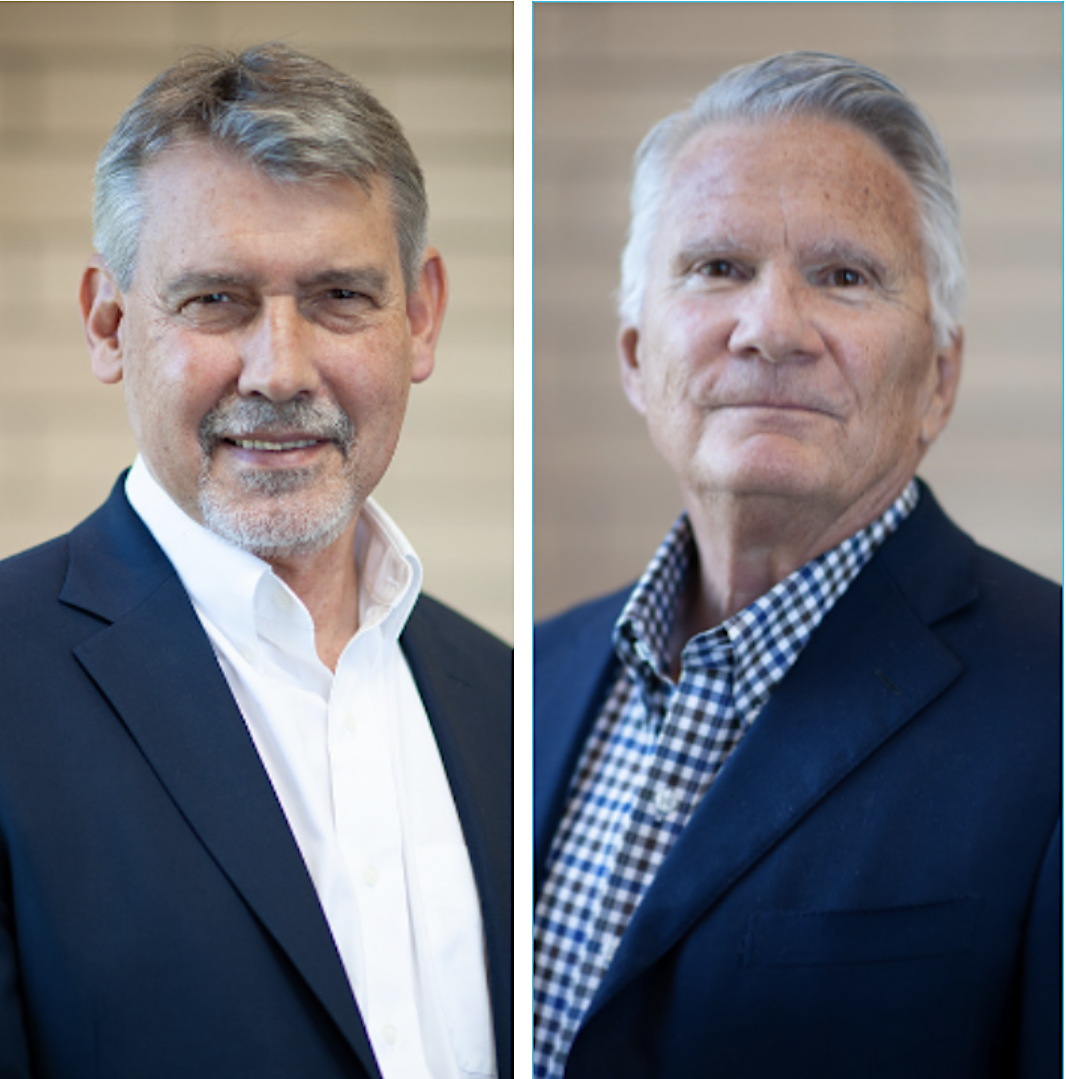
The day after the election, veteran Colorado pollster Floyd Ciruli and Fritz Mayer, the dean of the Josef Korbel School of International Studies at the University of Denver deconstructed how the polls and the media missed their mark, again.
How did history repeat itself?
“I think that the industry will once again be spending a considerable amount of time considering that,” Ciruli said.
From Sunday to Tuesday, the narrative was emerging that the gap was closing in key states. Polls are always a snapshot in time.
“It was getting tight in Arizona and Florida and Georgia, a lot of places where it had been 7, 8 points up or even higher,” Ciruli said. “They were overly optimistic in Texas, but the numbers in North Carolina had been much bigger.
But the closing race was not the new story anybody was reporting so late in the race.
“I would attribute that there was no talking about it to a couple of things,” he explained. “No. 1, everybody was talking about the huge turnout … and secondly how it was going to processed (after the election).”
The misses were obvious and scattered. The final composite of polls, for example, had Biden up by 1 percentage point in Florida, where Trump won by 2.
“I think there were some folks who were in denial,” Ciruli surmised of missing the late change in voter intensity in some states.
He pointed to how the race changed at the end in 2016, after FBI director James Comey releasing a letter than he was reopening an investigation against Clinton, which was shut down just before the election without finding anything new. Because Clinton held steady when the letter was released, the public, press and pollsters missed the late shift.
“We have a tendency to ignore what’s going on at the end,” when the dice of the race has been cast, Ciruli said. “That surge was really toward the end.”
Ciruli said pollsters thought they had dealt with one of their most significant failures in 2016.
“We thought, ‘Well, even if we can’t get to the Trump voters, we can get to voters who are like the Trump voters with the same demographic characteristics – Anglo men, rural exurban areas, working class, etc., etc., and we’ll get it by weighting the data.’
“I think the national polls show that has not worked properly yet.”
Mayer thinks there is an underestimation of the fervor and mobilization in small towns in rural America that pollsters miss that benefits the right.
He noted, also, that Trump’s win in Florida appeared to ride on the shoulders of Cuban Americans in the southern tip of the state. That somewhat skewed the expectation of Democrats from Latino voters, because Cuban Americans tend to be more conservative.
In Colorado, however, polls predicted consistently and accurately how the top races came out in favor of Democrats.
Former Gov. John Hickenlooper and presidential nominee Joe Biden held comfortable double-digit leads since clinching their nominations.
Hickenlooper dispatched incumbent Sen. Cory Gardner by nearly 10 percentage points, while Biden won Colorado by better than 13.
Four years ago, Hillary Clinton managed only a 5-point spread against Donald Trump.
Wednesday afternoon’s discussion was sponsored by the Crossley Center for Public Opinion Research, the Josef Korbel School and the Scrivner Institute of Public Policy.
Ciruli is the founder and director of the Crossley Center for Public Opinion Research at the University of Denver, which teaches the art of measuring the mood of the electorate at any given moment.

Kentucky Gov. Andy Beshear set to headline Colorado Democrats’ annual fundraising dinner
Ernest Luning
ernest.luning@coloradopolitics.com
Updated 3 days ago
Kentucky Gov. Andy Beshear, one of the Democrats’ top 2028 presidential prospects, is scheduled to deliver the keynote address at the Colorado Democratic Party’s annual fundraising dinner in June in Denver, the party said Friday. Serving his second term as...
Colorado sues Trump administration, calling new election order ‘unconstitutional’
Marissa Ventrelli
marissa.ventrelli@coloradopolitics.com
Updated 2 days ago
Colorado Attorney General Phil Weiser has joined a multistate coalition suing President Donald Trump over a new executive order on elections, arguing the directive unlawfully intrudes on states’ authority to run their own voting systems and threatens access to mail...
Denver Democrat Neal Walia lands endorsement from Ro Khanna in Colorado’s state House District 9
Ernest Luning
ernest.luning@coloradopolitics.com
Updated 3 days ago
California Rep. Ro Khanna on Friday endorsed legislative candidate Neal Walia in the race for an open state House seat, praising the Denver Democrat’s commitment to public service and progressive goals. Walia, who mounted an unsuccessful challenge against U.S. Rep....
Redistricting fight escalates as Colorado Title Board clears competing ballot proposals
Marianne Goodland
marianne.goodland@coloradopolitics.com
Updated 3 days ago
Colorado’s title board on Wednesday gave final approval to multiple ballot measures related to congressional redistricting, setting up a series of proposals that could alter how the state draws its U.S. House districts for the 2028 and 2030 elections. The...
Judge rules that Colorado law makes it too hard for parties to bar unaffiliated voters from primaries
Ernest Luning
ernest.luning@coloradopolitics.com
Updated 4 days ago
A federal judge ruled in favor of the Colorado Republican Party late Tuesday, saying that a portion of the state law that allows unaffiliated voters to cast ballots in party primaries is unconstitutional because it imposes an unrealistic burden on...
Colorado leaders say Trump’s executive order targeting mail voting violates state election authority
Marissa Ventrelli
marissa.ventrelli@coloradopolitics.com
Updated 5 days ago
Colorado leaders criticized President Donald Trump’s new executive order issued Tuesday, arguing that its creation of a national voter‑eligibility list and new limits on mail voting violate states’ constitutional authority to run their own elections. President Donald Trump has frequently...
Phil Weiser wins top spot in Colorado’s Democratic gubernatorial primary at party’s state assembly
Ernest Luning
ernest.luning@coloradopolitics.com
Updated 1 week ago
Attorney General Phil Weiser’s name will appear first on Colorado’s Democratic gubernatorial primary ballot after his overwhelming win Saturday at the party’s state assembly in Pueblo. Weiser joins U.S. Sen. Michael Bennet in the June 30 primary for the office...
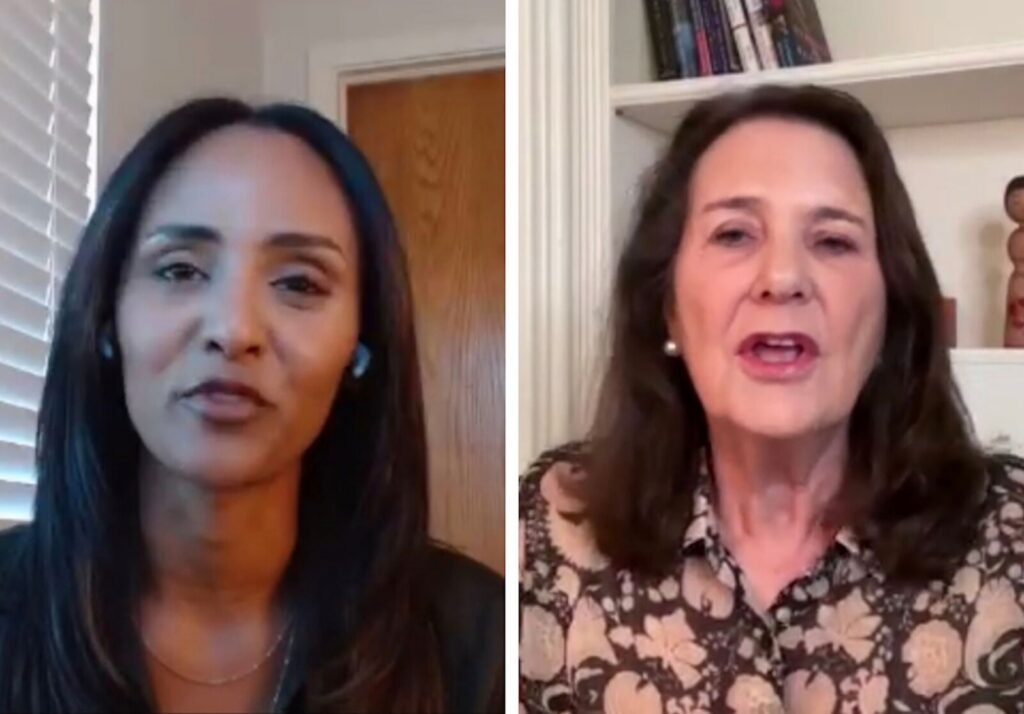
Denver Democrat Diana DeGette trails challenger Melat Kiros at assembly as both qualify for primary
Ernest Luning
ernest.luning@coloradopolitics.com
Updated 6 days ago
U.S. Rep Diana DeGette, a Denver Democrat, qualified for Colorado’s June primary by the skin of her teeth Friday at the party’s district assembly, where the 15-term incumbent received fewer than half as many delegate votes as her challenger, 28-year-old...
Federal judge upholds constitutionality of Colorado campaign contribution limits
Michael Karlik
michael.karlik@coloradopolitics.com
Updated 1 week ago
A federal judge upheld Colorado’s individual campaign contribution limits as constitutional on Thursday, finding that three Republican plaintiffs failed to prove the campaign finance framework violates their First Amendment rights. U.S. District Court Senior Judge John L. Kane recognized that...
Seligman, Bridges, Gonzales lead downballot races heading into Colorado Democrats’ state assembly
Ernest Luning
ernest.luning@coloradopolitics.com
Updated 1 week ago
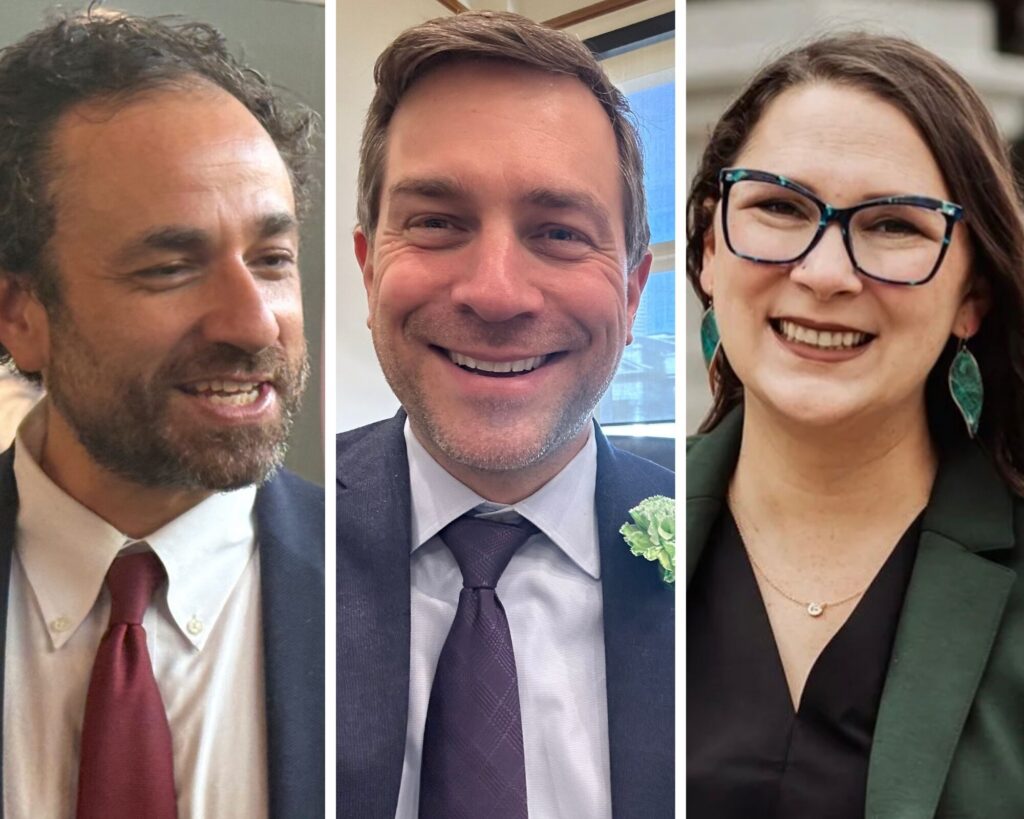
As Colorado Democrats prepare to designate candidates to the June primary ballot at the party’s state assembly in Pueblo on Saturday, three candidates appear poised to win top-line designation in downballot statewide races, according to data compiled by the state...
PREV
PREVIOUS
Denver Housing Authority taps new executive director
The Denver Housing Authority appointed David Nisivoccia as its new leader, who takes the helm on Jan. 19, the organization announced Tuesday. Nisivoccia was named the sole finalist for the job in October and will earn an annual salary of $290,000, a DHA spokeswoman told Colorado Politics. He currently serves as the executive director of […]

Court says Arapahoe deputy's statement amounted to coercion, overturns drug conviction
Because an Arapahoe County Sheriff’s deputy threatened that a pat down would find any hidden drugs, a woman’s admission to possessing cocaine was coercive and therefore inadmissible as evidence, the Court of Appeals decided. According to court records, a drug investigation team in the sheriff’s office surveilled suspected drug dealer Christopher Robles for months, with […]