

Republican legislators criticize oil and gas commission, governor
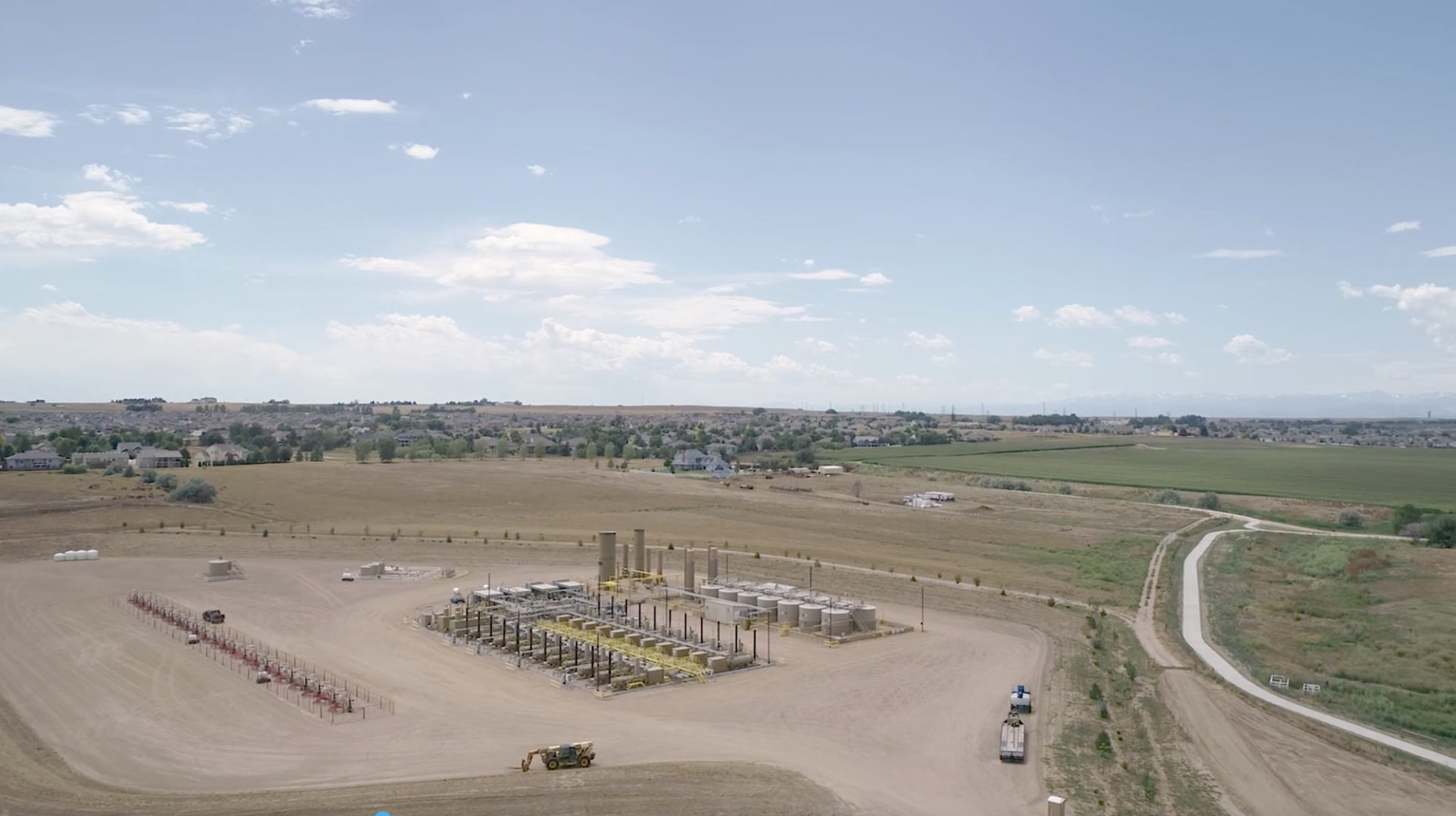
State legislative Republicans on Thursday sharply criticized the Colorado Oil & Gas Conservation Commission’s proposed new setback rules as “going rogue” and called out Gov. Jared Polis and legislative Democrats for “going back on their promises.”
The rules are being changed and established by the COGCC, which was created by Senate Bill 19-181. That law also changed COGCC’s mission from a body that advocated for oil and gas development to one that regulates “the responsible development and production” of oil and gas in a manner that protects public health, safety and welfare, wildlife and the environment.
Though the setback rule has not been finalized, Republicans and the Colorado Cattlemen’s Association believe the commission is poised to set a 2,000-foot setback rule of all oil and gas drilling and fracking operations statewide. Many surmised that rule could extend to 2,400 feet, as it could apply to the boundaries of the drilling pad, not just well itself.
“This would be a de facto ban on drilling for oil and gas in Colorado,” said Sen. Assistant Minority Leader John Cooke, R-Greeley, in a Zoom press conference Thursday with five other Republican senators and representatives.
“Just a short time ago, Gov. Polis said the war on oil and gas is over. One week later the COGCC is proposing a 2,500-foot setback rule. It’s 112 all over again,” Cooke said.
He was referring to the soundly defeated 2018 Proposition 112 that called for a minimum 2,500-foot distance requirement for fracking wells, saying the COGCC is now overriding the will of a majority of voters in Colorado with the proposed 2,000-foot setback rule.
Despite the commission accepting public testimony since Fall 2019, and reviewing input from 93 parties, and all the hearings being open on Zoom conference calls, Cooke slammed the commission as operating in “secret” and trying to engineer “back-door deals.”
A COGCC spokeswoman said Thursday: “COGCC’s new mission (is) to regulate, not foster, oil and gas development in a manner that is protective of public health, safety, welfare, the environment and wildlife resources.”
Asked for response from the governor on Thursday, Polis spokeswoman Shelby Wieman replied:
“When we embarked on the historic passage of Senate Bill 181, we knew fundamental changes were necessary to enhance protection of health, safety and the environment, provide local governments a seat at the table, and cultivate more regulatory certainty for industry in the wake of years of ballot initiatives. And while we don’t provide comments on the specifics of an ongoing regulatory process, we have full faith in our staff and commissioners at the Oil and Gas Commission to implement the legislation in a manner that achieves these critical objectives while working with a diverse set of stakeholders.”
The COGCC – now a seven-member group with five full-time paid professionals and two non-voting members with the U.S. Department of Natural Resources and the Colorado Department of Public Health and Environment – has been working since early September on the vast rule changes. The changes are expected to be finalized, at the latest, by Dec. 1.
The legislators Thursday pointed to a 2018 study on the economic impact of a 2,000-foot setback showing that up to 85 percent of all private, non-federal land, would be undevelopable – and higher in the top-producing counties like Weld, where the percentage goes up to 94.
They used arguments from the fight against 112 in 2018: The setback distance is “arbitrary” and not based on science; setback rules can’t be applied statewide as rural and urban land is used differently; the rules don’t improve health/safety of nearby wildlife or residents, the rule amounts to a “taking” of land from mineral rights royalty owners, farmers and ranchers.
The rhetoric grew heated Thursday.
“This commission is escalating the war on rural Colorado,” said Sen. Jerry Sonnenberg, R-Sterling. “This rule would cause us to lose the number one economic driver in the state.”
Rep. Perry Will, R-New Castle, said he’s seen “several industry people” and at least one company leaving Colorado because of the uncertainty surrounding the setback rules. He mentioned Petrox Resources Inc. in LaPlata County specifically.
Michael J. Clark, owner of Petrox Resources Inc., said they can’t do business anymore in Colorado because of SB181 and the new commission.
“Next it will be the (setbacks) from the waterways and wetlands,” Clark said, adding “there are other states where there’s a lot less uncertainty.”
Petrox has mineral rights and interests in La Plata, but more in Archuleta County, in the vicinity of the San Juan River and on the San Juan basin. While they only have fewer than 10 employees in the state now, they typically can operate up to two or three wells which employ some 40-50 workers.
Clark said the first round of rules from the new commission included “horribly punitive fines” that run anywhere from $50,000 to $200,000, but they were willing to work in that environment. With the ambiguity in the setback rules being changed, and possible litigation costs of getting appeals through the commission, Clark said his investors are not willing to put up the money for operations in Colorado.
Clark said he comes from a third-generation oil and gas family in Colorado and is sad to have to leave.
“It’s obvious the Democrats and Gov. Polis don’t want to have the oil and gas industry in Colorado,” he said.


Three cargo ships damaged by ‘projectiles’ in Strait of Hormuz
Brady Knox, Washington Examiner
brady.knox.washington.examiner@gazetteedit.wpenginepowered.com
Updated 50 minutes ago
Three cargo ships were damaged by unspecified “projectiles” while navigating the Strait of Hormuz, jeopardizing President Donald Trump’s goal of preserving the shipping lane’s safety. The strait was de facto closed the morning hostilities began on Feb. 28, with announcements...

Trump calls on Thune to be a ‘leader’ and get the votes for the SAVE America Act
NAOMI LIM Washington Examiner
naomi-lim-washington-examiner@coloradopolitics.com
Updated 1 hour ago
President Donald Trump increased pressure on Senate Majority Leader John Thune (R-SD) to pass the SAVE America Act, imploring him to be a “leader” after he expressed concerns that there is not enough support for the measure in his chamber....
The ‘talking filibuster,’ explained
Molly Parks, Washington Examiner
molly.parks.washington.examiner@gazetteedit.wpenginepowered.com
Updated 1 hour ago
Senate Republicans have for weeks been debating the use of the “talking filibuster” to guarantee the passage of the SAVE America Act in the upper chamber, after President Donald Trump called the legislation his “No. 1” priority. The bill, which...
Colorado Gov. Polis joins coalition of governors urging Congress to reject Trump tariffs
Marissa Ventrelli
marissa.ventrelli@coloradopolitics.com
Updated 40 minutes ago
Colorado Gov. Jared Polis has joined 18 other governors in writing a letter to members of Congress, urging them to reject President Donald Trump’s efforts to codify tariffs that the Supreme Court recently invalidated. “Governors across the country are witnessing...

Department of Agriculture warns of packages holding potentially invasive seeds
Michael Braithwaite
michael.braithwaite@gazette.com
Updated 1 hour ago
Spring planting is around the corner, and the Colorado Department of Agriculture wants residents to know where their seeds are coming from. Officials with the department warned Tuesday that they received reports of unsolicited packages containing plant seeds mailed internationally...

Federal judge hears ICE agents’ confusion about law, injunction on warrantless arrests
Michael Karlik
michael.karlik@coloradopolitics.com
Updated 16 hours ago
A federal judge heard testimony on Tuesday from U.S. Customs and Immigration Enforcement agents in Colorado, who had trouble describing the requirements of his recent injunction and the training they received on making warrantless arrests pursuant to the law. On...

10th Circuit dismisses challenge to Colorado legislature’s decorum rules
Michael Karlik
michael.karlik@coloradopolitics.com
Updated 4 hours ago
The Denver-based federal appeals court concluded on Tuesday that Colorado lawmakers cannot be sued for creating and enforcing rules of decorum that circumscribe the public commentary allowed at legislative committee hearings. A three-judge panel of the U.S. Court of Appeals...
U.S. energy secretary warns Colorado’s energy policies could drive up prices, deter businesses
Scott Weiser
scott.weiser@gazette.com
Updated 39 minutes ago
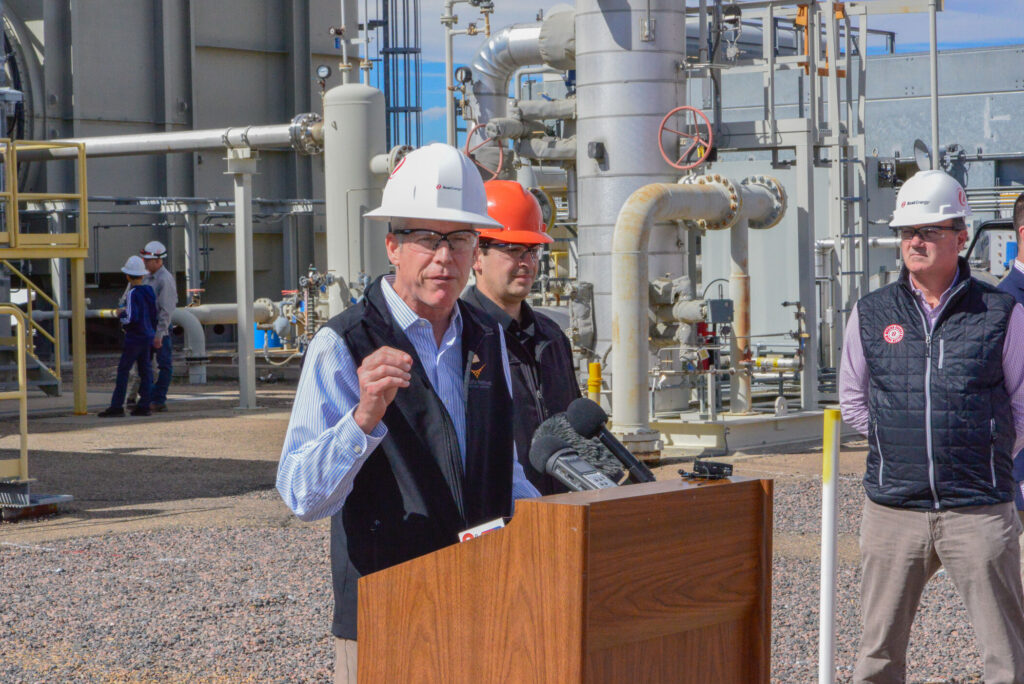
U.S. Energy Secretary Chris Wright on Monday warned that Colorado’s energy policies could lead to higher electricity prices and deter businesses, such as data centers, from locating in the state. Wright, a former executive of a Colorado-based energy company tapped...

Split vote by Colorado Title Board stops ballot push to privatize Pinnacol Assurance
Marianne Goodland
marianne.goodland@coloradopolitics.com
Updated 1 day ago
The Colorado Title Board, a three-member panel that sets the language for ballot measures, recently reversed a prior decision and blocked a proposal to privatize Pinnacol Assurance from moving forward. The main issue decided by the title board is whether...
Jackson and Kavanaugh disagree over if the Supreme Court treats Trump like Biden
David Zimmermann Washington Examiner
davidzimmermannwashingtonexaminer@wpstage.coloradopolitics.com
Updated 1 day ago
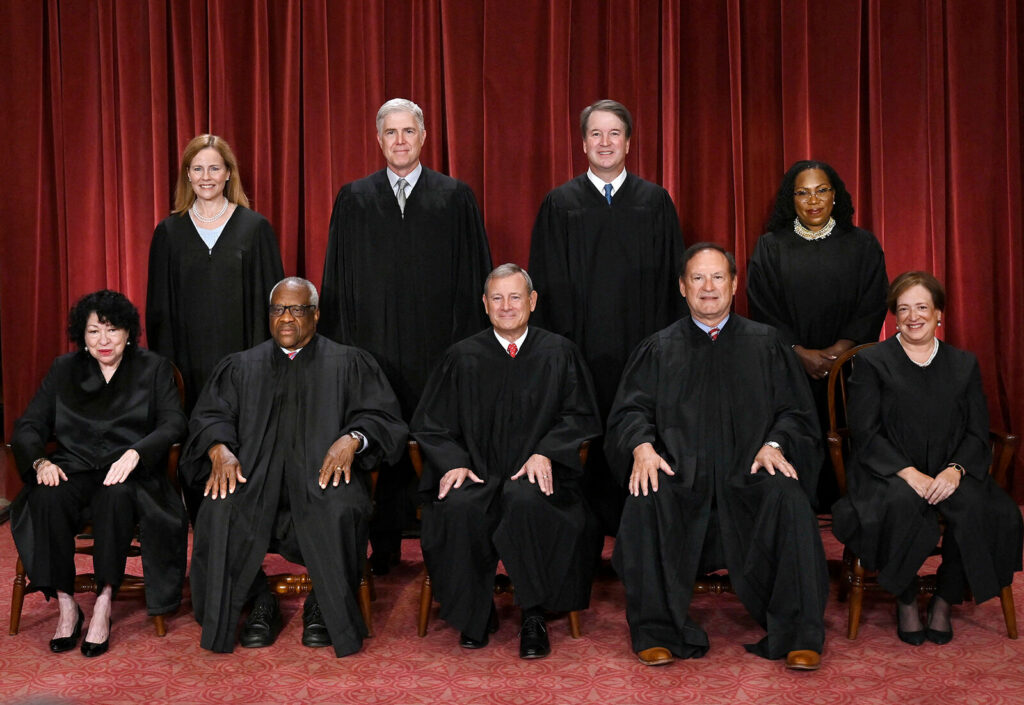
Supreme Court justices Ketanji Brown Jackson and Brett Kavanaugh disagreed on Monday over whether the high court treats President Donald Trump the same as former President Joe Biden in cases brought by their respective administrations. Jackson, who often writes dissents...
PREV
PREVIOUS

Coronavirus in Colorado: The latest numbers
There are now 7,027,348 coronavirus cases in the U.S. and 203,549 deaths, according to Johns Hopkins University. The latest COVID-19 numbers in Colorado (Updated on Sept. 25): – 67,196 cases, including 12,785 in Denver County – 853,592 people tested – 2,033 deaths among cases, including 434 in Denver County – 3.03% fatality rate in the […]

A LOOK BACK | Dem candidate Aaron Harber holds a protest presser on guv hopeful’s front steps
A weekly dive into the pages of Colorado Politics’ predecessor, The Colorado Statesman, which started in 1898: Thirty Years Ago This Week: Democrat Aaron Harber who was running for Colorado secretary of state apparently felt the need to eschew his own campaign office space – both literally and figuratively – instead taking to the streets […]