

Colorado Cattlemen’s Association criticizes COGCC’s setback plans
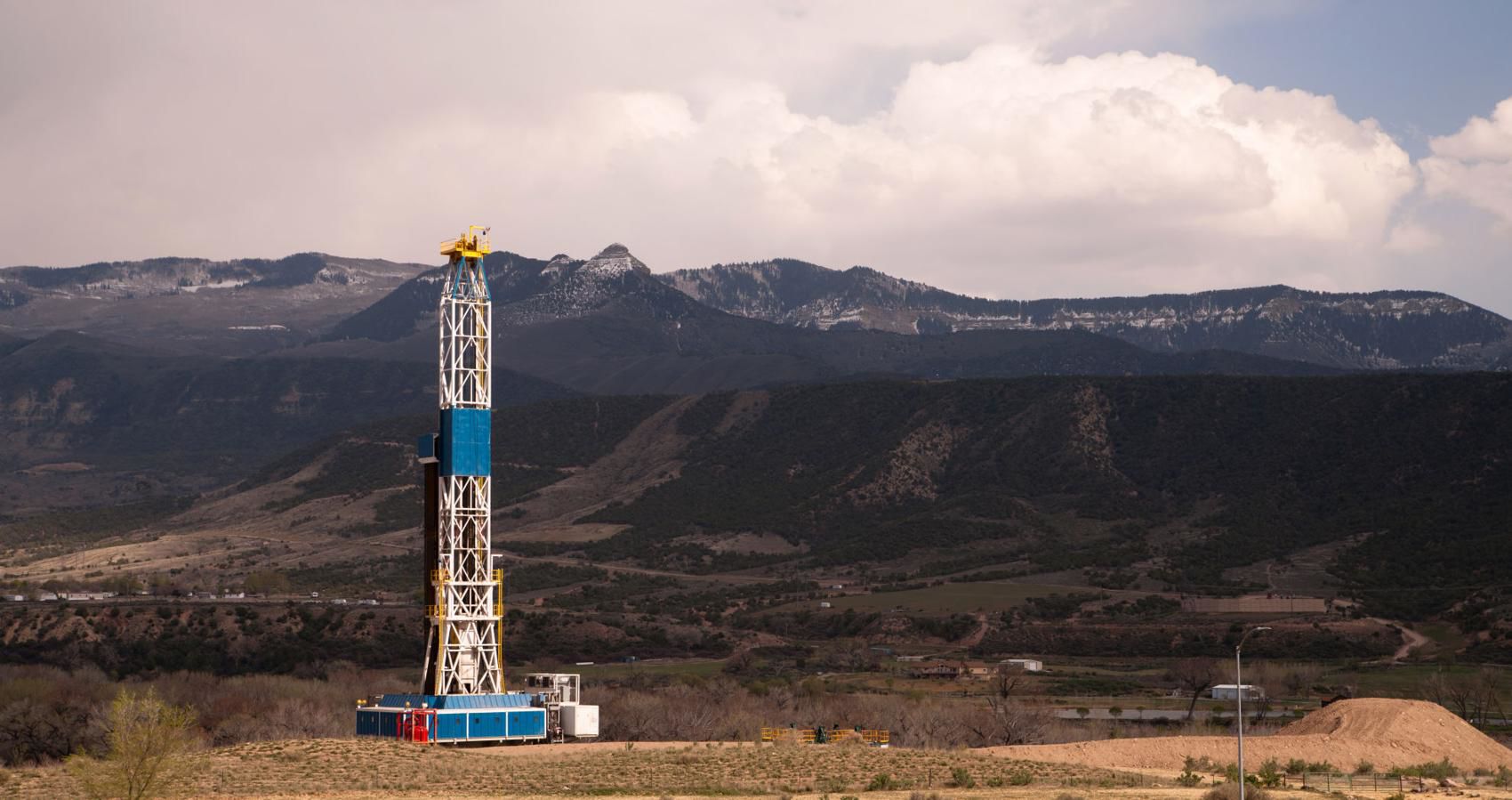
Surprised, and more than a bit stunned after supporting the commission vocally for months, the Colorado Cattlemen’s Association blasted the recent move by the Colorado Oil and Gas Conservation Commission to propose 2,000-foot setbacks from oil rigs or fracking operations.
The Association, which claims to represent some 65% of all landowners who raise cattle in Colorado, said Wednesday at a press conference the commissions’ proposed setback rule will harm landowners by negating mineral rights and interfering with local control.
Terry Fankhauser, CCA executive vice president, said the setbacks are proposed to be from the border of the drilling well pad, not just from the well, which could mean setbacks of 2,500 feet in some cases.
“Voters recently overturned 2,000-foot setbacks with a super majority,” Fankhauser said, referring to the defeated 2018 Proposition 112 that called for minimum distance requirements for fracking wells. He said the new proposed rule will result in land “takings without due process.”
He also chastised the commission for “not inviting or including” the CCA in any of the discussions.
The CCA on Wednesday presented three landowners to talk via Zoom about how the setbacks would affect their land, families and community. It included a Weld County rancher, a Hesperus rancher and “royalty owner” (meaning he collects royalties from mineral rights), and a Mead “mineral rights owner.” Each described how the money from using their land for oil and gas development helped offset medical bills, send children to college, or keep land that’s been in the family for generations.
They also described living with children and grandchildren within 500 feet of operational wells and not suffering any ill health effects.
The arguments against the proposed 2,000-foot setback rule have been re-used for countless public debates on the issue: The setback distance is “arbitrary” and not based on science; setback rules can’t be applied statewide as rural and urban land is used differently; the rules don’t improve heath/safety of nearby wildlife or residents; setbacks more than the existing 500 feet (or 1,000 feet from multi-family structures) would render the majority (some 85%, according to some studies cited by the CCA) of private, non-federal land, undevelopable for oil and gas operations and that the commission is overstepping its bounds and impeding local control.
The rules are being changed, and established, by the COGCC because of Senate Bill 19-181. That law also changed the group’s mission from a body that advocated for oil and gas development to one that regulates “the responsible development and production” of oil and gas in a manner that protects public health, safety and the welfare of wildlife and the environment.
The commission – now a seven-member group with five full-time paid professionals and two non-voting members with the U.S. Department of Natural Resources and the Colorado Department of Public Health and Environment – has been working since early September on the vast rule changes. It has been accepting public comment and the CCA acknowledged it sent input from its members. The changes are expected to be finalized, at the latest, by Dec. 1.
Fankhauser, when asked if CCA had submitted input, replied: “We indicated we would be making comments, but asked if we needed to go through a ‘party status’ process and were assured, as the administration thought there would not be at that time, any discussion on setbacks.”
Hence the surprise.
Tom Compton, a Hesperus rancher and former chairman of the COGCC in 2008, said the new setback proposals “came out of nowhere” and that the commission’s proposal has caused a lot of anxiety among land and mineral rights owners. If enacted, it also will cause more bankruptcies in the oil and gas industry, already hit hard by the coronavirus pandemic, he said.
When asked if the CCA, or Weld County landowners, intended to sue over the proposed setback rules, Fankhauser said they would rather work with the commission and come to a compromise, and that only attorneys would profit from a lawsuit.
He said the CCA has been talking to landowners across the state, and urging them to trust the process before the surprise setback announcement.

After ‘winter of defeat,’ Colorado hopes for wetter summer
Marianne Goodland
marianne.goodland@coloradopolitics.com
Updated 20 minutes ago
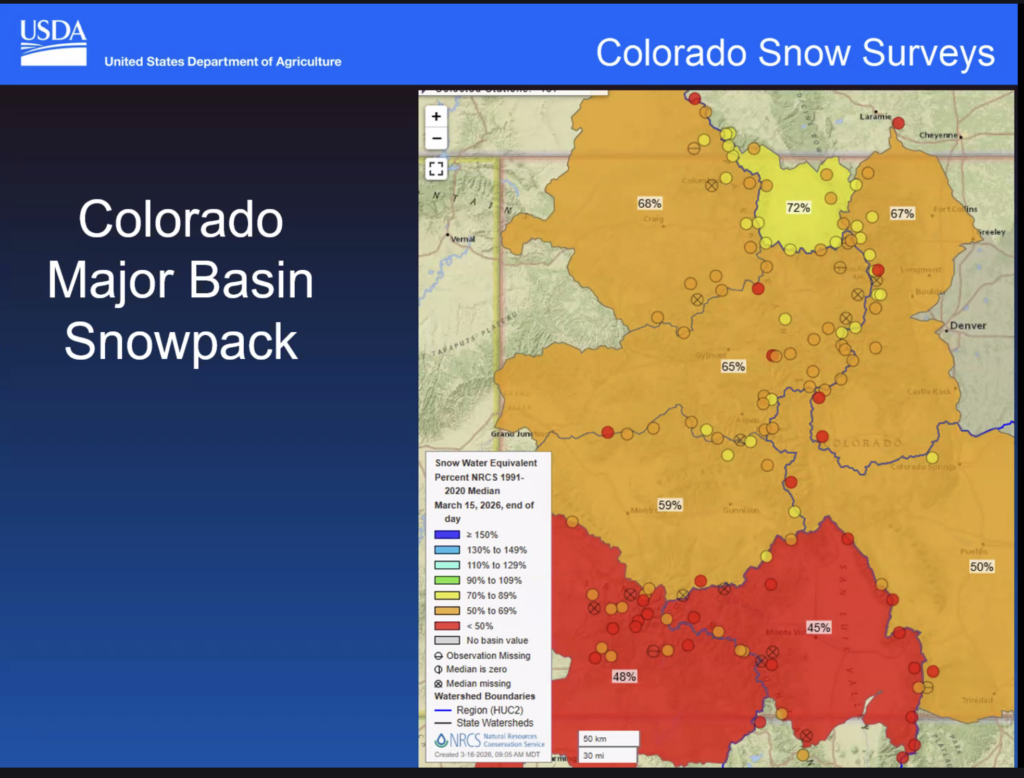
With snowpack melt already peaking in some parts of the state and drought conditions worsening compared to last year, Colorado’s water watchers are hoping for a wetter summer, though they anticipate the situation deteriorating before getting better. Meanwhile, the governor...
Colorado, Democrat states oppose proposal to require EV chargers be made with 100% domestic components
Scott Weiser
scott.weiser@gazette.com
Updated 45 minutes ago
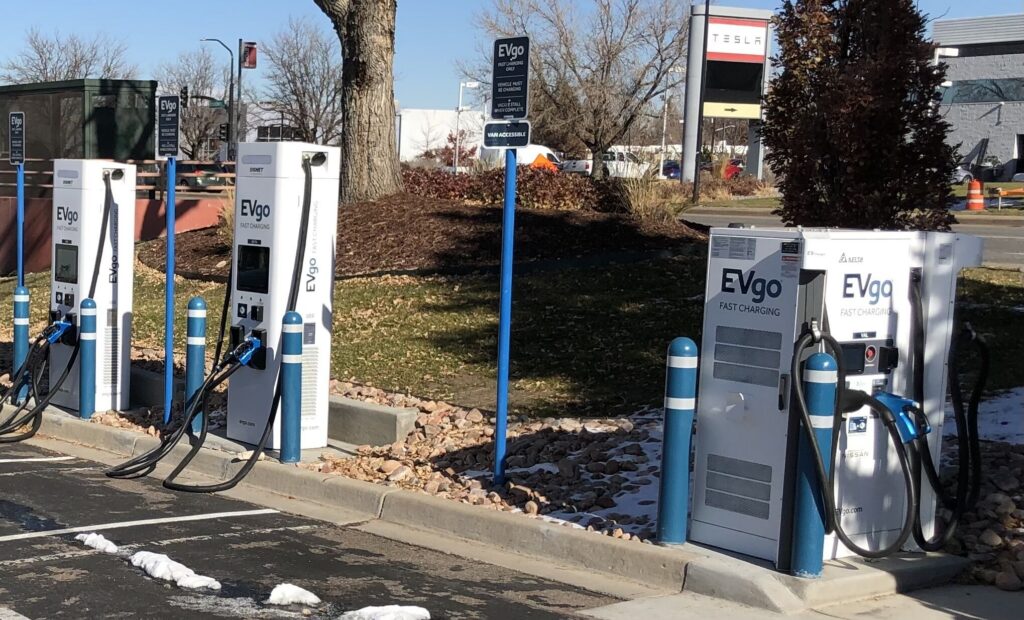
Colorado has joined a coalition of about 20 states in opposing a federal proposal that would require electric vehicle chargers funded with federal dollars to be made with 100% domestic components. The Federal Highway Administration is considering raising the domestic...
Colorado ethics panels tells legislator to attend sexual harassment training
Marianne Goodland
marianne.goodland@coloradopolitics.com
Updated 1 hour ago
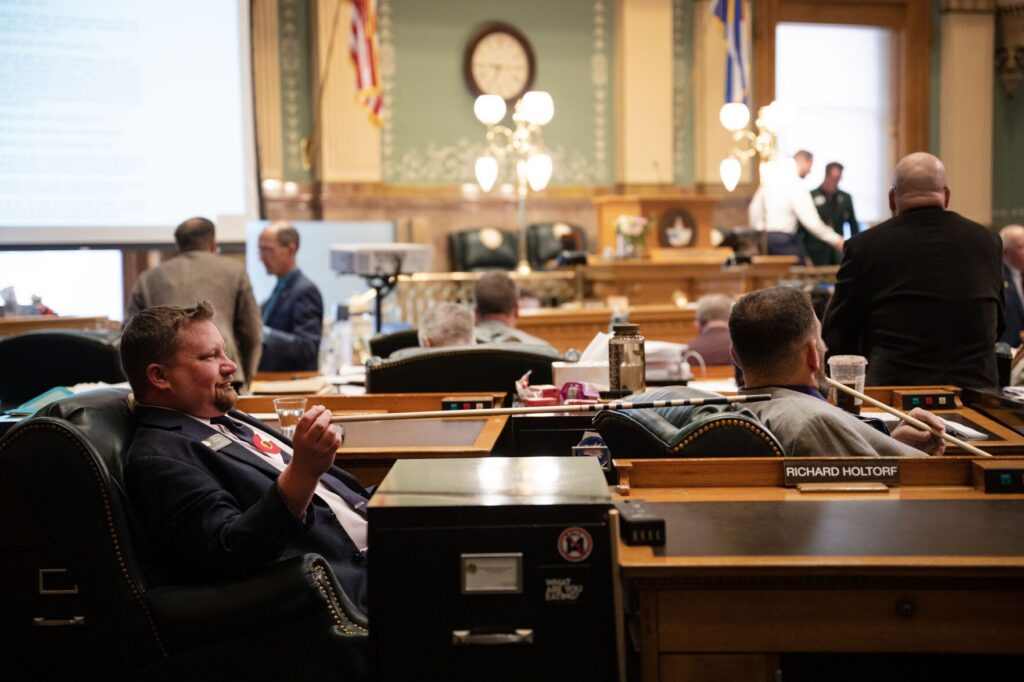
Colorado’s House ethics panel admonished a Republican legislator over allegations he used a master key to access areas of the Capitol that he was not permitted to enter and that he had made sexually harassing comments to several female lawmakers....
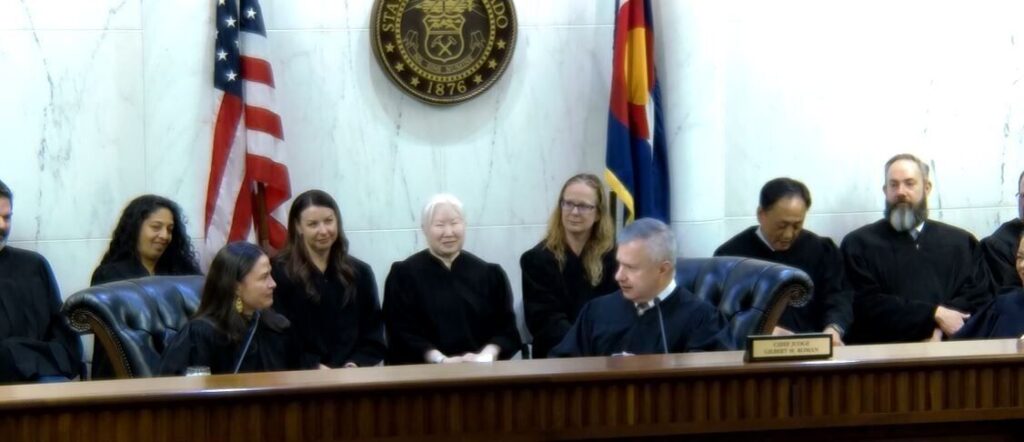
Appeals court agrees defendant’s speech constitutionally protected against El Paso County judge
Michael Karlik
michael.karlik@coloradopolitics.com
Updated 2 hours ago
Colorado’s second-highest court agreed last week that a defendant’s critical statements toward an El Paso County judge were constitutionally protected and could not form the basis of a retaliation charge. A three-judge Court of Appeals panel concluded that, in context,...
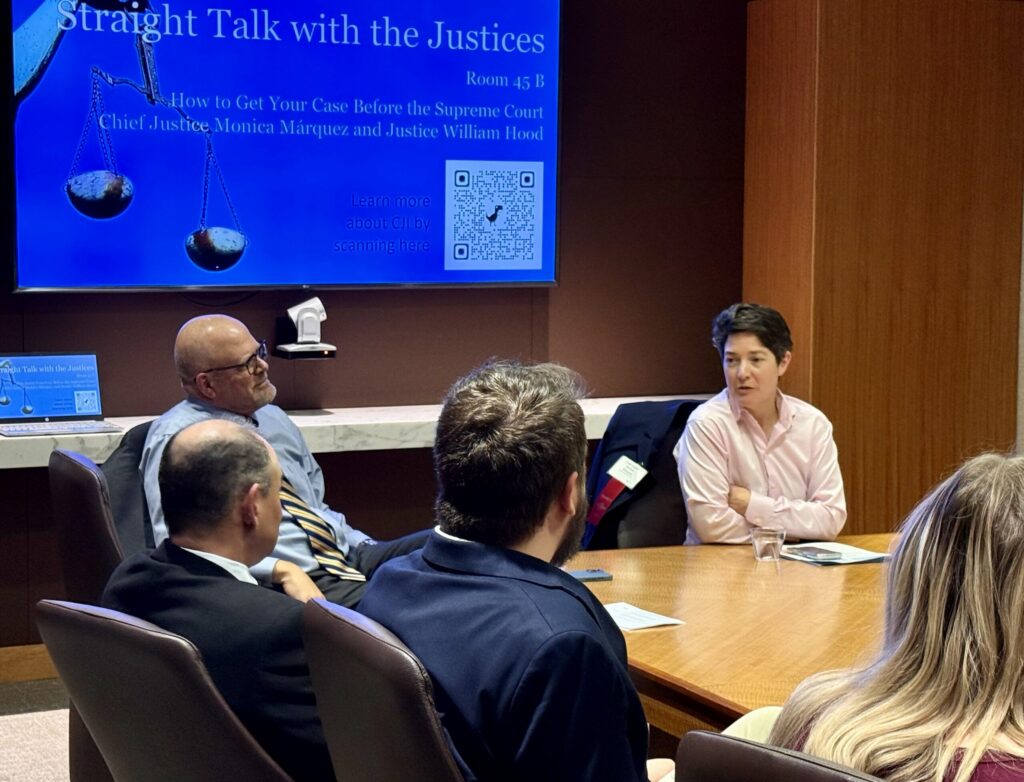
Colorado justices, 4-3, order new murder trial due to wrongfully excluded evidence
Michael Karlik
michael.karlik@coloradopolitics.com
Updated 6 hours ago
The Colorado Supreme Court agreed on Monday that a trial judge incorrectly faulted a defendant for refusing to cooperate in a mental health examination, even though the state’s hospital was the entity that botched its responsibility to evaluate her during...
Want to talk to the Colorado legislature? Be nice | Hal Bidlack
Hal Bidlack
hal-bidlack@coloradopolitics.com
Updated 1 day ago
As I peruse Colorado Politics each week, in search of a topic upon which I can wax philosophic, I sometimes come across stories that seem, frankly, to be quite dull or even unimportant upon first glance. But when I dig...
Constituents still message DC — but are our reps even listening? | Miller Hudson
Miller Hudson
miller-hudson@coloradopolitics.com
Updated 1 day ago
Each time I visit the nation’s capital, it feels a bit like a homecoming — not that I would ever wish to return as a resident. Yet, I did grow up outside the city in Montgomery County, Maryland from 1956...

Access to earned wages increases retention, attendance, morale | OPINION
Colorado Politics
colorado-politics@coloradopolitics.com
Updated 24 hours ago
By Diane Macheers Every payday, I’m reminded how much trust our team members place in us. They work hard, show up for our residents, and do everything they can to support themselves and their families. As an employer, we believe...

Why Colorado businesses should oppose SB26-134 | OPINION
Colorado Politics
colorado-politics@coloradopolitics.com
Updated 24 hours ago
By Liliana Soto My family has spent the last 30 years building a small piece of Colorado’s food culture. My father founded Las Dos Americas Tortilleria three decades ago with a simple idea to make authentic flour and corn tortillas...

Colorado’s workers can’t afford a privatized Pinnacol | OPINION
Colorado Politics
colorado-politics@coloradopolitics.com
Updated 6 hours ago
By Stephanie Tucker and Dennis Dougherty Pinnacol Assurance plays an important role in Colorado by providing workers’ compensation insurance as a quasi-governmental agency. In Colorado, employers are required to carry this insurance to ensure their workers are covered after a...