

Aviation plan recommends greater coordination, resources from CDOT for airports
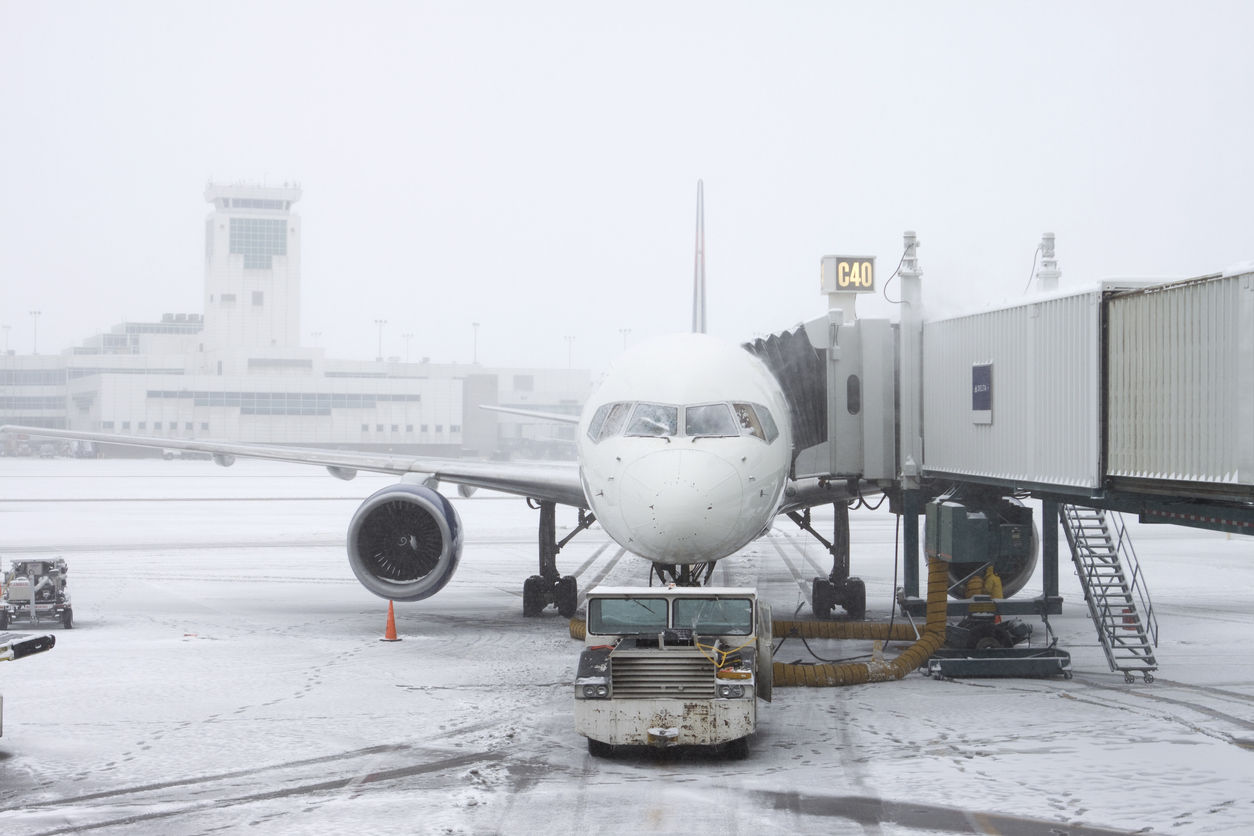
The Colorado Department of Transportation was told in a new aviation plan to better coordinate with local jurisdictions and airports to ensure appropriate land use policies, facility needs and funding for fueling facilities are addressed.
The 2020 Colorado Aviation System Plan, which the Division of Aeronautics and planning consultancy Kimley-Horn published this week, reviewed existing aviation conditions, set goals and offered suggestions for the state’s 66 public-use airports that meet funding eligibility requirements.
“Per the findings of the 2020 CASP, Colorado is anticipated to see substantial growth across all three demand indicators: enplanements, based aircraft, and operations,” the report’s executive summary noted. Over the next 20 years, Colorado is on track to be one of the fastest-growing states, and that demand will require increased commercial service to Western Slope airports.
Land use was an environmental issue for nearly all of the 66 airports included in the report. Water resources were a concern for 23, and air quality affected 16. As of 2018, only 10% of the airports met taxiway design standards and one-third had approaches that were negatively-affected by obstructions.
“The 2020 CASP revealed that Colorado’s total system investment needs (excluding DEN) are estimated at $1.8 billion which amounts to an annual need of $87.5 million,” the report concluded, referring to Denver International Airport. “Based on historical data, Colorado’s average available investment dollars amount to $76 million a year.”
Most of the need — $932 million — is for improvements for commercial airline service.
The plan also suggested that the Division of Aeronautics work with local authorities to remove obstructions and institute realistic land use and height controls. Addressing other concerns, the plan also advised greater coordination to meet hangar and terminal needs, funding for 24/7 fueling operations, and pavement maintenance or rehabilitation.
“CDOT Division of Aeronautics could consider conducting a detailed statewide approach surface obstruction study to identify the issues affecting airports, including identifying each obstruction, and making actionable recommendations to mitigate these hazards,” the report stated.
The plan further observed that because dedicated facilities for snow removal equipment are typically a lesser federal funding priority, CDOT should consider setting aside funding each year for that purpose.


Denver murder conviction reversed for incomplete self-defense instruction
Michael Karlik
michael.karlik@coloradopolitics.com
Updated 3 hours ago
Colorado’s second-highest court reversed a defendant’s murder conviction last week because a Denver judge gave an incomplete instruction to the jury about the man’s right to self-defense. Donald R. Gonzales and Gary McLaughlin met up in a Capitol Hill parking...
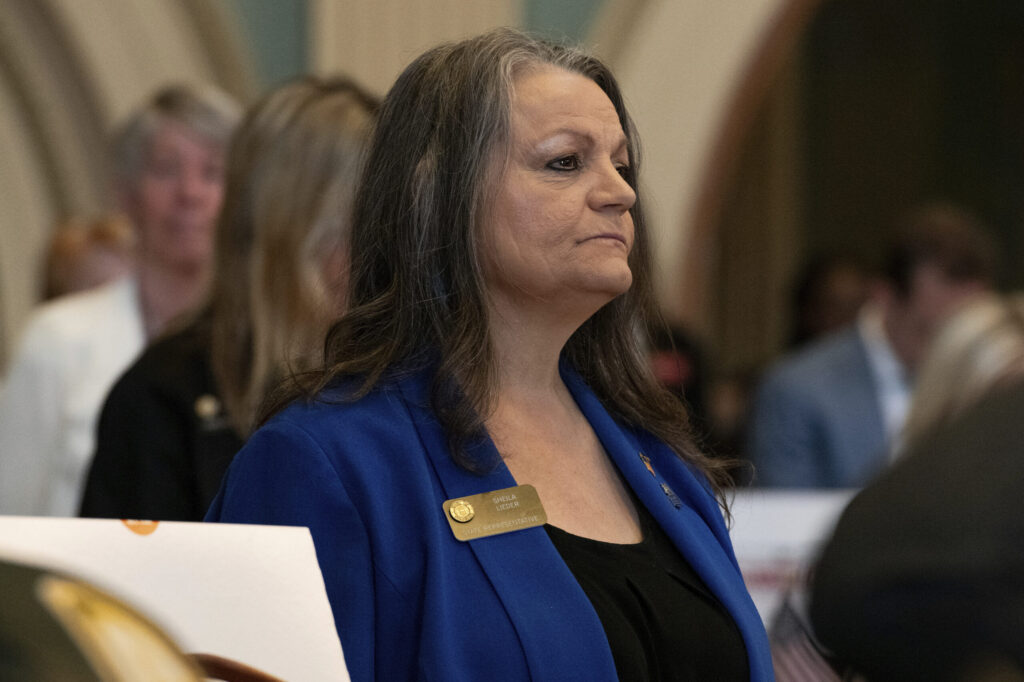
Colorado lawmaker, House leaders named in workplace-retaliation lawsuit
Marianne Goodland
marianne.goodland@coloradopolitics.com
Updated 3 hours ago
A former legislative aide has filed a lawsuit alleging she was mistreated, illegally directed to perform campaign work and harmed by a House leadership structure she says was fragmented, politicized and ineffective at protecting employees. The lawsuit, filed by Jennifer...

Secret Service confirms awareness of Iranian state media video threatening Barron Trump’s life
The Associated Press
the-associated-press@coloradopolitics.com
Updated 5 hours ago
WASHINGTON (AP) — The U.S. Secret Service has confirmed it is aware that Iranian state media has aired a video that appears to threaten the life of Barron Trump, President Donald Trump’s youngest son. “The U.S. Secret Service is aware...

Federal judge hears arguments about Colorado’s 3-day gun purchase waiting period
Michael Karlik
michael.karlik@coloradopolitics.com
Updated 5 hours ago
A federal judge heard arguments on Monday about the constitutionality of a 2023 Colorado law that generally imposes a three-day waiting period on firearm purchases after the initiation of a background check. The test that the U.S. Supreme Court created...

US set for largest mass visa revocation in history targeting up to 200,000 foreigners, officials say
The Associated Press
the-associated-press@coloradopolitics.com
Updated 5 hours ago
WASHINGTON (AP) — The Trump administration is preparing to revoke the business and tourism visas of up to 200,000 foreigners who have applied for or are currently seeking asylum status in the United States. If it happens, the move would...
U.S. Supreme Court clears way for Trump mail voting order in advance of midterms
Wire Services
wire-services@coloradopolitics.com
Updated 20 hours ago
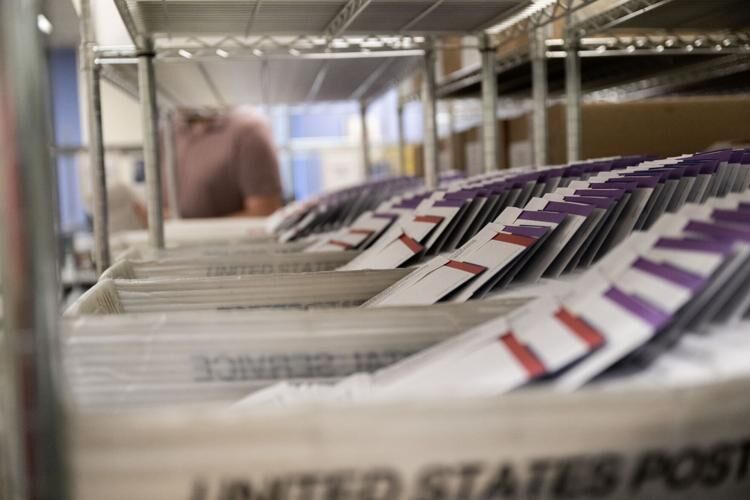
WASHINGTON • The U.S. Supreme Court on Monday cleared the way for President Donald Trump to move ahead with an executive order that seeks to restrict the mailing of ballots to American citizens in an eligible voters list. The executive...
Colorado Supreme Court intervenes in Weld County prosecution dismissed due to Missy Woods misconduct
Michael Karlik
michael.karlik@coloradopolitics.com
Updated 20 hours ago
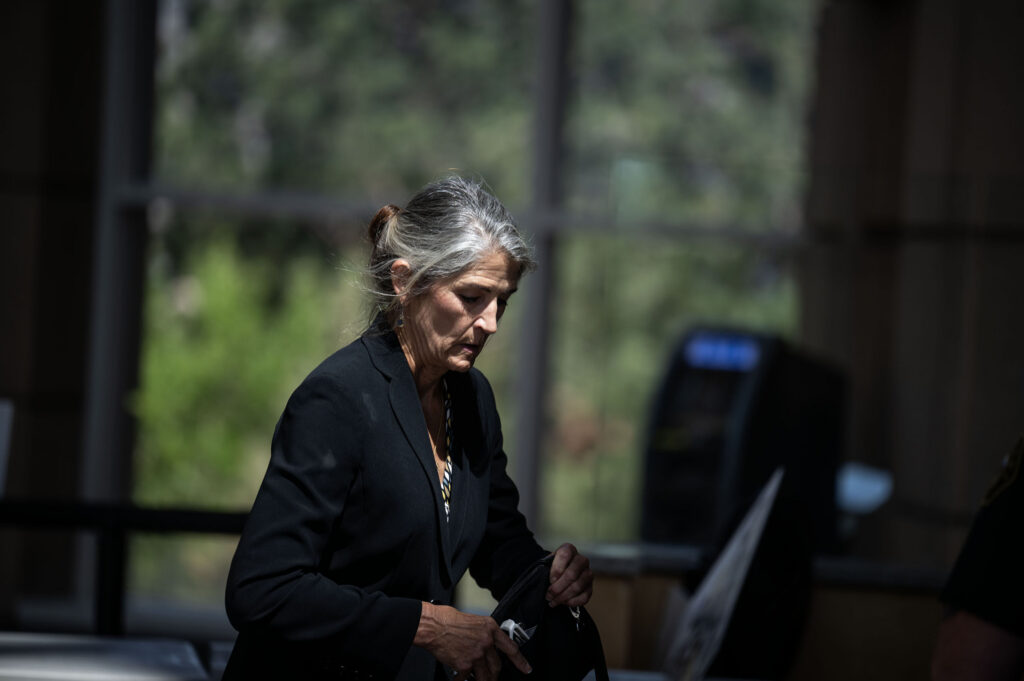
The Colorado Supreme Court ordered a Weld County trial judge last week to respond to the district attorney’s claim that he improperly dismissed a criminal case because of “outrageous” conduct by the Colorado Bureau of Investigation. Daniel Lee Eatinger stood...

Trump opens ‘economic D-Day’ offensive against Iran as war nears six-month mark
Christian Datoc
christian-datoc@coloradopolitics.com
Updated 1 day ago
President Donald Trump is seeking to increase the financial pressure on Iran with new secondary sanctions on nations and foreign actors propping up the regime’s economy as the war between the United States and Tehran nears the six-month mark. Treasury...

Trump announces 50% tariffs on Canadian cars, auto parts, and steel
Naomi Lim
naomi-lim@coloradopolitics.com
Updated 1 day ago
President Donald Trump escalated the trade war with Canada after talks collapsed last week, announcing Monday that the United States would impose 50% tariffs on cars, trucks, automotive components, and steel starting Jan. 1, 2027. “Canada has been ripping off...

Iran puts out propaganda video tracking Barron Trump’s location, offering $10 million for his assassination
Timothy Nerozzi
timothy-nerozzi@coloradopolitics.com
Updated 1 day ago
The Islamic Revolutionary Guard Corps is putting a hit out on President Donald Trump’s son, Barron Trump, with an inflammatory video claiming to track his location. State-run television in Iran is broadcasting a propaganda video claiming to show the locations...
PREV
PREVIOUS

Court dismisses Boulder police shooting victim's claim of excessive force
A federal judge dismissed a Boulder man’s allegations of excessive force and failure to intervene directed at the police officers who shot him in his apartment, but permitted claims related to the plaintiff’s prosecution to continue. According to court filings, Cole Stewart took a taxi home early on the morning of May 30, 2014. He […]

Judge dismisses race discrimination claim of former students expelled for sexual misconduct
A federal judge has rejected the claims of two former Trinidad State Junior College students who believed their race was a factor in the school’s decision to expel them for perpetrating an alleged sexual assault on a female student. In May 2018, two plaintiffs identified as John Doe and Richard Roe filed a federal complaint […]