

USDA approves emergency watershed money for Western Slope communities
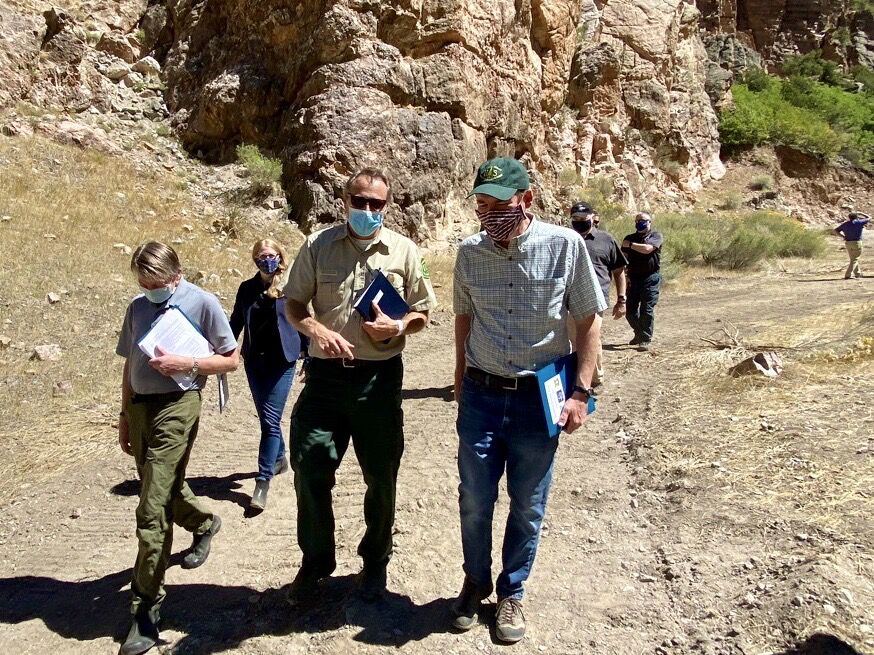
Colorado Sen. Michael Bennet announced late Thursday afternoon that the U.S. Department of Agriculture’s Natural Resources Conservation Service (NRCS) has approved $5 million in Emergency Watershed Protection funds to mitigate and recover from wildfires. The funding will benefit watershed projects in Mesa, Garfield, Larimer, and Grand counties, all hit recently by major wildfires.
This is separate from a request that Bennet, Gardner and U.S. Rep. Scott Tipton sent to the USDA for a cost-sharing agreement to deal with watershed issues tied to the Grizzly Creek fire in Glenwood Springs.
Bennet visited Glenwood Canyon Thursday to survey the Grizzly Creek Watershed. He was joined by state officials and local elected officials, including Rebecca Mitchell, director of the Colorado Water Conservation Board.
“We’re deeply grateful to NRCS for quickly and efficiently approving these funds to mitigate damage in Colorado communities affected by wildfires,” Bennet said in a statement Thursday. “I’ve seen a lot of wildfires and disasters in the last decade that I’ve served in the Senate, and Coloradans always pull together in times of crisis to overcome the devastation and build back even stronger than before. I know this time will be no different…I’m committed to continue collaborating with you all to secure additional federal resources for wildfire recovery.”
Mitchell said in the same statement that CWCB staff are working with water scientists to monitor and study effects of the Grizzly Creek wildfire on watersheds and water supplies in Glenwood Canyon as well as impacts to flood risk. “As the wildfire’s ash and soot continue to flow downstream, we estimate that it will take up to seven years for affected watersheds to fully recover, and our team will be part of this recovery process for years to come.”
Andy Mueller, general manager of the Colorado River District, said that the district “recognizes the severity of the damage to the Glenwood Springs watershed and the potential negative impacts this fire will likely have on the water supply for downstream cities from Rifle to Clifton, truly appreciates the opportunity to partner with the federal government’s Emergency Watershed Protection Program, which has been championed by Senator Bennet, and many other local and state partners to immediately start rehabilitating the watershed. A catastrophic event like this in the major watershed for the City of Glenwood Springs is an opportunity to bring the resources of the federal, state, regional and local governments together to assist in preventing the worst outcomes with respect to long term damage to an important watershed.”
Glenwood Springs City Manager Debra Figueroa thanked Bennet, Gardner and Tipton for their work. “Clean water is life and the functionality and resiliency of our infrastructure are critical for all rural communities in the West,” she said, pointing out that Bennet has been in contact with the city numerous times and visited the fire site twice. He “reached out to numerous federal departments to connect us with potential resources…We cannot undo the damage that was done during this fire but our path to recovery has begun thanks to the rapid response of Senator Bennett and his staff.”
The Grizzly Creek fire, which started August 10, has now burned 32,464 and is 82% contained. It has not grown in size in the last few days.
The separate request to the NRCS said the city of Glenwood Springs has been forced to use a temporary emergency backup water diversion source. Once the fire has been contained, “immediate actions to reduce erosion, sedimentation and prevent flooding will be critical.” The Colorado Water Conservation Board has estimated that it will take the watershed seven years to recover.
A watershed is an area of land in which all water drains to a common point, such as a larger river or stream. Colorado has four major watersheds and dozens of smaller ones; the watershed on the Western Slope drains to the Colorado River.
The request by the city of Glenwood Springs asks that the NRCS cover 90% of the cost of projects for emergency mitigation with the city picking up the last 10%.


Unsustainable: How Colorado’s Medicaid spending exploded
Nico Brambila
nico.brambila@denvergazette.com
Updated 13 hours ago
The state’s Medicaid program — which covers about one in four Coloradans — is poised for its largest single-year jump in at least two decades, with officials proposing a $2.3 billion increase, even as lawmakers face a $1.5 billion budget...
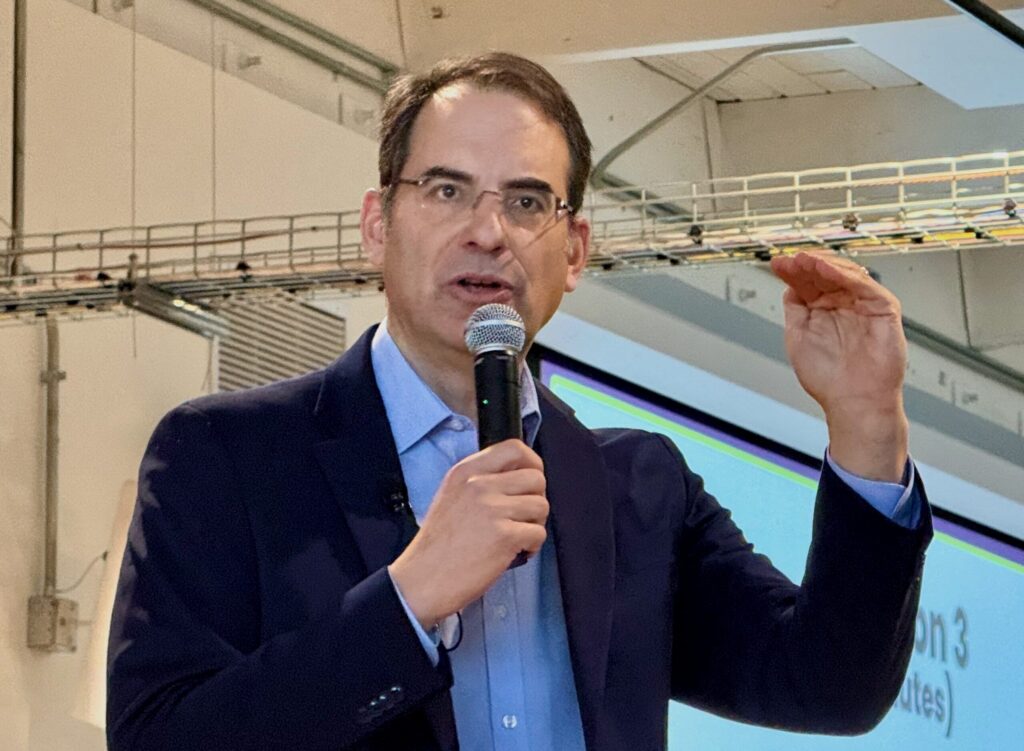
Phil Weiser wins top spot in Colorado’s Democratic gubernatorial primary at party’s state assembly
Ernest Luning
ernest.luning@coloradopolitics.com
Updated 2 days ago
Attorney General Phil Weiser’s name will appear first on Colorado’s Democratic gubernatorial primary ballot after his overwhelming win Saturday at the party’s state assembly in Pueblo. Weiser joins U.S. Sen. Michael Bennet in the June 30 primary for the office...
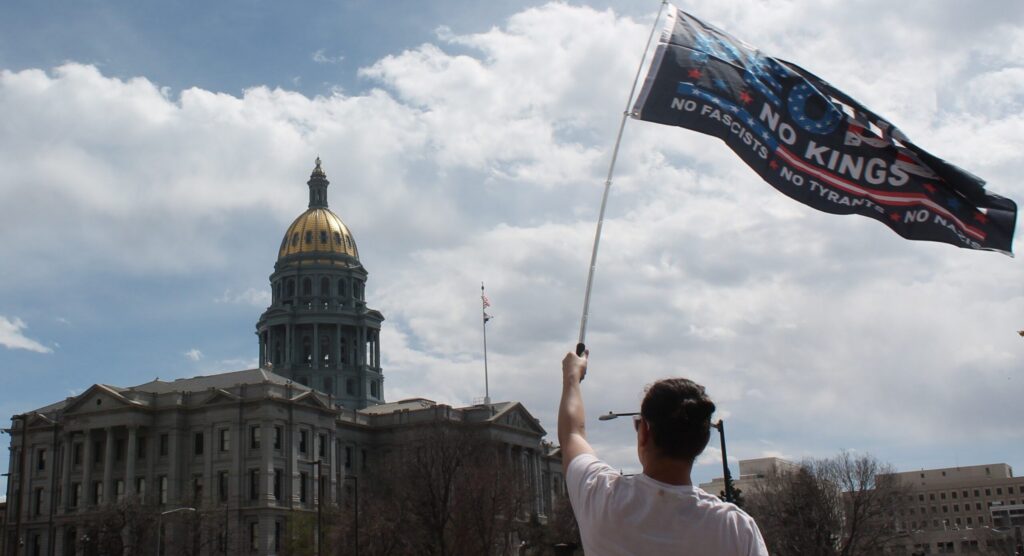
‘No Kings’ protest draws tens of thousands to Colorado state Capitol
Matt Kyle
matt.kyle@denvergazette.com
Updated 2 days ago
The third round of the national No Kings Day protests hit Denver Saturday, when tens of thousands gathered near the Colorado state Capitol to criticize the Trump administration. Organizers addressing the crowd estimated there were 30,000 present for the Saturday...
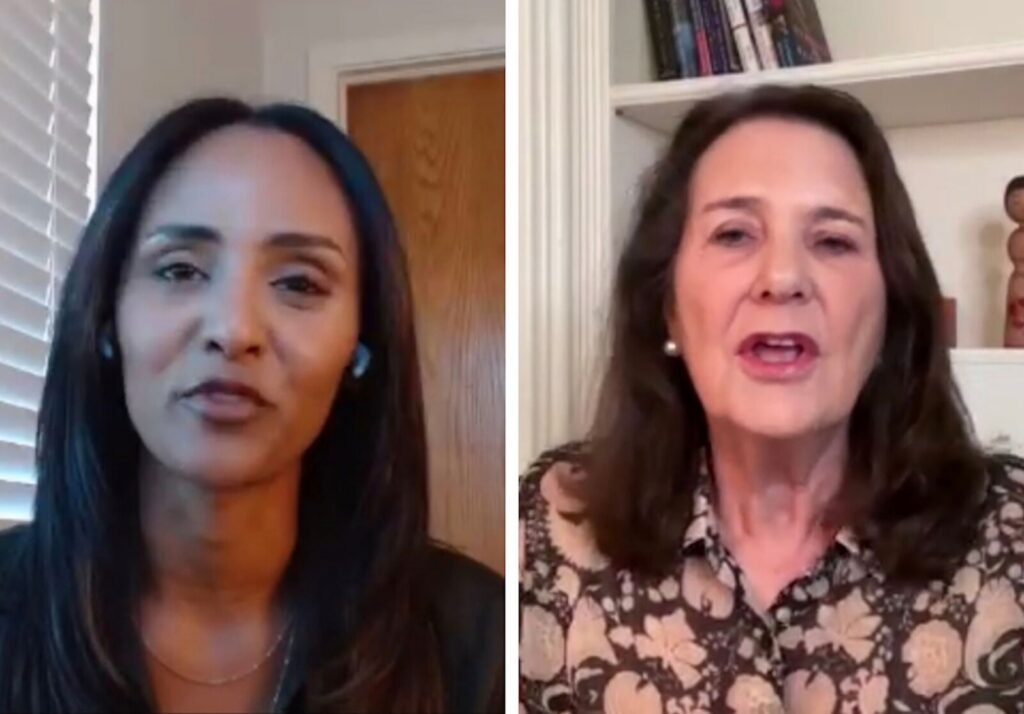
Denver Democrat Diana DeGette trails challenger Melat Kiros at assembly as both qualify for primary
Ernest Luning
ernest.luning@coloradopolitics.com
Updated 2 days ago
U.S. Rep Diana DeGette, a Denver Democrat, qualified for Colorado’s June primary by the skin of her teeth Friday at the party’s district assembly, where the 15-term incumbent received fewer than half as many delegate votes as her challenger, 28-year-old...

Kwame Spearman warrants plenty of criticism, not cancellation | SONDERMANN
By Eric Sondermann
by-eric-sondermann@coloradopolitics.com
Updated 4 days ago
All of us are flawed humans, some more so than others. This is the tale of Kwame Spearman who burst onto Denver’s business and political scene a handful of years back. His ride has taken a downhill trajectory. Within the...
Colorado Politics Calendar Mar. 30-Apr. 5
Rachael Wright, Special to Colorado Politics
rachael.wright@coloradopolitics.com
Updated 3 days ago
CoPo’s weekly political calendar will help you find political and public-policy events throughout Colorado. It includes candidate and issue campaign events, public policy meetings, court hearings, state and local party conventions, assemblies, debates, rallies, parades, speaking engagements, traveling dignitary appearances,...
Federal judge upholds constitutionality of Colorado campaign contribution limits
Michael Karlik
michael.karlik@coloradopolitics.com
Updated 2 days ago
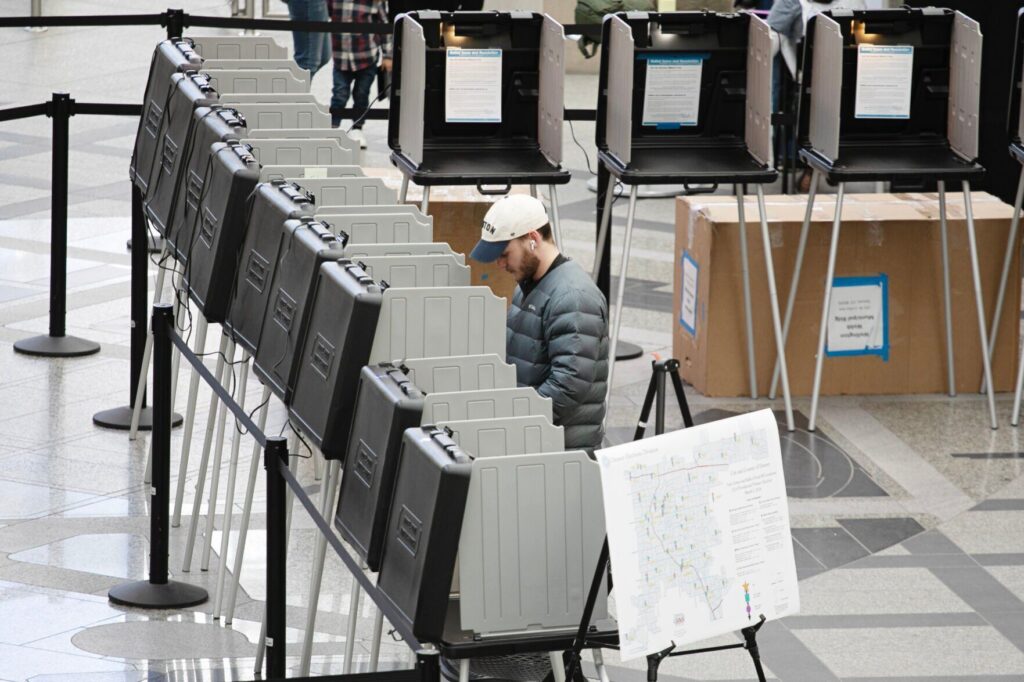
A federal judge upheld Colorado’s individual campaign contribution limits as constitutional on Thursday, finding that three Republican plaintiffs failed to prove the campaign finance framework violates their First Amendment rights. U.S. District Court Senior Judge John L. Kane recognized that...
Appeals court rejects theory that existing tax revenue undermines need for new fees
Michael Karlik
michael.karlik@coloradopolitics.com
Updated 3 days ago
Colorado’s second-highest court rejected a plaintiff’s claim on Thursday that the tax revenue generated by an existing activity should prevent local governments from imposing new fees aimed at regulating the activity. The question stemmed from Colorado’s unique constraints on taxation...
Colorado ski resorts announce early closures amid historic snowpack lows, high temperatures
Kyla Pearce
kyla.pearce@gazette.com
Updated 3 days ago
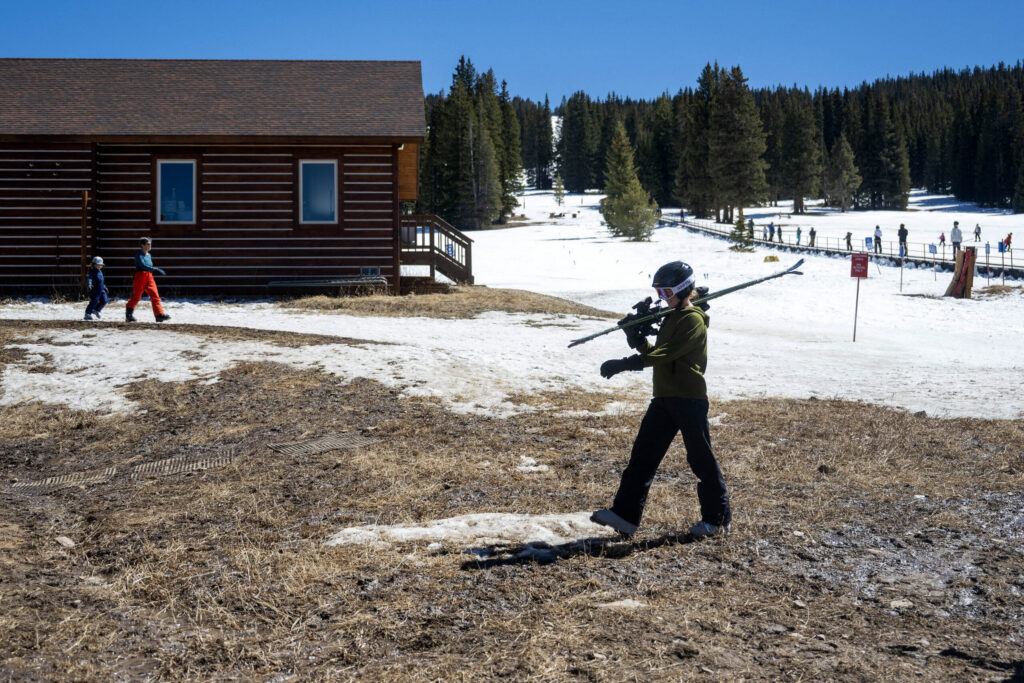
As Colorado’s historically low snowpack year comes to a close and spring conditions take over the mountains, the state’s major ski resorts are announcing closing dates — some of which are weeks before historic closing dates. Most of Colorado’s ski...
Marco Rubio’s star power rises at CPAC 2026
Mabinty Quarshie and Samantha-Jo Roth, Washington Examiner
mabinty.quarshie.and.samantha-jo.roth.washington.examiner@gazetteedit.wpenginepowered.com
Updated 3 days ago
GRAPEVINE, Texas — Secretary of State Marco Rubio’s popularity is growing and could possibly boost him to one of the top two spots in the 2028 GOP presidential race, if attendees at the Conservative Political Action Conference are to be believed. ...
PREV
PREVIOUS

Coronavirus in Colorado: The latest numbers
There are now 6,141,580 coronavirus cases in the U.S. and 186,467 deaths, according to Johns Hopkins University. The latest COVID-19 numbers in Colorado (Updated on Sept. 3): – 57,999 cases, including 11,339 in Denver – 718,398 people tested – 1,952 deaths among cases, including 429 in Denver County – 3.37% fatality rate in the state The […]

Lawsuit dismissed against El Paso sheriff over ICE detainers
After two inmates sued the sheriff of El Paso County for detaining people longer than state law allowed at the request of immigration authorities, the Court of Appeals on Thursday dismissed the case because new legislation rendered the issue moot. Sheriff Bill Elder detained individuals at the El Paso County jail following detainer requests and […]