

Study: Rocky Mountain forests burned by wildfire may never recover
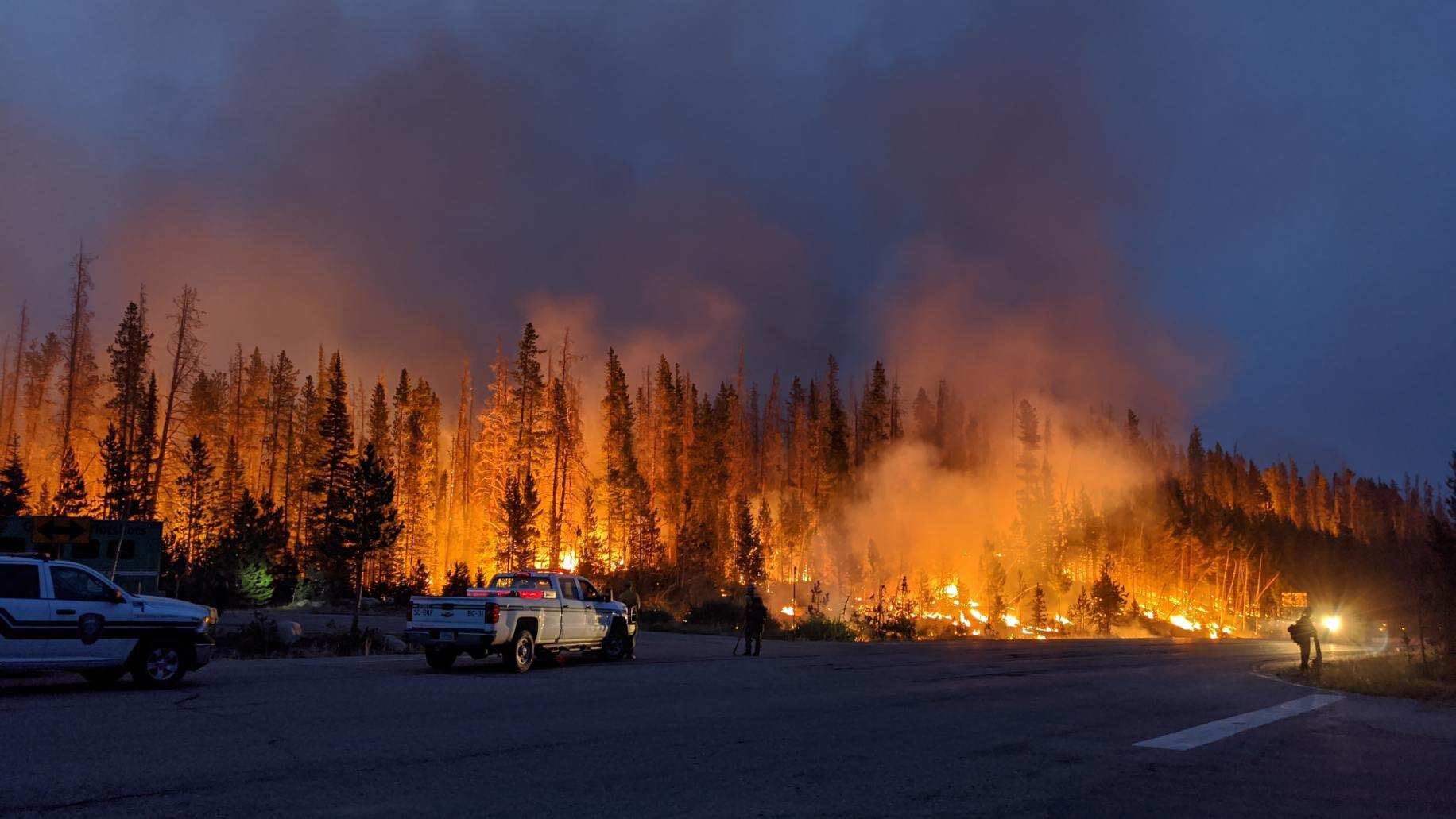
Forests that succumb to wildfires across the Southern Rocky Mountains may be unlikely to return, and instead live on as grasslands or shrub lands, concludes a new research paper from Colorado academics.
“We project that post-fire recovery will be less likely in the future, with large percentages of the Southern Rocky Mountains becoming unsuitable for two important tree species — ponderosa pine and Douglas fir,” said lead author Kyle Rodman, who was with the University of Colorado’s geography department at the time of the study.
Authors from UC, the U.S. Forest Service, Northern Arizona University, Colorado State University and the University of North Carolina Wilmington examined 22 areas of fire burn encompassing 710 square miles. The territory spanned southern Wyoming to Northern New Mexico, some of which burned as early as 1988.
The researchers modeled the forests prior to the wildfires, then examined young trees to measure forest resiliency. They found forests at high elevations with lower temperatures and more precipitation were more successful in recovering.
“This study and others clearly show that the resilience of our forests to fire has declined significantly under warmer, drier conditions,” said Tom Veblen, a geography professor at CU Boulder.
Forests that were the victims of more recent fires proved less resilient, as did forests along the Front Range. Researchers noted that high greenhouse gas emissions in the future could result in single-digit percentages of Douglas fir and ponderosa pine forest ever recovering.
The study was published on Aug. 17 in the journal Global Ecology and Biogeography.


Lake Mead hits historic low water level as Colorado River struggles | OUT WEST ROUNDUP
The Associated Press
the-associated-press@coloradopolitics.com
Updated 5 days ago
NEVADA Lake Mead hits new low BOULDER CITY — Lake Mead, the largest reservoir in the United States, has plummeted to its lowest water level since it was filled some 90 years ago, another sign of the crisis plaguing the...

Democrats and their big roll of the dice | SONDERMANN
Eric Sondermann
eric-sondermann@coloradopolitics.com
Updated 5 days ago
For Republicans on the ballot this fall, the hand they are forced to play is rather set. Even if so many of them had not so meekly submitted to President Donald Trump’s agenda, they would still be largely tethered to...

Reagan’s PATCO Showdown ignited Colorado labor backlash | A LOOK BACK
Rachael Wright, Special to Colorado Politics
rachael.wright@coloradopolitics.com
Updated 4 days ago
Forty-five years ago this week: “It’s the old Nixon reaction as far as I’m concerned. He thinks he’s the Great God Almighty and can do no wrong … in the eyes of the public,” said Zelda Bransted, spokesman of the...
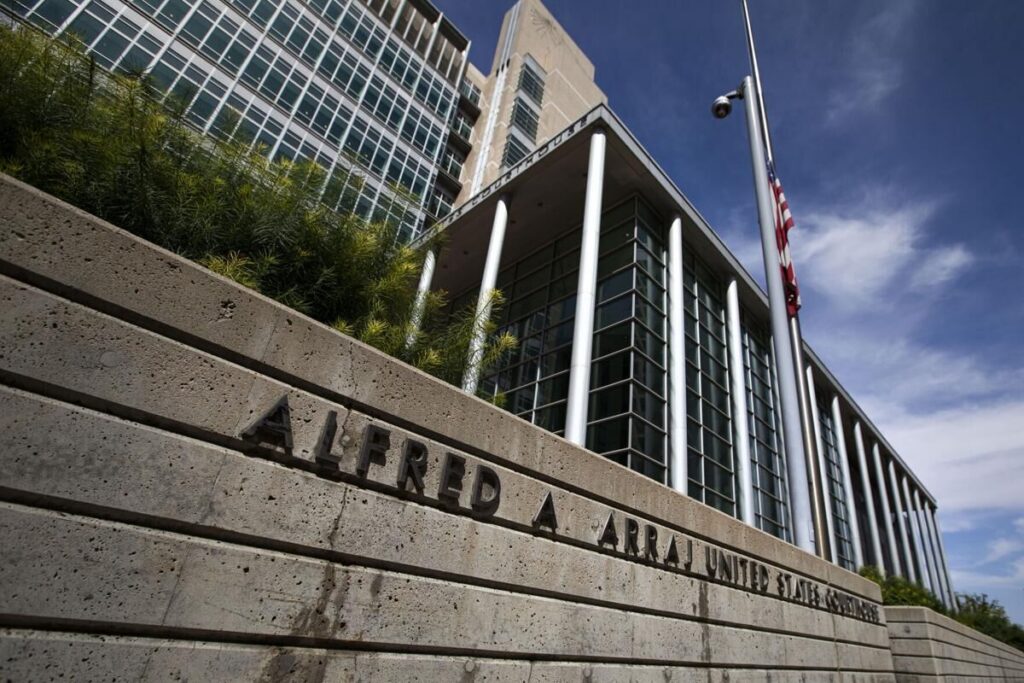
Federal judge green-lights excessive force, retaliation claims for trial against Fort Collins officers
Michael Karlik
michael.karlik@coloradopolitics.com
Updated 1 day ago
A federal judge green-lit a jury trial last week against multiple Fort Collins police officers on claims that they used excessive force on one man who was standing unarmed in his underwear, and retaliated against another man for exercising his...

Jeff Crank, Jessica Killin set to face off in 2 debates in Colorado’s 5th Congressional District
Ernest Luning
ernest.luning@coloradopolitics.com
Updated 3 days ago
Republican U.S. Rep. Jeff Crank and Jessica Killin, his Democratic challenger, have agreed to debate twice in the weeks leading up to the general election in Colorado’s 5th Congressional District, their campaigns have said. Crank is seeking a second term...

CSI study reviews impacts of Colorado’s mandatory sex‑trafficking sentencing measure
Marissa Ventrelli
marissa.ventrelli@coloradopolitics.com
Updated 17 hours ago
A new report by the think-tank Common Sense Institute examines what could happen if Colorado voters approve Initiative No. 108, which establishes mandatory life sentences for offenders convicted of sexual trafficking of a minor. The measure is backed by Protect...

Luigi Mangione pleads guilty in UnitedHealthcare CEO Brian Thompson murder case
Kaelan Deese
kaelan-deese@coloradopolitics.com
Updated 3 days ago
Luigi Mangione pleaded guilty Friday to two federal stalking charges connected to the 2024 killing of UnitedHealthcare CEO Brian Thompson, a major development that could complicate New York prosecutors’ separate murder case against him. Mangione, 28, not only pleaded guilty in Manhattan federal court...

French court blocks Macron’s social media ban for children under 15
Emily Hallas
emily-hallas@coloradopolitics.com
Updated 3 days ago
France’s top court struck down on Friday a law championed by President Emmanuel Macron that would have made it illegal for children to have social media accounts. The law, approved by lawmakers in July, was set to take effect at...

10th Circuit revives wage violation lawsuit against Papa John’s operator
Michael Karlik
michael.karlik@coloradopolitics.com
Updated 2 days ago
The Denver-based federal appeals court on Tuesday reinstated a former Papa John’s delivery driver’s lawsuit alleging violations of federal and state wage law. Steve Mighell worked for one month at a Denver Papa John’s location in summer 2023. He alleged...
Golden fire chief fired days after city manager as city investigates ‘racist incident’
Matt Kyle
matt.kyle@denvergazette.com
Updated 3 days ago
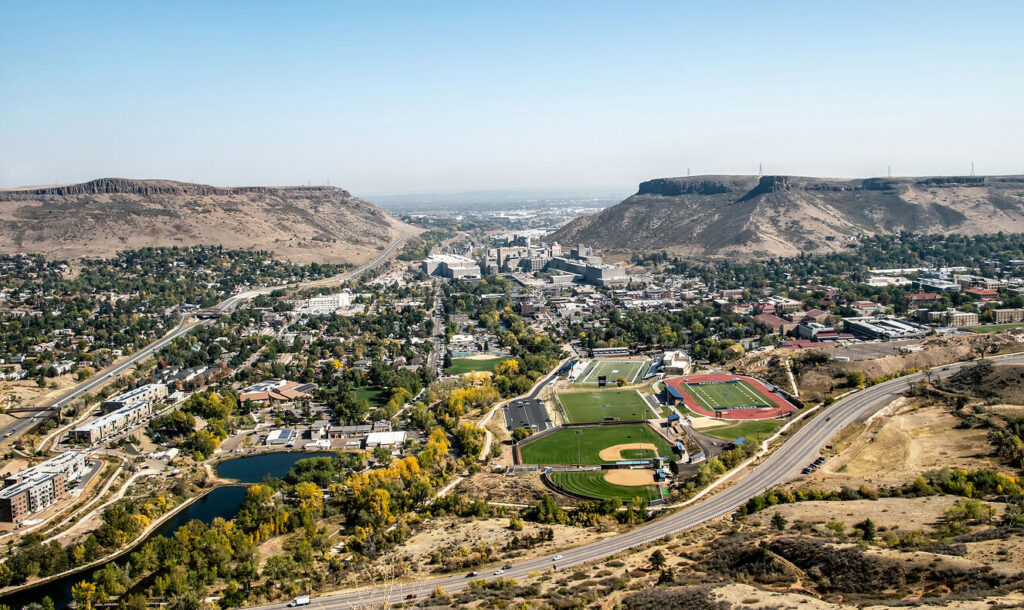
The City of Golden has terminated its fire chief days after terminating the city manager due to a “racist incident” earlier this year at a city fire station. City officials said that in March, a “Snoop on a Stoop” doll,...
PREV
PREVIOUS
Capitol, other Colorado landmarks to light up in honor of 19th Amendment
Purple and gold lights will illuminate the state capitol on Wednesday to celebrate the 100th anniversary of the adoption of the 19th Amendment, which outlawed sex discrimination in voting. “This is an inspirational anniversary to celebrate how Colorado has been a trailblazer on expanding access to the ballot box,” Gov. Jared Polis said. “In 1893, […]
New Denver online newspaper being launched by owner of Colorado Springs Gazette, Colorado Politics
Clarity Media Group, owner of Colorado Politics in Denver and The Gazette in Colorado Springs, is launching an online daily newspaper in Denver that the company says will provide Mile High City residents with “more hard-hitting news, investigative journalism and thought-provoking local opinions than any other publication in the city.” The Denver Gazette, as the […]