

10th Circuit: U.S. government not liable for failing to warn about mine shaft that killed driver

The federal government cannot be liable for its failure to post warning signs near an abandoned mine shaft that killed a motorist, the U.S. Court of Appeals for the 10th Circuit ruled on Friday. The court implied that such safety precautions in national forest land would negatively affect the “beauty.”
“[P]osting the number of warning signs that would evidently be required could not help but detract from the scenic beauty of the Forest, making it a far less attractive place to try to ‘get away from it all,'” wrote Judge Harris L. Hartz for the three-member panel. He added in his opinion that the “good sense” of motorists not to crash was a sufficient remedy.
The National Forest System’s Region 2 encompasses parts of five states, and includes Arapaho and Roosevelt National Forests and Pawnee National Grassland. The region contains 11,500 elements of abandoned mines. In the early morning hours of June 12, 2016, Sarah Ball drove off of U.S. Forest Service Road 456.1A west of Gold Hill and fell into one of the abandoned mine shafts a short distance away. Ball died from the crash.
Road 456.1A was at “Maintenance Level 2,” meaning that, according to the Forest Service Handbook, “Motorists should have no expectations of being alerted to potential hazards while driving these roads.” A visitor map the agency produced also warned that off-highway vehicle use carried an elevated possibility of injury and death.
Between 2013 and 2017, the Forest Service could only maintain on average 122 of the nearly 2,000 miles of road within the forests. Road 456.1A was not slated for any repairs at all. While Congress in 1998 began to assign funding to mitigate safety hazards of abandoned mines, such projects are among the many priorities of the Forest Service. An environmental review must also take place before work begins. Between 2008 and 2016, only 85 of the Region 2 mines underwent hazard mitigation – 0.7% of the total.
Ball’s parents and estate sued the U.S. government, but a federal district court judge dismissed the matter, finding that the government had sovereign immunity. The law allows individuals to bring legal action against the government for negligence resulting in wrongful injury or death; however, there is an exception to the liability. If there was a discretionary action on the part of the government that involved public policy considerations, the government has immunity in civil court.
The plaintiffs alleged that the fork in the road near where Ball died should have had warning signs or barriers to prevent vehicles from driving into the open shaft. The three-member appeals panel explored whether there was any law, regulation or policy that compelled the Forest Service to do anything about the danger. They decided in the negative.
Plaintiffs further argued that the government “failed to provide evidence showing that the Forest Service’s decision not to warn or otherwise protect against the hazard posed by the Mine Shaft and Road 456.1A was grounded in policy considerations,” wrote Hartz. “But this contention is misguided in at least two respects.”
He explained that there need not have been proof the government thought through whether to erect signage to prove a “policy consideration.” The inclusion or exclusion of warning signs is “susceptible to the types of policy analysis protected by the discretionary-function exception – even if not spelled out,” Hartz wrote.
The appellate judges justified the Forest Service’s inaction by deeming it financially unrealistic for the agency to protect motorists from similar mine shafts along all 1,987 miles of road in the region.
“The impact on the Forest Service budget would be significant, requiring reordering of priorities from other activities,” Hartz added. Instead, “the Forest Service could decide that adequate protection is afforded by the warnings provided by the Motor Vehicle Use Map, its existing road-maintenance and mine-closure policies and projects, and the good sense of motorists in the Forest.”
The panel concluded that to assign liability to the government for remediating this one mine shaft would create an obligation to fix scores of other hazards. The judges declined to engage in “judicial second-guessing” and dismissed the lawsuit.
The 10th Circuit panel was not the only one to grant governmental immunity for a death on public land. A 1993 decision out of the 11th Circuit based in Atlanta shielded the government for a tree that fell onto a car and killed the driver in Great Smoky Mountains National Park. The court in that case found that “the decisions made by GSMNP personnel in designing and implementing its unwritten tree inspection program fall within the ambit of the discretionary function exception.”
Randall M. Weiner, the attorney for the plaintiffs in the Ball case, said on Monday that the issue of governmental immunity “is an important one for society.” He added that he and his clients are discussing other possible legal avenues, including an appeal of the decision to the entire 10th Circuit.
The case is Logan Ball et al. v. United States of America.


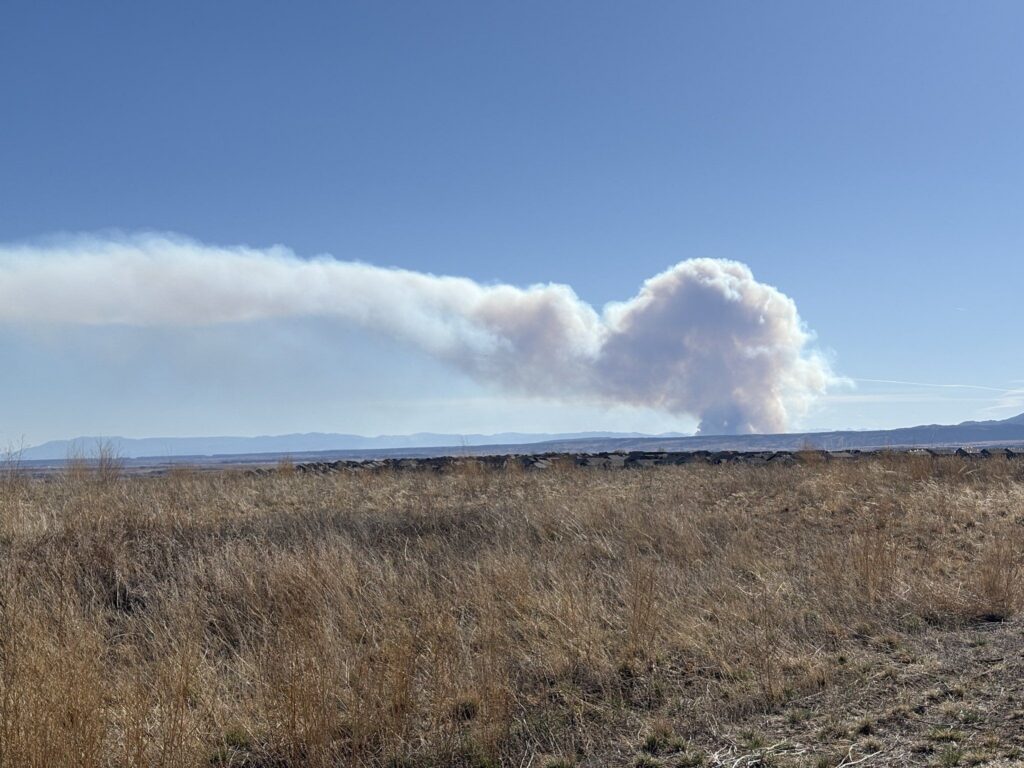
Highway 115 fire blows up, road closed south of Colorado Springs
Nick Smith
nick-smith@coloradopolitics.com
Updated 49 seconds ago
A fast-moving fire burning along Colorado 115 south of Colorado Springs blew the containment line Thursday, spreading farther east onto Fort Carson and scorching at least nearly 700 acres, officials said. The blaze was fully uncontained as of late Thursday...
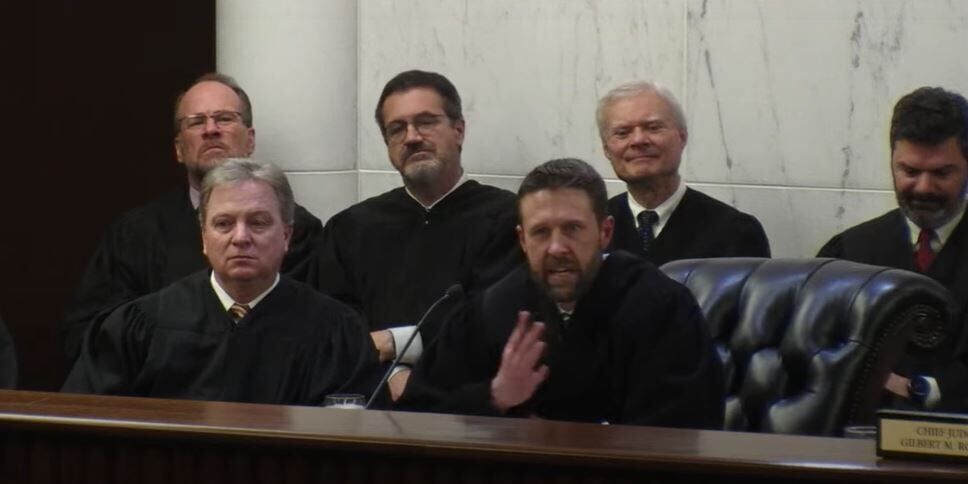
Public figures have limited path to sue over accusations of criminality, says appeals court
Michael Karlik
michael.karlik@coloradopolitics.com
Updated 2 hours ago
Colorado’s second-highest court ruled last week that a public figure cannot sue for defamation solely because a person publicly accuses them of committing a crime, as the statement may be constitutionally protected opinion. A three-judge Court of Appeals panel narrowed...
Proposed data center regulation in Colorado draws critics, backers
Scott Weiser
scott.weiser@gazette.com
Updated 26 minutes ago
A packed marathon hearing at the state Capitol in Colorado highlighted the sharp divide between two competing approaches to the effects of data centers, one of America’s fastest-growing technology sectors. Data centers are the physical facilities that host the servers,...
Conservation Colorado proposes measures aimed at oil and gas companies
Marissa Ventrelli
marissa.ventrelli@coloradopolitics.com
Updated 3 hours ago
The environmental group Conservation Colorado has introduced four ballot measures it says are in response to an initiative that aims to enshrine Colorado businesses’ and consumers’ right to purchase and sell natural gas in the state’s Constitution. Filed with the...

Colorado revenue forecast worsens, pushing budget shortfall to nearly $1.5B
Marianne Goodland
marianne.goodland@coloradopolitics.com
Updated 19 minutes ago
The latest revenue forecasts from economists in both the governor’s office and the Colorado legislature show that the state’s budget predicament has worsened — by hundreds of millions of dollars more. That, in turn, means cuts programs and services in...
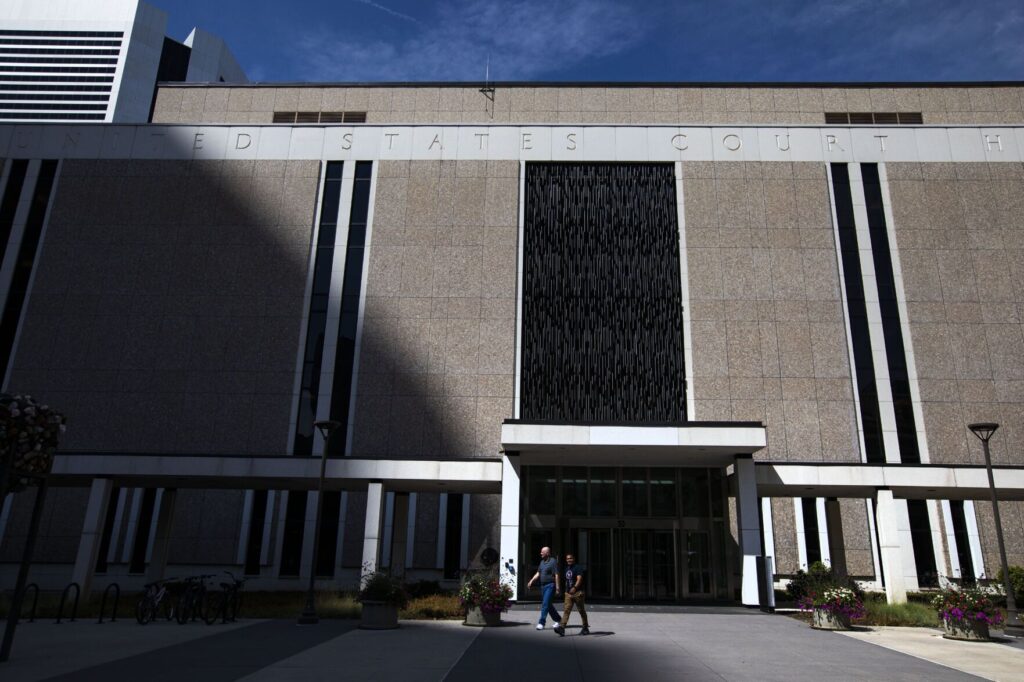
Federal judge to consider sanctioning ex-Colorado judicial discipline director
Michael Karlik
michael.karlik@coloradopolitics.com
Updated 1 hour ago
A federal judge ordered Colorado’s former head of judicial discipline on Wednesday to explain why she should not sanction him for making inaccurate statements about the defendants in his lawsuit against the Colorado Supreme Court and related entities. U.S. District...
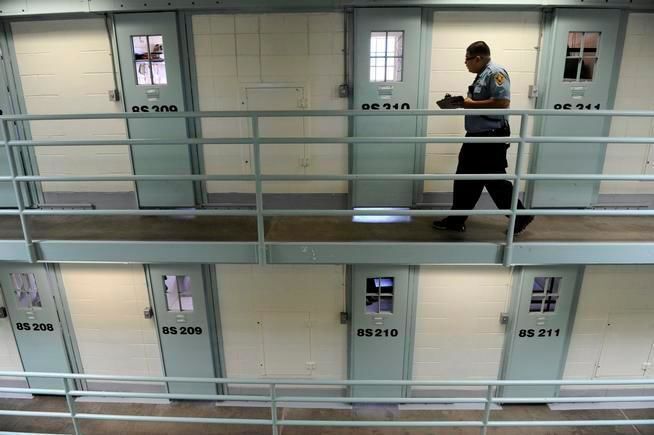
With jails overcrowding, Gov. Jared Polis asks for new prisons as lawmakers face budget shortfall
Marianne Goodland
marianne.goodland@coloradopolitics.com
Updated 35 minutes ago
The Polis administration is asking for hundreds of millions of dollars to expand the state’s prison system, just as Colorado’s legislators are bracing for a worsening fiscal outlook. The request sets up a clash over priorities at a time when...
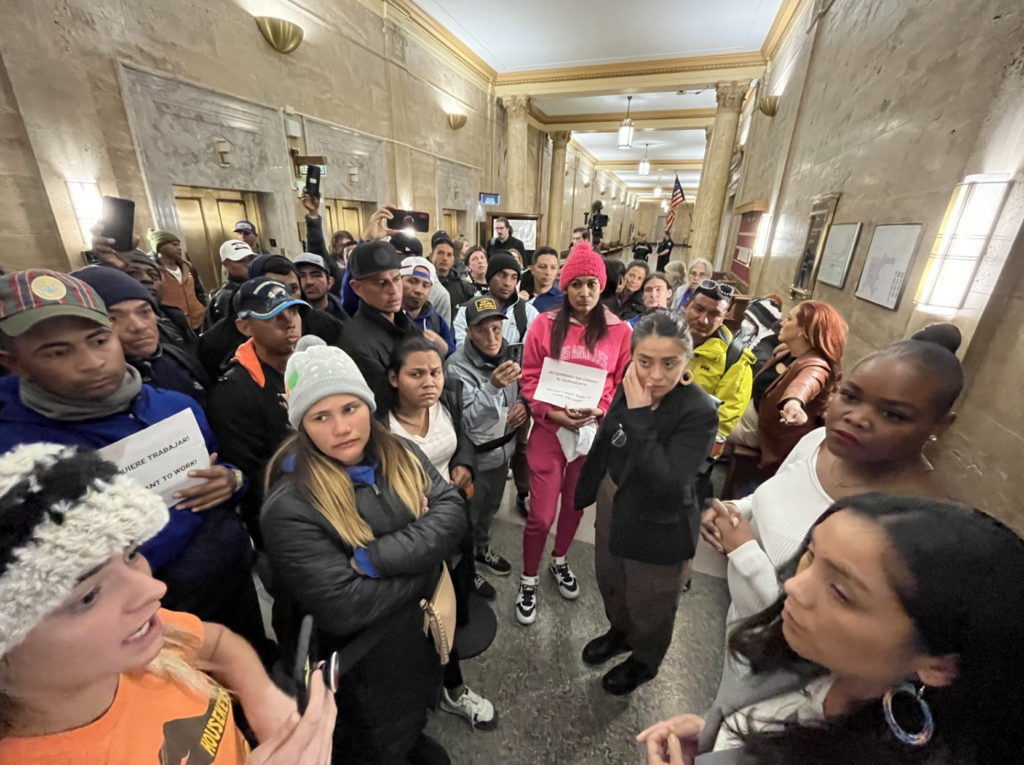
Costs explode for Colorado program covering pregnant women and children living in the U.S. illegally
Marianne Goodland
marianne.goodland@coloradopolitics.com
Updated 9 hours ago
A state program providing health care to pregnant women and children living in the country illegally is costing far more than lawmakers expected, with expenses nearly tripling in just a year and threatening to squeeze Colorado’s budget amid a nearly...

Costs explode for Colorado program covering pregnant women and children living in the U.S. illegally
Marianne Goodland
marianne.goodland@coloradopolitics.com
Updated 1 day ago
A state program providing health care to pregnant women and children living in the country illegally is costing far more than lawmakers expected, with expenses nearly tripling in just a year and threatening to squeeze Colorado’s budget amid a $1...
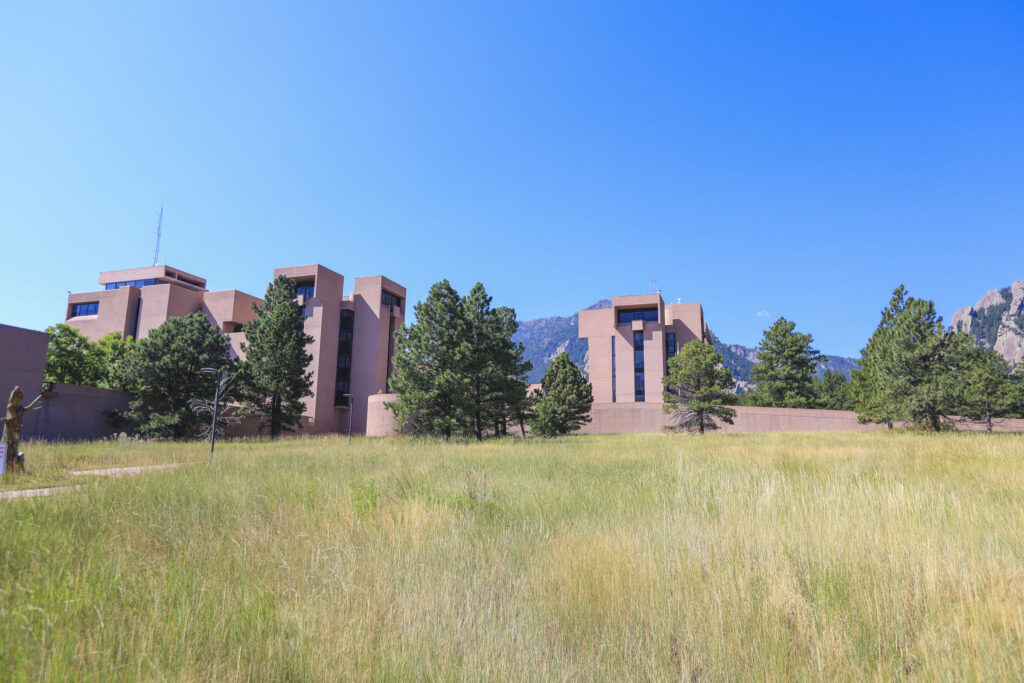
Universities sue to block dismantling of Boulder’s NCAR
Scott Weiser
scott.weiser@gazette.com
Updated 6 hours ago
A consortium of universities filed a federal lawsuit Monday, alleging the Trump administration’s plan to dismantle the National Center for Atmospheric Research is unlawful retaliation against Colorado. The group also argued that the move violates federal law. The University Corporation...
PREV
PREVIOUS

Ballot initiatives: what's on and what's still to come
As of Monday, as many as 11 ballot measures are likely to appear on the November ballot. In 2018, 13 ballot measures made it all the way to November, but eight of them went down to defeat, including two that would raise taxes for education and transportation. The November 2020 ballot is unlikely to be […]

Former Air Force secretary backs Biden, citing Democrat's 'moral compass'
The second woman to serve as Air Force secretary is endorsing Democrat Joe Biden for president, saying the former vice president has the “moral compass, the intellect and humanity” she said the country needs in a president. Deborah Lee James, who was Air Force secretary from 2013 until President Donald Trump took office in 2017, on […]