

10th Circuit dismisses negligence claim against tribal officers in southern Colorado shooting

The actions of tribal police in shooting a man who mistook officers for brawling house guests did not meet the criteria for negligence under federal law, the U.S. Court of Appeals for the 10th Circuit ruled on Friday.
In December 2012, Anthony Martinez was hosting a party at his father’s house in southwest Colorado when a fight erupted between guests. Martinez forced the combatants outside, where the fight ended. After leaving for a time, two of the guests returned around 1 a.m. with additional family members. Martinez punched one of them, prompting another physical altercation, according to records.
Southern Ute Police Department Officers Cheryl Herrera, Matthew Mitchell and Patrick Backer responded to a call for service. By the time Mitchell and another officer arrived at the house near Ignacio, the fight was over. The two left around 1:30 a.m., but Herrera and Backer, who had spoken to other parties since the report, decided to check on one of the women allegedly hit in the dispute. Reportedly, she was still at the Martinez residence.
Arriving at 3:30 in the morning, Hererra, who was still in training, decided to use a “blackout” tactic of parking out of sight and approaching quietly. The maneuver was ostensibly for the officers’ own safety and possibly to prevent harm to domestic violence victims if a perpetrator hears police arriving.
Martinez, however, mistook the police vehicle for that of two of the combatants. He believed they had returned to fight and so Martinez, who was intoxicated, hid behind a nearby bush with a metal baseball bat. Herrera and Backer, now trailed by Mitchell, had no visible police identification from the front as they approached the house. When they heard rustling in the bush, they shined a flashlight, prompting Martinez to charge them. Backer shot Martinez.
Martinez sued the U.S. government under the Federal Tort Claims Act, which deems the tribal officers are federal employees if their agencies are contracted to receive federal funding. In this case, the U.S. Department of the Interior’s Bureau of Indian Affairs had an agreement with the Southern Ute Police Department.
A U.S. district court granted the officers qualified immunity for Martinez’s excessive force claim. The judicial doctrine holds that government employees cannot be sued absent a violation of clearly-established constitutional rights. Subsequently, there was a six-day trial for Martinez’s claim of negligence.
Senior Judge Richard P. Matsch ultimately sided with the government, finding that even if the officers showed “questionable judgment” in returning for a welfare check after Mitchell had found no cause for concern hours earlier, they had reason to believe that the alleged perpetrator of the assault might react violently if all of them returned to the house in the same manner.
“Martinez charged at them which is an intervening cause of his injury,” Matsch wrote. “The stealth approach was not the proximate cause of injury to Martinez.”
The three-member panel for the 10th Circuit found not only that the U.S. government had immunity, but that the district court lacked jurisdiction to try the matter. Under the federal tort law, Judge Scott M. Matheson Jr. wrote, a court has to decide first if the government employees’ conduct was discretionary, and if so, whether the decision was “based on considerations of public policy.” If the answer to both questions is yes, governmental immunity applies.
Martinez “has not shown that the Officers ‘violated a federal statute, regulation, or policy’ by using the blackout approach,” the appeals court concluded. Under the Bureau of Indian Affairs’ law enforcement handbook, there was no policy for “blackouts,” meaning the use of the tactic was discretionary.
The court concluded that the “blackout” tactic did involve policy considerations because it “requires officers and police departments to balance competing safety concerns” for themselves and suspected victims of domestic violence.
While Martinez further argued that the officers violated the rule to identify themselves as police when initiating a contact, Matheson countered that Martinez was actually the one who initiated by charging them with a baseball bat.
The appellate judges also dismissed Martinez’s argument that a noncoercive “knock and talk” at a person’s residence violates the Fourth Amendment right against unlawful searches and seizures. Again, Matheson pointed out that Martinez’s actions did not even give the officers the ability to approach the house door and ask to talk.
The Bureau of Indian Affairs did not immediately respond to a request for comment. The Southern Ute Police Department, which patrols nearly 678,000 acres across three counties, referred inquiries to the tribe.
The case is Martinez v. United States of America.


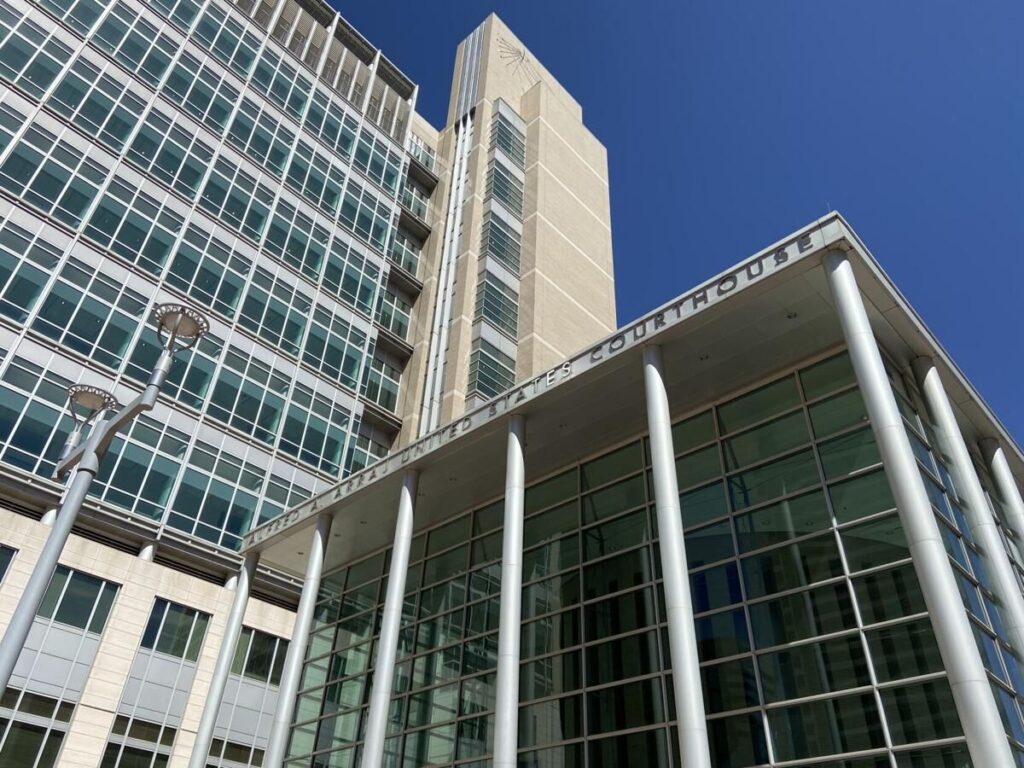
Federal judge hears arguments about Colorado’s 3-day gun purchase waiting period
Michael Karlik
michael.karlik@coloradopolitics.com
Updated 10 hours ago
A federal judge heard arguments on Monday about the constitutionality of a 2023 Colorado law that generally imposes a three-day waiting period on firearm purchases after the initiation of a background check. The test that the U.S. Supreme Court created...
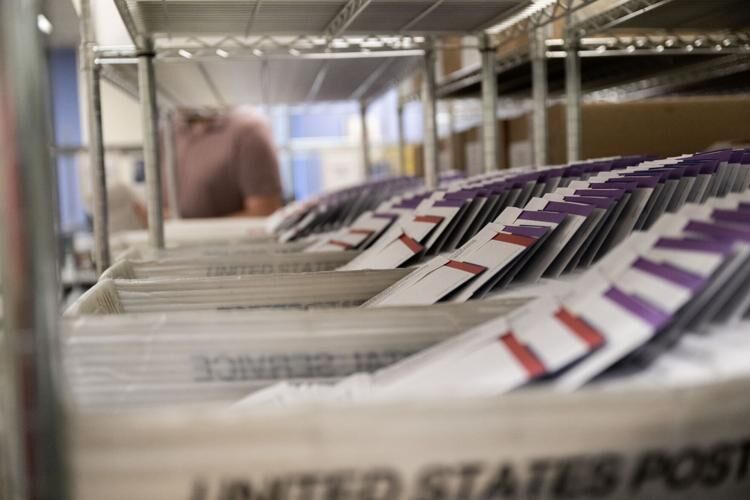
U.S. Supreme Court clears way for Trump mail voting order in advance of midterms
Wire Services
wire-services@coloradopolitics.com
Updated 13 hours ago
WASHINGTON • The U.S. Supreme Court on Monday cleared the way for President Donald Trump to move ahead with an executive order that seeks to restrict the mailing of ballots to American citizens in an eligible voters list. The executive...
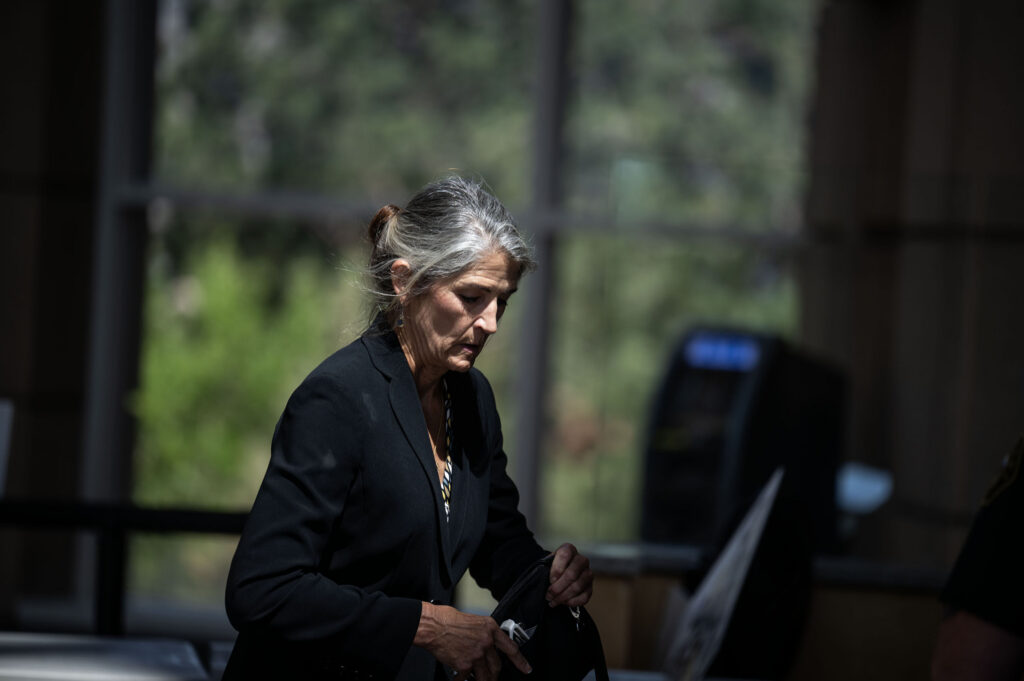
Colorado Supreme Court intervenes in Weld County prosecution dismissed due to Missy Woods misconduct
Michael Karlik
michael.karlik@coloradopolitics.com
Updated 13 hours ago
The Colorado Supreme Court ordered a Weld County trial judge last week to respond to the district attorney’s claim that he improperly dismissed a criminal case because of “outrageous” conduct by the Colorado Bureau of Investigation. Daniel Lee Eatinger stood...
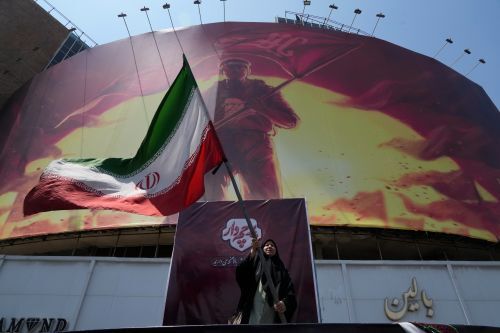
Trump opens ‘economic D-Day’ offensive against Iran as war nears six-month mark
Christian Datoc
christian-datoc@coloradopolitics.com
Updated 18 hours ago
President Donald Trump is seeking to increase the financial pressure on Iran with new secondary sanctions on nations and foreign actors propping up the regime’s economy as the war between the United States and Tehran nears the six-month mark. Treasury...
Trump announces 50% tariffs on Canadian cars, auto parts, and steel
Naomi Lim
naomi-lim@coloradopolitics.com
Updated 18 hours ago
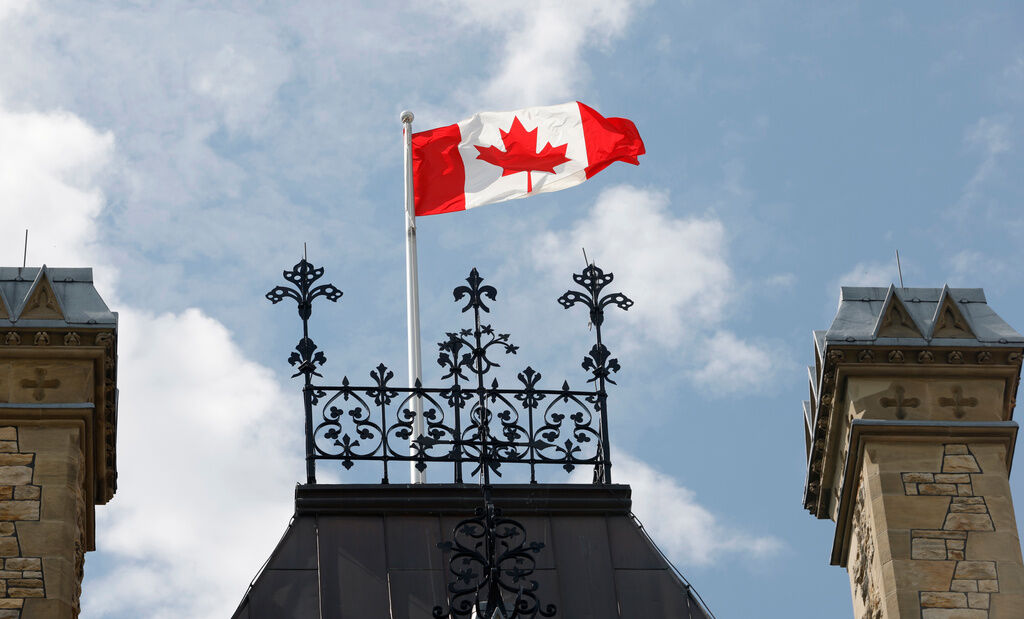
President Donald Trump escalated the trade war with Canada after talks collapsed last week, announcing Monday that the United States would impose 50% tariffs on cars, trucks, automotive components, and steel starting Jan. 1, 2027. “Canada has been ripping off...
Iran puts out propaganda video tracking Barron Trump’s location, offering $10 million for his assassination
Timothy Nerozzi
timothy-nerozzi@coloradopolitics.com
Updated 20 hours ago
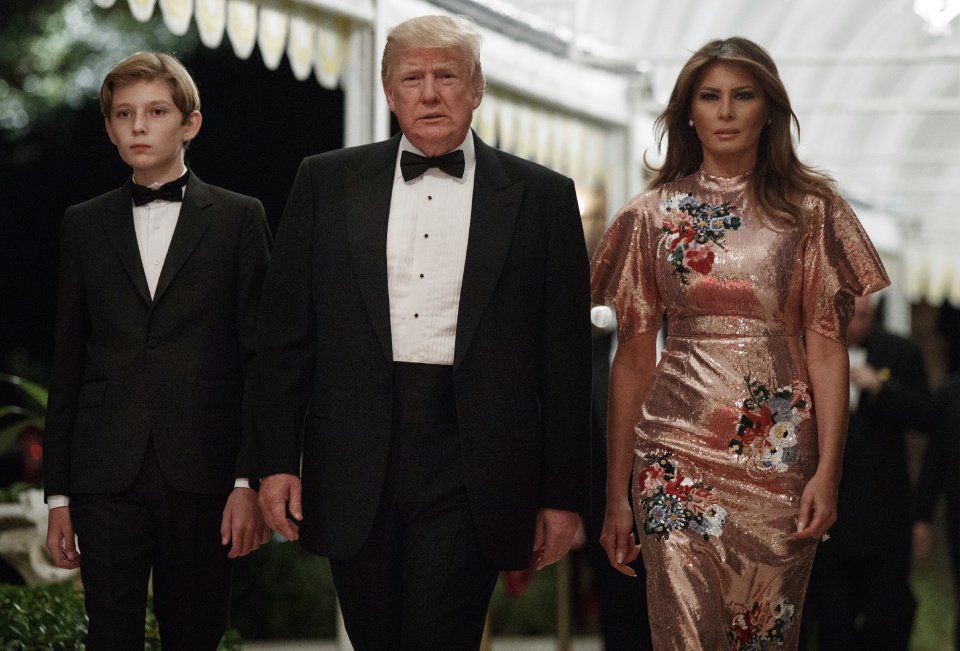
The Islamic Revolutionary Guard Corps is putting a hit out on President Donald Trump’s son, Barron Trump, with an inflammatory video claiming to track his location. State-run television in Iran is broadcasting a propaganda video claiming to show the locations...
Nevada sues Trump administration over Colorado River cuts
Marianne Goodland
marianne.goodland@coloradopolitics.com
Updated 12 hours ago
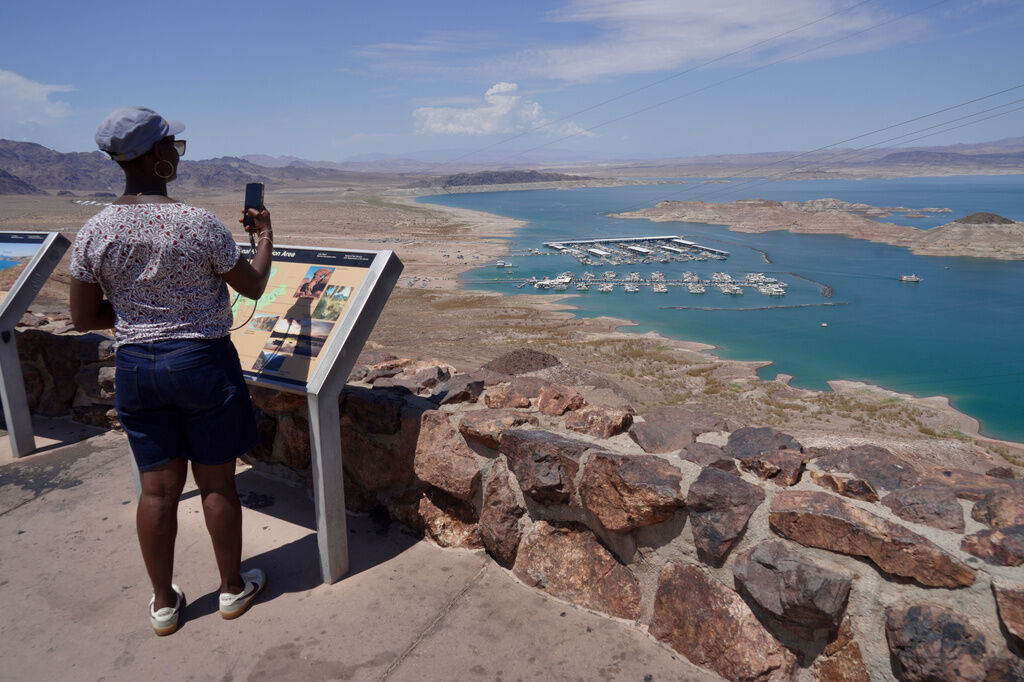
On Monday, the state of Nevada filed a lawsuit against the Trump administration and Interior Secretary Doug Burgum, seeking to block the Colorado River management plan. On Friday, Burgum released a “record of decision” that would reduce water allocations to...

Healthcare Freefall: Longer drives, fewer options for maternity care in Colorado
Thelma Grimes
thelma.grimes@coloradopolitics.com
Updated 22 hours ago
Editor’s Note: Colorado’s healthcare system is entering a period of accelerating instability — a “tsunami,” as multiple leaders describe it — driven by collapsing hospital finances, shrinking Medicaid reimbursements, disappearing services and a political fight over who is responsible for...
Polis requests federal disaster declaration for Colorado wildfires and floods
9News
9news@coloradopolitics.com
Updated 15 hours ago
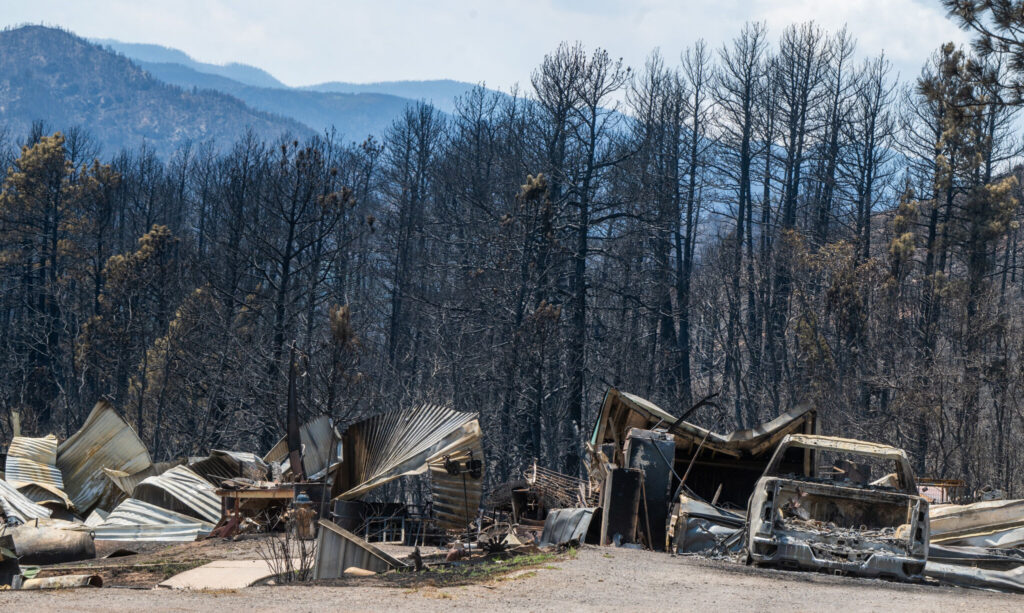
On Sunday, Gov. Jared Polis officially requested a Major Disaster Declaration from President Donald Trump and the Federal Emergency Management Agency to support recovery from two wildfires and the subsequent flooding and debris flows on both burn scars. Polis requested a declaration...
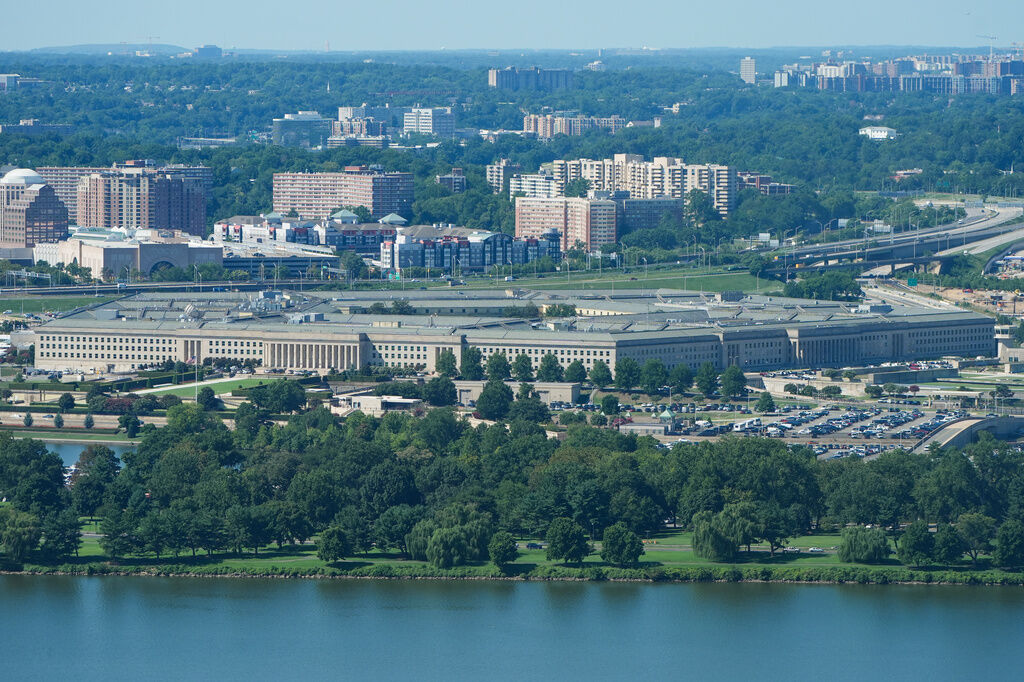
US strikes another boat in eastern Pacific, killing two, Pentagon says
The Associated Press
the-associated-press@coloradopolitics.com
Updated 22 hours ago
U.S. forces have struck another vessel in the eastern Pacific, killing two people the Pentagon says were trafficking drugs. The U.S. Southern Command announced the strike in a social media post early Monday. The death toll from the Trump administration’s...
PREV
PREVIOUS

ENDORSEMENT WATCH | Citing Senate's inaction on House-passed bills, DeGette gets behind Hickenlooper
Now that the parties have chosen their nominees for the November election, the floodgates have begun to open on endorsements by politicians and organizations, including expressions of support that had been pending completion of the June 30 primary. U.S. Rep. Diana DeGette – one of the few leading Colorado Democrats who held off taking sides […]
Joe Biden's campaign names senior Colorado staff
Presumptive Democratic nominee Joe Biden’s presidential campaign on Friday named its senior staff for Colorado as the former vice president beefs up the organization in a state considered likely to tilt his way in November. Ernie Apreza, who worked on Hillary Clinton’s 2016 Colorado campaign, will be the campaign’s state director. Jennie Peek-Dunstone, a seasoned […]