

Grand Junction Daily Sentinel: County should follow city’s lead on de-Brucing strategy
The city of Grand Junction has a strange TABOR dilemma on its hands, but the way it’s handling it should be instructive for Mesa County commissioners.
Monday’s City Council work session included a discussion about how the COVID-19 pandemic has clouded the city’s revenue picture. Nobody knows yet how much the city’s revenue might diminish due to the virus-related economic slowdown. But it’s the rebound that has city staff worried.
The city has already de-Bruced — but in a very narrow way. City voters agreed to allow the city to keep any money that’s collected in excess of the revenue cap imposed by the Taxpayer’s Bill of Rights — but only for paving and road capacity projects through 2037. That revenue cap will be determined by this year’s revenue collections, which are expected to be down significantly.
This low-water mark will then determine, per TABOR guidelines, what the city can collect for operations in future years. The “excess” will be earmarked for road projects. When the economy bounces back, the city could have millions for road projects, but still have to cut things like police, firefighters, public works, parks and recreation and general administration.
“It’s the operating funds that are going to suffer and therefore the delivery of services in the city,” Councilor Chuck McDaniel said. “We’re going to get to keep all the money. We’re going to have really great streets and no police to ride on them.”
The City Council pondered the best way to ask voters to do away with the revenue cap. They eventually decided to move forward with asking for a 15-year period with no revenue cap instead of posing a permanent de-Brucing question.
But by merely having a discussion, voters get a clear picture of what’s at stake. Indeed, City Manager Greg Caton prefaced the discussion by saying, “We wouldn’t be doing our fiscal responsibility if we didn’t bring this for discussion and potential consideration.”
Voters may very well reject the question, but at least they’re getting an opportunity to have a say in the city’s fiscal matters, which is what TABOR was designed to do. When we wrote about this topic last week, we included a prediction from Colorado House Speaker K.C. Becker regarding local governments’ ability to cope with the economic crisis: “If they don’t de-Bruce they’re screwed.”
So far, nary a peep from Mesa County commissioners about the fiscal implications of COVID-19 or how it could impair the county’s ability to deliver services — much less whether a de-Brucing question to eliminate the revenue cap could stave off budget cuts or reductions in service.
In 2019, when the topic of de-Brucing last came up, we encouraged the county commissioners to discuss the matter with the public and to consider bringing the question to the voters. They chose not to do so — a decision that now seems very short-sighted in light of a grim revenue picture.
Outgoing Commissioners John Justman and Rose Pugliese are term-limited, meaning they don’t have to hew to TABOR orthodoxy to get re-elected. Maybe that gives them just enough latitude to acknowledge that the unprecedented fiscal crisis triggered by the pandemic calls for something as drastic as — gasp — asking voters if they think fully de-Brucing is a good idea.
And for those who are worried about the perils of de-Brucing leading to a new era of taxation, note that TABOR would still require voter approval for any new taxes by the city or county.

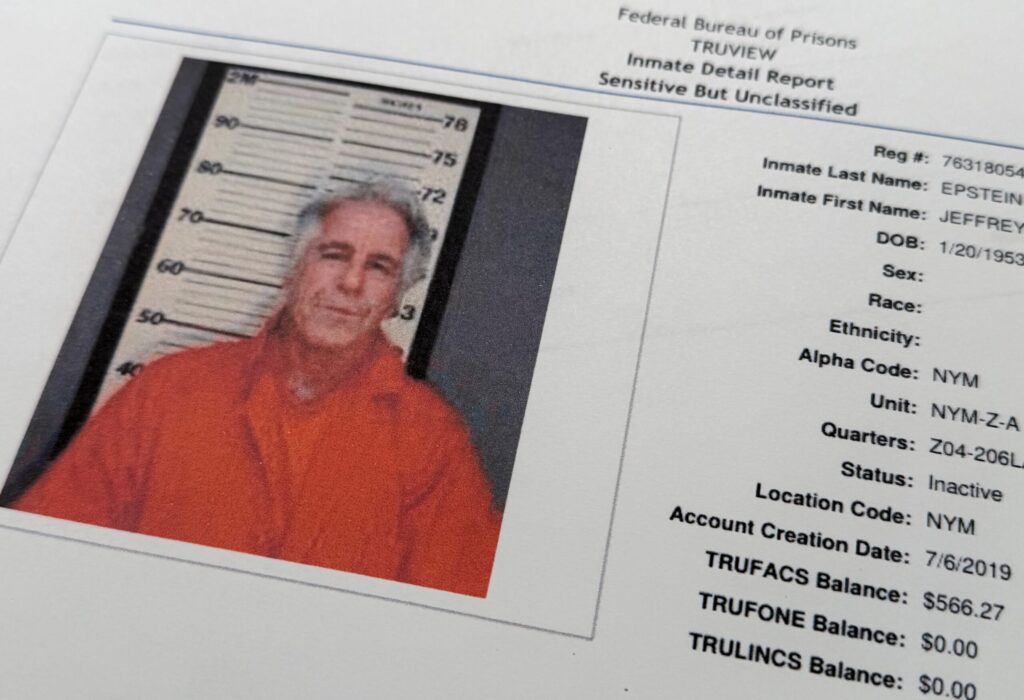
DOJ publishes more Epstein documents mentioning Trump after initial omission
Rena Rowe, Washington Examiner
rena.rowe.washington.examiner@gazetteedit.wpenginepowered.com
Updated 4 hours ago
The Justice Department released additional Epstein files on Thursday, including uncorroborated accusations from a woman claiming she was sexually assaulted by President Donald Trump. Last week, Rep. Robert Garcia (D-CA), the top Democrat on the House Oversight and Government Reform...

Federal judge dismisses developer’s challenge to Denver affordable housing ordinances
Michael Karlik
michael.karlik@coloradopolitics.com
Updated 4 hours ago
A federal judge dismissed a homebuilder’s constitutional challenge on Tuesday to a pair of Denver ordinances that impose obligations on developers related to the affordable housing demands created by new construction. Two related companies, redT Homes and redT Capital Partners,...

Another TABOR fight: Democrats plan to redirect refunds to Colorado residents
Marianne Goodland
marianne.goodland@coloradopolitics.com
Updated 42 minutes ago
Colorado voters could decide this fall whether billions of dollars that would otherwise be returned as refunds under the Taxpayer’s Bill of Rights should instead go to public schools under a ballot measure unveiled Thursday by Democrats. Supporters say the...
Analysis: Colorado legislators introduce 18 energy bills amid debate over emissions goals
Scott Weiser
scott.weiser@gazette.com
Updated 3 hours ago
Colorado legislators have introduced 18 energy-related bills so far in the 2026 session, with Democrats sponsoring 14 and Republicans four, highlighting the sharp partisan split over how aggressively the state should pursue its greenhouse gas reduction goals while protecting affordability...

Colorado House committee advances bills regulating AI in therapy, insurance decisions
Marissa Ventrelli
marissa.ventrelli@coloradopolitics.com
Updated 5 hours ago
Colorado lawmakers are moving to place guardrails on the growing use of artificial intelligence in mental health care and insurance decisions. The House Health and Human Services Committee on Thursday approved two bills that would limit how therapists and insurers...

Colorado Democrats, Republicans fight over ballot fiscal information
Marissa Ventrelli
marissa.ventrelli@coloradopolitics.com
Updated 1 hour ago
Republicans and Democrats clashed anew over legislation that would require identifying which programs would see a funding reduction if a ballot measure passed, with the former saying it’s yet another way for the government to control the campaign narrative and...
10th Circuit distances itself from prior decision making it easier to toss prisoner lawsuits
Michael Karlik
michael.karlik@coloradopolitics.com
Updated 7 hours ago
The Denver-based federal appeals court distanced itself on Wednesday from its own recent decision that made it easier for prison officials to end civil lawsuits by transferring incarcerated plaintiffs between facilities. A three-judge panel of the U.S. Court of Appeals...

Legal war over Trump tariffs still raging despite Supreme Court ruling
Jack Birle, Washington Examiner
jack.birle.washington.examiner@gazetteedit.wpenginepowered.com
Updated 7 hours ago
The war in the courts over tariff refunds took a key step forward this week as President Donald Trump’s newly implemented tariffs are facing a new legal challenge, less than a month after the Supreme Court struck down Trump’s sweeping...

Democrat Dwayne Romero jumps in primary to challenge Republican Jeff Hurd in Colorado’s 3rd CD
Ernest Luning
ernest.luning@coloradopolitics.com
Updated 9 hours ago
The Democrat who has been running for nearly a year to unseat Republican U.S. Rep. Jeff Hurd in Colorado’s 3rd Congressional District got some company in the primary this week. Dwayne Romero, a Snowmass Village business owner and decorated Army...

Proposed changes to wildfire code would add protections to eastern edge of Colorado Springs
Brennen Kauffman
brennen-kauffman@coloradopolitics.com
Updated 11 hours ago
New construction rules may be coming to the higher-risk wildfire areas around Colorado Springs, including the grassland on the city’s eastern side. Colorado Springs Fire Marshal Kris Cooper presented an early draft of the proposed changes to the city’s wildfire...