

CBI saw increase in firearm denials, nearly half million offender DNA entries in 2019

The state’s database of DNA profiles reached nearly half a million entries by the end of 2019, and the number of firearm purchase denials rose compared to the year prior, the Colorado Bureau of Investigation reports.
These findings were part of the CBI’s 2019 annual report, which the agency released in April. CBI, which has a $39.4 million budget, spent half of it on laboratory and investigative services, with the identification and records unit consuming another quarter of the total.
The DNA defender database held 499,170 profiles through the end of 2019. Per state law, the CBI collects samples from adults convicted of felonies or of misdemeanors that have a sexual element, juveniles, and any adult arrested for a felony. However, the state had fewer matches to offender DNA profiles than in 2018, with 266 matches for sex crimes and 477 for property crimes last year compared with 285 and 703, respectively, for 2018.
CBI’s InstaCheck Unit is responsible for conducting background checks for gun purchases at federally-licensed dealers. Approved background checks decreased by 1.6% in 2019, while denials rose 12.5%. In total, there were 335,370 approvals for firearm purchases, with an average wait time of six minutes for customers.
The number of firearm background checks in Colorado has declined each year since 2016. However, through April 2020 the number of background checks was roughly 47% of the previous year’s total, a result of mass gun purchases from people fearful of the COVID-19 pandemic and the initial wave of public health restrictions.
Another change from the previous year eliminated fee-based toxicology testing that required law enforcement agencies to request specific types of tests from CBI. The legislature used marijuana tax money to eliminate the fees, resulting in standardized analyses and a 147% increase in monthly tests.


Colorado justices accept appeals on Netflix taxation, children pursuing neglect cases
Michael Karlik
michael.karlik@coloradopolitics.com
Updated 1 hour ago
The Colorado Supreme Court announced on Monday that it will decide whether Netflix subscriptions are subject to the state’s sales tax as “tangible personal property.” At least three of the court’s seven members must agree to hear an appeal. The...
Proposal outlines $300M deal separating Pinnacol from Colorado state government
Marianne Goodland
marianne.goodland@coloradopolitics.com
Updated 1 hour ago
Colorado lawmakers are weighing a proposal that would allow Pinnacol Assurance to sever its remaining ties to the state in exchange for a $300 million payment, a long‑debated shift that supporters say could stabilize the insurer’s future and help plug...
Bill requiring employers to grant unpaid leave to Colorado lawmakers heads to governor’s desk
Marissa Ventrelli
marissa.ventrelli@coloradopolitics.com
Updated 26 minutes ago
Colorado lawmakers are one step away from securing guaranteed unpaid leave from their day jobs during the legislative session after the House narrowly approved the proposal Thursday. Senate Bill 087 would require businesses to allow employees who are members of...
Redistricting fight escalates as Colorado Title Board clears competing ballot proposals
Marianne Goodland
marianne.goodland@coloradopolitics.com
Updated 39 minutes ago
Colorado’s title board on Wednesday gave final approval to multiple ballot measures related to congressional redistricting, setting up a series of proposals that could alter how the state draws its U.S. House districts for the 2028 and 2030 elections. The...

Trump downplays major reform bill and says housing is ‘all about interest rates’
Zach Halaschak, Washington Examiner
zach.halaschak.washington.examiner@gazetteedit.wpenginepowered.com
Updated 3 hours ago
President Donald Trump downplayed the bipartisan housing legislation that many congressional allies hope will ease the affordability worries plaguing voters, saying instead in an exclusive Washington Examiner interview that housing is “all about interest rates.” Trump said on a phone call Thursday morning...

Colorado lawmakers propose deep cuts to close $1.2B budget gap
Marianne Goodland
marianne.goodland@coloradopolitics.com
Updated 3 hours ago
The panel of Colorado legislators in charge of crafting next year’s budget has finalized the 2026–27 spending plan built on deep cuts and one‑time cash transfers in an attempt to close a shortfall of more than $1.2 billion. The plan...

Denver judge denies Gov. Polis request to dismiss ICE-related records case
Marianne Goodland
marianne.goodland@coloradopolitics.com
Updated 4 hours ago
A year after blocking the release of state records to federal immigration agents, a Denver judge has now denied Gov. Jared Polis’ effort to end the lawsuit at the center of the dispute. The lawsuit filed against the governor in...

10th Circuit grants rare all-judges’ review of Colorado banking regulation
Michael Karlik
michael.karlik@coloradopolitics.com
Updated 5 hours ago
The Denver-based federal appeals court announced on Thursday that it will hold a rare all-judges review of a recent decision that permits Colorado to require out-of-state banks to abide by the state’s maximum interest rates when they lend to in-state...
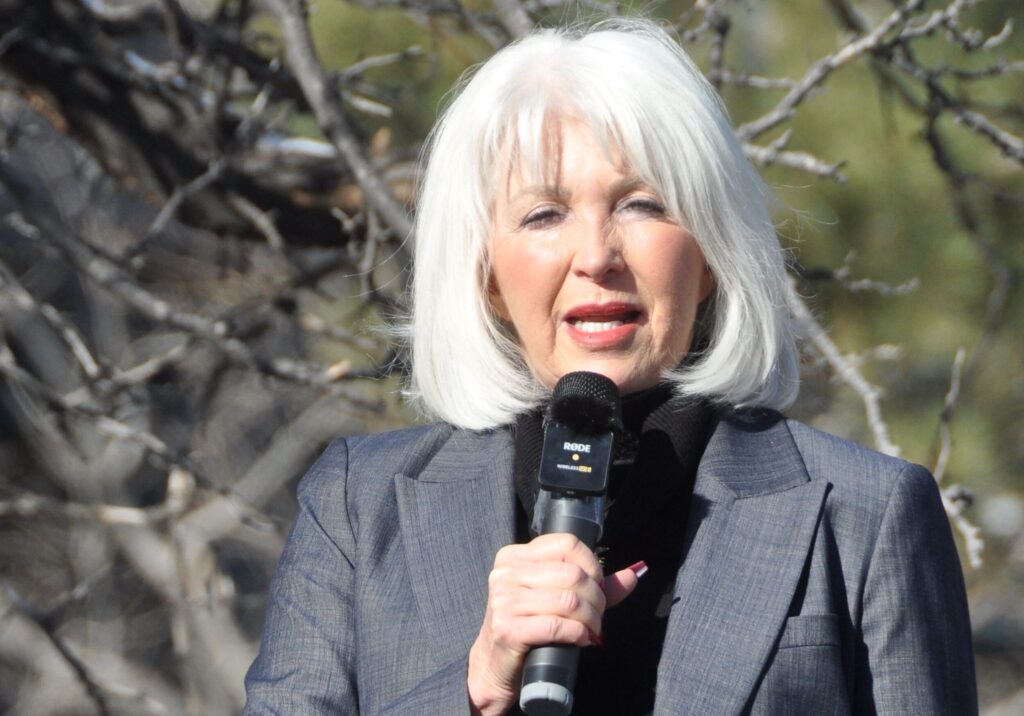
Colorado appeals court orders new sentencing for Tina Peters, upholds convictions
Michael Karlik
michael.karlik@coloradopolitics.com
Updated 15 minutes ago
Colorado’s second-highest court determined on Thursday that a trial judge improperly sentenced former Mesa County clerk Tina Peters based upon her exercise of protected speech, while at the same time upholding her convictions. The three-judge Court of Appeals panel also...

Denver promised every school funding from $1B bond — but campuses later closed received far less | Analysis
Nico Brambila
nico.brambila@denvergazette.com
Updated 4 hours ago
Denver voters overwhelmingly approved the largest bond measure in Denver Public Schools history on the promise that every school — including charter campuses — would receive something. And they did. But the nearly $1 billion bond was not distributed evenly....
PREV
PREVIOUS

Resolution to repeal Gallagher Amendment on fast-track through the General Assembly
Facing a nearly 18% drop in property tax revenue, largely due to the pandemic, a Senate committee on Tuesday gave unanimous approval to a resolution that will ask voters to repeal the Gallagher Amendment, a move that would allow property taxes to again contribute more to school districts and local governments. The measure, Senate Concurrent […]

Broomfield high school student wins 2nd Congressional District art competition
U.S. Rep. Joe Neguse has announced the five students whose artwork will hang in the U.S. Capitol, his Washington, D.C. office, his district offices and the Colorado State Board of Education building. “In moments of crisis, we often look to the arts to bring us inspiration and hope for the future,” said Neguse. “I was […]