

State of emergency order extended another 30 days
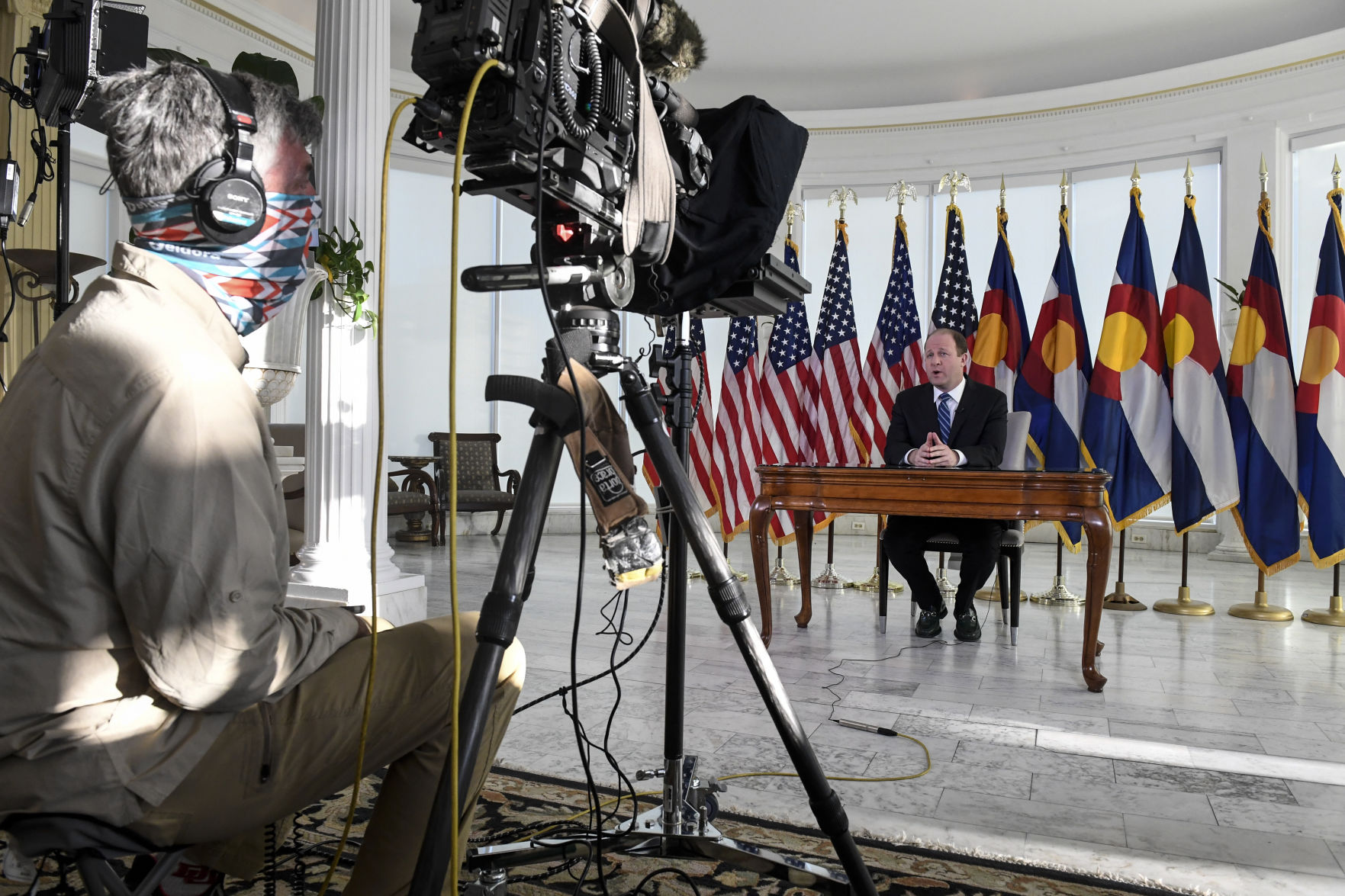
Gov. Jared Polis Wednesday extended the state of emergency originally issued on March 11 for another 30 days.
The original order – giving the governor wide authority to deal with the COVID-19 pandemic – was set to expire Friday.
The new executive order incorporates several other actions taken since March 11. That includes the governor’s request from the White House for disaster declaration, which was granted on March 28.
It also formally authorizes implementation of a Crisis Standards of Care plan announced April 5.
The governor indicated in the new order that the state’s disaster emergency fund is insufficient to deal with the ongoing disaster needs, and ordered a transfer of $23 million from the Controlled Maintenance Trust Fund to the disaster fund. He then ordered that $68 million from the disaster fund be used for “response activities” tied to the pandemic.
An amendment to the executive order, which changes previous orders, directs the Department of Personnel and Administration to work with the Division of Homeland Security and the state’s emergency management center on leases and contracts for facilities that could be used for overflow patients.
Polis’ state of emergency order follows an order earlier this week to extend stay-at-home guidelines until April 26. He also asked Coloradans almost a week ago to begin wearing non-medical masks whenever they go outside the home.
The Crisis Standards of Care dictate how the medical community will allocate medical procedures and care for COVID-19 patients, including who gets ventilators and intensive care beds.
Those standards are based on a four-tiered point allocation system:
- Tier one: Acuity of illness and morbidity.
- If there is a tie, points to pediatric patients, health care workers and first responders.
- If there is a tie, special considerations, such as pregnancy or a primary caregiver, or the number of years of life the patent is expected to have, with more points for younger people.
- If there is a tie, a random allocation to choose how to use scarce resources.
Polis said the state is days away from early results on stay-at-home and other social distancing efforts ordered on March 26. It takes 12 to 15 days for results to start to show up. Public health officials have estimated that the state’s social distancing efforts have reduced the spread of the coronavirus from cases doubling every two days to every five days. Previous social distancing efforts – closing dine-in restaurants and bars, schools, gyms, nail and hair salons, ski resorts and other gathering places – have reduced the spread by 45%, public health officials said earlier this week. The state goal is at least 70%, which officials have said would reduce the chances that the state’s supply of intensive care beds would never be overwhelmed.
As of Wednesday, there are been 5,655 cases of COVID-19 in Colorado; 193 people have died from the virus, and 1,162 have been hospitalized, according to the Colorado Department of Public Health and Environment.
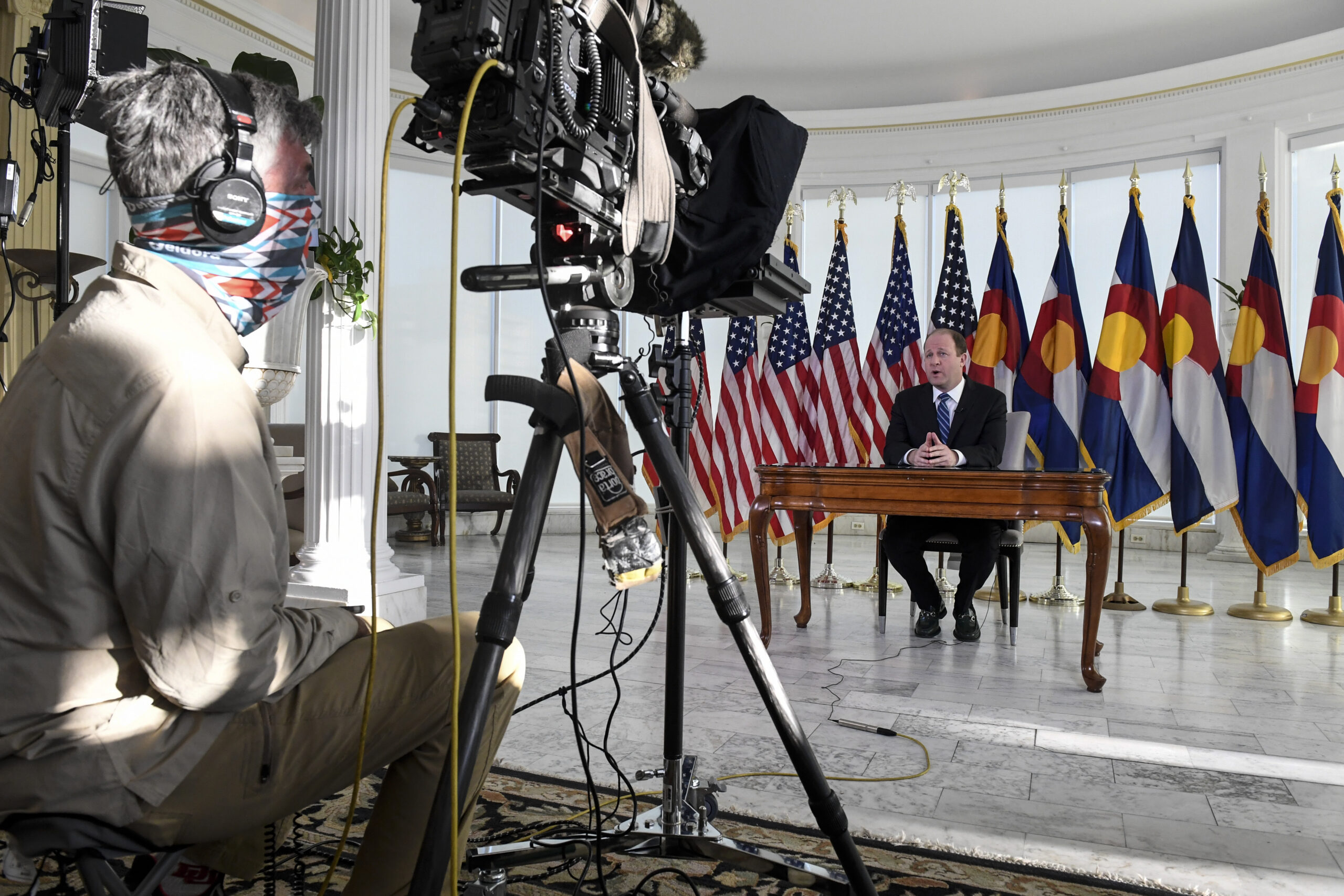
The April 8 state of emergency order

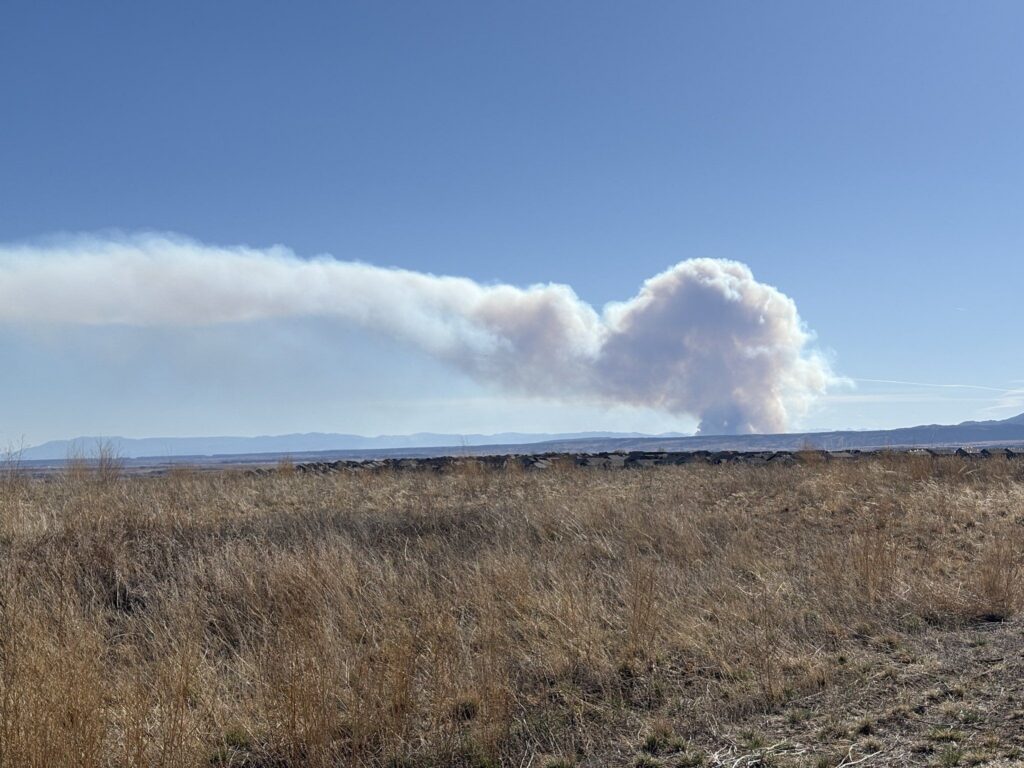
Highway 115 fire blows up, road closed south of Colorado Springs
Nick Smith
nick-smith@coloradopolitics.com
Updated 1 minute ago
A fast-moving fire burning along Colorado 115 south of Colorado Springs blew the containment line Thursday, spreading farther east onto Fort Carson and scorching nearly 700 acres, officials said. The blaze was fully uncontained as of late Thursday afternoon, officials...
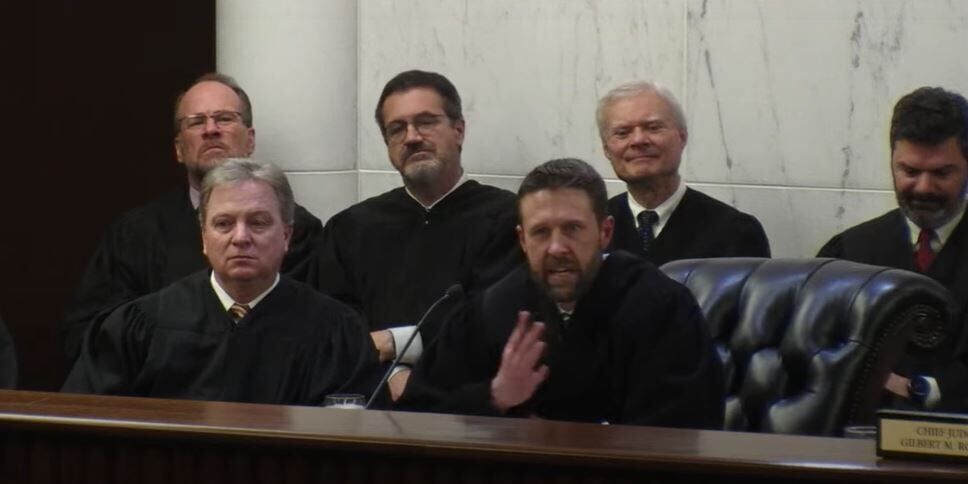
Public figures have limited path to sue over accusations of criminality, says appeals court
Michael Karlik
michael.karlik@coloradopolitics.com
Updated 2 hours ago
Colorado’s second-highest court ruled last week that a public figure cannot sue for defamation solely because a person publicly accuses them of committing a crime, as the statement may be constitutionally protected opinion. A three-judge Court of Appeals panel narrowed...
Proposed data center regulation in Colorado draws critics, backers
Scott Weiser
scott.weiser@gazette.com
Updated 44 minutes ago
A packed marathon hearing at the state Capitol in Colorado highlighted the sharp divide between two competing approaches to the effects of data centers, one of America’s fastest-growing technology sectors. Data centers are the physical facilities that host the servers,...

Conservation Colorado proposes measures aimed at oil and gas companies
Marissa Ventrelli
marissa.ventrelli@coloradopolitics.com
Updated 3 hours ago
The environmental group Conservation Colorado has introduced four ballot measures it says are in response to an initiative that aims to enshrine Colorado businesses’ and consumers’ right to purchase and sell natural gas in the state’s Constitution. Filed with the...

Colorado revenue forecast worsens, pushing budget shortfall to nearly $1.5B
Marianne Goodland
marianne.goodland@coloradopolitics.com
Updated 37 minutes ago
The latest revenue forecasts from economists in both the governor’s office and the Colorado legislature show that the state’s budget predicament has worsened — by hundreds of millions of dollars more. That, in turn, means cuts programs and services in...
Federal judge to consider sanctioning ex-Colorado judicial discipline director
Michael Karlik
michael.karlik@coloradopolitics.com
Updated 1 hour ago
A federal judge ordered Colorado’s former head of judicial discipline on Wednesday to explain why she should not sanction him for making inaccurate statements about the defendants in his lawsuit against the Colorado Supreme Court and related entities. U.S. District...
With jails overcrowding, Gov. Jared Polis asks for new prisons as lawmakers face budget shortfall
Marianne Goodland
marianne.goodland@coloradopolitics.com
Updated 52 minutes ago
The Polis administration is asking for hundreds of millions of dollars to expand the state’s prison system, just as Colorado’s legislators are bracing for a worsening fiscal outlook. The request sets up a clash over priorities at a time when...
Costs explode for Colorado program covering pregnant women and children living in the U.S. illegally
Marianne Goodland
marianne.goodland@coloradopolitics.com
Updated 10 hours ago
A state program providing health care to pregnant women and children living in the country illegally is costing far more than lawmakers expected, with expenses nearly tripling in just a year and threatening to squeeze Colorado’s budget amid a nearly...

Costs explode for Colorado program covering pregnant women and children living in the U.S. illegally
Marianne Goodland
marianne.goodland@coloradopolitics.com
Updated 1 day ago
A state program providing health care to pregnant women and children living in the country illegally is costing far more than lawmakers expected, with expenses nearly tripling in just a year and threatening to squeeze Colorado’s budget amid a $1...

Universities sue to block dismantling of Boulder’s NCAR
Scott Weiser
scott.weiser@gazette.com
Updated 6 hours ago
A consortium of universities filed a federal lawsuit Monday, alleging the Trump administration’s plan to dismantle the National Center for Atmospheric Research is unlawful retaliation against Colorado. The group also argued that the move violates federal law. The University Corporation...
PREV
PREVIOUS

Bennet signs on to letter about transit worker PPE
U.S. Sen. Michael Bennet joined 20 other members of the Democratic caucus on Thursday in asking the Federal Transit Administration to explicitly recommend how transit agencies should address the use of personal protective equipment and assist organizations in acquiring it for their workers. “The Guidance FTA issued last Thursday, noted that FTA did not recommend […]

Cybersecurity experts advise elected officials steer clear of internet voting
As Colorado’s state and local lawmakers continue to explore ways to try virtual democracy under the coronavirus pandemic, leading experts across the country focused on cybersecurity, computing and science are calling on elected officials to avoid use of any internet voting or voting app system in U.S. elections. “The scientific evidence regarding internet and voting […]