

Voter approval of enterprises may be needed under proposed ballot initiative
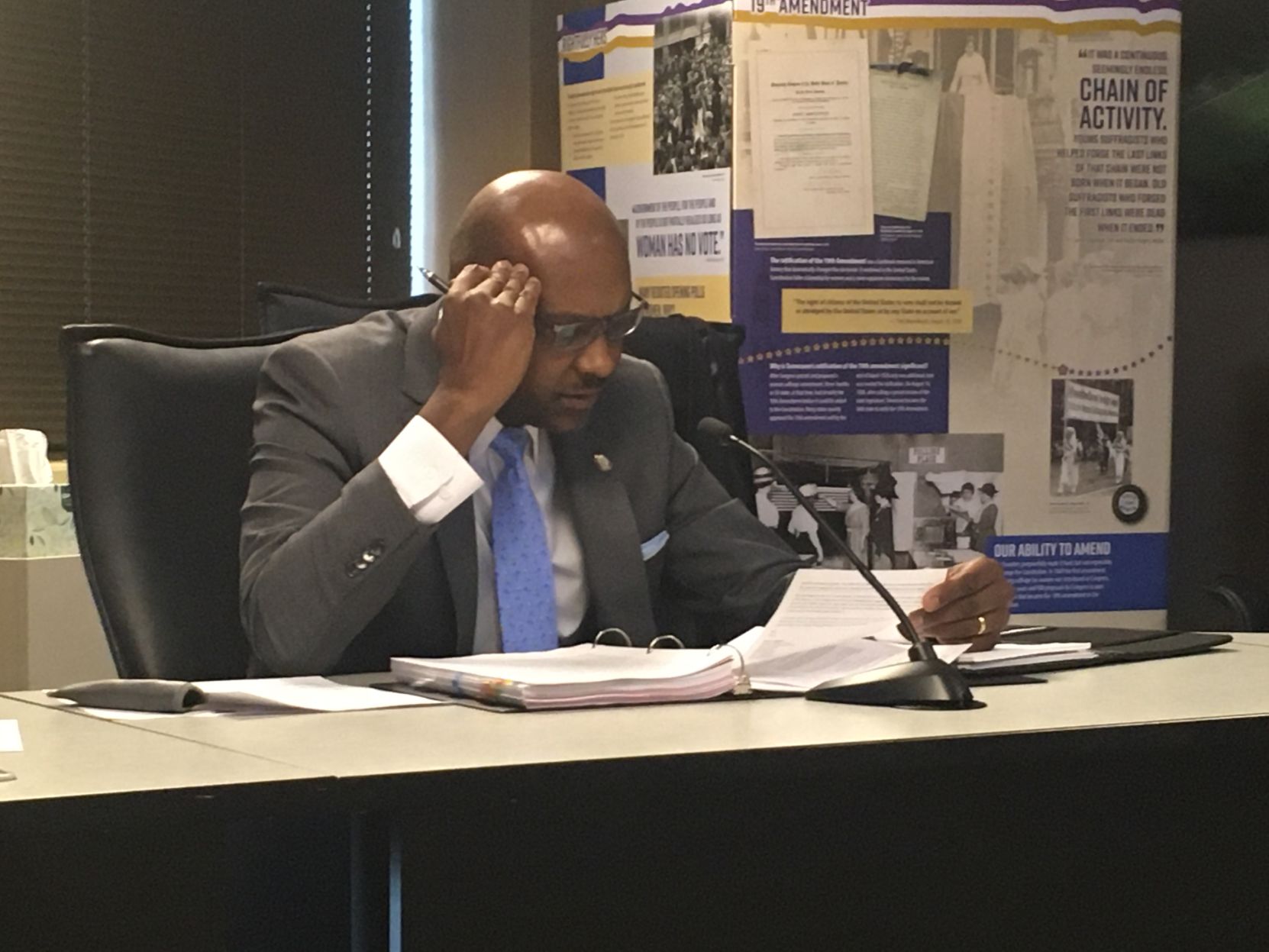
Three proposed ballot measures to give voters a say in the creation of fee-based government businesses, also known as enterprises, advanced one step closer to the November ballot on Wednesday.
The three-member Colorado Initiative Title Setting Review Board approved the ballot titles of Initiatives 273-275, which would require voter approval of new state enterprises whose projected revenues are either $50 million or $100 million in the first five years of their existence. In one variant of the proposal, the revenue cap would be $50 million in the first three years.
“There’s a coalition of conservative groups that have worked together on other ballot issues that will likely be supporting this and making sure it gets on the ballot,” said Michael Fields, one of the designated representatives along with Lindsey Singer. Both work for Colorado Rising State Action, a conservative advocacy group.
To meet the definition of an enterprise, the entity must be a government-owned business that operates on fees, has bonding authority, and receives no more than 10% of its annual revenue from state and local governments. The Colorado Lottery, the state’s higher education institutions and the bridge repair program are examples of enterprises.
Importantly, enterprises are exempt from the revenue constraints of the Taxpayer Bill of Rights. In fiscal year 2014-2015, Colorado’s enterprises generated $11.2 billion in revenue.
Board member Jason Gelender, the representative of the Office of Legislative Legal Services, was unsure if an existing entity that met the qualifications for an enterprise in the future would need voter approval to convert itself.
“We had that discussion with staff to about is it ‘prequalified’ or ‘qualified’ to start with,” said Fields. “I just don’t know the answer to that.”
Suzanne Staiert, representing Fields and Singer, clarified that voter approval is not for the entity, but for TABOR-exempt status. “If you want to take advantage of the TABOR exemption, you have to go to a vote,” she said.
Fields and Singer said that while they would consider some past enterprises created to get around TABOR excessive – citing the 2017 hospital provider fee which avoided budget cuts to hospitals – those past enterprises would be left alone.
“People don’t care if it’s a tax or a fee, it’s still money coming out of their pocket,” said Singer. Fields added that he believed voting on fiscal matters was popular among unaffiliated and some Democratic voters.
One feature of the proposals is that the $50 million or $100 million revenue projections would apply collectively to multiple enterprises that serve “primarily the same purpose.” Fields said the legislature would make the determination of how similar those entities need to be.
“What you’re trying to prevent is them splitting what would otherwise be one enterprise into 10 different ones to keep under the threshold,” he said.
Other ballot initiatives scheduled to be heard on Wednesday were withdrawn, including a repeal of Amendment 64’s recreational marijuana legalization and several versions of a proposal to raise cigarette taxes and institute a nicotine tax.


Victor Marx says he’ll only debate Phil Weiser once in Colorado governor’s race — without a moderator
Ernest Luning
ernest.luning@coloradopolitics.com
Updated 4 hours ago
Colorado Republican gubernatorial nominee Victor Marx said on Tuesday that he will participate in only one debate with Attorney General Phil Weiser before the November election — and he challenged the Democratic nominee to hold the event without a moderator....
10th Circuit finds no fair housing violation by Littleton landlord for worker’s alleged rape of tenant
Michael Karlik
michael.karlik@coloradopolitics.com
Updated 6 hours ago
The Denver-based federal appeals court concluded on Monday that Littleton’s housing authority could not be held liable for a maintenance worker’s alleged rape of a tenant, as the worker’s employment did not provide any special access to the victim. A...
Fauci’s Fifth Amendment answers may test Biden pardon as GOP eyes contempt
Kaelan Deese
kaelan-deese@coloradopolitics.com
Updated 5 hours ago
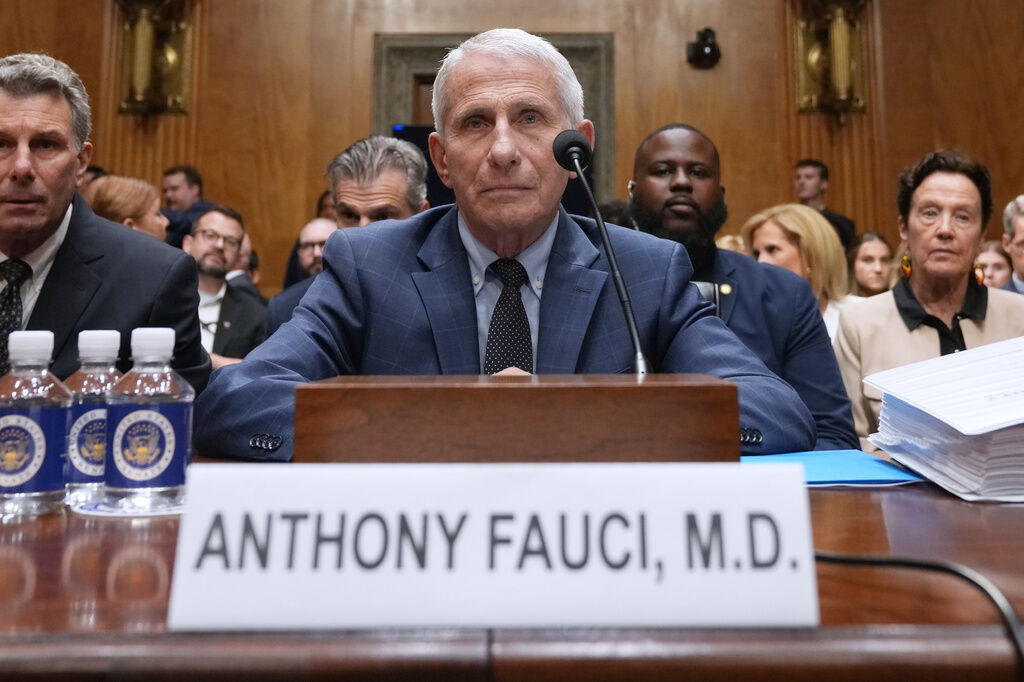
Dr. Anthony Fauci invoked his Fifth Amendment right against self-incrimination more than 100 times on Wednesday, a move legal experts described as strategically sound despite the politically damaging optics. Sen. Rand Paul (R-KY), chairman of the U.S. Senate Committee on...

Democrats must win 57 out of 77 competitive House seats to take majority: Cook Political Report
Hailey Bullis
hailey-bullis@coloradopolitics.com
Updated 8 hours ago
Democrats’ path to retaking the House in November has significantly slimmed as a result of the mid-decade redistricting war this cycle, a new analysis found. The nonpartisan Cook Political Report found that under the newly drawn maps across 10 states,...

Denver labor acknowledgment proposal faces council committee questions
Deborah Grigsby
deborah.smith@denvergazette.com
Updated 12 hours ago
A proposal to add a labor acknowledgment to Denver City Council proceedings has been delayed by the Finance and Business Committee after members raised questions about its wording, intentions and place in the council’s opening proceedings. The proposal, put forth...
Fauci invokes the Fifth Amendment and declines to testify in GOP-led Senate panel’s COVID-19 hearing
The Associated Press
the-associated-press@coloradopolitics.com
Updated 13 hours ago
WASHINGTON (AP) — Dr. Anthony Fauci on Wednesday invoked the Fifth Amendment and declined to answer questions from senators in a Republican-led committee hearing about his handling of the COVID-19 pandemic. The move injects new drama into the lingering tensions...

Colorado residents rush to buy guns ahead of new restrictions, breaking sales records for several stores
By Debbie Kelley
by-debbie-kelley@coloradopolitics.com
Updated 12 hours ago
Colorado residents are lining up to buy guns ahead of the latest weapons restrictions set to take effect this Saturday. The new law mandates individuals seeking to purchase semiautomatic firearms with detachable magazines to first complete a firearm safety course...

Crime continues to decline in Aurora, police chief says
Kyla Pearce
kyla.pearce@gazette.com
Updated 12 hours ago
Crime in Aurora continued to decline in the first half of 2026, according to Aurora Police Department officials. Crime overall in the city has been on a downward trend since 2024, according to APD. Between Jan. 1 and June 30,...

El Paso County rejects multi-family zoning request near Monument Academy
Savannah Eller
savannah-eller@coloradopolitics.com
Updated 11 hours ago
The El Paso County Board of Commissioners narrowly rejected a developer’s bid to convert land from low- to high-density residential zoning. The request, made by MA Infrastructure, LLC, would have allowed 12 units per acre on half of a 14-acre...
Atop taxes, here’s how much each Colorado resident pays in fees
Marissa Ventrelli
marissa.ventrelli@coloradopolitics.com
Updated 1 day ago
Each Colorado resident paid nearly $5,000 in state-sanctioned fees last year, according to a report by a policy think tank. The report, which analyzed how fees have affected Colorado’s economy, found that fee revenue has more than tripled since 2008...
PREV
PREVIOUS

COVER STORY | 'I don't think that people elected me to compromise': Candi CdeBaca's approach at center of divisive Denver political scene
As a child, Candi CdeBaca worried relentlessly about winding up in a tent city under the Interstate 70 bridge near her home in northeast Denver. Maybe that explains why she fights with such unrelenting passion. The chill of poverty feeds a blazing fire. Growing up poor and as a person of color, challenges loomed large […]

Bill to pay college athletes for endorsements heads to the governor
Now it’s up to Gov. Jared Polis to bat clean up for college athletes in Colorado skilled enough to profit off their likeness. On a 55-9 vote Tuesday, the House sent the governor Senate Bill 123. The legislation would allow intercollegiate athletes to make money off jerseys, games and other uses of their name and […]