

House gives first approval to hair anti-discrimination bill
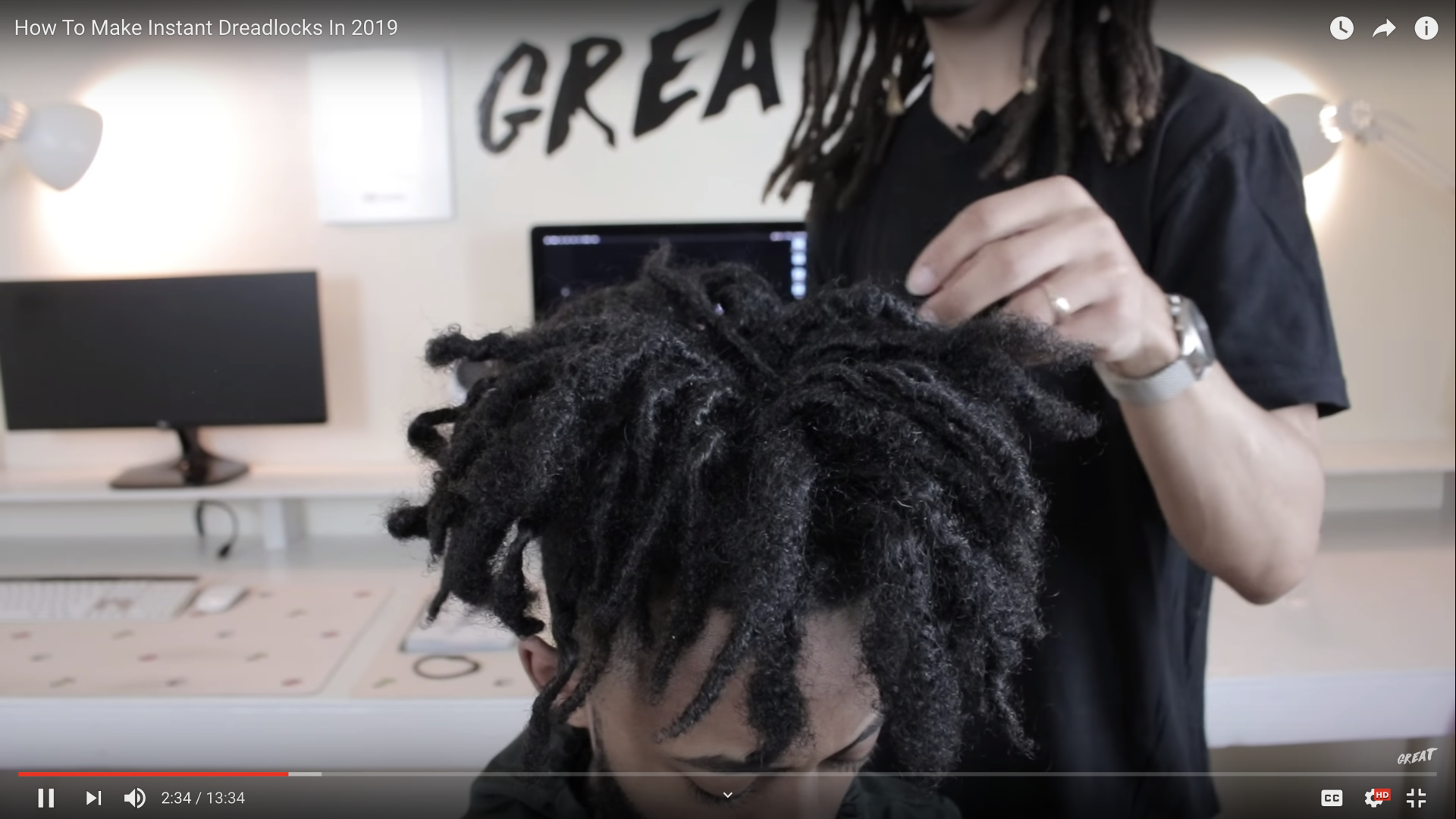
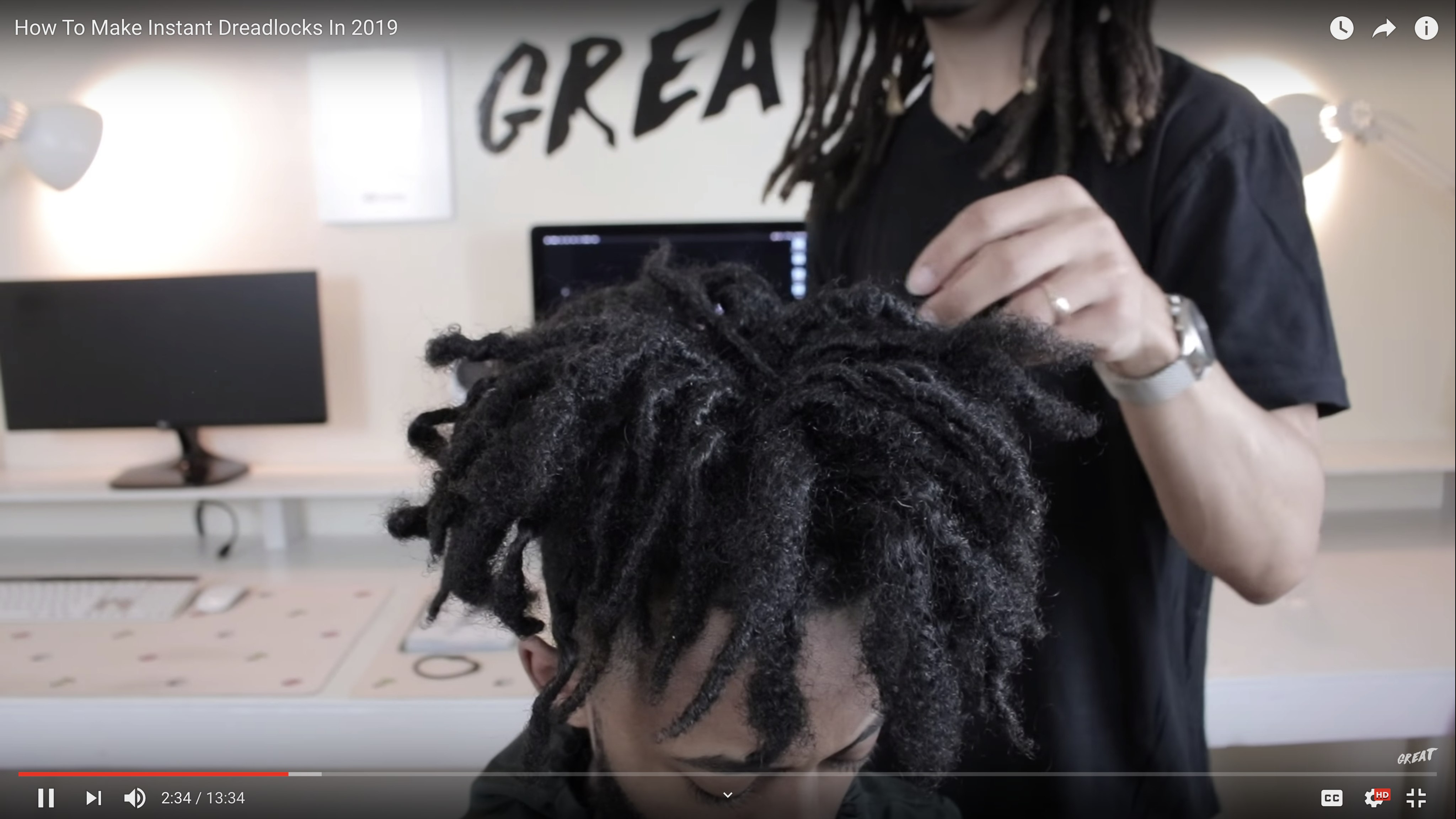
The Colorado House gave a thumbs up in the first of two required votes on a bill to protect hair rights in the workplace.
House Bill 1048, called the Crown Act, prohibits discrimination against hairstyles historically associated with race, such as dreadlocks.
Rep. Dave Williams, a Republican from Colorado Springs, opposed the bill in committee. He said agrees racial discrimination has no place in society. He didn’t think the debate in Colorado had considered whether there already are adequate anti-discrimination laws on the books.
RELATED: House committee approves, on party-line vote, bill to ban hair discrimination tied to race
Rep. Leslie Herod, a Democrat from Denver who is sponsoring the bill, replied that federal courts have not included hairstyles as a trait protected by anti-discrimination laws.
“We’re not just adding something to law for the fun of it,” she said.
Herod said the question “has a huge impact on people of color living in this country.”
She spoke of those who had been asked to make a choice involving their heritage, including Niemah Young, the Denver 11-year-old who left her cheerleading squad in a fuss over her natural hairstyle.
Rep. Janet Buckner, a Democrat from Aurora, she and her granddaughters had had a discussion the day before about hair and how society views it.
Her hair is short and relaxed, Buckner pointed out, before asking if other lawmakers would view her differently if she allowed it to frizzle out in its natural state.
“My hair has nothing to do with my ability,” she said. “It has nothing to do with my actions. Hair has nothing to do with my intelligence, so hair should not determine who I am and how I am perceived.”
Rep. Richard Holtorf, a Republican and veteran from Washington County, asked how it would affect Junior ROTC programs.
“The military doesn’t discriminate, but how is this going to impact our military standards?” he asked the bill sponsors, then asked about safety in shop classes.
Herod, whose parents were in the military, said the services have accommodated short hairstyles that reflect ethic heritage. She said she uses hair ties to keep her long hair in place while around fans or anything else that could snag it.
“Safety is not a reason to discriminate,” she said. “We can actually put things in place, like hair ties.”
Erin Uritus, CEO of Out & Equal Workplace Advocates, a national advocacy organization, responded to the vote on the Colorado bill Monday afternoon.
“Bias takes many forms,” Uritus said in a statement. “The filmmakers behind Hair Love did us all a service by telling a story that powerfully showed that hair-based discrimination is linked to race. They raised our collective consciousness. They deserve even more credit for connecting the dots to the Crown Act. Remedies like this are key to providing dignity and inclusion for all.”

Colorado auditor finds serious issues with labor agency’s unemployment insurance accounting
Marianne Goodland
marianne.goodland@coloradopolitics.com
Updated 38 minutes ago
Colorado’s state auditors found serious issues with the accounting practices of the unemployment insurance division of the Department of Labor and Employment, concluding the agency underestimated and overestimated figures to the tune of billions of dollars. The auditors labeled the...
Colorado’s newest federal judge speaks about techniques for advancing cases
Michael Karlik
michael.karlik@coloradopolitics.com
Updated 38 minutes ago
U.S. Magistrate Judge Cyrus Y. Chung described on Wednesday the various tactics he employs to resolve court cases, summing up his role with a laxative-based metaphor. “Someone told a group of us federal magistrate judges that magistrate judges are the...

Three cargo ships damaged by ‘projectiles’ in Strait of Hormuz
Brady Knox, Washington Examiner
brady.knox.washington.examiner@gazetteedit.wpenginepowered.com
Updated 4 hours ago
Three cargo ships were damaged by unspecified “projectiles” while navigating the Strait of Hormuz, jeopardizing President Donald Trump’s goal of preserving the shipping lane’s safety. The strait was de facto closed the morning hostilities began on Feb. 28, with announcements...

Trump calls on Thune to be a ‘leader’ and get the votes for the SAVE America Act
NAOMI LIM Washington Examiner
naomi-lim-washington-examiner@coloradopolitics.com
Updated 5 hours ago
President Donald Trump increased pressure on Senate Majority Leader John Thune (R-SD) to pass the SAVE America Act, imploring him to be a “leader” after he expressed concerns that there is not enough support for the measure in his chamber....
The ‘talking filibuster,’ explained
Molly Parks, Washington Examiner
molly.parks.washington.examiner@gazetteedit.wpenginepowered.com
Updated 5 hours ago
Senate Republicans have for weeks been debating the use of the “talking filibuster” to guarantee the passage of the SAVE America Act in the upper chamber, after President Donald Trump called the legislation his “No. 1” priority. The bill, which...
Colorado’s Polis joins coalition of governors urging Congress to reject Trump tariffs
Marissa Ventrelli
marissa.ventrelli@coloradopolitics.com
Updated 14 minutes ago
Colorado Gov. Jared Polis has joined 18 other governors in writing a letter to members of Congress, urging them to reject President Donald Trump’s efforts to codify tariffs that the U.S. Supreme Court recently invalidated. “Governors across the country are...

Department of Agriculture warns of packages holding potentially invasive seeds
Michael Braithwaite
michael.braithwaite@gazette.com
Updated 5 hours ago
Spring planting is around the corner, and the Colorado Department of Agriculture wants residents to know where their seeds are coming from. Officials with the department warned Tuesday that they received reports of unsolicited packages containing plant seeds mailed internationally...

Federal judge hears ICE agents’ confusion about law, injunction on warrantless arrests
Michael Karlik
michael.karlik@coloradopolitics.com
Updated 19 hours ago
A federal judge heard testimony on Tuesday from U.S. Customs and Immigration Enforcement agents in Colorado, who had trouble describing the requirements of his recent injunction and the training they received on making warrantless arrests pursuant to the law. On...

10th Circuit dismisses challenge to Colorado legislature’s decorum rules
Michael Karlik
michael.karlik@coloradopolitics.com
Updated 7 hours ago
The Denver-based federal appeals court concluded on Tuesday that Colorado lawmakers cannot be sued for creating and enforcing rules of decorum that circumscribe the public commentary allowed at legislative committee hearings. A three-judge panel of the U.S. Court of Appeals...

U.S. energy secretary warns Colorado’s energy policies could drive up prices, deter businesses
Scott Weiser
scott.weiser@gazette.com
Updated 2 hours ago
U.S. Energy Secretary Chris Wright on Monday warned that Colorado’s energy policies could lead to higher electricity prices and deter businesses, such as data centers, from locating in the state. Wright, a former executive of a Colorado-based energy company tapped...
PREV
PREVIOUS

Council will likely decide tonight its stance on pit bulls in Denver
Following what will surely be a heated debate on Monday night, Denver City Council is expected to decide whether to lift its more than 30-year-old ban on pit bulls. The controversial decision will arrive after a public hearing on the proposal, which is expected to draw numerous people on both sides of the issue. Opponents […]
Jeffco man on mission to abolish vacancy committees
Inside Littleton’s Douglas H. Buck Community Center on Saturday, 55 Republican vacancy committee members were meeting to fill the unexpired term of Rep. Susan Beckman, who resigned on Jan. 17. Outside, Russell Weisfield stood on the sidewalk with a homemade sign, scrawled in permanent marker with block letters: “Abolish Vacancy Committees.” “It all just seems […]