

‘Unprecedented’ partnership in Colorado looks to combat worsening wildfires

A partnership being hailed as “unprecedented” is to embark on an ambitious mission: to prepare Colorado for worsening wildfires amid an expanding human presence in the places they burn and the planet’s rising temperatures.
The Rocky Mountain Restoration Initiative is made up of 30 organizations, including federal land managers, state government officials, utility operators, and nonprofit advocates. The idea is to combine money and minds to combat the West’s most imposing foe.
“Unprecedented is a strong word,” acknowledged Jason Lawhon, who is stewarding the group for the U.S. Forest Service.
But Lawhon, based at the agency’s state headquarters in Lakewood, said “very few, if any, places across the West” would say they’re ready for the next historic blaze. Colorado’s 20 largest wildfires have all been recorded in the past 20 years.
“And that’s what we’re really trying to do, is to do that at a landscape scale,” he said. “So I would say it’s unique what we’re doing now, and it will become unprecedented if we’re successful.”
Your 2020 Colorado adventure bucket list: great destinations not to miss
Their laboratory will be about 750,000 acres across the San Juan National Forest, mountainous land spanning U.S. 160 in southwestern Colorado from Durango to Cortez and Dolores.
In partner meetings over several months last year, two other landscapes dominated conversation: the Upper South Platte and Upper Arkansas river valleys. The threat to the Upper South Platte, particularly around Bailey, Conifer and Evergreen, cannot be overstated, Lawhon said — “similar to what we’re seeing in California.”
But that area along with the Upper Arkansas were receiving ample attention for protection, the partners surmised, while the southwest was often forgotten.
Colorado ‘hat master’ found Western glory with Hollywood stars — and made earlier mark at McDonald’s
Lawhon said another factor was the prospect of affordable timber removal. In a press release, “an existing wood-products industry” was one project appeal of the southwest, said Cindy Dozier, a Western Slope advocate with Club 20. Another, she said, was ongoing, collaborative efforts that would help “move the needle quickly.”
But the mission there won’t be that quick — it’s expected to last a decade. The Rocky Mountain Restoration Initiative has yet to hash out funding.
The southwest “rose to the top,” Dan Gibbs, executive director of the state Department of Natural Resources, said in the press release. But “we know there is a lot more work to do across Colorado and look forward to harnessing the best practices and methods of this process for more Colorado communities.”
Colorado Politics Must-Reads:


Colorado Supreme Court signals intervention in dispute over treatment for trans children
Michael Karlik
michael.karlik@coloradopolitics.com
Updated 50 minutes ago
The Colorado Supreme Court ordered Children’s Hospital Colorado on Tuesday to explain why it should not direct the organization to resume providing certain types of services to transgender children in compliance with the state’s non-discrimination law. Last month, a Denver...

Trump faces first domestic test on Iran conflict with Senate war powers vote
Ramsey Touchberry, Washington Examiner
ramsey.touchberry.washington.examiner@gazetteedit.wpenginepowered.com
Updated 2 hours ago
Administration officials are scrambling to sell members of Congress on President Donald Trump’s military operations in Iran ahead of bipartisan attempts to limit his war powers in the Middle East without approval from lawmakers. The Senate and House are set...
Supreme Court hands California parents win over secret gender transition policy
Jack Birle, Washington Examiner
jack.birle.washington.examiner@gazetteedit.wpenginepowered.com
Updated 2 hours ago
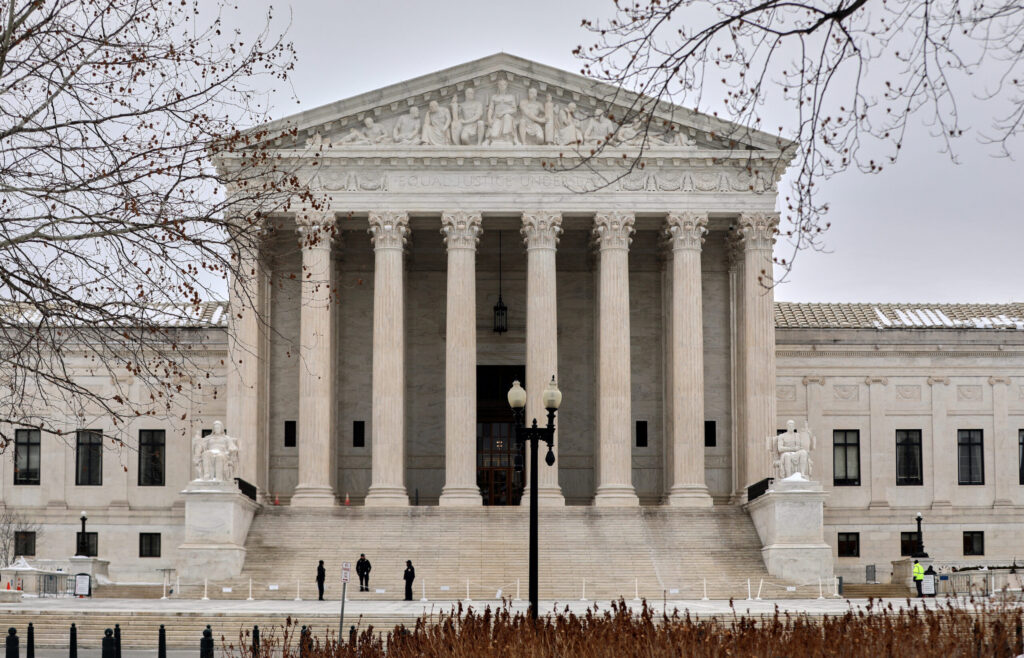
The Supreme Court gave California parents a significant victory late Monday when it kept in place a lower court’s block of the Golden State’s public school policy hiding students’ gender identity and preferred pronouns from parents. A 6-3 majority on...

Judge nixes latest policy requiring 7 days’ notice for Congress members to visit ICE facilities
Michael Kunzelman
michael.kunzelman@associatedpress.com
Updated 2 hours ago
WASHINGTON (AP) — A federal judge agreed on Monday to temporarily suspend the latest version of a Trump administration policy that requires members of Congress to provide a week’s notice before they can visit immigration detention facilities. U.S. District Judge...
Judge nixes latest policy requiring 7 days’ notice for Congress members to visit ICE facilities
Michael Kunzelman
michael.kunzelman@associatedpress.com
Updated 4 minutes ago
WASHINGTON • A federal judge agreed on Monday to temporarily suspend the latest version of a Trump administration policy that requires members of Congress to provide a week’s notice before they can visit immigration detention facilities. U.S. District Judge Jia...

Gov. Polis, Upper Basin states criticize federal draft plan for managing the Colorado River
Marianne Goodland
marianne.goodland@coloradopolitics.com
Updated 3 hours ago
With no agreement among the seven Colorado River states and federal deadlines now passed, the Upper Colorado River Commission on Monday sharply criticized the U.S. Department of the Interior’s draft plan for managing the river after current guidelines expire this...

Ballot access, dual-office ban bills move swiftly through Colorado legislature
Marianne Goodland
marianne.goodland@coloradopolitics.com
Updated 4 hours ago
With an eye on the 2026 election cycle and mounting tensions with the Trump administration, Colorado lawmakers are fast-tracking a pair of election bills they say will protect the state’s mail ballot system and tighten rules for elected officials. The...

Colorado GOP chair Brita Horn loses ‘no-confidence’ vote, vows to refocus on ‘mending that divide’
Ernest Luning
ernest.luning@coloradopolitics.com
Updated 4 hours ago
The Colorado Republican Party’s state central committee approved a resolution expressing “no confidence” in state chair Brita Horn in a landslide late Monday night near the end of an online meeting marked by rancor and confusion. Almost 80% of the...

Trump to attend White House Correspondents’ Dinner for first time as president
Washington Examiner Staff, Washington Examiner
washington.examiner.staff.washington.examiner@gazetteedit.wpenginepowered.com
Updated 6 hours ago
President Donald Trump announced on Monday that he accepted an invitation to this year’s White House Correspondents’ Dinner. It would mark the first time Trump has attended the dinner, in either term, since he’s been president. Trump announced the decision...
Primary rival sues to prevent Democrat Eileen Laubacher from going through assembly in Colorado’s 4th CD
Ernest Luning
ernest.luning@coloradopolitics.com
Updated 9 hours ago
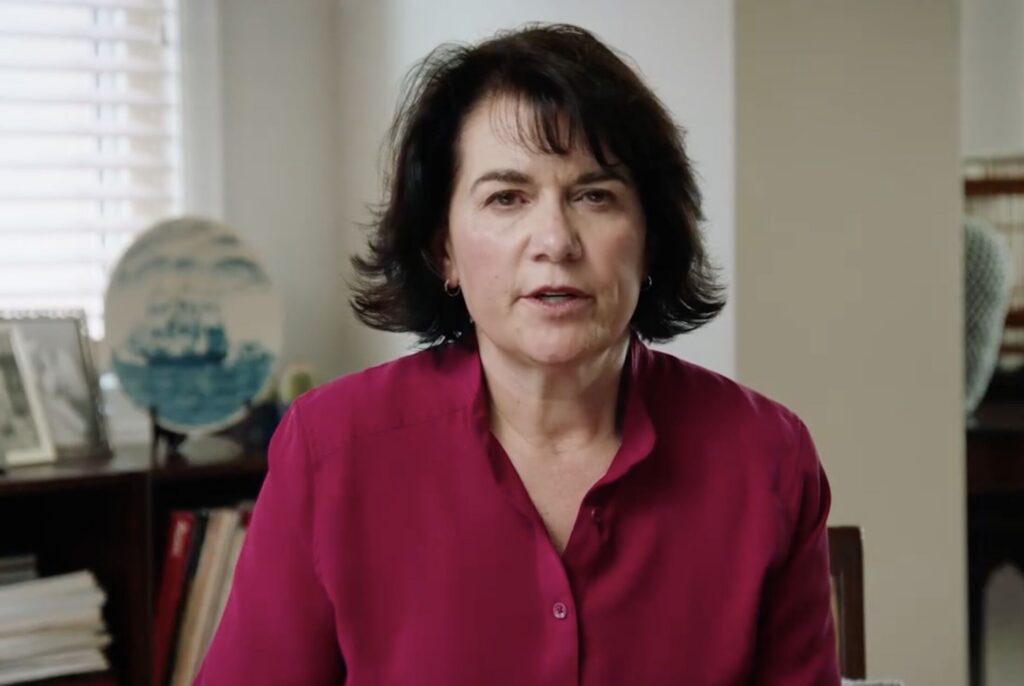
Democratic congressional candidate Trish Calvarese on Monday asked a judge to prevent one of her primary rivals, Eileen Laubacher, from participating in the caucus and assembly process to seek the nomination to challenge Republican U.S. Rep. Lauren Boebert in Colorado’s...
PREV
PREVIOUS
Q&A with Peter Droege | Tallying the toll of drug use
Let the record show Peter Droege grew up in Central City well before the first legal casino opened its doors there — and fully a century after its original claim to fame as a wild and wooly mining camp in Colorado’s gold rush days. Perhaps it was dodging those bullets that enabled him to emerge into the conservative’s […]

Brighton student alleges school district violated rights under disability law
A Brighton High School student and her mother are alleging that District 27J violated her federal rights by refusing to accommodate her requests for a disability accommodation in her education. Jane Doe, who is 17 years old, wrote in her lawsuit that another student sexually assaulted her in 2018. She reported it to law enforcement […]