

Health survey reveals stable uninsured rate, cost barriers to care

The percentage of Coloradans who are uninsured remains at 6.5%, unchanged from two years ago, while the number of uninsured Latino children has spiked, according to the 2019 Colorado Health Access Survey.
Calling the stable uninsured rate “striking” given the health of the state’s economy, the survey previously measured a steep drop in the rate since the full implementation of the federal Affordable Care Act, from 13.5% uninsured in 2009 to 6.7% in 2015. The expansion of Medicaid and development of a subsidized marketplace were two major factors.
Low-income households are experiencing their lowest rates of being uninsured compared to historical averages. However, 54,145 children remain uninsured, and Latino children made up the large portion of the increase. A “public charge” proposal from the Trump administration that affects whether immigrants apply for public benefits may be a disincentive to health care access.
Ross Brooks of Mountain Family Health Centers, also believes that anti-immigrant rhetoric nationally has discouraged Latino families from enrolling their children in insurance, even if those kids are U.S. citizens.
“The fear hasn’t gone away,” he said. “It’s gotten worse.”
The CHAS, a product of the research organization Colorado Health Institute, is administered to 10,000 people in English and Spanish every two years. The survey also measured the barriers people encounter in receiving care.
Depending on the type of insurance they had, between 7.6% and 20% of respondents did not get medical care because a doctor did not accept their plan. Similar numbers of people, between 7.5% and 15.7%, did not see a specialist because of cost. More than 30% of Coloradans reported receiving a surprise medical bill.
“This year’s CHAS results are a warning sign: Too many Coloradans can’t afford or access the health care they need, and too many don’t have the things they need to live a healthy life, including secure housing, food, and health insurance,” said Jeff Bontrager, director of research and evaluation at CHI.
The percentage of people who reported not getting needed mental health care nearly doubled, from 7.6% in 2017 to 13.5% in 2019 — although fewer people cited cost as a barrier than in past years. A new “SEE ME” campaign debuted on Wednesday, encouraging Coloradans to end the stigma around mental health care by talking openly about their stories.
Nearly 10% of the state reported eating less than they should because they did not have enough money for food, with people aged 19 to 49 the most likely to go hungry. That age range was also the most likely to report experiencing unfair treatment when getting medical care.
The survey noted that 85% of Coloradans described their health as good, very good, or excellent, and people with higher incomes generally reported better health.
Colorado Politics Must-Reads:


Victor Marx says he’ll only debate Phil Weiser once in Colorado governor’s race — without a moderator
Ernest Luning
ernest.luning@coloradopolitics.com
Updated 16 hours ago
Colorado Republican gubernatorial nominee Victor Marx said on Tuesday that he will participate in only one debate with Attorney General Phil Weiser before the November election — and he challenged the Democratic nominee to hold the event without a moderator....

Denver seeks to move more than $18 million to cover George Floyd protest claims
Deborah Grigsby
deborah.smith@denvergazette.com
Updated 53 minutes ago
City officials want to move millions from Denver’s General Fund contingency account to the City Attorney’s Liability Claims Fund to cover legal settlements and claims stemming from the 2020 George Floyd protests. The hefty shift of cash, proposed in Council...
10th Circuit finds no fair housing violation by Littleton landlord for worker’s alleged rape of tenant
Michael Karlik
michael.karlik@coloradopolitics.com
Updated 18 hours ago
The Denver-based federal appeals court concluded on Monday that Littleton’s housing authority could not be held liable for a maintenance worker’s alleged rape of a tenant, as the worker’s employment did not provide any special access to the victim. A...
Fauci’s Fifth Amendment answers may test Biden pardon as GOP eyes contempt
Kaelan Deese
kaelan-deese@coloradopolitics.com
Updated 17 hours ago
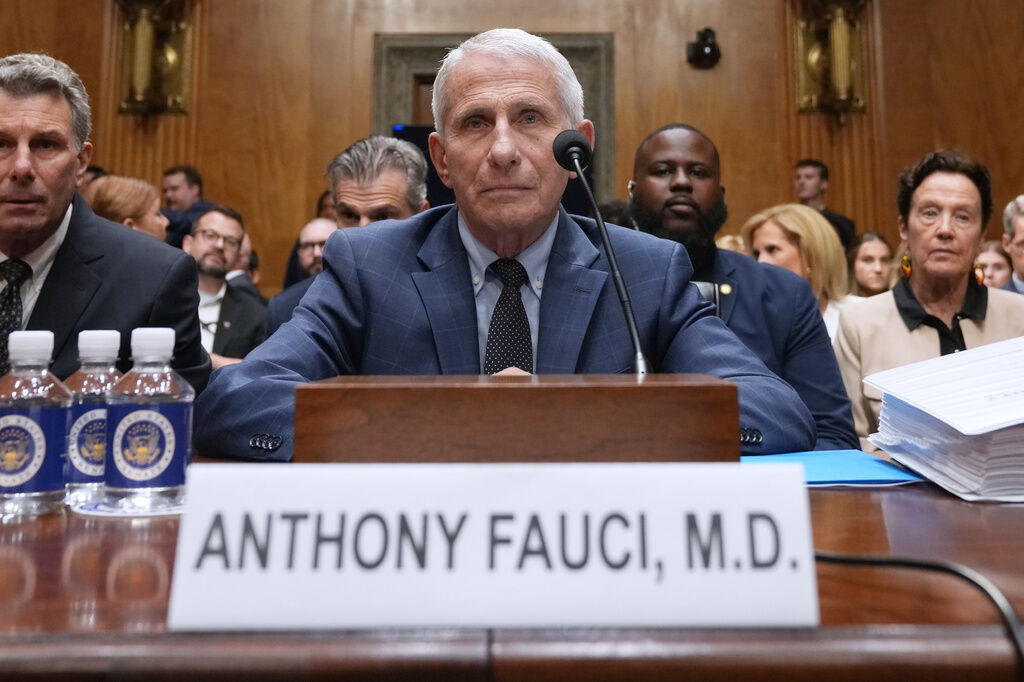
Dr. Anthony Fauci invoked his Fifth Amendment right against self-incrimination more than 100 times on Wednesday, a move legal experts described as strategically sound despite the politically damaging optics. Sen. Rand Paul (R-KY), chairman of the U.S. Senate Committee on...

Democrats must win 57 out of 77 competitive House seats to take majority: Cook Political Report
Hailey Bullis
hailey-bullis@coloradopolitics.com
Updated 20 hours ago
Democrats’ path to retaking the House in November has significantly slimmed as a result of the mid-decade redistricting war this cycle, a new analysis found. The nonpartisan Cook Political Report found that under the newly drawn maps across 10 states,...

Small Colorado town grapples with ICE detention center opening
Nico Brambila
nico.brambila@denvergazette.com
Updated 19 minutes ago
Thirty miles northeast of downtown Denver — where the Front Range loosens its grip, subdivisions give way to open fields and pickups outnumber Teslas — is the town of Hudson. Population 1,652. Hudson still feels like the kind of place...

Jeffco Public Schools sues Trump administration to protect funding after alleged transgender policies violation
Matt Kyle
matt.kyle@denvergazette.com
Updated 20 minutes ago
In the wake of several threats by the Trump administration to revoke federal funding, Jeffco Public Schools filed a lawsuit against the Department of Education seeking to protect that badly needed money. Jeffco has been under investigation by the DOE’s...

Denver labor acknowledgment proposal faces council committee questions
Deborah Grigsby
deborah.smith@denvergazette.com
Updated 24 hours ago
A proposal to add a labor acknowledgment to Denver City Council proceedings has been delayed by the Finance and Business Committee after members raised questions about its wording, intentions and place in the council’s opening proceedings. The proposal, put forth...
Fauci invokes the Fifth Amendment and declines to testify in GOP-led Senate panel’s COVID-19 hearing
The Associated Press
the-associated-press@coloradopolitics.com
Updated 1 day ago
WASHINGTON (AP) — Dr. Anthony Fauci on Wednesday invoked the Fifth Amendment and declined to answer questions from senators in a Republican-led committee hearing about his handling of the COVID-19 pandemic. The move injects new drama into the lingering tensions...

Colorado residents rush to buy guns ahead of new restrictions, breaking sales records for several stores
By Debbie Kelley
by-debbie-kelley@coloradopolitics.com
Updated 24 hours ago
Colorado residents are lining up to buy guns ahead of the latest weapons restrictions set to take effect this Saturday. The new law mandates individuals seeking to purchase semiautomatic firearms with detachable magazines to first complete a firearm safety course...
PREV
PREVIOUS

Crow casework returns over $1 million to constituents
U.S. Rep. Jason Crow announced that since taking office in January, his office assisted in returning over $1 million to constituents from the federal government. “Our work for Colorado’s 6th district begins with constituent casework. The team has crisscrossed the district to help Coloradans obtain benefits they have earned and cut through endless bureaucratic red […]

FCC approves 9-8-8 suicide lifeline number, begins public comment on rule
The Federal Communications Commission on Thursday unanimously advanced the designation of 9-8-8 as the national suicide hotline number, giving notice for public comment on the proposed rule. “It is now the 10th leading cause of death in the United States,” said Commissioner Jessica Rosenworcel in announcing her vote. “More than 6,000 veterans commit suicide each […]