

State lawmaker looking at renewable natural gas standard following report
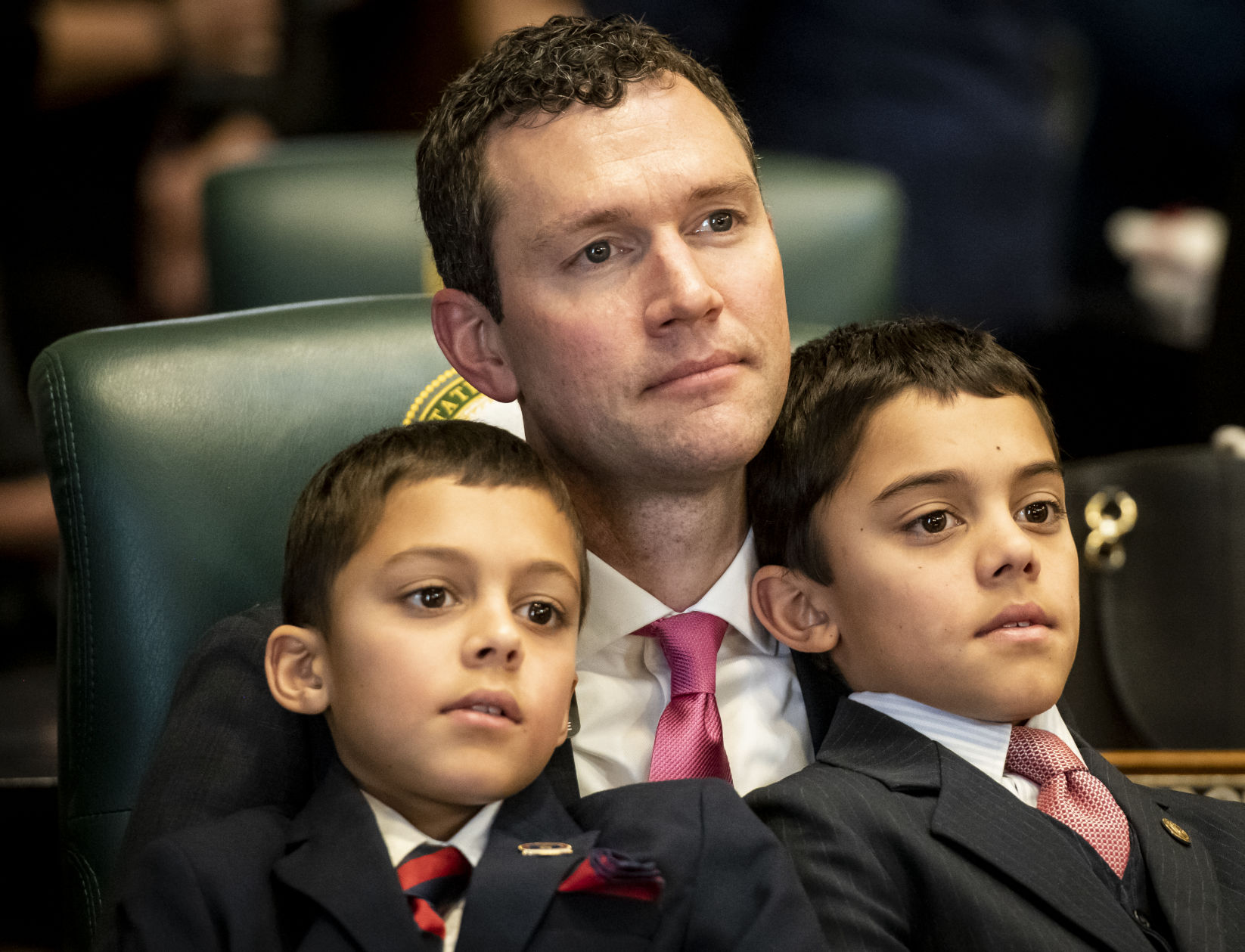
Colorado state Rep. Chris Hansen plans to introduce a production mandate for renewable natural gas, as a newly released report shows major carbon-reduction benefits.
“I think it’s a great opportunity for the ag sector. You have right now what is a waste product that has to be mitigated,” said Hansen, D-Denver. “You can get some fertilizer value out of it depending on the situation, but it’s something that right now is a cost center. This would be a great way to turn that resource into a revenue source.”
Biomethane sources include farms, landfills, wastewater, and food waste.
The Colorado Energy Office found that renewable natural gas could substitute for approximately 24% of diesel fuel consumption in the state, which would eliminate 1.4 million metric tons of carbon dioxide emissions.
“To date, however, Colorado’s RNG potential remains largely untapped,” the report stated, indicating that the only present and planned facilities to create renewable natural gas (a.k.a. biomethane) are at wastewater plants.
RNG is interchangeable with conventional natural gas, but its greenhouse gas emissions are lower over its lifetime. Producing RNG makes use of organic matter already in the ecosystem, rather than releasing methane into the atmosphere through previously-untapped sources.
Transportation in Colorado accounts for 29% of all energy consumption, the largest category of use. The number of natural gas-using vehicles in Colorado more than doubled between 2008 and 2016. RNG would still use pipelines for delivery, and the report identified landfills in 17 counties-with 13 landfills currently collecting biogas-as well as livestock populations where chicken, swine, and beef/dairy cattle manure could convert to fuel.
Hansen’s proposal would also address natural gas delivered to buildings, modeling a biomethane mandate on the state’s renewable energy standard.
“You’d set a percent by a certain date that would have to be sold and to allow the market to come back with RFPs so the customer gets the best deal,” said Hansen. “That’s the concept I’m looking at. Use that model to encourage this market.”
In 2004, Colorado became the first state to enact a renewable portfolio standard by ballot initiative. The law requires investor-owned utilities to produce 30% of their electricity with renewable power by 2020.
The Colorado Energy Office has since reported that utilities are on track to meet the goal.



Usha Vance launches story time podcast in latest second lady venture
Asher Notheis, Washington Examiner
asher.notheis.washington.examiner@gazetteedit.wpenginepowered.com
Updated 34 minutes ago
Second lady Usha Vance unveiled her new story time podcast of reading children’s stories on Monday. The podcast, Storytime with the Second Lady, features either her reading books or inviting a special guest to read, and is part of her...

Out-of-state judges address ex-discipline director’s lawsuit, Colorado justices accept federal invitation | COURT CRAWL
Michael Karlik
michael.karlik@coloradopolitics.com
Updated 2 hours ago
Welcome to Court Crawl, Colorado Politics’ roundup of news from the third branch of government. A pair of out-of-state judges got down to business in a lawsuit brought by Colorado’s former judicial discipline director, plus the state Supreme Court has...
Power grid shutdowns in Colorado bring protection — and problems
Scott Weiser
scott.weiser@gazette.com
Updated 2 hours ago
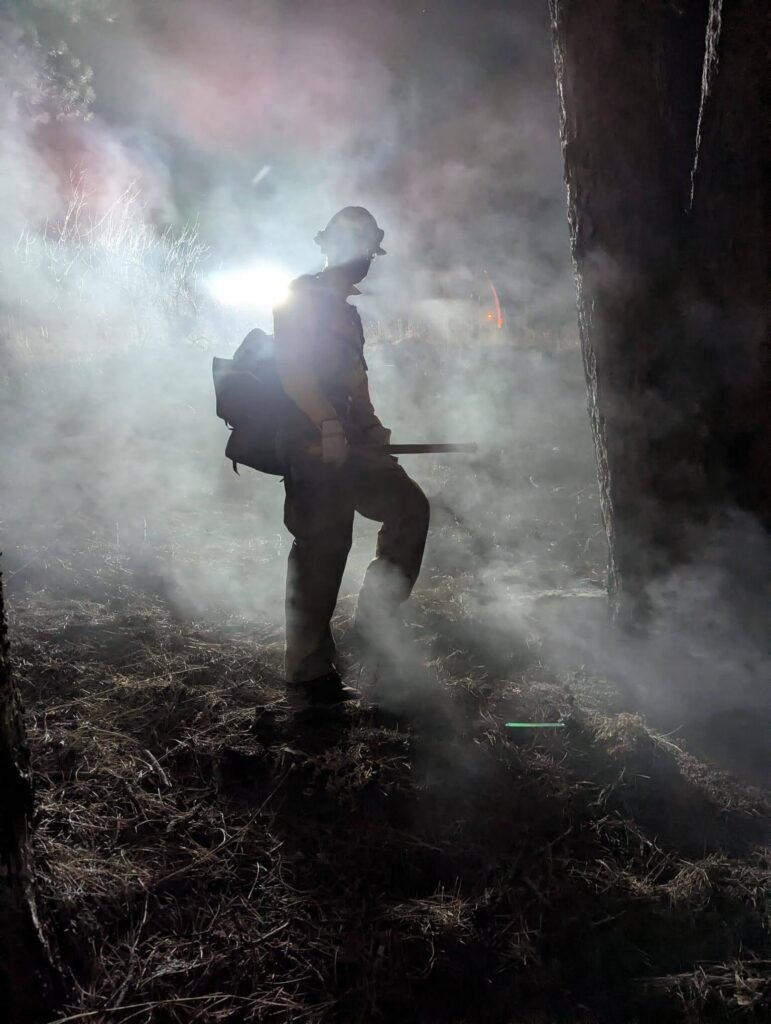
A downed power line in Sunshine Canyon in the mountains west of Boulder in December posed an electrocution risk to firefighters and bystanders after Xcel Energy re-energized it without repairing it, despite being notified of the break the day before....
Aurora wildland fire contained at Buckley Space Force Base
Nicholas Fogleman
nicholas.fogleman@denvergazette.com
Updated 2 hours ago
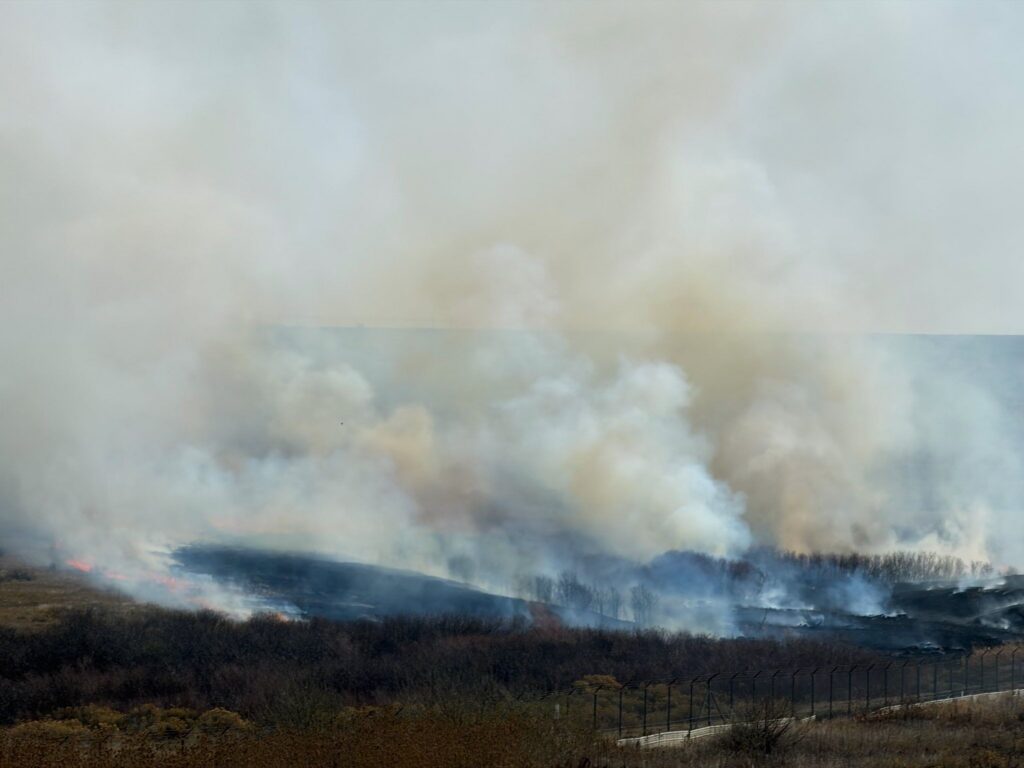
A wildland fire burned Sunday morning on the southwest end of Buckley Space Force Base in Aurora, authorities said. The fire no longer posed a threat and crews were clearing the scene as of 10:53 a.m., according to Aurora Fire...

Unsustainable: How Colorado’s Medicaid spending exploded
Nico Brambila
nico.brambila@denvergazette.com
Updated 4 hours ago
The state’s Medicaid program — which covers about one in four Coloradans — is poised for its largest single-year jump in at least two decades, with officials proposing a $2.3 billion increase, even as lawmakers face a $1.5 billion budget...
Oklahoma’s governor picks energy executive Alan Armstrong to fill US Senate seat | OUT WEST ROUNDUP
The Associated Press
the-associated-press@coloradopolitics.com
Updated 2 hours ago
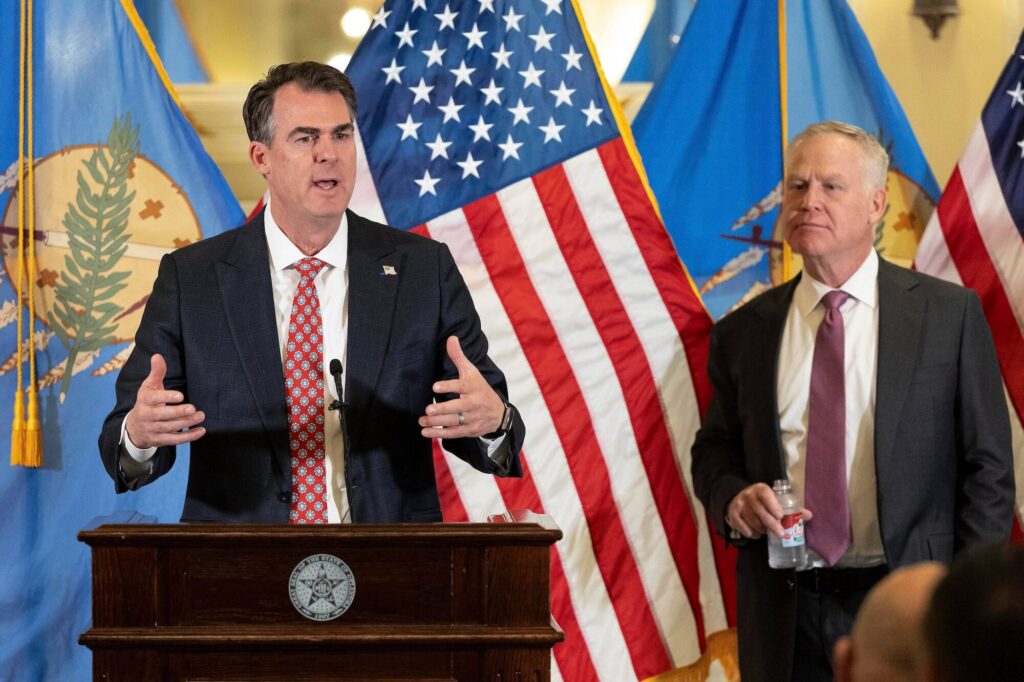
OKLAHOMA Governor makes US Senate pick OKLAHOMA CITY — Oklahoma’s governor on March 24 appointed energy executive Alan Armstrong to serve in the U.S. Senate through the end of the year and finish the term of Republican Markwayne Mullin, the...
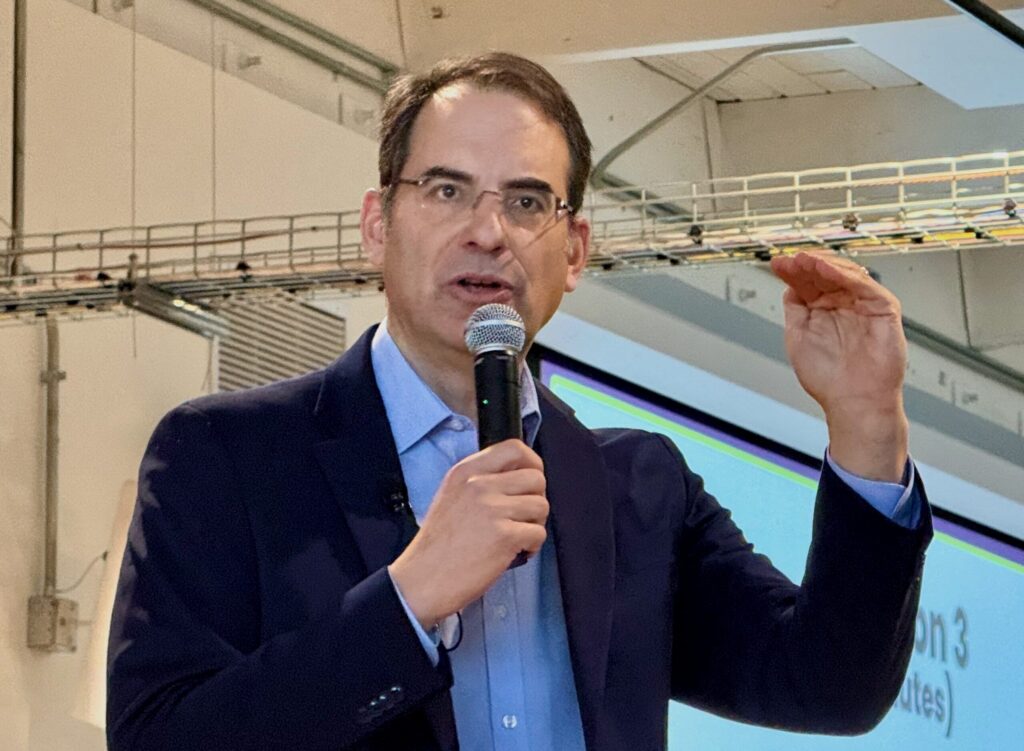
Phil Weiser wins top spot in Colorado’s Democratic gubernatorial primary at party’s state assembly
Ernest Luning
ernest.luning@coloradopolitics.com
Updated 2 days ago
Attorney General Phil Weiser’s name will appear first on Colorado’s Democratic gubernatorial primary ballot after his overwhelming win Saturday at the party’s state assembly in Pueblo. Weiser joins U.S. Sen. Michael Bennet in the June 30 primary for the office...
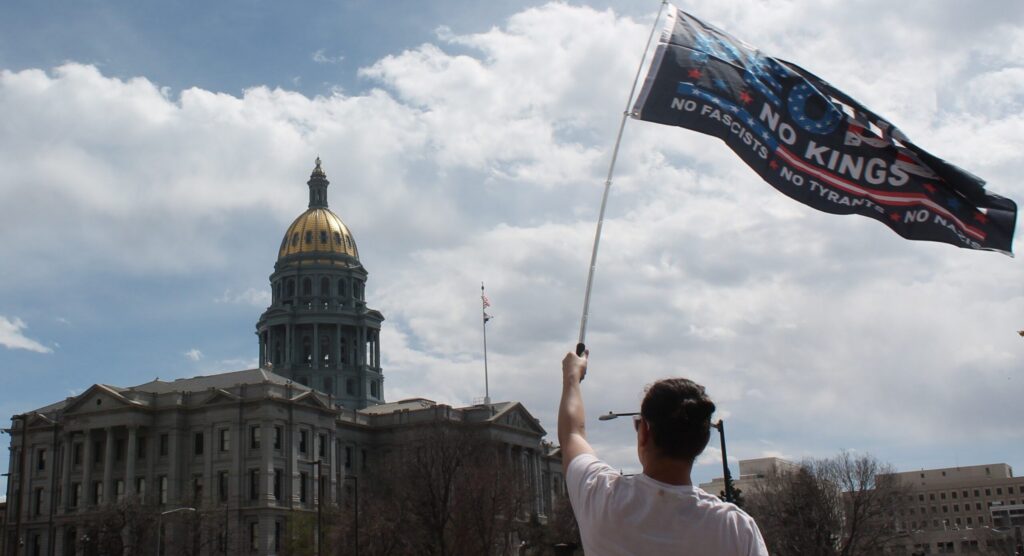
‘No Kings’ protest draws tens of thousands to Colorado state Capitol
Matt Kyle
matt.kyle@denvergazette.com
Updated 2 days ago
The third round of the national No Kings Day protests hit Denver Saturday, when tens of thousands gathered near the Colorado state Capitol to criticize the Trump administration. Organizers addressing the crowd estimated there were 30,000 present for the Saturday...
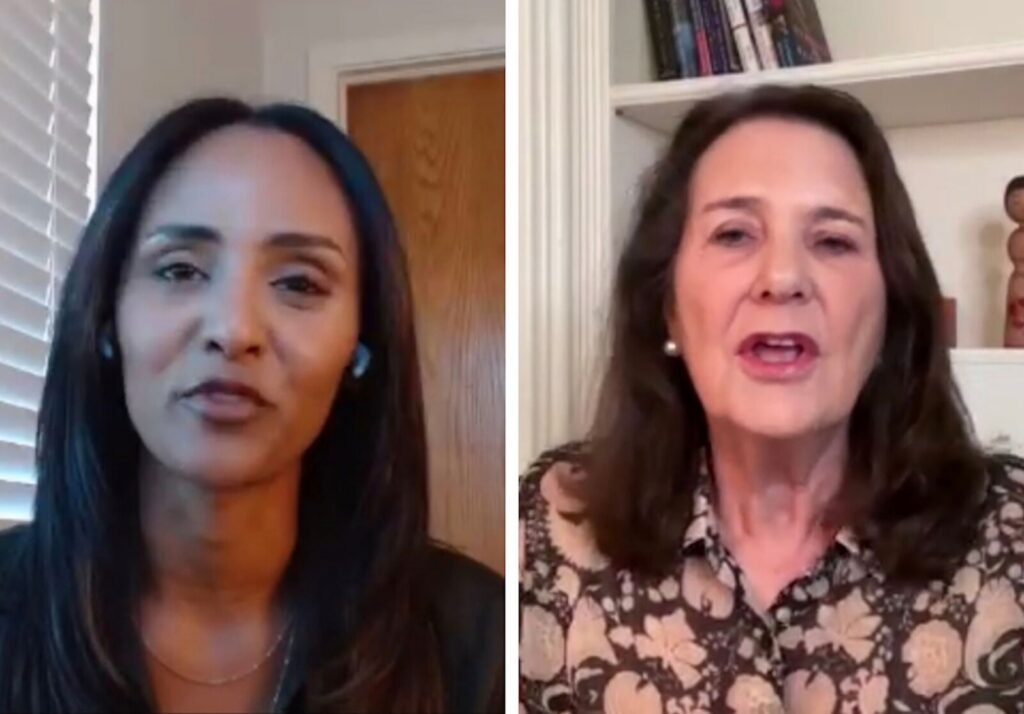
Denver Democrat Diana DeGette trails challenger Melat Kiros at assembly as both qualify for primary
Ernest Luning
ernest.luning@coloradopolitics.com
Updated 2 days ago
U.S. Rep Diana DeGette, a Denver Democrat, qualified for Colorado’s June primary by the skin of her teeth Friday at the party’s district assembly, where the 15-term incumbent received fewer than half as many delegate votes as her challenger, 28-year-old...

Kwame Spearman warrants plenty of criticism, not cancellation | SONDERMANN
By Eric Sondermann
by-eric-sondermann@coloradopolitics.com
Updated 4 days ago
All of us are flawed humans, some more so than others. This is the tale of Kwame Spearman who burst onto Denver’s business and political scene a handful of years back. His ride has taken a downhill trajectory. Within the...
PREV
PREVIOUS

Turns out the 'Polis Penny' isn't legal after all
One of two recall committees that gave out the “Polis Penny,” a penny returned to donors who gave $20 in cash, has paid a $2,300 fine over accusations that it circumvented campaign finance laws and rules. The Resist Polis PAC is an independent expenditure committee (IEC) that worked with Dismiss Polis, an issue committee, to gather […]

Denver Health clinic for domestic violence victims opens at the Rose Andom Center
The new Denver Health clinic inside the Rose Andom Center was unveiled during a ribbon-cutting ceremony on Monday, Oct. 28. From left to right: Simon Hambidge, chief ambulatory care officer of Denver Health; Denver Health CEO Robin Wittenstein; Rose Andom Center Executive Director Margaret Abrams; Denver Mayor Michael Hancock; and Galena Rhoades, executive director of MotherWise […]