

PLAIN TALK ABOUT RURAL COLORADO | Greg Brophy: The rift deepens between city and country
The urban-rural divide is growing, and it isn’t hard to understand why: our politics have become incredibly divisive, and the public policies rammed through in the wake of elections disregards opposing views – no compromise necessary.
After all, as one pol said, “elections have consequences, and I won.”
It doesn’t need to be this way; cooperation and compromise are necessary to reach permanent solutions. Climate change is a key example: if your goal is reduced carbon emissions, there are several innovative methods that would benefit all parties. In rural Colorado, we have come to accept wind farms, which, when coupled with our abundant natural gas, have reduced emissions more in America than in any other country.
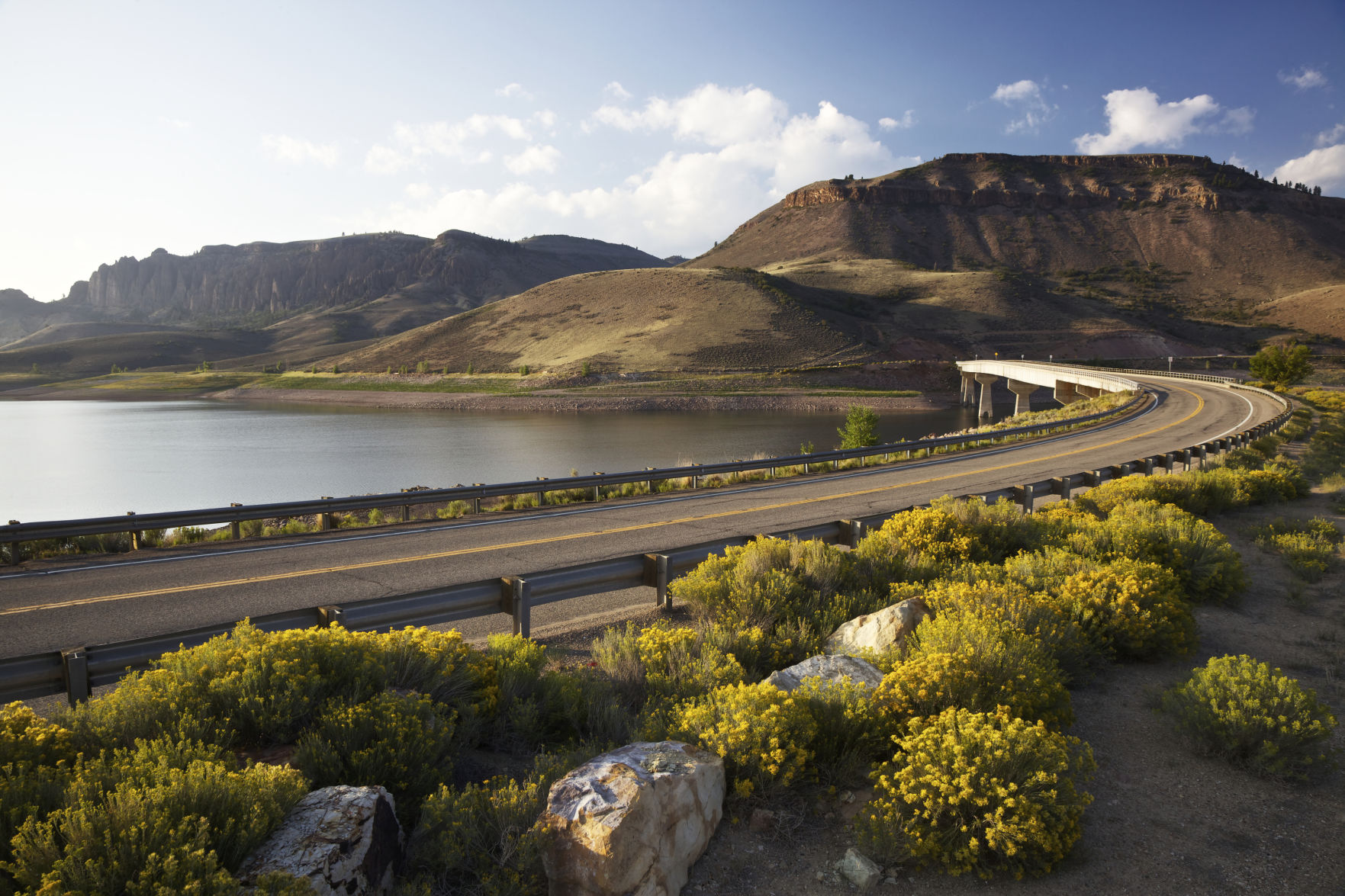
Together, we can enact more of these practical changes. Many rural Coloradans understand that the simplest and most effective “battery” available now at scale for storage of wind electricity generated off-peak is a reservoir where water is released to produce hydropower. Such reservoirs — like those in the Aspinall Unit’s dams, reservoirs and hydropower plants on the Gunnison River, such as Blue Mesa Reservoir — have the added benefit of relieving the water stress caused by the “buy and dry” of Colorado farm land to meet the growing water demands of the cities.
On the other hand, some of the policy suggestions we hear from the Democratic presidential front runners truly do not strike us as win-win or pragmatic. Talk of fracking bans and cheeseburger taxes make it seem that rural Colorado is expected to be held disproportionately accountable for climate change action.
This drives a sense of injustice, when poor and struggling families in rural Colorado are told they need to foot the bill to keep Miami from flooding – especially when urban elites have told us for the last 30 years that unless we act in the next 10 years, it will be too late. This same concern sparked the 2018 Yellow Vest Movement in France.
Rural Coloradans are very sensitive to energy costs. There is no public transportation alternative for rural families to use when going to buy groceries, supporting their children in school activities, or working out of the home. Where we live, in our sparsely populated country communities, we necessarily drive farther and more often for the daily tasks urbanites may take for granted.
Further, agriculture is incredibly sensitive to energy prices. Each of those circle fields you see when flying over Colorado has an annual electricity bill of around $15,000. We need diesel for our equipment and propane for drying grain; there are no subsidized electric tractor alternatives.
We pay local retail expenses to produce commodities priced wholesale by world markets; our products will not be worth more in the world market if the cost to produce skyrockets due to carbon taxes and other, more extreme regulations. Colorado farmers and ranchers cannot survive if our own government places us at an even further disadvantage to South American farmers.
In 2013, several northeast Colorado counties even voted to secede from the state, and frankly, those feelings are only intensifying.
But it doesn’t have to be this way.
While most in rural Colorado do not believe that climate change is an imminent and existential threat, like you, we truly care about the environment. Agriculturalists are the original environmentalists: If we do not take care of the land, it will not take care of us. We cannot earn a livelihood and provide for our families if we abuse our land, so the urban elites will find allies in rural areas – if the ideas for environmental conservation are sound.
The Democratic Party has complete control of the levers of power in Colorado. They can singlehandedly rebuild the bridge of the urban-rural divide, or they can burn it all the way down. The blocks for rebuilding should be sturdy and real: water storage, for instance, not meat-alternative burgers and fracking bans.
Fundamental changes and opportunities are at hand. Are we going to choose to uphold a “live and let live” constitutional republic that respects the rights and interests of minority views, or will we allow the tyranny of the majority, a “winner takes all” system, to further divide us?
Greg Brophy is a fourth-generation corn and melon farmer from Wray. He served in the Colorado state Senate 2005-2014, and in the state House 2003-2005.


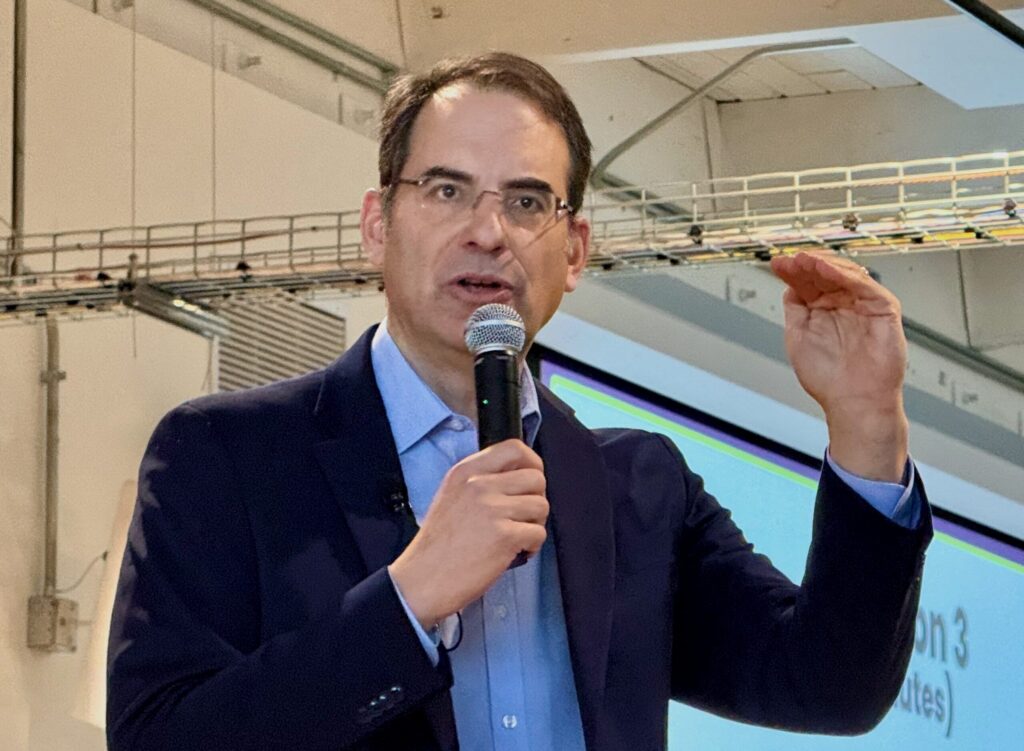
Phil Weiser wins top spot in Colorado’s Democratic gubernatorial primary at party’s state assembly
Ernest Luning
ernest.luning@coloradopolitics.com
Updated 42 minutes ago
Attorney General Phil Weiser’s name will appear first on Colorado’s Democratic gubernatorial primary ballot after his overwhelming win Saturday at the party’s state assembly in Pueblo. Weiser joins U.S. Sen. Michael Bennet in the June 30 primary for the office...
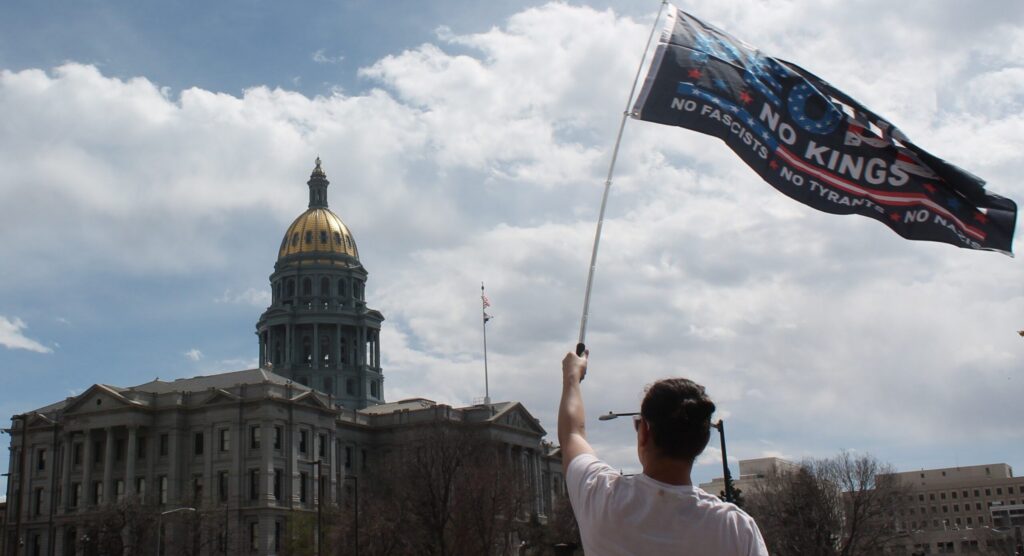
‘No Kings’ protest draws tens of thousands to Colorado state Capitol
Matt Kyle
matt.kyle@denvergazette.com
Updated 37 minutes ago
The third round of the national No Kings Day protests hit Denver Saturday, when tens of thousands gathered near the Colorado state Capitol to criticize the Trump administration. Organizers addressing the crowd estimated there were 30,000 present for the Saturday...
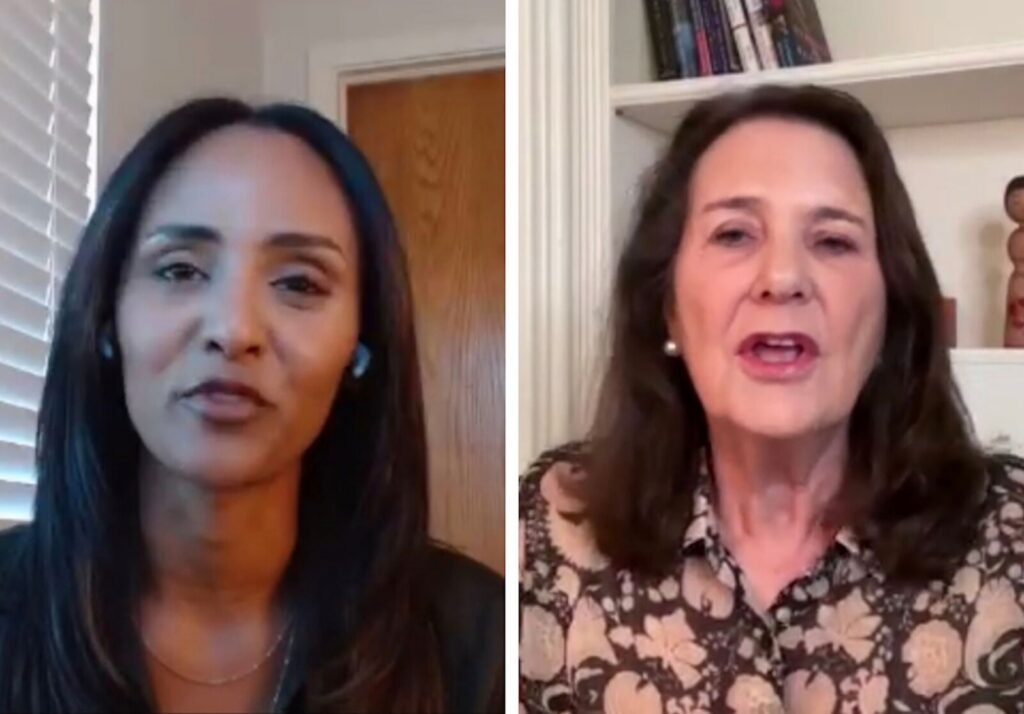
Denver Democrat Diana DeGette trails challenger Melat Kiros at assembly as both qualify for primary
Ernest Luning
ernest.luning@coloradopolitics.com
Updated 8 hours ago
U.S. Rep Diana DeGette, a Denver Democrat, qualified for Colorado’s June primary by the skin of her teeth Friday at the party’s district assembly, where the 15-term incumbent received fewer than half as many delegate votes as her challenger, 28-year-old...
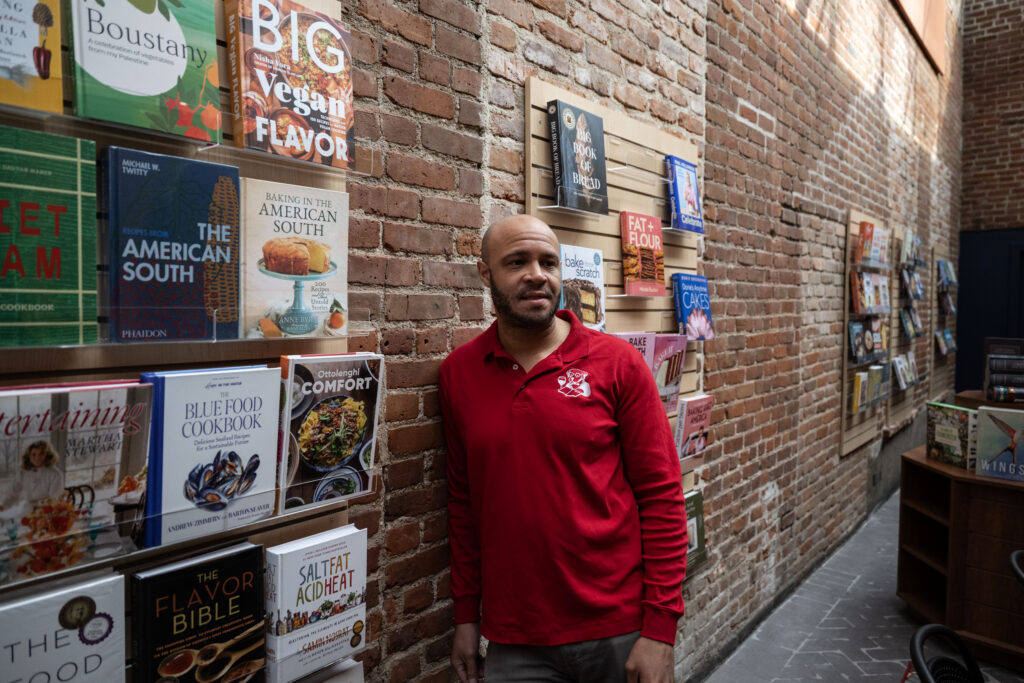
Kwame Spearman warrants plenty of criticism, not cancellation | SONDERMANN
By Eric Sondermann
by-eric-sondermann@coloradopolitics.com
Updated 2 days ago
All of us are flawed humans, some more so than others. This is the tale of Kwame Spearman who burst onto Denver’s business and political scene a handful of years back. His ride has taken a downhill trajectory. Within the...
Colorado Politics Calendar Mar. 30-Apr. 5
Rachael Wright, Special to Colorado Politics
rachael.wright@coloradopolitics.com
Updated 1 day ago
CoPo’s weekly political calendar will help you find political and public-policy events throughout Colorado. It includes candidate and issue campaign events, public policy meetings, court hearings, state and local party conventions, assemblies, debates, rallies, parades, speaking engagements, traveling dignitary appearances,...
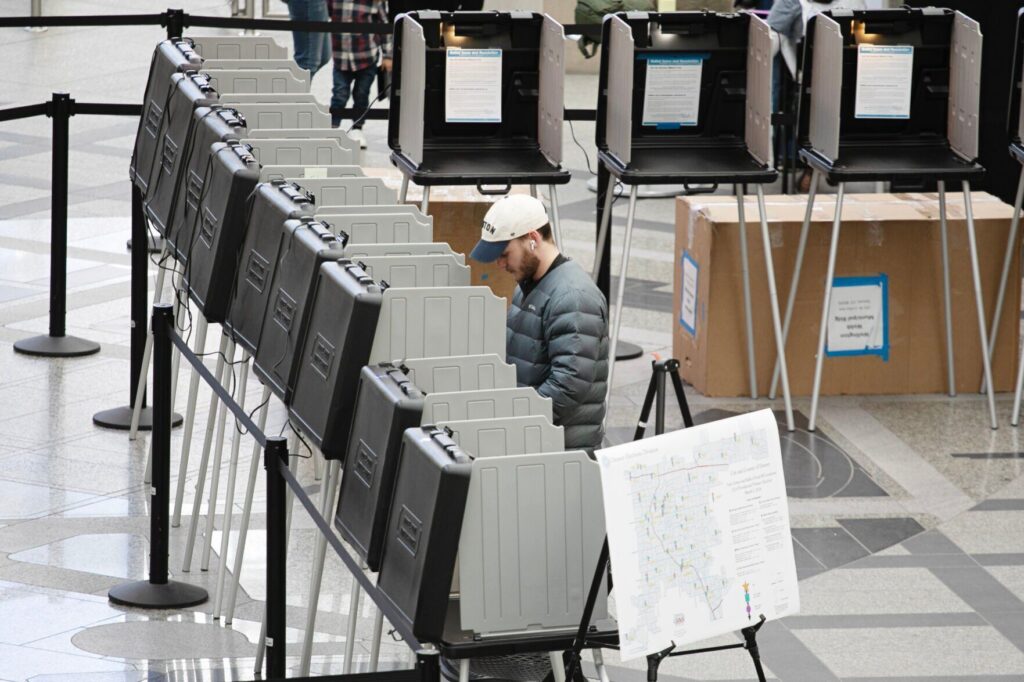
Federal judge upholds constitutionality of Colorado campaign contribution limits
Michael Karlik
michael.karlik@coloradopolitics.com
Updated 21 hours ago
A federal judge upheld Colorado’s individual campaign contribution limits as constitutional on Thursday, finding that three Republican plaintiffs failed to prove the campaign finance framework violates their First Amendment rights. U.S. District Court Senior Judge John L. Kane recognized that...
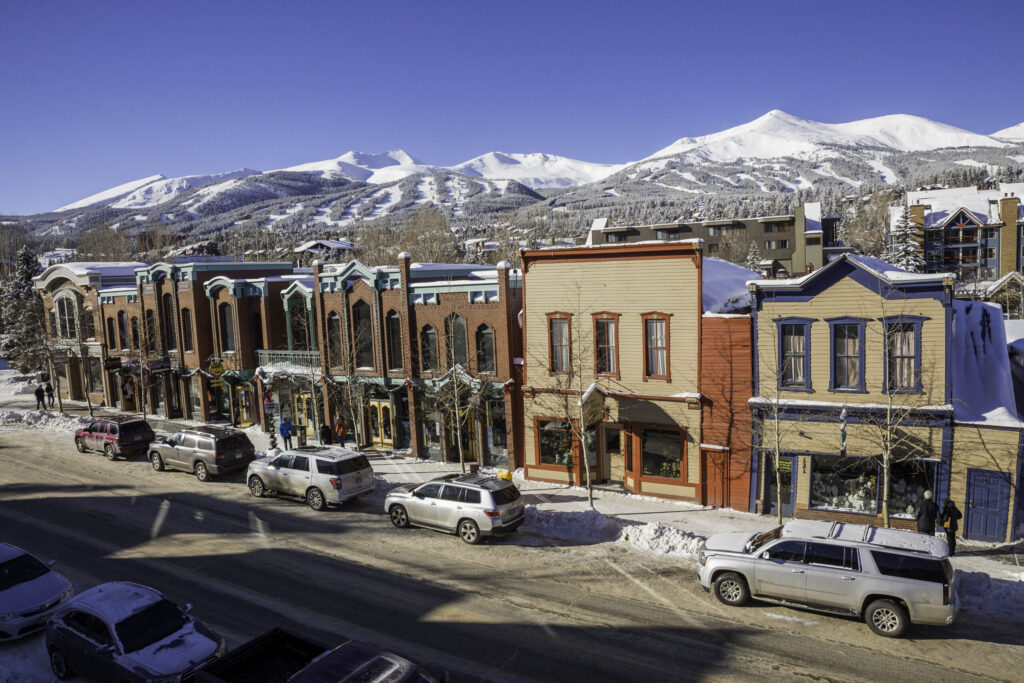
Appeals court rejects theory that existing tax revenue undermines need for new fees
Michael Karlik
michael.karlik@coloradopolitics.com
Updated 1 day ago
Colorado’s second-highest court rejected a plaintiff’s claim on Thursday that the tax revenue generated by an existing activity should prevent local governments from imposing new fees aimed at regulating the activity. The question stemmed from Colorado’s unique constraints on taxation...
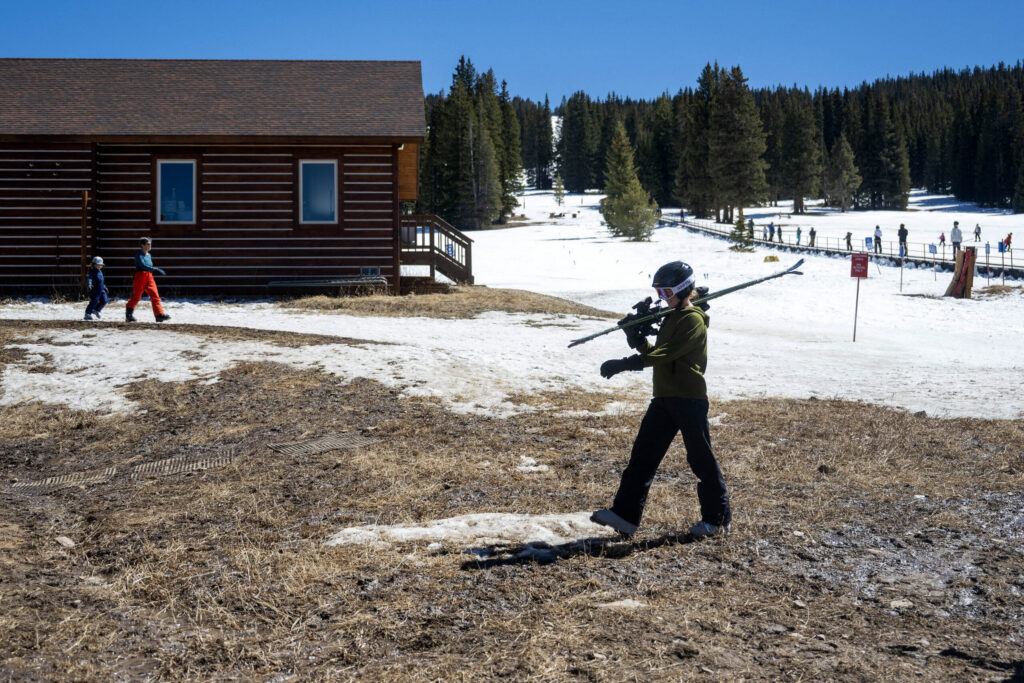
Colorado ski resorts announce early closures amid historic snowpack lows, high temperatures
Kyla Pearce
kyla.pearce@gazette.com
Updated 1 day ago
As Colorado’s historically low snowpack year comes to a close and spring conditions take over the mountains, the state’s major ski resorts are announcing closing dates — some of which are weeks before historic closing dates. Most of Colorado’s ski...
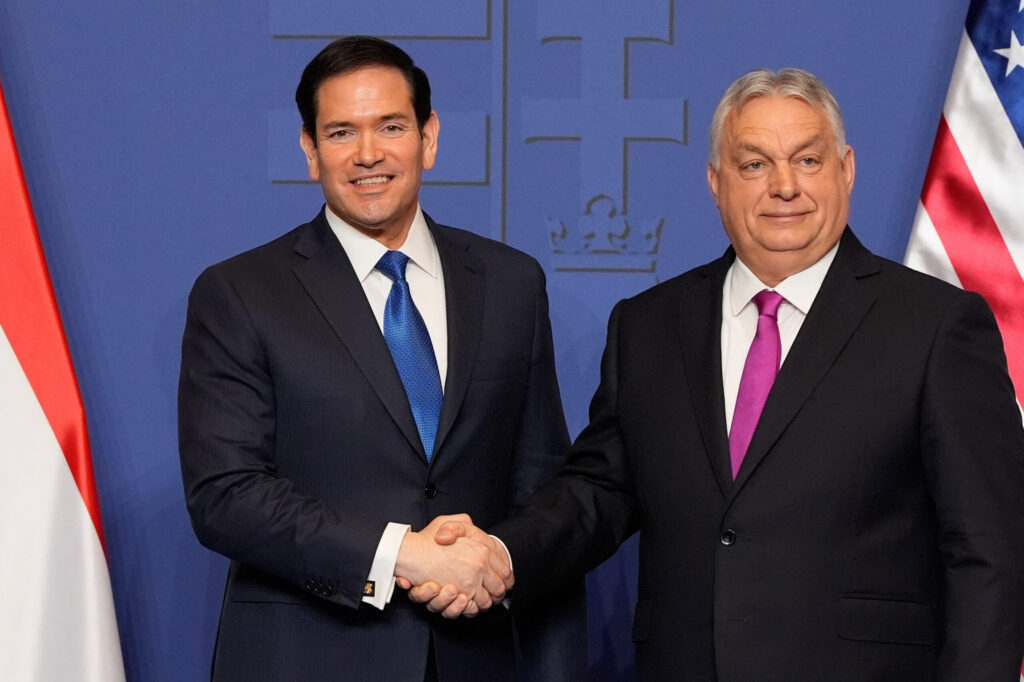
Marco Rubio’s star power rises at CPAC 2026
Mabinty Quarshie and Samantha-Jo Roth, Washington Examiner
mabinty.quarshie.and.samantha-jo.roth.washington.examiner@gazetteedit.wpenginepowered.com
Updated 1 day ago
GRAPEVINE, Texas — Secretary of State Marco Rubio’s popularity is growing and could possibly boost him to one of the top two spots in the 2028 GOP presidential race, if attendees at the Conservative Political Action Conference are to be believed. ...

Boulder police investigate sexual assault, ‘drugging’ at bar near CU
Matt Kyle
matt.kyle@denvergazette.com
Updated 1 day ago
The Boulder Police Department is investigating reports of sexual assault and “suspected drugging” involving underage girls at a bar. There may be additional victims who have not yet come forward, the department said in a news release. The bar, Scrooge...
PREV
PREVIOUS

Colorado housing reformists aim to expand Section 8 voucher rules
Denver requires landlords to accept Section 8 housing vouchers, and some Democrats want to expand the law statewide. Many landlords outside of Denver refuse to accept vouchers in the midst of a booming housing market across Colorado, reports the Denver Post – a practice that some legislators would like to abolish. “There is no reason not to […]

Report: 'Concentrated' child poverty has dropped more steeply in Colorado than nationwide
The rate of children living in “concentrated poverty” fell more quickly in Colorado than nearly any other state over recent years, according to a new report from the Annie E. Casey Foundation, a nonprofit focused on children’s well being. On average, from 2013 to 2017, 5% of Colorado children lived in poverty, down from a […]