

Research looks at limiting president’s power on national monuments
New research in the era of Donald Trump suggests presidents shouldn’t have so much say in using the Antiquities Act to designate future national monuments – those giant swaths of land deemed national treasures to be protected from development.
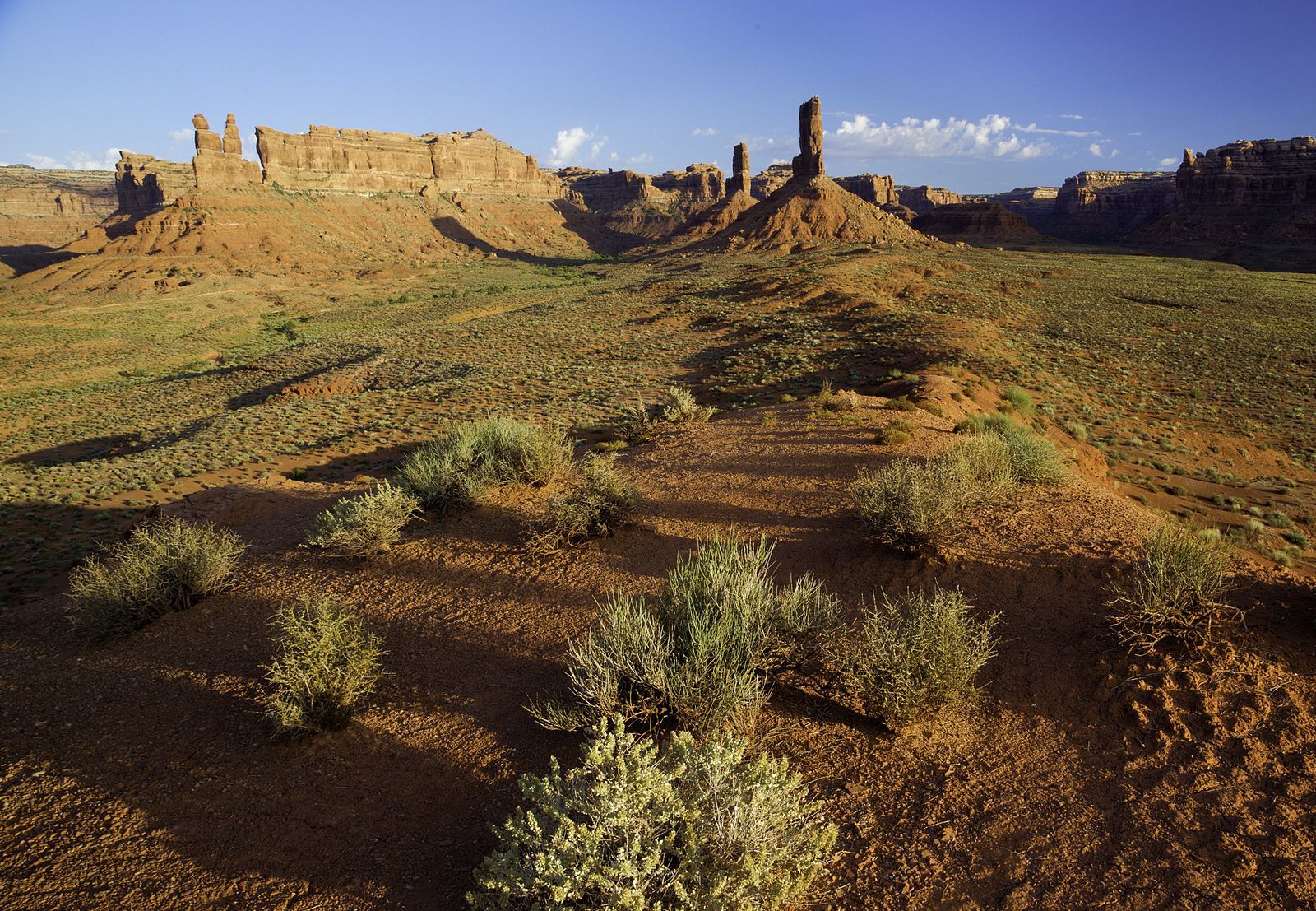
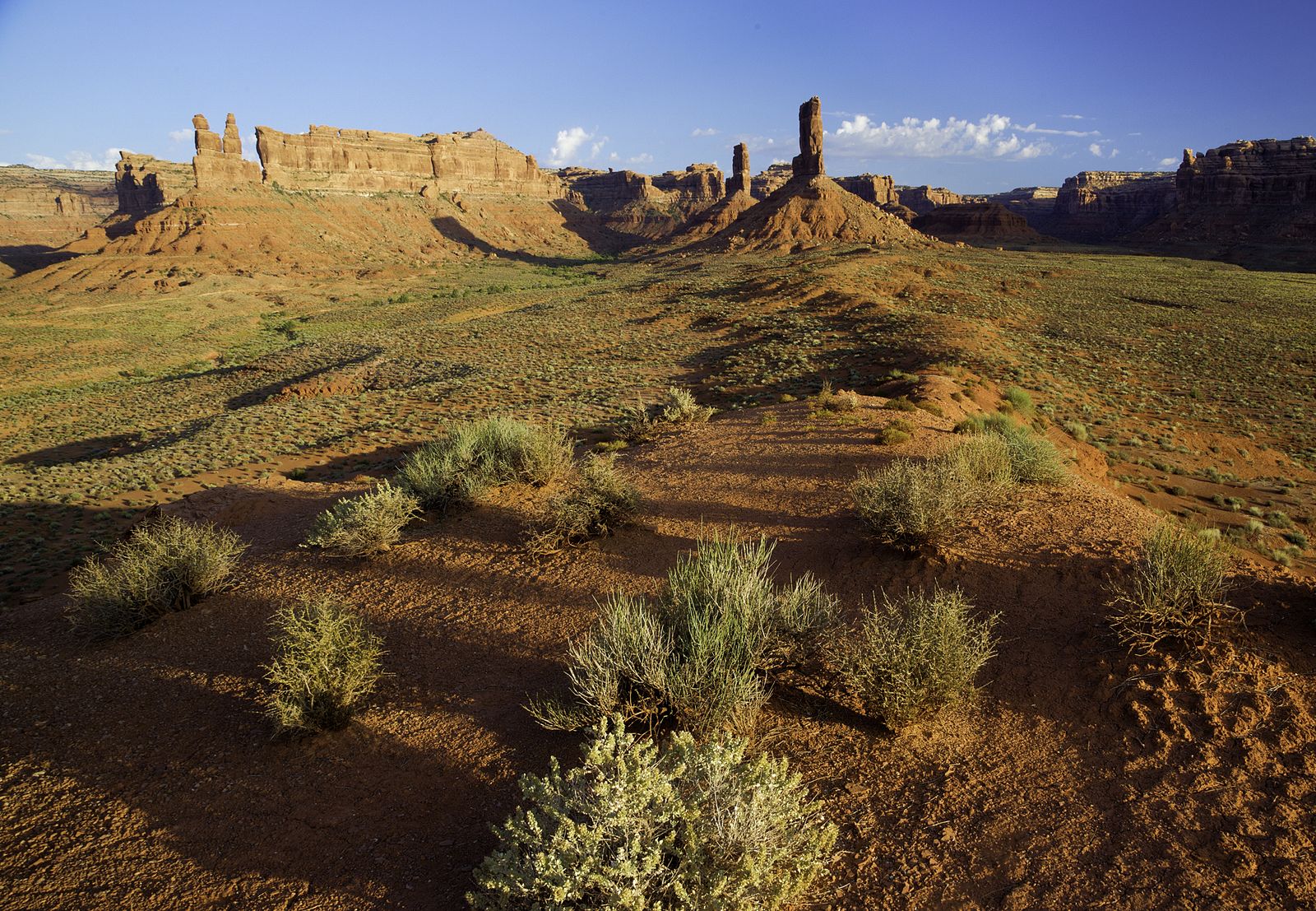
Trump has sought to shrink some for the benefit of nature resource development and grazing, such the Bears Ears National Monument in Utah not far from the Four Corners it shares with Colorado.
The policy paper for the Center for Growth and Opportunity at Utah State University looked at two times Congress got involved with limiting a president’s power over public lands via the Antiquities Act – in 1950 in Wyoming and 1980 in Alaska.
RELATED: Colorado-based uranium company played a role in reducing national monument
The policy paper, called “Monumental Debate,” suggests that Congress gets more involved in managing federal lands when it limits the president’s power, and the a 5,000-acre limit on national monuments that can be designated by the president hasn’t been challenged in almost 40 years.
The paper’s author is Jonathan Wood, a senior attorney for the Pacific Legal Foundation, which gets support from conservative advocacy organizations linked to the Kochs and Scaifes.
Wood is a member of the executive board of the Federalist Society’s Environmental Law and Property Rights Practice Group, and publishes the FREEcology on what’s characterized as “libertarian environmentalism.”
Wood notes in the paper that federal lands are protected by many federal laws adopted since the Antiquities Act was created, “reducing the need for controversial presidential action to ensure adequate protection.”
Jessica Goad, the deputy director of Conservation Colorado, the state’s largest environmental organization and chief advocate for public lands, wasn’t onboard with the findings, Trump or not.
“This report is just another short-sighted attack on our public lands,” she told Colorado Politics on Tuesday, which marked the 113th anniversary of the Antiquities Act. “Instead of restricting authorities to protect lands, we must use every tool in the toolbox to protect Colorado and America’s last remaining wild places.”
Goad talked about the importance of the act.
“The Antiquities Act is a foundational public lands law that has resulted in the protection of American treasures like the Grand Canyon and the Statue of Liberty and Colorado icons like the Great Sand Dunes and Canyons of the Ancients,” she said. “Without it and the timely action of past presidents, who knows what fate would have befallen these places.”
You can read the policy paper by clicking here.
Last year, as Trump sought to shrink Bears Ears and Grand Staircase-Escalante national monuments in Utah, Colorado’s U.S. Sen. Michael Bennet joined with 20 other Democrats to try to block him.
Called the America’s Natural Treasures of Immeasurable Quality Unite, Inspire, and Together Improve the Economies of States (ANTIQUITIES) Act of 2018 the bill went nowhere in the Republican-controlled Senate, however.

Unsustainable: How Colorado’s Medicaid spending exploded
Nico Brambila
nico.brambila@denvergazette.com
Updated 12 hours ago
The state’s Medicaid program — which covers about one in four Coloradans — is poised for its largest single-year jump in at least two decades, with officials proposing a $2.3 billion increase, even as lawmakers face a $1.5 billion budget...
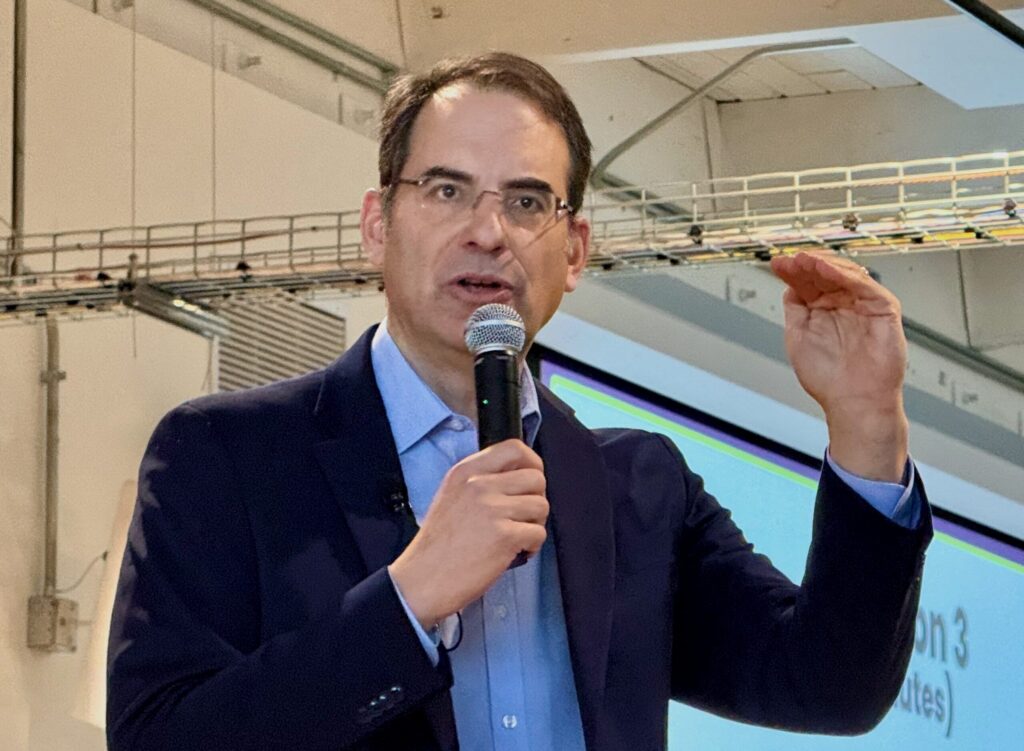
Phil Weiser wins top spot in Colorado’s Democratic gubernatorial primary at party’s state assembly
Ernest Luning
ernest.luning@coloradopolitics.com
Updated 12 hours ago
Attorney General Phil Weiser’s name will appear first on Colorado’s Democratic gubernatorial primary ballot after his overwhelming win Saturday at the party’s state assembly in Pueblo. Weiser joins U.S. Sen. Michael Bennet in the June 30 primary for the office...
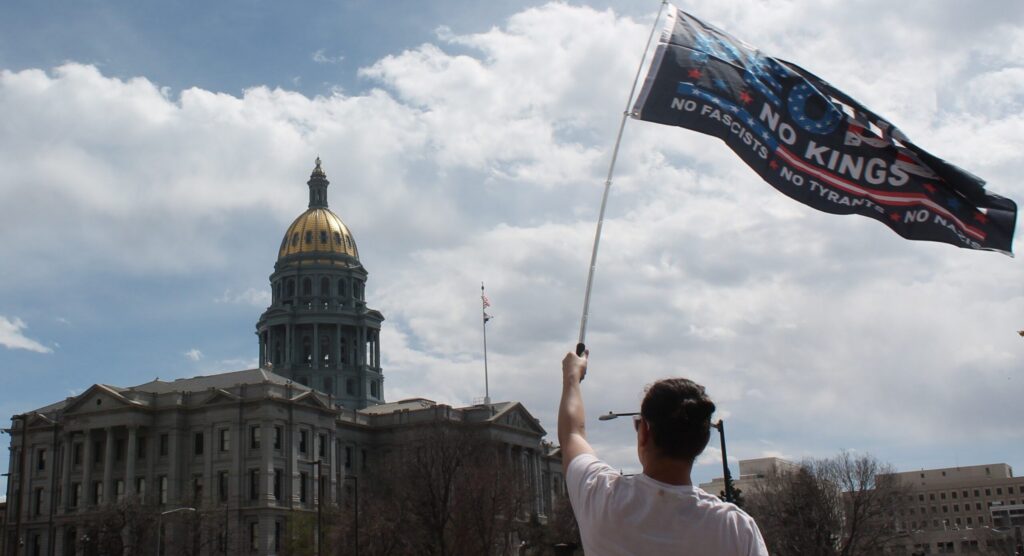
‘No Kings’ protest draws tens of thousands to Colorado state Capitol
Matt Kyle
matt.kyle@denvergazette.com
Updated 12 hours ago
The third round of the national No Kings Day protests hit Denver Saturday, when tens of thousands gathered near the Colorado state Capitol to criticize the Trump administration. Organizers addressing the crowd estimated there were 30,000 present for the Saturday...
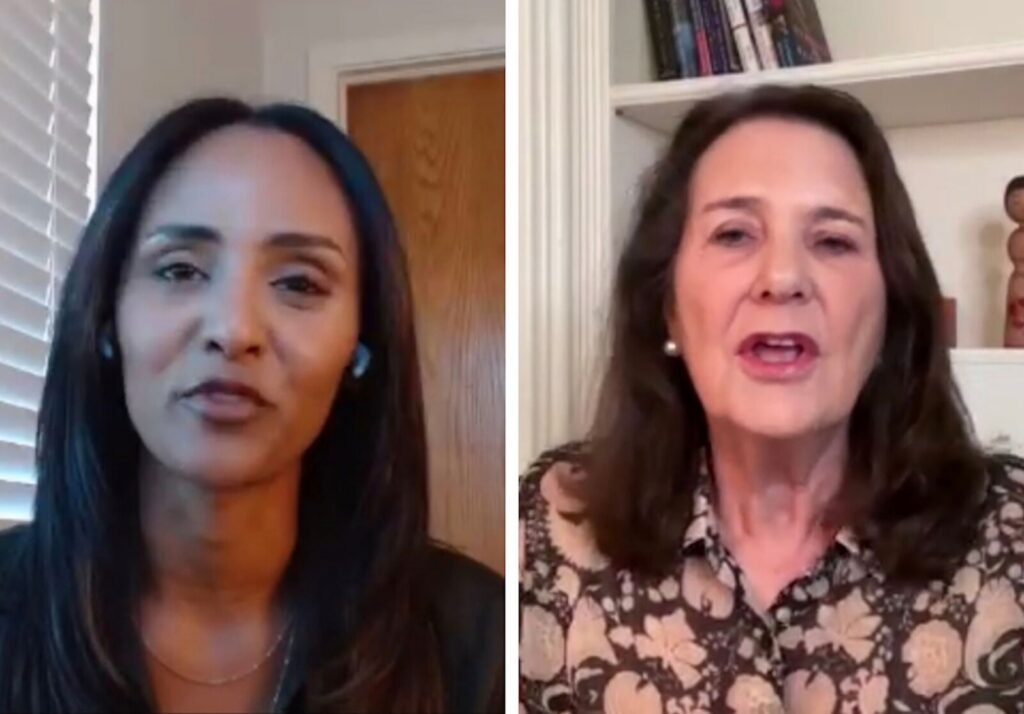
Denver Democrat Diana DeGette trails challenger Melat Kiros at assembly as both qualify for primary
Ernest Luning
ernest.luning@coloradopolitics.com
Updated 20 hours ago
U.S. Rep Diana DeGette, a Denver Democrat, qualified for Colorado’s June primary by the skin of her teeth Friday at the party’s district assembly, where the 15-term incumbent received fewer than half as many delegate votes as her challenger, 28-year-old...

Kwame Spearman warrants plenty of criticism, not cancellation | SONDERMANN
By Eric Sondermann
by-eric-sondermann@coloradopolitics.com
Updated 3 days ago
All of us are flawed humans, some more so than others. This is the tale of Kwame Spearman who burst onto Denver’s business and political scene a handful of years back. His ride has taken a downhill trajectory. Within the...
Colorado Politics Calendar Mar. 30-Apr. 5
Rachael Wright, Special to Colorado Politics
rachael.wright@coloradopolitics.com
Updated 2 days ago
CoPo’s weekly political calendar will help you find political and public-policy events throughout Colorado. It includes candidate and issue campaign events, public policy meetings, court hearings, state and local party conventions, assemblies, debates, rallies, parades, speaking engagements, traveling dignitary appearances,...
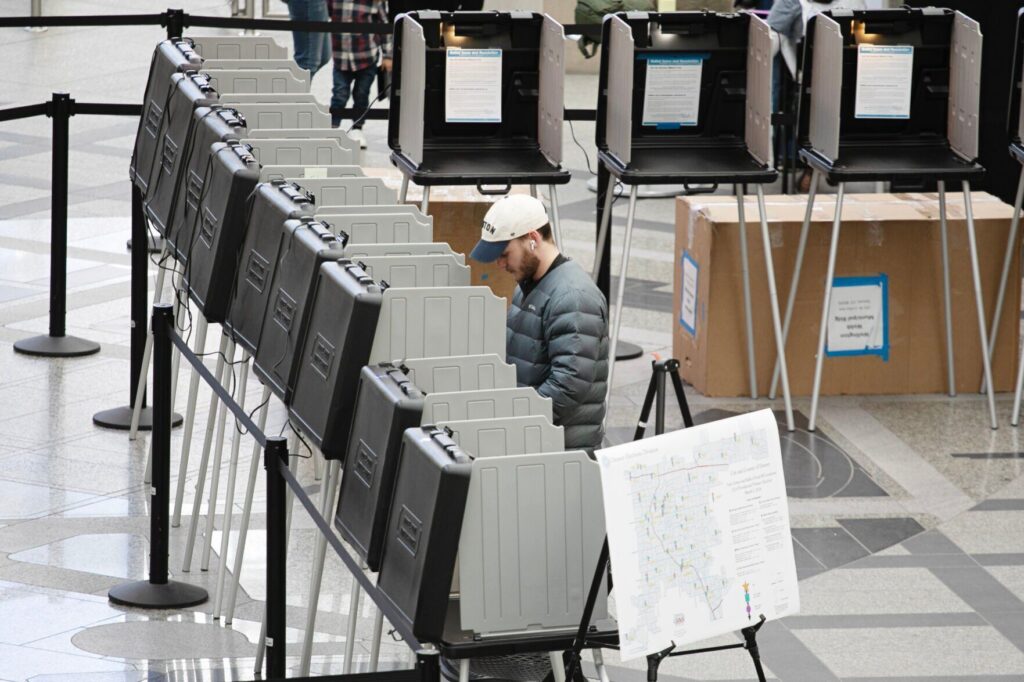
Federal judge upholds constitutionality of Colorado campaign contribution limits
Michael Karlik
michael.karlik@coloradopolitics.com
Updated 1 day ago
A federal judge upheld Colorado’s individual campaign contribution limits as constitutional on Thursday, finding that three Republican plaintiffs failed to prove the campaign finance framework violates their First Amendment rights. U.S. District Court Senior Judge John L. Kane recognized that...
Appeals court rejects theory that existing tax revenue undermines need for new fees
Michael Karlik
michael.karlik@coloradopolitics.com
Updated 2 days ago
Colorado’s second-highest court rejected a plaintiff’s claim on Thursday that the tax revenue generated by an existing activity should prevent local governments from imposing new fees aimed at regulating the activity. The question stemmed from Colorado’s unique constraints on taxation...
Colorado ski resorts announce early closures amid historic snowpack lows, high temperatures
Kyla Pearce
kyla.pearce@gazette.com
Updated 2 days ago
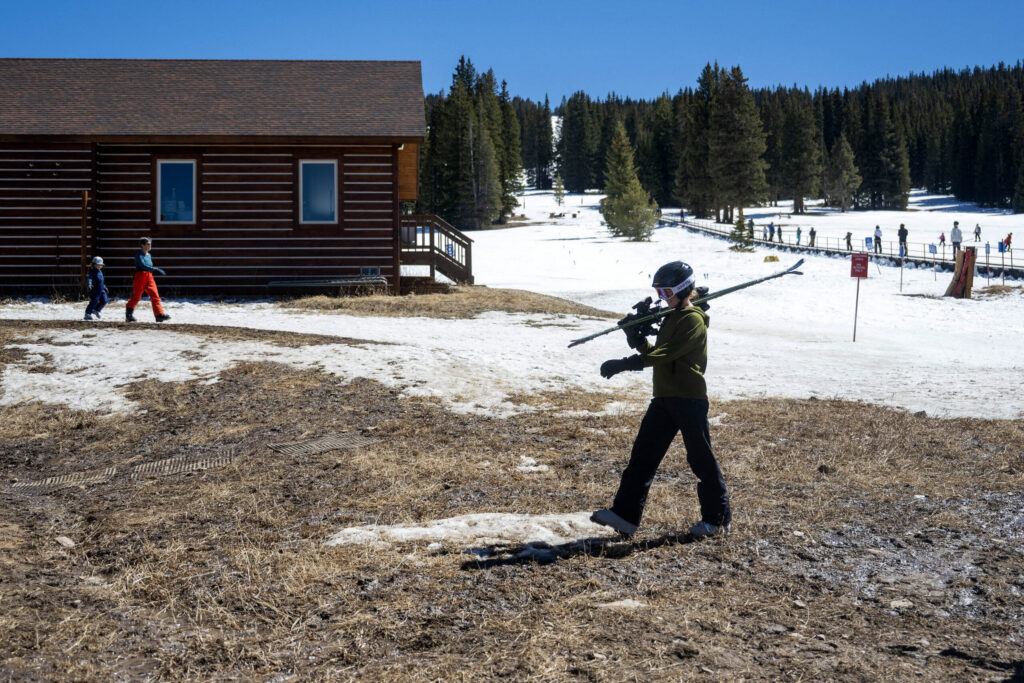
As Colorado’s historically low snowpack year comes to a close and spring conditions take over the mountains, the state’s major ski resorts are announcing closing dates — some of which are weeks before historic closing dates. Most of Colorado’s ski...
Marco Rubio’s star power rises at CPAC 2026
Mabinty Quarshie and Samantha-Jo Roth, Washington Examiner
mabinty.quarshie.and.samantha-jo.roth.washington.examiner@gazetteedit.wpenginepowered.com
Updated 2 days ago
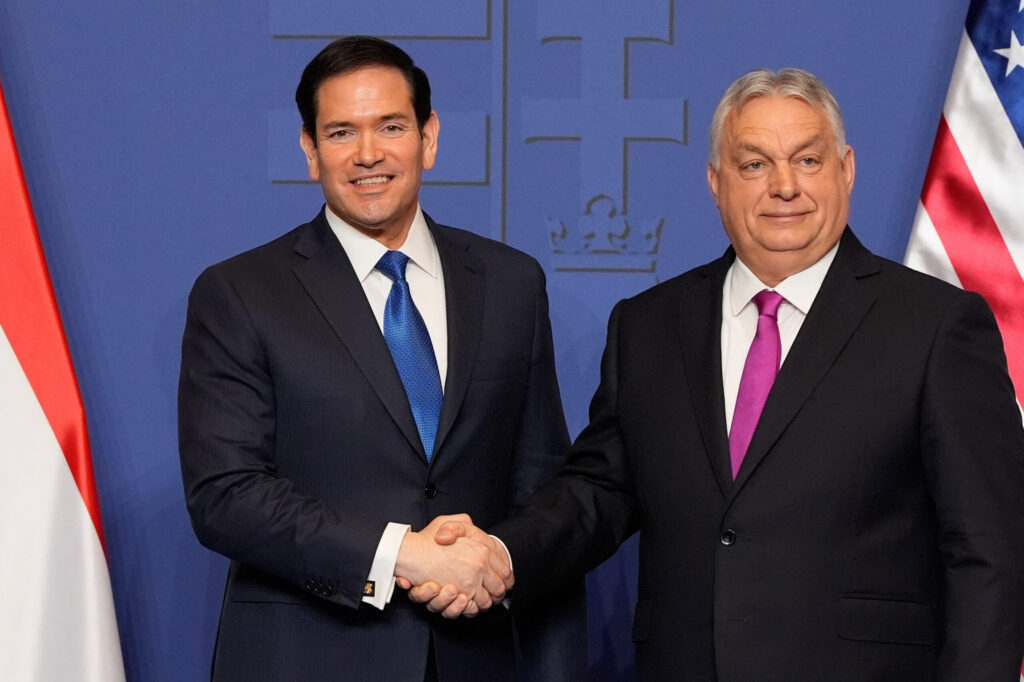
GRAPEVINE, Texas — Secretary of State Marco Rubio’s popularity is growing and could possibly boost him to one of the top two spots in the 2028 GOP presidential race, if attendees at the Conservative Political Action Conference are to be believed. ...
PREV
PREVIOUS

Colorado AARP leaders remind Congress about high drug prices
There’s a lot vying for attention in the nation’s Capitol this week, but AARP leaders, including a contingent from Colorado, asked leaders to keep the high cost of prescription drug prices in mind. Dozens of AARP state directors and volunteers went to Washington, D.C., to make a plea for federal legislation to lower prices. The organization […]

VA worker in Colorado pleads guilty to taking bribes
A former U.S. Department of Veterans Affairs employee in Colorado has pleaded guilty to accepting bribes in exchange for rigging federal contracts. The Denver Post reports 55-year-old Dwane Nevins has pleaded guilty to six corruption-related counts. Authorities say Nevins agreed to take bribes from an undercover FBI agent to manipulate a contract bidding process while […]