

Outdoor industry to Congress: if Trump administration doesn’t resolve trade war, you should
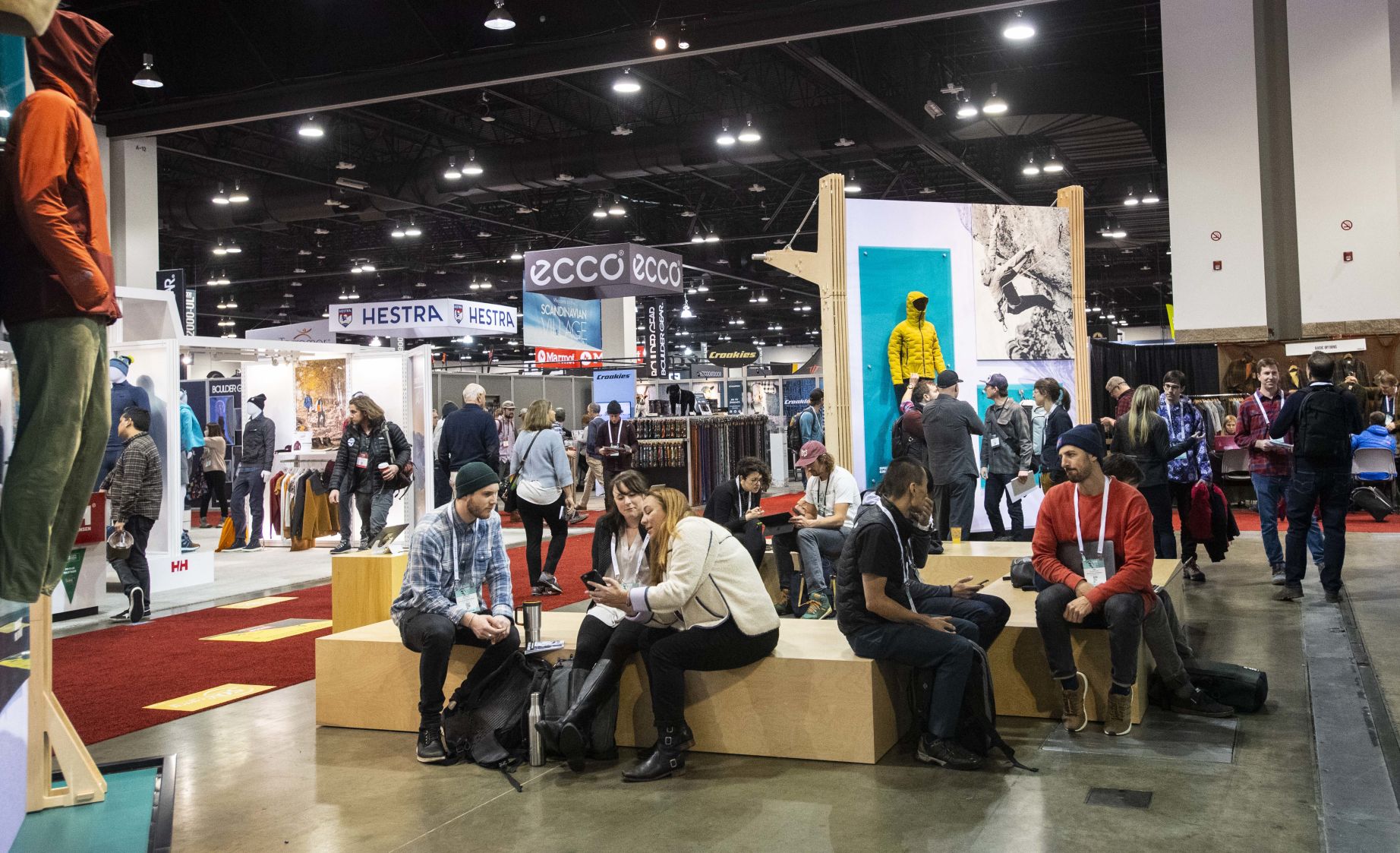
Could you handle a hike in costs on your hiking boots or socks of 50%? That possibility strikes fear into the hearts of the manufacturers of outdoor products, and they’re calling on Congress to assert its authority on trade policy and for the Trump administration to put an end to what they call punitive and destructive tariffs on outdoor products in the trade war with China.
Four of the nation’s top outdoor products companies — along with representatives of the Outdoor Industry Association, based in Boulder — talked to reporters Thursday about meetings on Capitol Hill taking place throughout the day and their calls for an end to the trade dispute.
Those meetings have included visits to members of Congress, including with U.S. Sen. Michael Bennet of Colorado.
An increase in tariffs on outdoor products — from 25% to 30% — is expected to go into effect in October, outdoor company reps said Thursday.
President Donald Trump announced Wednesday the imposition of those higher tariffs would be delayed by two weeks, to Oct. 15, as a “gesture of good will” as the two nations continue to negotiate a trade agreement. That’s encouraging, the outdoor reps said, but more action is needed.
Another round of tariffs, also affecting outdoor products, is slated for December, industry leaders said. Eventually, those tariffs are going to be passed on to consumers, increasing prices on some products by as much as 50%, they predicted.
Patricia Rojas-Ungar, the Outdoor Industry Association’s vice president of government affairs, said that over the past year, the industry has shelled out $1.8 billion more in tariffs than in the previous year, and since the start of the trade war, tariffs have cost the industry $2.8 billion more.
That’s leading some companies to make hard decisions about innovation and jobs.
Brent Merriam, CEO of Nemo Equipment, based in New Hampshire, said his company, which makes sleeping bags and tents, has paid out $175,000 in punitive tariffs, forcing him to put on hold hiring for high-paying jobs, such as an international sales director.
The company also has delayed plans to invest in a research and development lab that would help grow its product pipeline, which he attributed to uncertainty over future tariffs.
Merriam also addressed comments by Trump that U.S. companies should just move out of China. Nemo has done some of that, he said, but “it’s taken a toll” from moving production to other countries and the costs to train the workers. It’s forced Nemo to redirect resources to find new supply chains instead of innovating new products, he said.
“I’m concerned it will hurt us” in a couple of years, he said.
VF Corp., owner of outdoor brands like Timberland and The North Face and sponsor of the recently-concluded Colorado Classic women’s pro cycling race, has just moved its corporate headquarters to Denver. But Joel Cohen, who manages government affairs for VF, said the tariffs are slowing the company’s efforts to hire new employees, especially entry-level positions.
“Tariffs are putting a strain on our plans for the future,” Cohen said.
Even companies that manufacture in the United States are feeling the pinch, and claim the tariffs are resulting in an incentive to move jobs out of the United States rather than creating more jobs here.
Nester Hosiery manufactures 10 million socks per year in North Carolina, with 90% sold in the United States. But the tariffs are hitting that company hard on the Merino wool it imports from China, said Katie Kumerow, Nester’s sustainability manager. The tariff on wool is 25%, but on manufactured socks it’s just 10%, which she called an incentive to buy finished products from China instead of making them in North Carolina. That’s money that could be spent on jobs and innovation, she said.
Rojas-Ungar of the Outdoor Industry Association said the message the industry is sending to the Trump administration is to conclude the agreement with China, and if that doesn’t happen, Congress should step in and assert its long-time trade authority, which so far it hasn’t done.
They’re also asking Congress to hold hearings on the impact of the tariffs on American families and businesses.
“Not one hearing has been proposed to talk about what’s happening on the ground,” she said. “We’d like to see more members of Congress talking about this” and to find an alternative solution to pressure the Chinese government on a deal rather than using tariffs, she added.


Unsustainable: How Colorado’s Medicaid spending exploded
Nico Brambila
nico.brambila@denvergazette.com
Updated 4 hours ago
The state’s Medicaid program — which covers about one in four Coloradans — is poised for its largest single-year jump in at least two decades, with officials proposing a $2.3 billion increase, even as lawmakers face a $1.5 billion budget...
Phil Weiser wins top spot in Colorado’s Democratic gubernatorial primary at party’s state assembly
Ernest Luning
ernest.luning@coloradopolitics.com
Updated 1 day ago
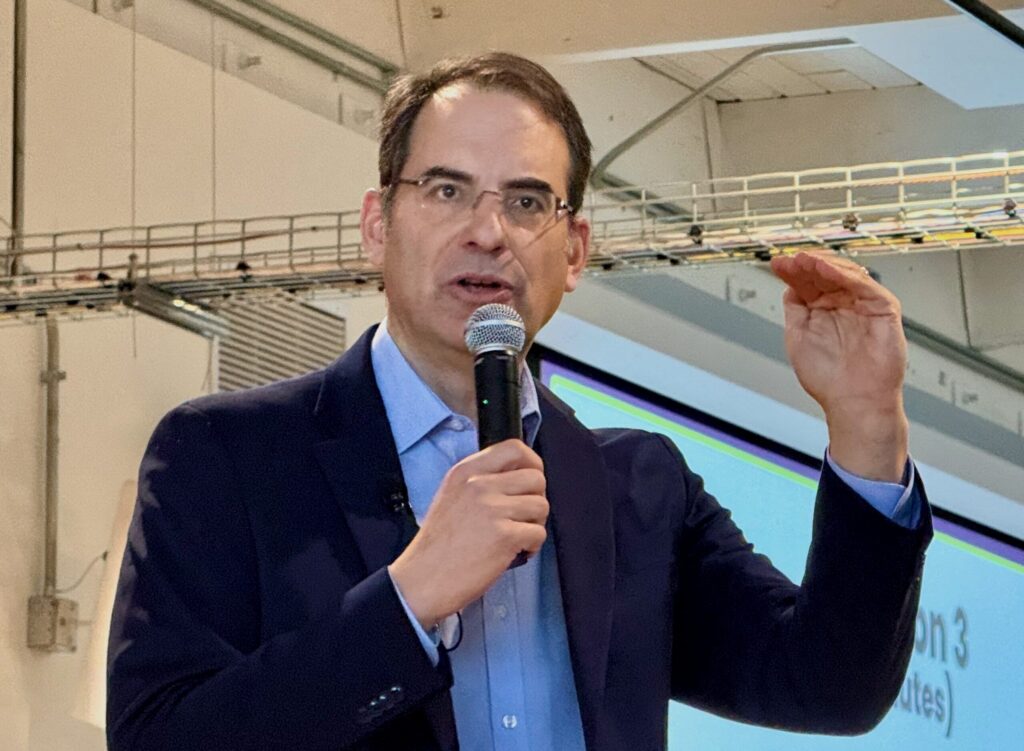
Attorney General Phil Weiser’s name will appear first on Colorado’s Democratic gubernatorial primary ballot after his overwhelming win Saturday at the party’s state assembly in Pueblo. Weiser joins U.S. Sen. Michael Bennet in the June 30 primary for the office...
‘No Kings’ protest draws tens of thousands to Colorado state Capitol
Matt Kyle
matt.kyle@denvergazette.com
Updated 1 day ago
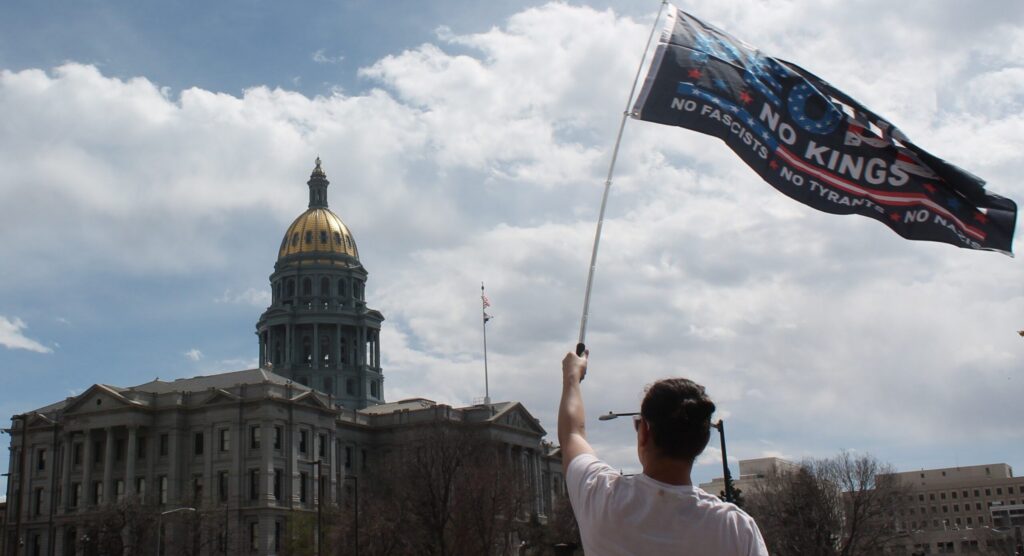
The third round of the national No Kings Day protests hit Denver Saturday, when tens of thousands gathered near the Colorado state Capitol to criticize the Trump administration. Organizers addressing the crowd estimated there were 30,000 present for the Saturday...
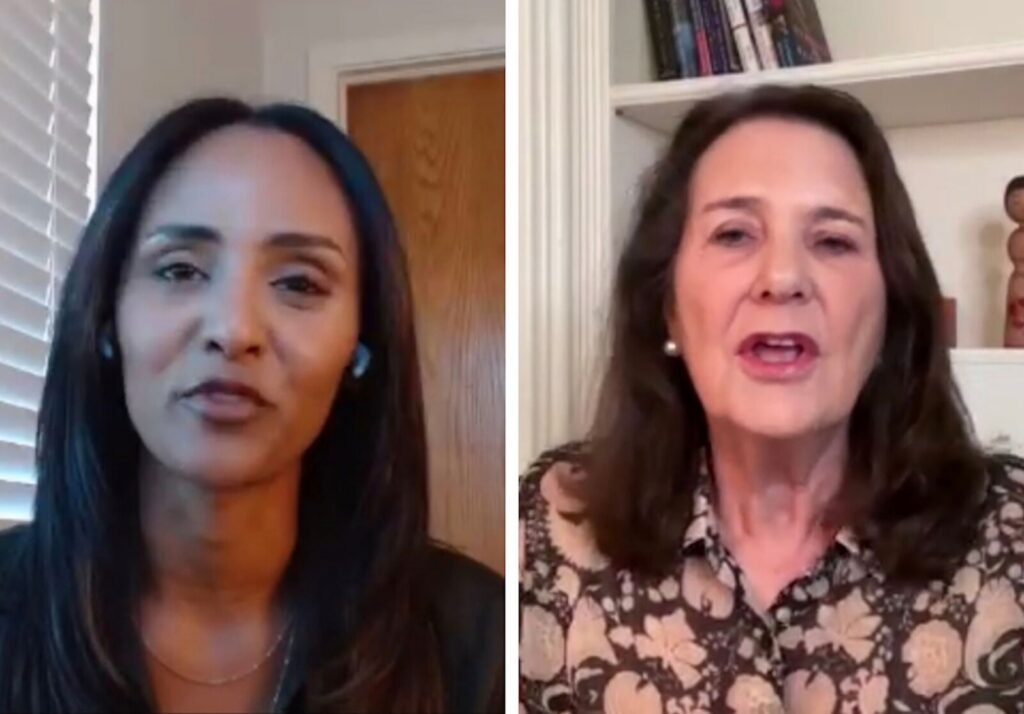
Denver Democrat Diana DeGette trails challenger Melat Kiros at assembly as both qualify for primary
Ernest Luning
ernest.luning@coloradopolitics.com
Updated 1 day ago
U.S. Rep Diana DeGette, a Denver Democrat, qualified for Colorado’s June primary by the skin of her teeth Friday at the party’s district assembly, where the 15-term incumbent received fewer than half as many delegate votes as her challenger, 28-year-old...
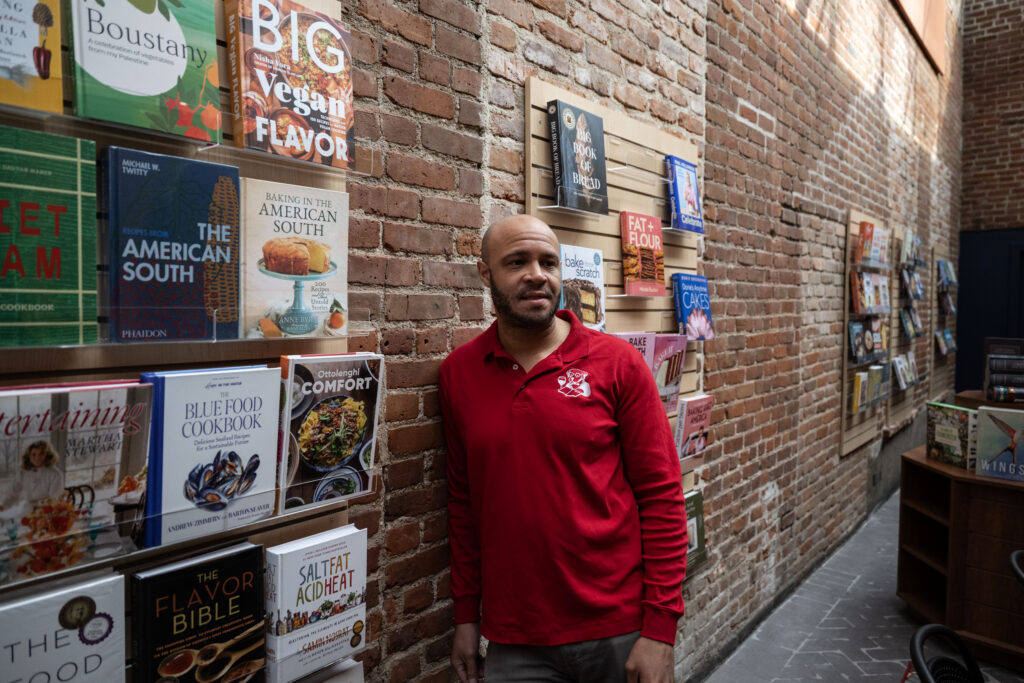
Kwame Spearman warrants plenty of criticism, not cancellation | SONDERMANN
By Eric Sondermann
by-eric-sondermann@coloradopolitics.com
Updated 3 days ago
All of us are flawed humans, some more so than others. This is the tale of Kwame Spearman who burst onto Denver’s business and political scene a handful of years back. His ride has taken a downhill trajectory. Within the...

Colorado Politics Calendar Mar. 30-Apr. 5
Rachael Wright, Special to Colorado Politics
rachael.wright@coloradopolitics.com
Updated 3 days ago
CoPo’s weekly political calendar will help you find political and public-policy events throughout Colorado. It includes candidate and issue campaign events, public policy meetings, court hearings, state and local party conventions, assemblies, debates, rallies, parades, speaking engagements, traveling dignitary appearances,...
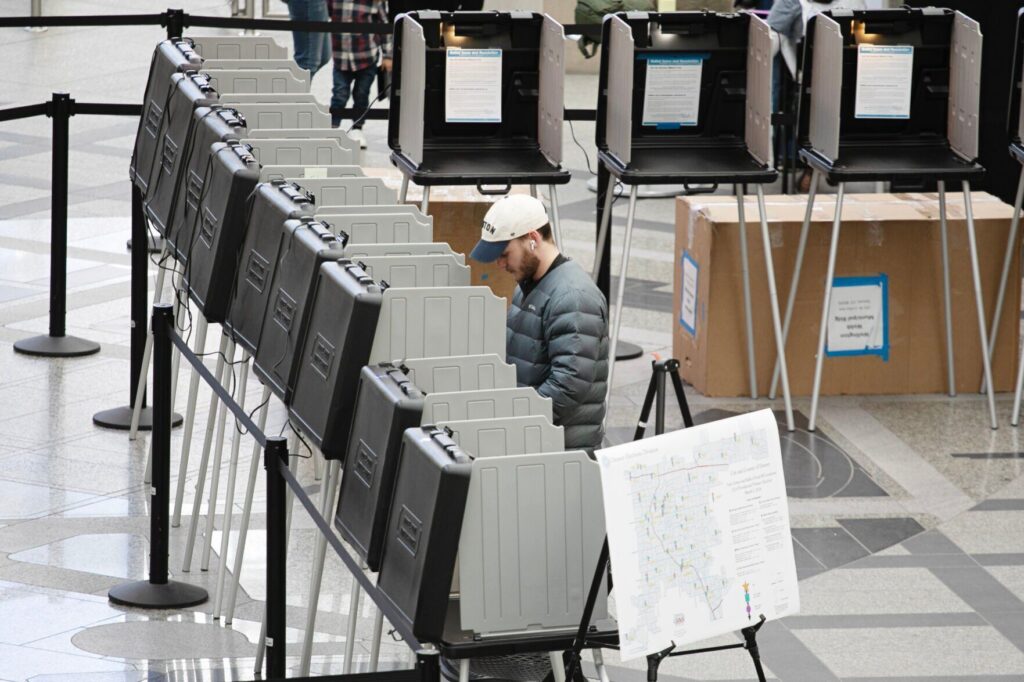
Federal judge upholds constitutionality of Colorado campaign contribution limits
Michael Karlik
michael.karlik@coloradopolitics.com
Updated 2 days ago
A federal judge upheld Colorado’s individual campaign contribution limits as constitutional on Thursday, finding that three Republican plaintiffs failed to prove the campaign finance framework violates their First Amendment rights. U.S. District Court Senior Judge John L. Kane recognized that...
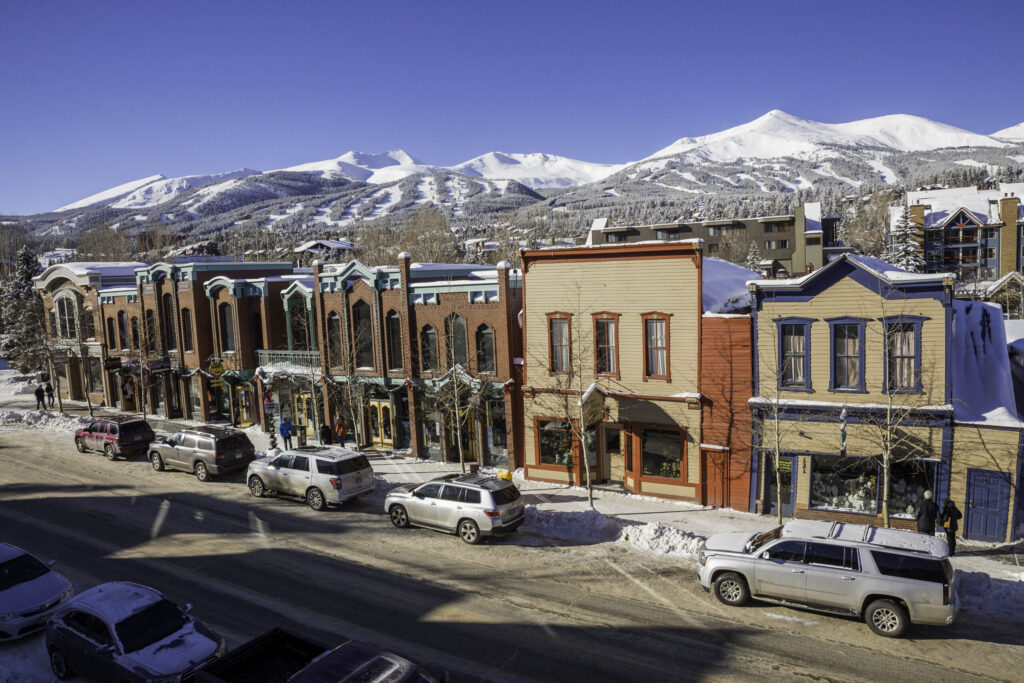
Appeals court rejects theory that existing tax revenue undermines need for new fees
Michael Karlik
michael.karlik@coloradopolitics.com
Updated 2 days ago
Colorado’s second-highest court rejected a plaintiff’s claim on Thursday that the tax revenue generated by an existing activity should prevent local governments from imposing new fees aimed at regulating the activity. The question stemmed from Colorado’s unique constraints on taxation...
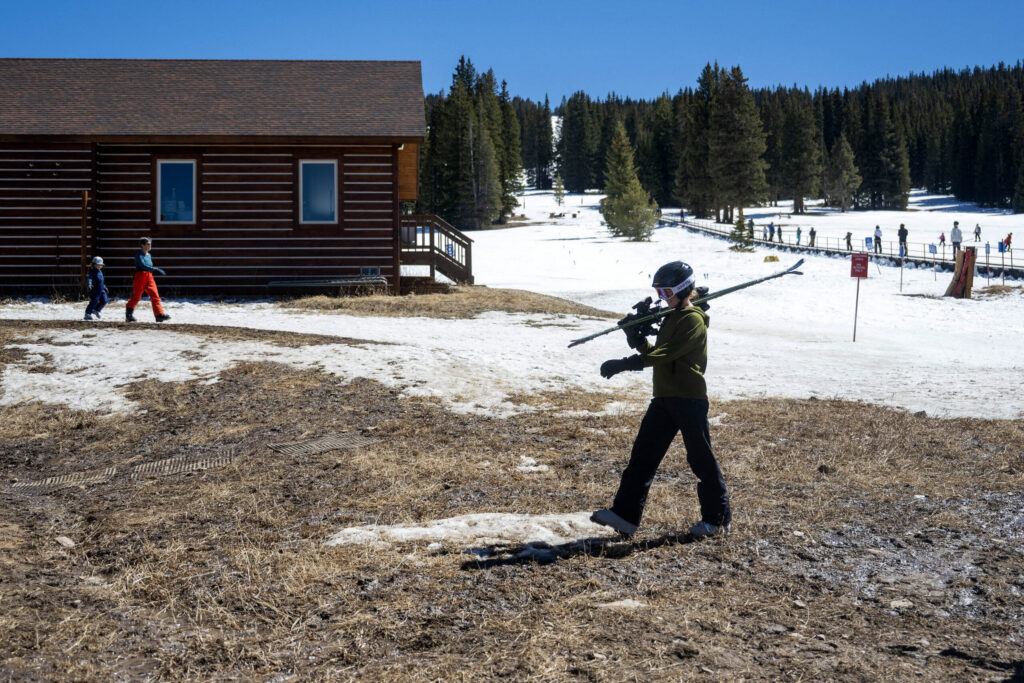
Colorado ski resorts announce early closures amid historic snowpack lows, high temperatures
Kyla Pearce
kyla.pearce@gazette.com
Updated 2 days ago
As Colorado’s historically low snowpack year comes to a close and spring conditions take over the mountains, the state’s major ski resorts are announcing closing dates — some of which are weeks before historic closing dates. Most of Colorado’s ski...
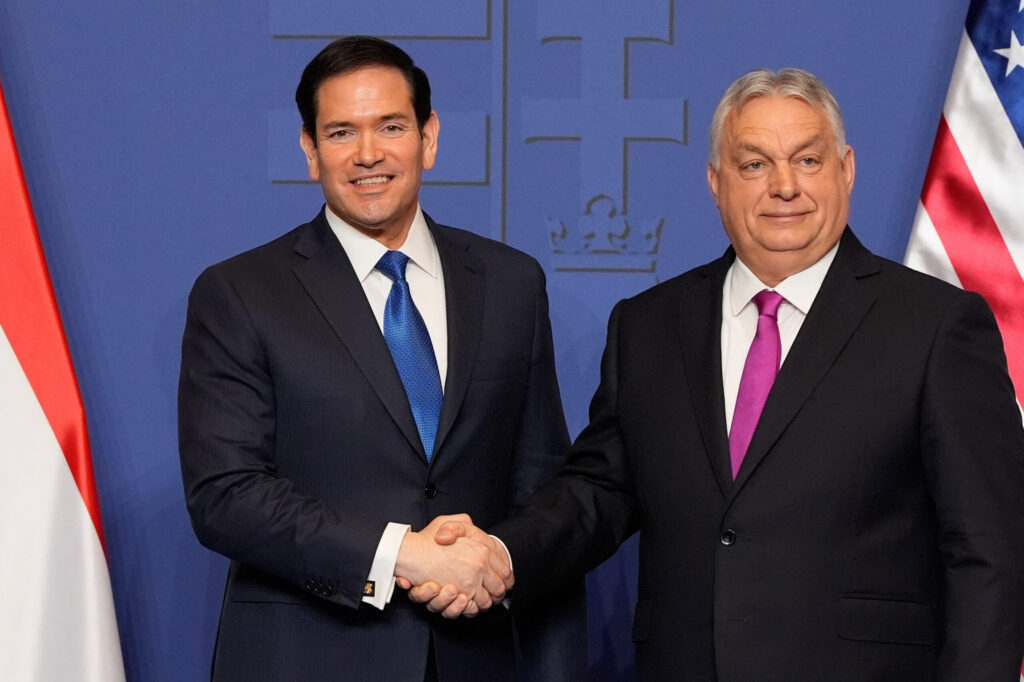
Marco Rubio’s star power rises at CPAC 2026
Mabinty Quarshie and Samantha-Jo Roth, Washington Examiner
mabinty.quarshie.and.samantha-jo.roth.washington.examiner@gazetteedit.wpenginepowered.com
Updated 2 days ago
GRAPEVINE, Texas — Secretary of State Marco Rubio’s popularity is growing and could possibly boost him to one of the top two spots in the 2028 GOP presidential race, if attendees at the Conservative Political Action Conference are to be believed. ...
PREV
PREVIOUS
Who will stand out? With Bennet on sidelines, top 2020 Democrats face pivotal debate tonight
HOUSTON – Despite the miles traveled, the tens of millions of dollars raised and the ceaseless churn of policy papers, the Democratic primary has been remarkably static for months with Joe Biden leading in polls and Elizabeth Warren and Bernie Sanders vying to be the progressive alternative. That stability is under threat on Thursday night. […]

Trump administration drops Obama-era water protection rule
The Trump administration on Thursday revoked an Obama-era regulation that shielded many U.S. wetlands and streams from pollution but was opposed by developers and farmers who said it hurt economic development and infringed on property rights. Environmental groups criticized the administration’s action, the latest in a series of moves to roll back environmental protections put […]