

No September debate for Bennet; adviser demands answers from DNC on ‘secretive’ rules
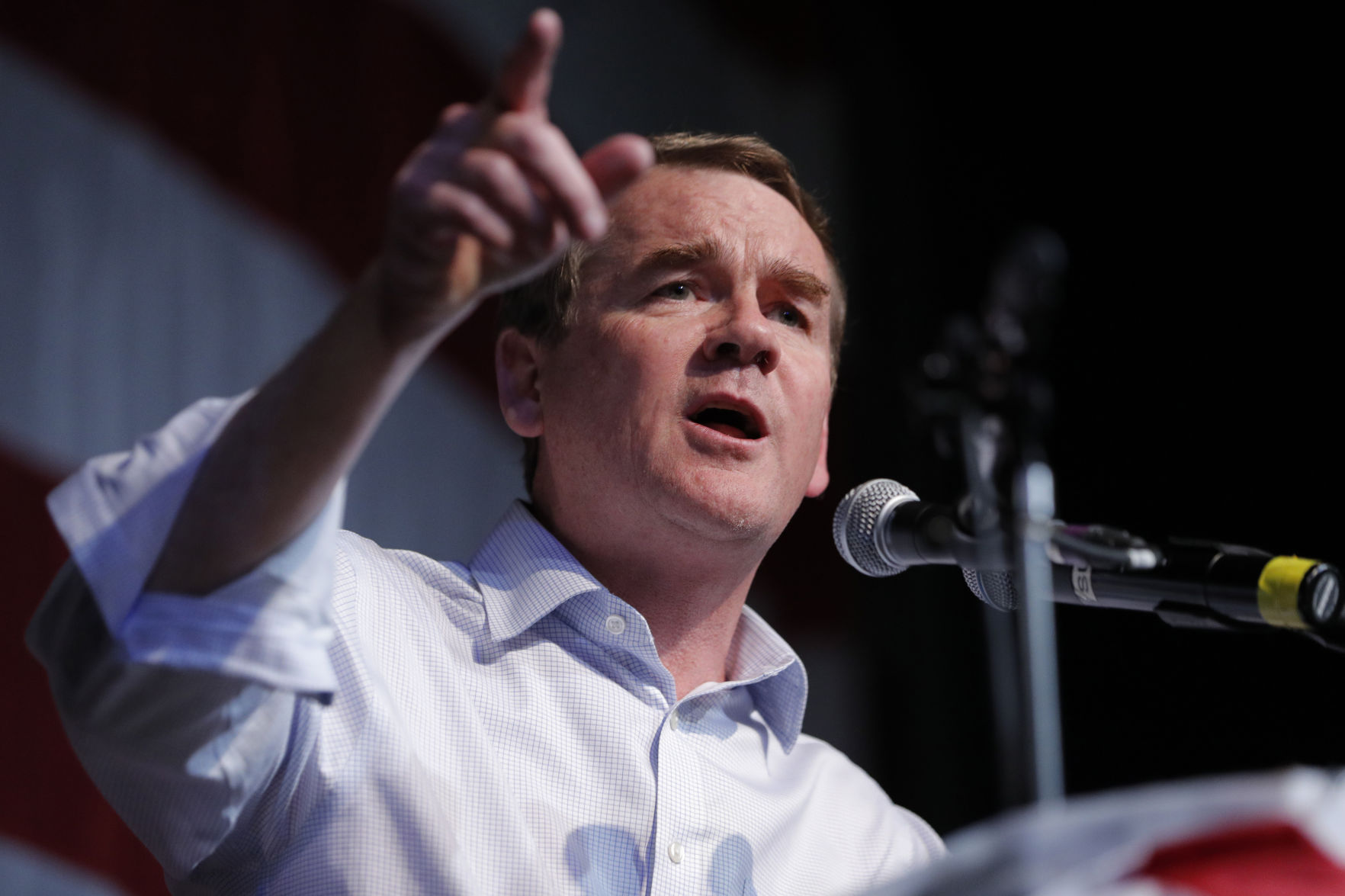
With U.S. Sen. Michael Bennet not qualifying for the third Democratic presidential primary debate in September, his top campaign adviser is asking the Democratic National Committee to explain its requirements for eight additional debates the party plans to sponsor.
At the same time, Bennet adviser Craig Hughes said in a statement, “[D]espite the DNC’s opaque and arbitrary rules,” Bennet plans to move “full steam ahead” with an “insurgent campaign” focused on early primary states.
“To date, the DNC has not provided information on how or why its unprecedented debate qualification requirements were set nor what the criteria will be for the eight future debates,” Hughes wrote in a letter to DNC Chairman Tom Perez that the campaign also released to the press.
“The least we owe the Democratic voters is transparency about why and how decisions are being made on their behalf to ensure a fair process as the primary continues.”
(Read the questions submitted to Perez by Hughes below.)
Debate organizers last night made official what Bennet had already acknowledged: He will not be among the 10 candidates invited to the Sept. 12 debate in Houston because they hit polling and fundraising benchmarks.
Ten Democratic presidential candidates made the cut: Joe Biden, Cory Booker, Pete Buttigieg, Julián Castro, Kamala Harris, Amy Klobuchar, Beto O’Rourke, Bernie Sanders, Elizabeth Warren and Andrew Yang.
About an equal number — including Bennet — will be left sidelined as the nominating contest moves into what some have characterized as the next phase of the campaign, when the historically high number of candidates could begin to dwindle rapidly.
Hours ahead of the midnight-Wednesday debate deadline, New York Sen. Kirsten Gillibrand announced she was dropping out of the race after spending at least $4 million on advertising in recent months to qualify.
Also among those to be excluded from the debate stage: Billionaire climate change activist Tom Steyer, Montana Gov. Steve Bullock, self-help guru Marianne Williamson and Hawaii Rep. Tulsi Gabbard.
The debate will be broadcast by ABC, carried in Denver on KMGH-Channel 7 and in Colorado Springs by KRDO-Channel 13.
Candidates were given until midnight Wednesday to score at least 2% in four approved polls and receive contributions from at least 130,000 unique donors to make the Houston debate, under rules established earlier this year by the DNC.
Bennet and former Colorado Gov. John Hickenlooper, who dropped his White House bid earlier this month, both had qualified under looser requirements for the first two primary debates in June and July. Bennet, however, didn’t come close to reaching the more demanding requirements for September’s faceoff.
Democrats will have another month to reach the same goals in order to land on stage for the fourth debate in October, but the DNC hasn’t released its criteria for the eight subsequent debates the party has said it plans to sponsor before next summer.
The DNC didn’t immediately respond to a request for comment from Colorado Politics.
Bennet has been blasting the DNC’s debate requirements for weeks, including at a DNC meeting last weekend in San Francisco.
“I’m ready to lead our party to victory next November, but I gotta be honest, and I say it with love, the DNC’s process is stifling debate at a time when we need it most,” Bennet said during a meet-the-candidates speech as Perez sat without expression alongside him.
“If we wanted to be the party that excluded people, we’d be Republicans,” Bennet continued. “These rules have created exactly the wrong outcomes. And they will not help us beat Donald Trump. I’m not going to be on the debate stage next month, but I am going to be out in Iowa and New Hampshire and South Carolina and Nevada building the constituency for change this country needs.”
Even though he won’t be on stage next month, Bennet plans to continue campaigning in Iowa, including opening a new office in the early caucus state of Iowa, Hughes said.
“We have budgeted for the long haul and are prepared to run an insurgent campaign,” he said. “At the end of the day, Michael will win this race the way he always has: by connecting with voters and presenting a compelling and unifying vision for our country.”
Below are the questions Hughes sent to Perez:
1. Why didn’t you consult DNC membership – which is the governing body of the Democratic Party – or state parties in designing the debate process and criteria?
2. Why hasn’t the DNC informed campaigns of the entry requirements and qualifying deadlines for upcoming debates 5, 6, 7, 8, 9, 10, 11, and 12 so each campaign can plan its strategy accordingly and have confidence that the DNC is not moving the bar on behalf of the frontrunners’ campaigns?
3. If the rules have not been finalized for the next set of debates, why hasn’t this happened yet and when do you expect to get around to it?
4. Who at the DNC decided which polls would be sanctioned? What was the specific criteria for allowing certain polls and not others, and why has that not been publicly disclosed? For example, why are polls from reputable polling organizations, such as Suffolk University, Marist College, and Siena College, excluded from the DNC’s approved list?
5. Why were polling organizations that were permissible in debates 1 and 2 deemed no longer permissible in Debates 3 and 4?
6. With whom did you consult to determine the donor threshold, and what is the significance of that particular number?
7. Was anyone who is now on the staff of a presidential campaign consulted about the debate qualification rules?
8. What campaigns will you consult moving forward, and if not all of them, why not?
9. Why is the DNC in an unprecedented rush to eliminate candidates from a volatile field five months before the first vote is cast?
10. Did the DNC consult with television networks on the debate requirements? Are television networks making decisions to limit candidates from the debate?
11. Why are candidates prohibited from participating in non-DNC forums and debates that would allow the voters the opportunity to hear in-depth discussion given the DNC’s refusal to hold issue-specific debates?

Kentucky Gov. Andy Beshear set to headline Colorado Democrats’ annual fundraising dinner
Ernest Luning
ernest.luning@coloradopolitics.com
Updated 4 days ago
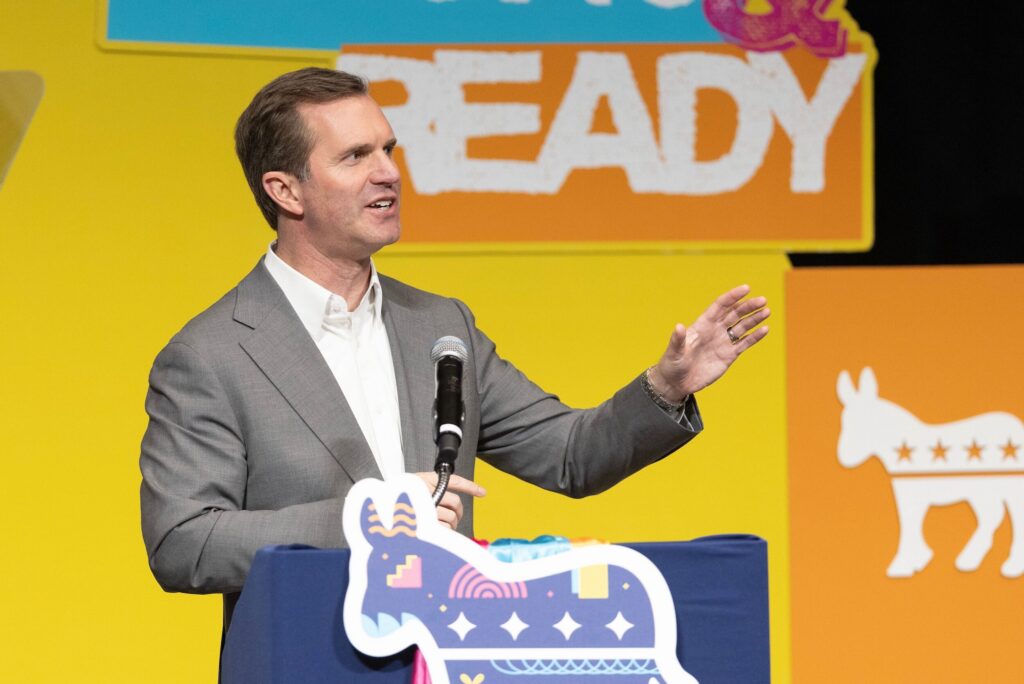
Kentucky Gov. Andy Beshear, one of the Democrats’ top 2028 presidential prospects, is scheduled to deliver the keynote address at the Colorado Democratic Party’s annual fundraising dinner in June in Denver, the party said Friday. Serving his second term as...
Colorado sues Trump administration over elections order
Marissa Ventrelli
marissa.ventrelli@coloradopolitics.com
Updated 11 hours ago
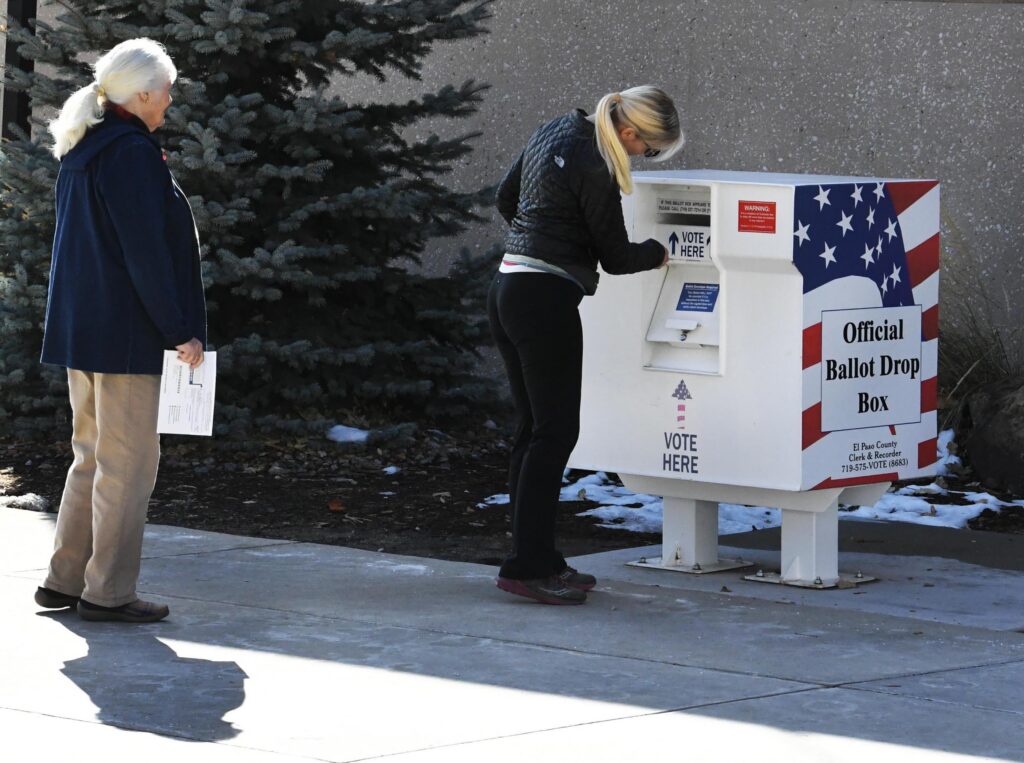
Colorado has joined a coalition of states in suing President Donald Trump over his new executive order on elections, arguing the directive unlawfully intrudes on their authority to run their own voting systems and threatens access to mail ballots for...
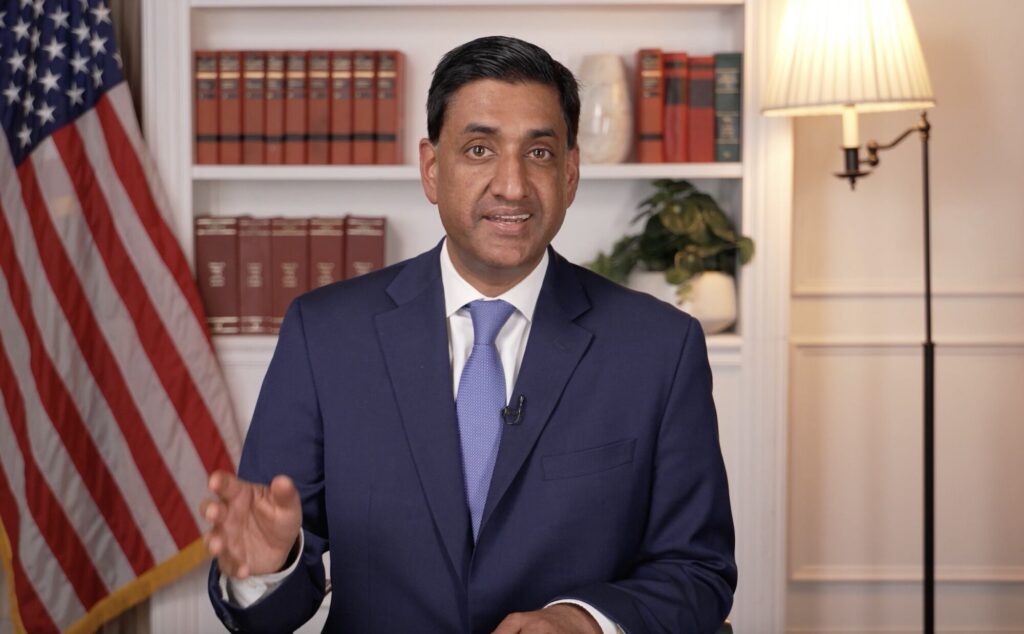
Denver Democrat Neal Walia lands endorsement from Ro Khanna in Colorado’s state House District 9
Ernest Luning
ernest.luning@coloradopolitics.com
Updated 11 hours ago
California Rep. Ro Khanna on Friday endorsed legislative candidate Neal Walia in the race for an open state House seat, praising the Denver Democrat’s commitment to public service and progressive goals. Walia, who mounted an unsuccessful challenge against U.S. Rep....
Redistricting fight escalates as Colorado Title Board clears competing ballot proposals
Marianne Goodland
marianne.goodland@coloradopolitics.com
Updated 4 days ago
Colorado’s title board on Wednesday gave final approval to multiple ballot measures related to congressional redistricting, setting up a series of proposals that could alter how the state draws its U.S. House districts for the 2028 and 2030 elections. The...
Judge rules that Colorado law makes it too hard for parties to bar unaffiliated voters from primaries
Ernest Luning
ernest.luning@coloradopolitics.com
Updated 5 days ago
A federal judge ruled in favor of the Colorado Republican Party late Tuesday, saying that a portion of the state law that allows unaffiliated voters to cast ballots in party primaries is unconstitutional because it imposes an unrealistic burden on...
Colorado leaders say Trump’s executive order targeting mail voting violates state election authority
Marissa Ventrelli
marissa.ventrelli@coloradopolitics.com
Updated 6 days ago
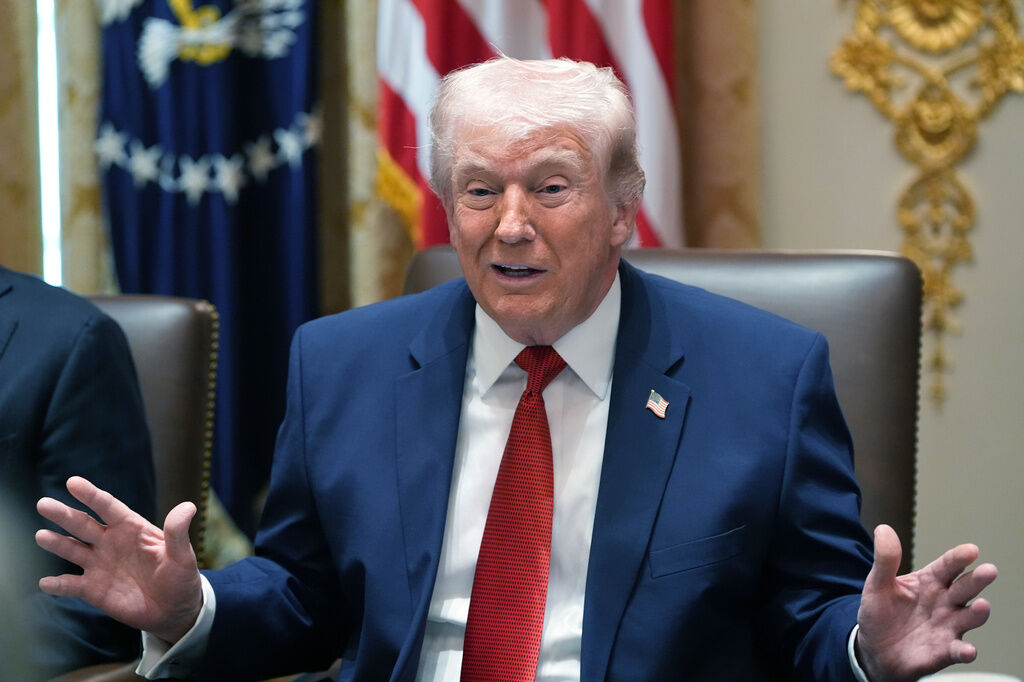
Colorado leaders criticized President Donald Trump’s new executive order issued Tuesday, arguing that its creation of a national voter‑eligibility list and new limits on mail voting violate states’ constitutional authority to run their own elections. President Donald Trump has frequently...
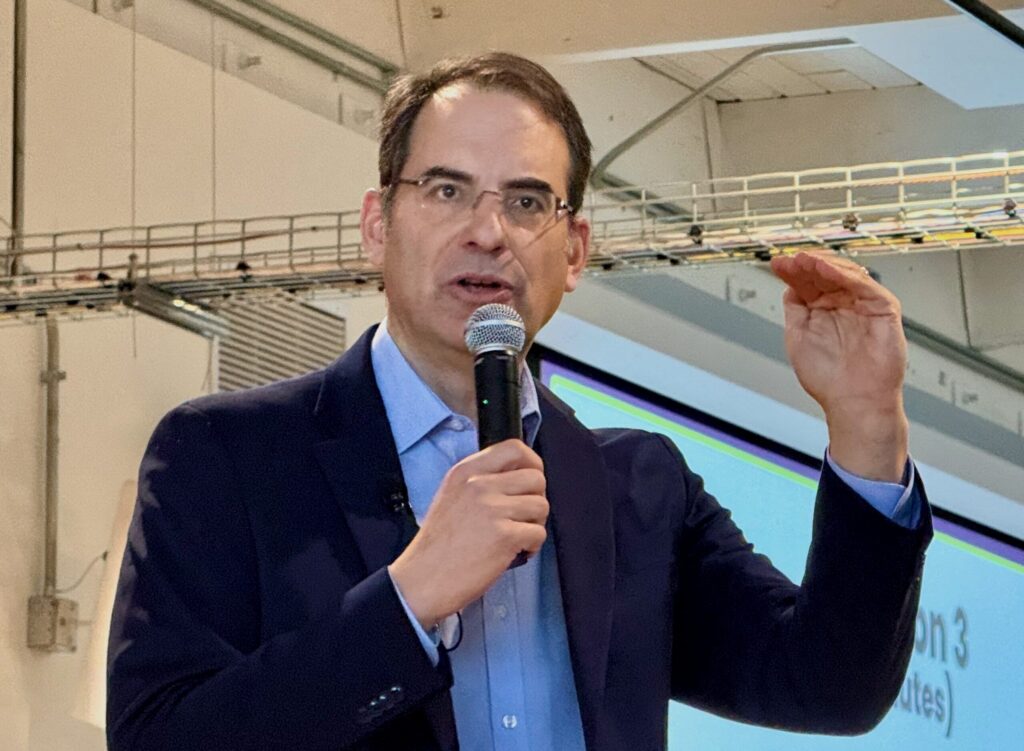
Phil Weiser wins top spot in Colorado’s Democratic gubernatorial primary at party’s state assembly
Ernest Luning
ernest.luning@coloradopolitics.com
Updated 1 week ago
Attorney General Phil Weiser’s name will appear first on Colorado’s Democratic gubernatorial primary ballot after his overwhelming win Saturday at the party’s state assembly in Pueblo. Weiser joins U.S. Sen. Michael Bennet in the June 30 primary for the office...
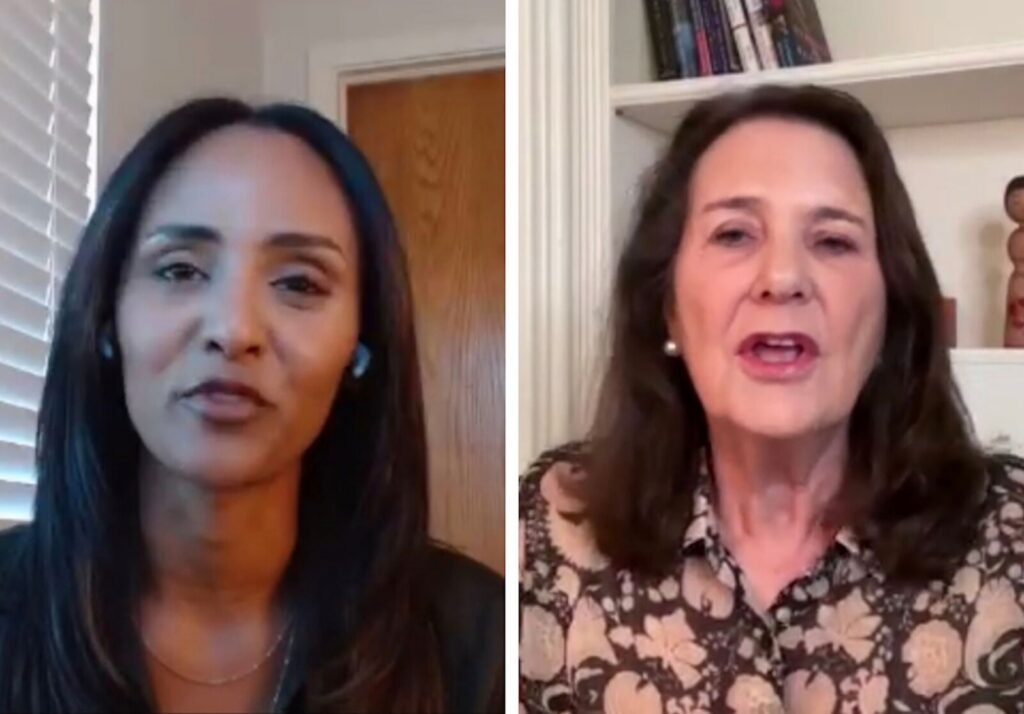
Denver Democrat Diana DeGette trails challenger Melat Kiros at assembly as both qualify for primary
Ernest Luning
ernest.luning@coloradopolitics.com
Updated 7 days ago
U.S. Rep Diana DeGette, a Denver Democrat, qualified for Colorado’s June primary by the skin of her teeth Friday at the party’s district assembly, where the 15-term incumbent received fewer than half as many delegate votes as her challenger, 28-year-old...
Federal judge upholds constitutionality of Colorado campaign contribution limits
Michael Karlik
michael.karlik@coloradopolitics.com
Updated 1 week ago
A federal judge upheld Colorado’s individual campaign contribution limits as constitutional on Thursday, finding that three Republican plaintiffs failed to prove the campaign finance framework violates their First Amendment rights. U.S. District Court Senior Judge John L. Kane recognized that...
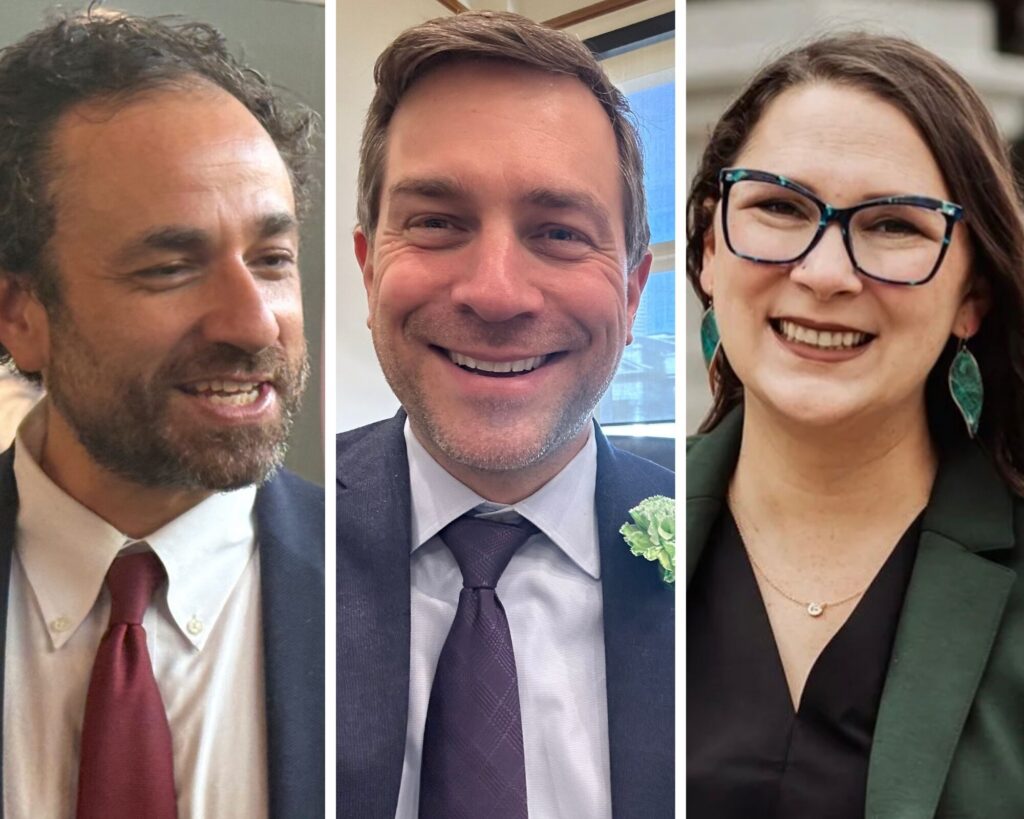
Seligman, Bridges, Gonzales lead downballot races heading into Colorado Democrats’ state assembly
Ernest Luning
ernest.luning@coloradopolitics.com
Updated 2 weeks ago
As Colorado Democrats prepare to designate candidates to the June primary ballot at the party’s state assembly in Pueblo on Saturday, three candidates appear poised to win top-line designation in downballot statewide races, according to data compiled by the state...
PREV
PREVIOUS

Hickenlooper's entry into Senate race sparks a Democratic family feud
Barely into his 2020 U.S. Senate campaign, John Hickenlooper already has been compared — and not as a compliment — to fellow Democrat Joe Biden, former Democrat Joe Lieberman and Republican Cory Gardner, whose Senate seat the former two-term governor is seeking. And in large part, that’s coming from members of his own party. State […]

Nancy Pelosi: Colorado 'leading the way' on affordable health care
BROOMFIELD ? U.S. Speaker of the House Nancy Pelosi said Wednesday that she is “very proud” of Gov. Jared Polis and Colorado for working to protect the Affordable Care Act. The California Democrat, her party’s highest-ranking member of Congress, visited Broomfield for a panel discussion on health care with U.S. Rep. Joe Neguse, D-Lafayette, and Colorado […]