

Coalition launches water education campaign dubbed "For the Love of Colorado"
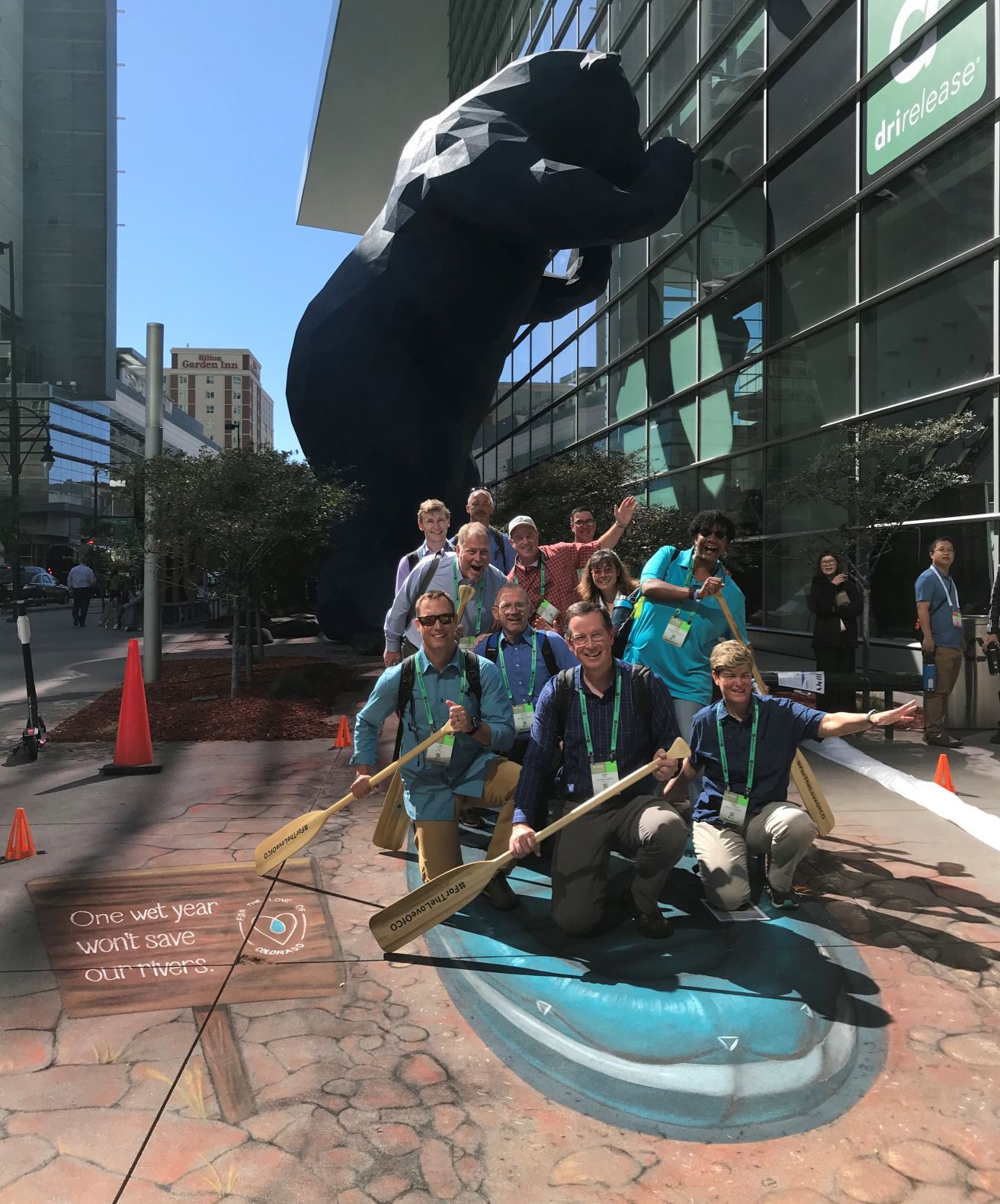
Coming soon to a billboard or bus kiosk near you: An ad campaign that’s intended to educate Coloradans, especially those in urban communities, about the importance of Colorado’s water future.
And what better place to launch than at the world’s leading business-to-business outdoor sports show, the Outdoor Retailer Summer Market?
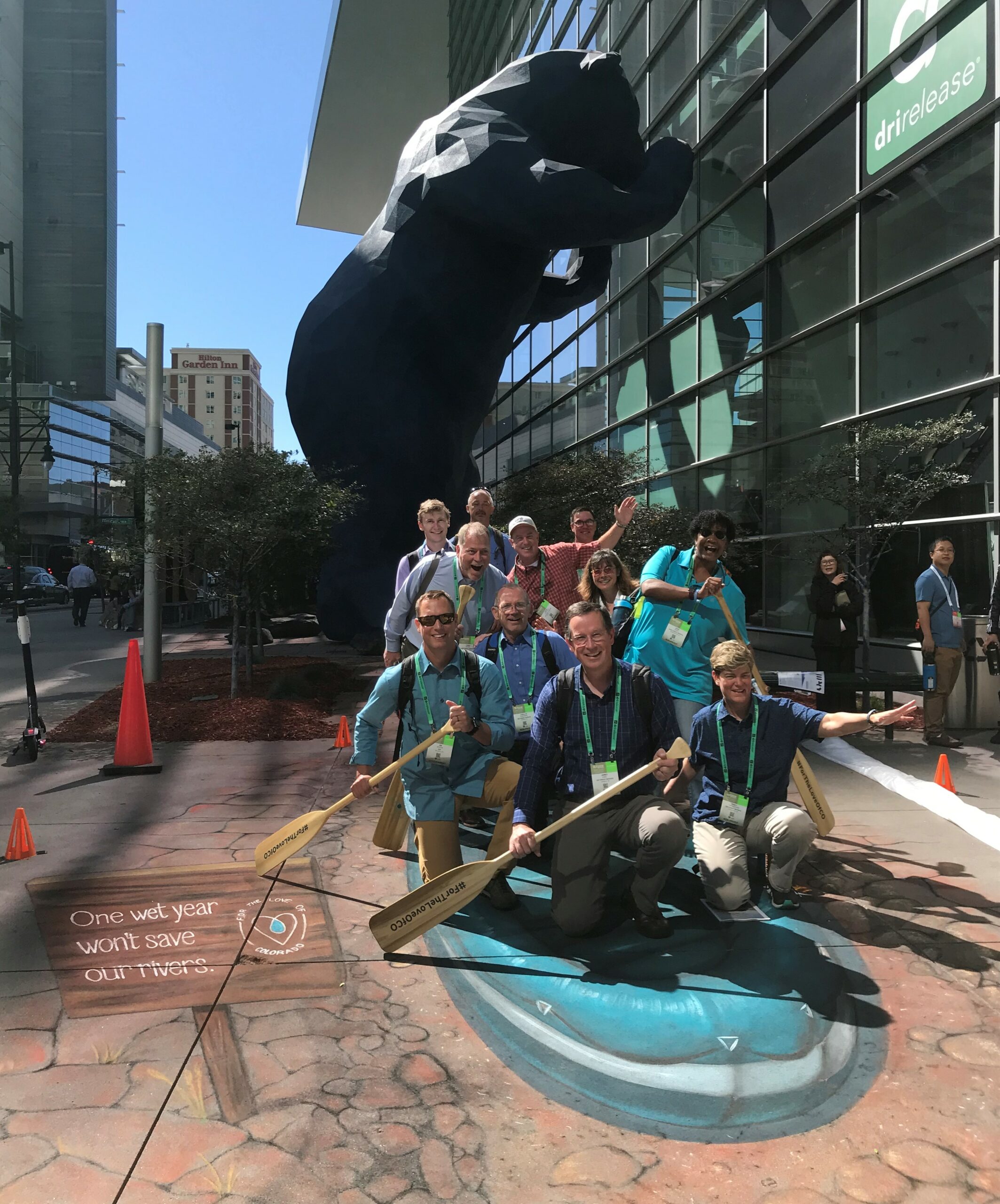
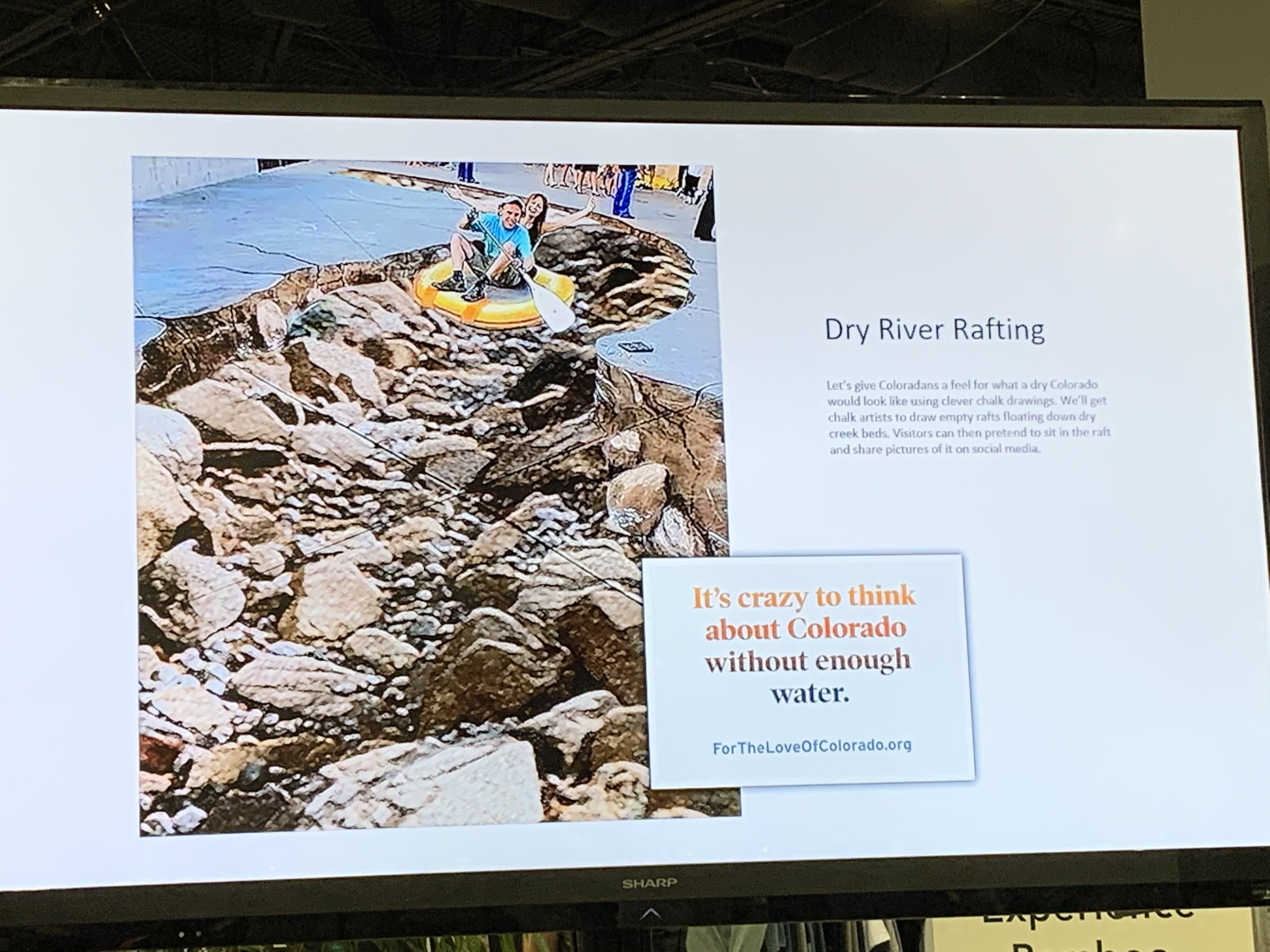
Outside the Colorado Convention Center, supporters no Wednesday showed what the future would look like if Coloradans don’t take a looming water shortage seriously.
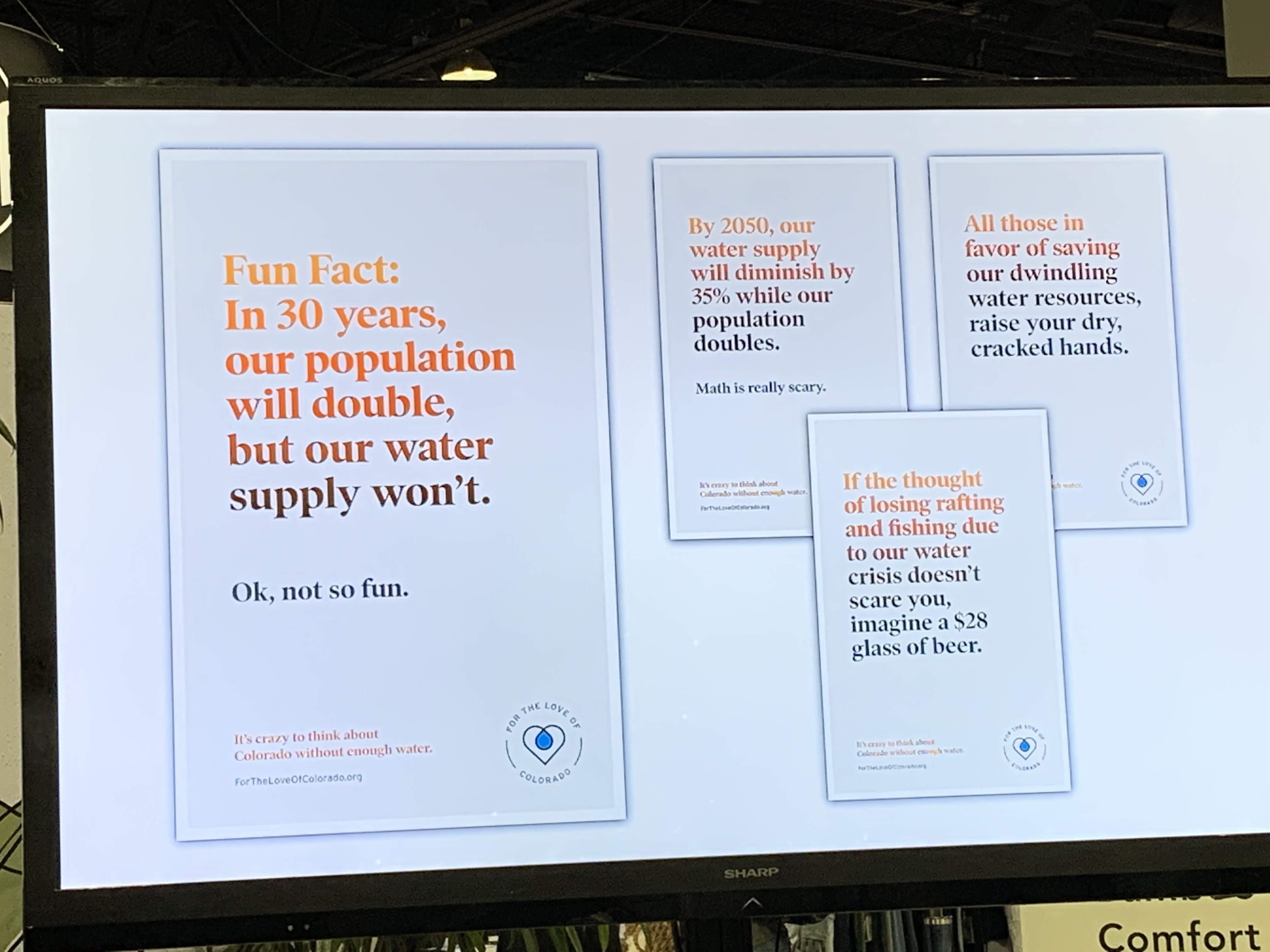
The campaign – known as “For the Love of Colorado” – isn’t only about educating Coloradans about water. It’s also intended to help drum up support for the state water plan.
The campaign will run for a couple of years, according to Jon Goldin-Dubois of Western Resource Advocates, one of the more than 40 organizations supporting the effort.
The campaign points out that Colorado’s population is expected to double between now and 2050, but the state’s water supply is expected to go in the opposite direction. Focused primarily on water use coming from the Colorado River, which supplies water to 40 million people in seven states and northern Mexico, the campaign points out that the water supply originating in the Colorado River basin could decrease by between 6% and 20% by 2050.
The Colorado is already the “most stressed” river in the nation, the website claims.
The website, which went live this week, points out that “everything you love about Colorado is connected back to water: kayaking, fishing, peaches, beer, the thriving economy.”
But Coloradans are using more water than the Colorado River supplies. While the state had a great snowpack in the 2018-19 winter, it’s “just a drop in the bucket compared to how much we’ll need. So in order to keep this amazing state a great place to live, work and do business, we need to support Colorado’s water plan,” he said.
What’s impressive about the effort, Goldin-Dubois told Colorado Politics, is the breadth of stakeholders who are involved. That includes the Metro Denver Chamber of Commerce, the outdoor recreation industry, mainstream businesses, water utilities, conservation organizations, Club 20, the Colorado Municipal League, the governor’s outdoor recreation industry office and the Colorado Cattlemen’s Association.
“Without water, our future would be bleak. This is an unique opportunity to bring together people who don’t always see eye to eye” on issues, he explained.
The campaign’s head is “water’s the lifeblood of the west. We wouldn’t have the quality of life we have [without it].”
Part of the goal of the campaign is to educate citizens about where Colorado’s water comes from, the challenges to supply and solutions to those challenges.
“I hope that the campaign will make people more conscious about where the water comes from, and to understand that one wet year – and 2019 was a great year – doesn’t begin to solve the challenges we have on our river systems,” Goldin-Dubois said. “We’re hoping people will understand this in the context of warmer climates …. We want people to understand their impact and how they can contribute to solutions.”
Andy Mueller, general manager of the 15-county Colorado River District, was also on hand to help launch the campaign.
“We have a crisis on the Colorado River …. Without this river, we’re in trouble,” Muller said, adding that the river is expected to be in a 50% decline by the end of the century.
“We have a gap in water supply and a plethora of solutions to fill the gap. All of that takes money, and we have a funding gap. We need more.”
When the water plan was rolled out in 2015 by then-Gov. John Hickenlooper, the estimated cost was around $20 billion. That’s more than what the state intends to spend on transportation ($9 billion), more than 10 years of funding for full-day kindergarten ($1.75 billion), and about two-thirds of the amount in the 2019-20 state budget ($30.5 billion).
The state is not expected to pick up the entire tab for the water plan; about $17 billion of that is estimated to come from water providers. But the state’s obligation is around $3 billion, and water officials had hoped that the state would start kicking in about $100 million for the next 30 years, beginning in 2020.
So far, the water plan’s funding has been in much smaller amounts, largely paid for with severance taxes. That came to an end this year, when Gov. Jared Polis tapped $10 million out of the general fund to pay for ongoing work on the water plan, which calls for more water conservation, efforts to improve river health and more storage.
In May, the U.S. Drought Monitor, for the first time in 20 years, declared Colorado drought-free. However, that doesn’t mean that reservoirs that have been low for years are back to full strength; as of a month ago, some were at no more than 25% of capacity.
Sukle Advertising came up with the campaign materials. Tim Wohlgenant, former of the Trust for Public Lands, will lead the campaign. He noted the steering committee includes former lawmaker Russ George, who now heads the state’s Interbasin Compact Committee; Kelly Brough of the Metro Denver Chamber, Sam Mamet of the Colorado Municipal League; Jim Lockhead from Denver Water; Terry Fankhauser of the cattlemen’s association; Tom Gougeon of the Gates Family Foundation; and Mueller.


Unsustainable: How Colorado’s Medicaid spending exploded
Nico Brambila
nico.brambila@denvergazette.com
Updated 3 hours ago
The state’s Medicaid program — which covers about one in four Coloradans — is poised for its largest single-year jump in at least two decades, with officials proposing a $2.3 billion increase, even as lawmakers face a $1.5 billion budget...
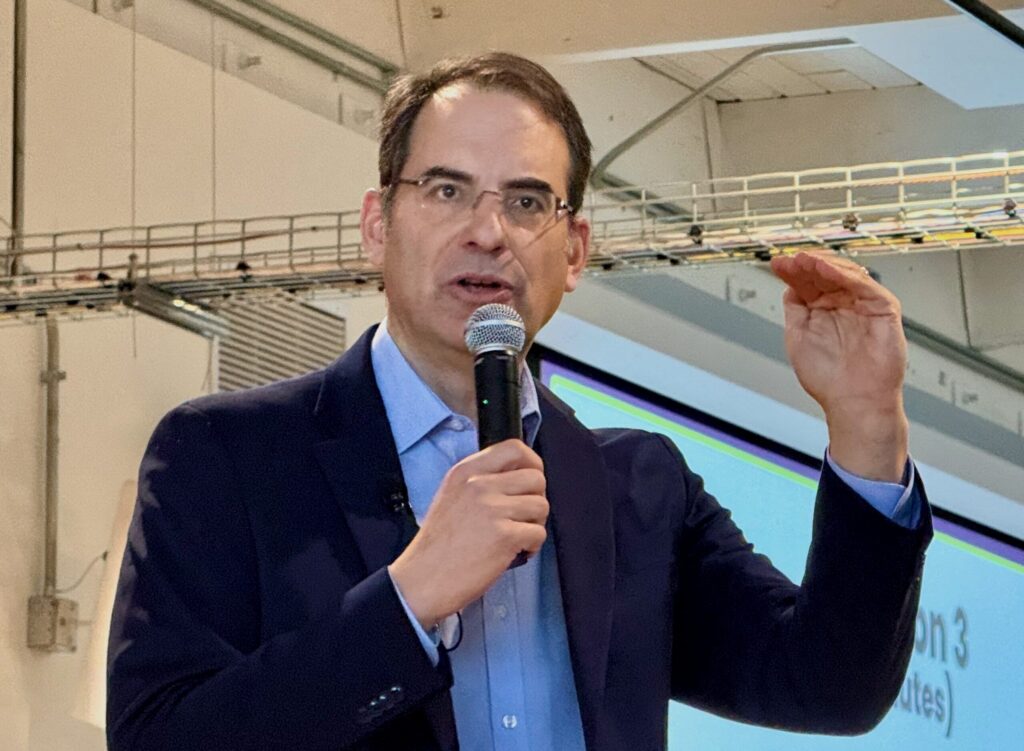
Phil Weiser wins top spot in Colorado’s Democratic gubernatorial primary at party’s state assembly
Ernest Luning
ernest.luning@coloradopolitics.com
Updated 1 day ago
Attorney General Phil Weiser’s name will appear first on Colorado’s Democratic gubernatorial primary ballot after his overwhelming win Saturday at the party’s state assembly in Pueblo. Weiser joins U.S. Sen. Michael Bennet in the June 30 primary for the office...
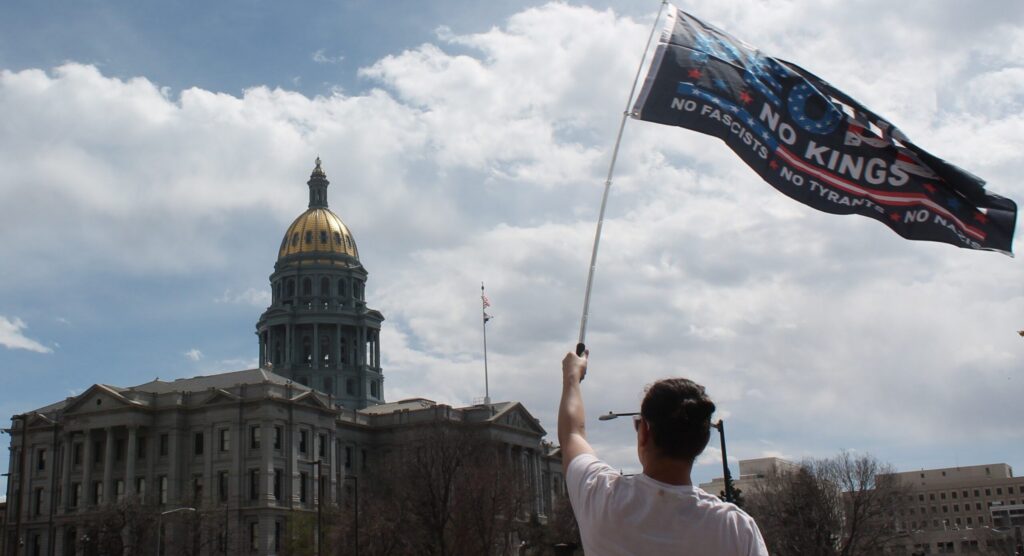
‘No Kings’ protest draws tens of thousands to Colorado state Capitol
Matt Kyle
matt.kyle@denvergazette.com
Updated 1 day ago
The third round of the national No Kings Day protests hit Denver Saturday, when tens of thousands gathered near the Colorado state Capitol to criticize the Trump administration. Organizers addressing the crowd estimated there were 30,000 present for the Saturday...
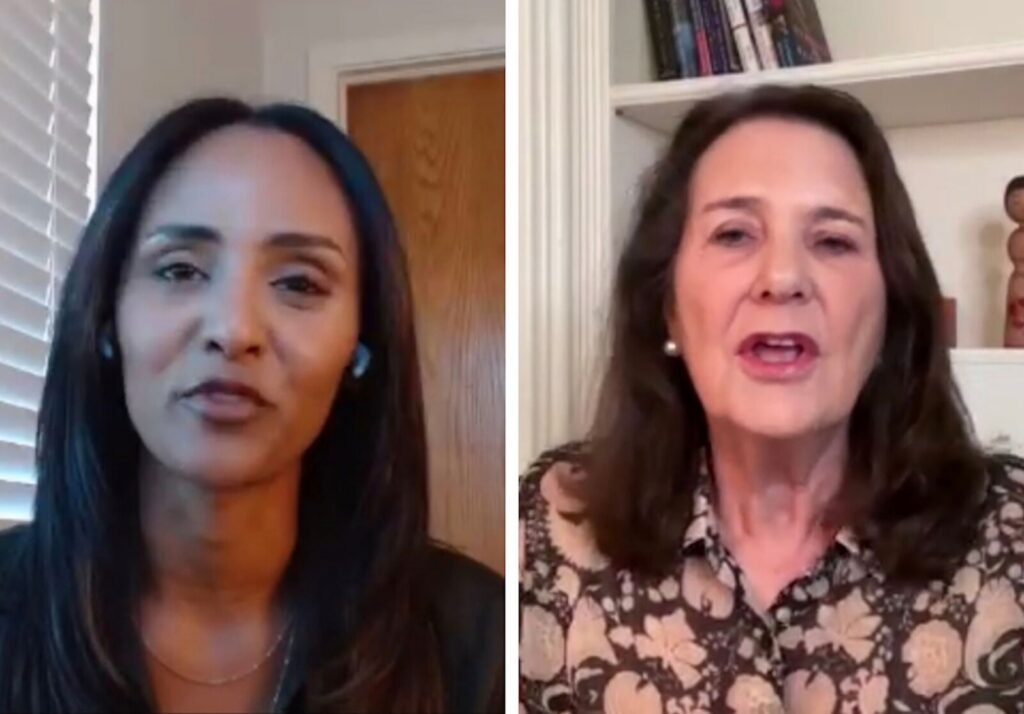
Denver Democrat Diana DeGette trails challenger Melat Kiros at assembly as both qualify for primary
Ernest Luning
ernest.luning@coloradopolitics.com
Updated 1 day ago
U.S. Rep Diana DeGette, a Denver Democrat, qualified for Colorado’s June primary by the skin of her teeth Friday at the party’s district assembly, where the 15-term incumbent received fewer than half as many delegate votes as her challenger, 28-year-old...
Kwame Spearman warrants plenty of criticism, not cancellation | SONDERMANN
By Eric Sondermann
by-eric-sondermann@coloradopolitics.com
Updated 3 days ago
All of us are flawed humans, some more so than others. This is the tale of Kwame Spearman who burst onto Denver’s business and political scene a handful of years back. His ride has taken a downhill trajectory. Within the...

Colorado Politics Calendar Mar. 30-Apr. 5
Rachael Wright, Special to Colorado Politics
rachael.wright@coloradopolitics.com
Updated 2 days ago
CoPo’s weekly political calendar will help you find political and public-policy events throughout Colorado. It includes candidate and issue campaign events, public policy meetings, court hearings, state and local party conventions, assemblies, debates, rallies, parades, speaking engagements, traveling dignitary appearances,...
Federal judge upholds constitutionality of Colorado campaign contribution limits
Michael Karlik
michael.karlik@coloradopolitics.com
Updated 2 days ago
A federal judge upheld Colorado’s individual campaign contribution limits as constitutional on Thursday, finding that three Republican plaintiffs failed to prove the campaign finance framework violates their First Amendment rights. U.S. District Court Senior Judge John L. Kane recognized that...
Appeals court rejects theory that existing tax revenue undermines need for new fees
Michael Karlik
michael.karlik@coloradopolitics.com
Updated 2 days ago
Colorado’s second-highest court rejected a plaintiff’s claim on Thursday that the tax revenue generated by an existing activity should prevent local governments from imposing new fees aimed at regulating the activity. The question stemmed from Colorado’s unique constraints on taxation...
Colorado ski resorts announce early closures amid historic snowpack lows, high temperatures
Kyla Pearce
kyla.pearce@gazette.com
Updated 2 days ago
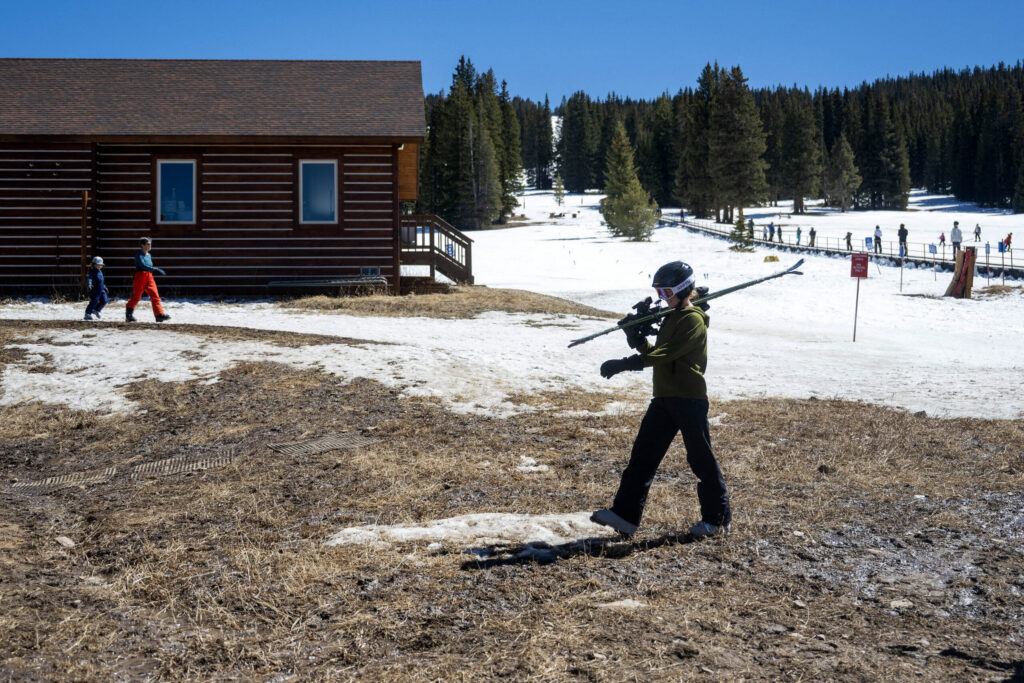
As Colorado’s historically low snowpack year comes to a close and spring conditions take over the mountains, the state’s major ski resorts are announcing closing dates — some of which are weeks before historic closing dates. Most of Colorado’s ski...

Marco Rubio’s star power rises at CPAC 2026
Mabinty Quarshie and Samantha-Jo Roth, Washington Examiner
mabinty.quarshie.and.samantha-jo.roth.washington.examiner@gazetteedit.wpenginepowered.com
Updated 2 days ago
GRAPEVINE, Texas — Secretary of State Marco Rubio’s popularity is growing and could possibly boost him to one of the top two spots in the 2028 GOP presidential race, if attendees at the Conservative Political Action Conference are to be believed. ...
PREV
PREVIOUS

Colorado jobs and unemployment: CoPo's monthly snapshot
The Colorado Department of Labor and Employment is out with its latest monthly jobs report for the state, covering May. Here are the key takeaways for the state’s workers. (Figures for previous months are adjusted periodically.) ? Payroll jobs (non-farm): Up 2,200 from the previous month, to 2,766,500, and up 45,900 from a year […]

New schools that want to open in Denver will now have an expiration date
A resolution quietly adopted by the Denver school board limits the scope of expansion of several charter school networks, and assigns a deadline to any new school that wants to open. New charter schools must now begin planning to open in earnest within three years of being approved, according to a resolution the Denver Public […]