

Magic mushroom initiatives sure to grow, proponents say
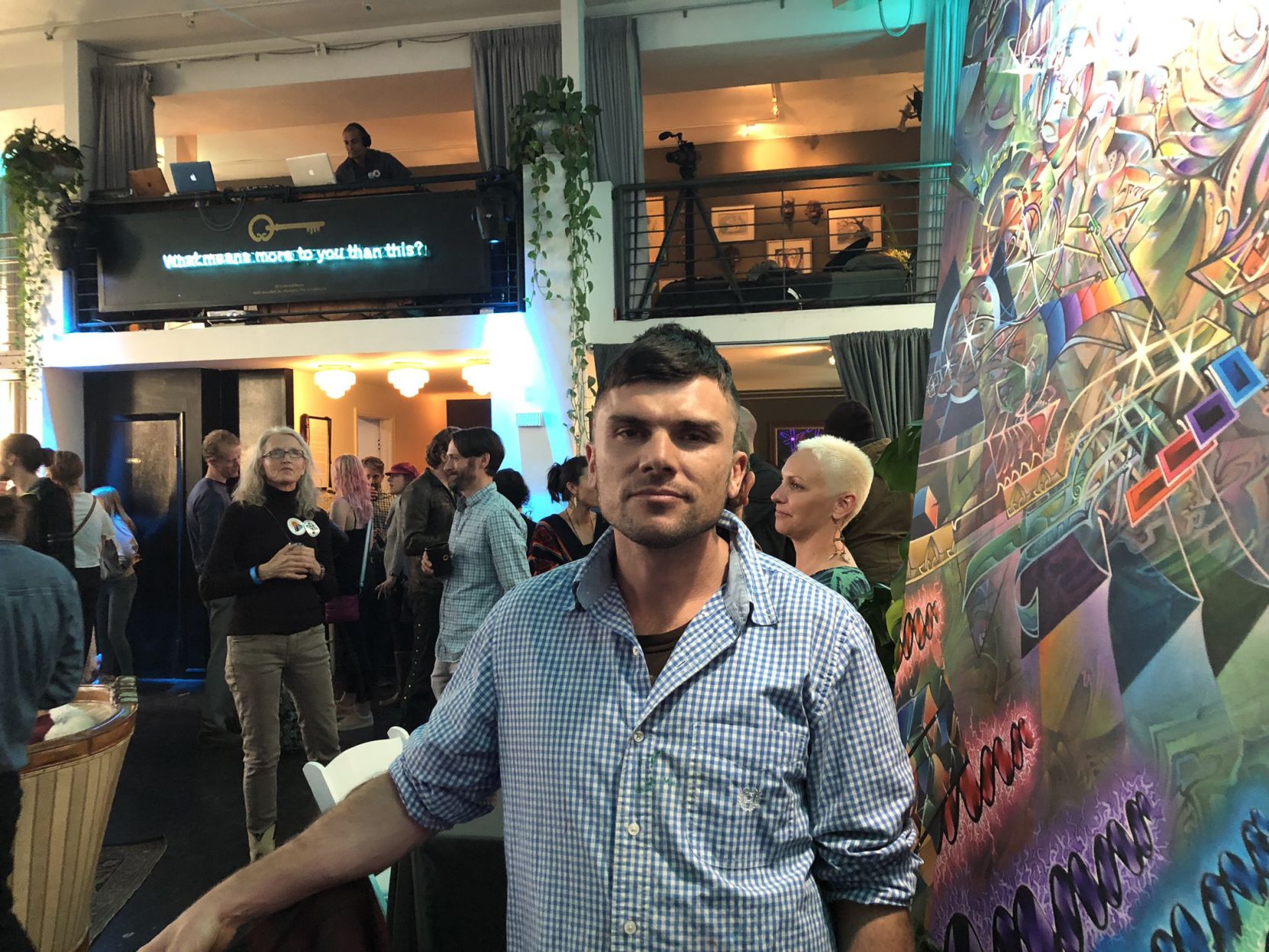
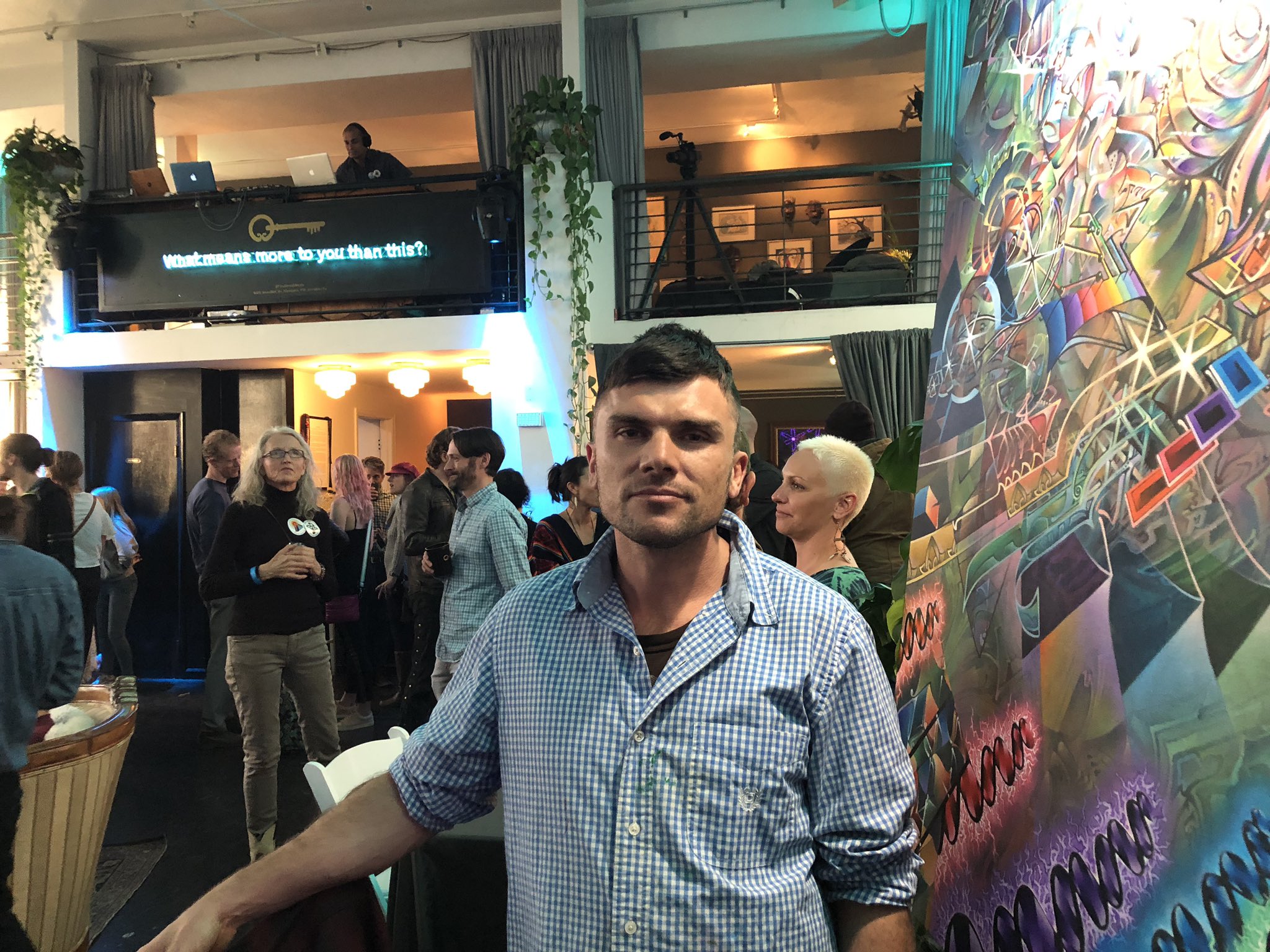
UPDATE 5 PM 5/8: Initiative 301, the magic mushrooms decriminalization measure, reversed a 9-point deficit and was narrowly leading by fewer than 2,000 votes in final unofficial returns Wednesday, with overseas ballots yet to be counted.
Adam french-inhaled before shrugging his long blonde hair out of his eyes and passing the joint to Allie.
Standing in front of the damp entrance to a popular home and event space on Denver’s west side, the pair laughed and shared the smoke, offering no hint that the ballot initiative they supported just died at the polls.
By then, about 9 p.m. Tuesday, Initiative 301 – which sought to decriminalize psilocybin mushrooms, or “magic mushrooms,” by making them the lowest possible priority for law enforcement and prosecutors – was losing by about 9 percentage points.
That margin tightened considerably overnight and stood at just over 3 points in the wee hours Wednesday, but a reversal of the outcome seemed unlikely.
“We’re happy and high spirited regardless,” Adam said. “We’re gonna hold fast and hold true to the same medicines that we’ve been using for thousands of years.”
The loss is only a moment, Adam said. And now it’s inevitable that similar initiatives pop up around the state and the rest of the country.
The pair, who live in Fort Collins, said they’ve already heard rumblings of such a movement up north.
The attitude inside the lofted home was just as jovial as it was outside. Electronic music played, muffled in the background as supporter Derek Carpenter painted in front of a crowd. Accent lights shifted from yellow to blue as Carpenter explained his craft.
“People enjoy the performance art of it. People love arts, people love the diversity of color,” Carpenter said.
“It’s called ‘The Love House,'” he added about the locale, unsure of how the title was granted. “That’s the name they gave it. There’s love everywhere.”
That might well be one name for the home, said Travis Tyler Fluck, a field organizer for Decriminalize Denver, which led the initiative’s campaign. But its other name is ‘Invisible City.’ The home, which is occupied, is often rented out for these types of gigs, he said.
Even as results showed the election shifting against the initiative, Fluck and Kevin Matthews, the group’s campaign director, said they’re remaining optimistic.
“Tonight it’s win or learn,” Matthews said. “This has been a learning experience.”
Fluck said at least one thing is certain: “We’ve now proven that there’s a psychedelic constituency,” he said. “They’re all over the place.”
Cohorts and unfamiliar faces drifted in and out of the room where Matthews sat in a powder blue suit, stretching his brown leather shoes over a faux bear fur rug. At one point he acknowledged a friend running a similar campaign in California.
Mushrooms, or just shrooms, remain shrouded in mystery and controversy, Matthews acknowledged.
Proponents, medical professionals, therapists, caregivers, and an underground network of psychedelic guides currently using and sharing the mushrooms must work to educate the uninitiated on the substance’s benefits, he said.
Years ago, Matthews said he was a cadet at the United States Military Academy.
“My entire life was planned out as an Army officer,” he said.
But depression crept into his life, forcing that plan to an end, Matthews said. Friendships faltered. He felt alone.
“I floated for a couple of years until I found psilocybin,” he said. “One mushroom experience dramatically improved my life for the better.”
It’s a brand new perspective, Matthews said.
Carpenter explained the experience as “forced meditation,” a way to understand that the mental baggage you’re carrying around isn’t real. Every thought you’ve ever had swims to the fore simultaneously, he said.
“Your brain lights up like a Christmas tree,” he said.
Even the bad trips, which Carpenter describes as “confrontational,” and fuel so much of the initiative’s opposition, are beneficial.
“I’ve made the most progress confronting my own mind,” he said.
There are recreational uses, sure, Carpenter said. These days he’ll dabble in that world just once or twice a year. But the mushrooms have been shown to curb depression and post traumatic stress disorder, he said.
They’re also known to help those preparing to die, said Bryan Christian, who deejayed the event. The drug helps them accept their own mortality.
For those with more time remaining, the drug can also curb substance abuse, Cristian said – cigarettes, alcohol, opioids.
“Addiction in general,” Christian said.
Christian spun his tunes from a second-floor vantage point in the home. Colors bled into each other and shifted between shapes on the far wall, cast by a projector. Supporters shuffled around the main floor between circular tables and the bar, enjoying the evening.
Christian and Carpenter’s experiences rang true with a woman who identified herself as Moon Willow, who said she works with trauma patients and veterans.
“It’s catching on,” Willow said. “You can really work through your ego versus id and super ego … all that Freudian stuff …. It’s all within.”
That’s especially the case with the use of a “trip minder,” Willow said, someone willing to stay sober and watch over those who ingest the psychedelic mushrooms.
Those experiences rang true back outside with Adam, who said that with the mushrooms, he conquered depression, anxiety and bipolar disorder.
Just then, a familiar face shouted out behind him.
“Up north psychedelic club!” the voice said.
“Enlightened Mike!” Adam shouted, following up with a high five.
“What, you thought I wasn’t gonna be here tonight?” Mike replied with a smile. He joined the group with Willow and a second joint in tow.
They have no illusions about the issue but feel satisfied with having put up a good fight, Mike said. That psychedelic club in Fort Collins, through Colorado State University, is just one of many across the state and the country.
They’re coordinated and connected. And similar initiatives are inevitable, he contended.
“We get it,” Mike said. “We know full well where the vote is sitting right now. This is not a loss.
“Does it feel like a loss to you? We are [expletive] vibing right now.”

10th Circuit dismisses woman’s lawsuit following 10-year attempt to undo restraining order
Michael Karlik
michael.karlik@coloradopolitics.com
Updated 5 hours ago
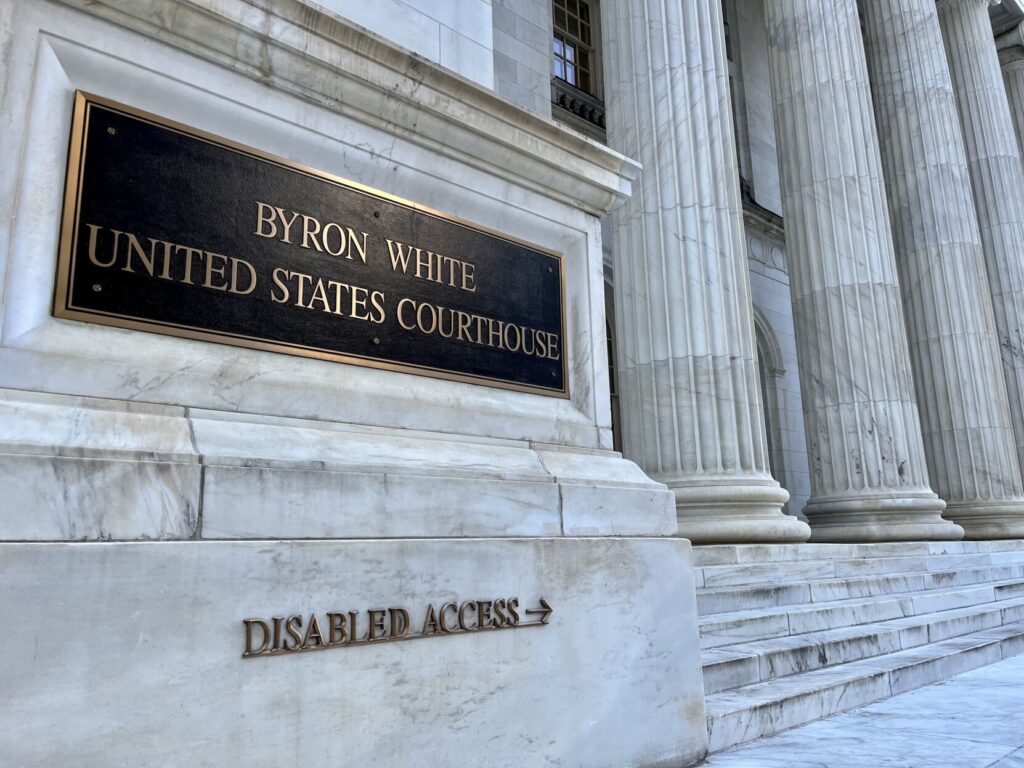
The Denver-based federal appeals court rejected a woman’s challenge on Friday to a restraining order imposed on her more than a decade ago, finding that she cannot credibly claim she will be prosecuted for violating the restraining order through her...
10th Circuit dismisses woman’s lawsuit following 10-year attempt to undo restraining order
Michael Karlik
michael.karlik@coloradopolitics.com
Updated 7 hours ago
The Denver-based federal appeals court rejected a woman’s challenge on Friday to a restraining order imposed on her more than a decade ago, finding that she cannot credibly claim she will be prosecuted for violating the restraining order through her...
Surprise candidate Shimon Blau cleared to face off against Melat Kiros in November
Ernest Luning
ernest.luning@coloradopolitics.com
Updated 4 hours ago
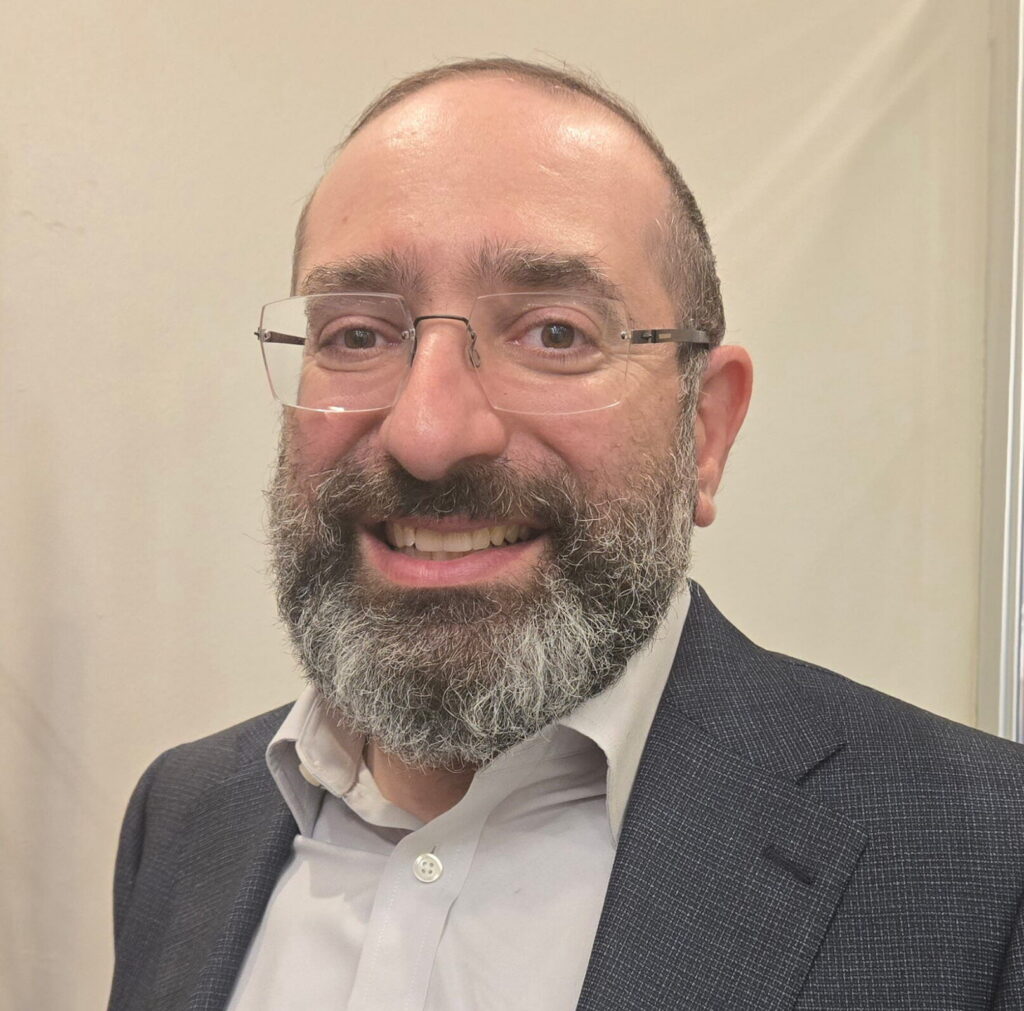
Unaffiliated congressional candidate Shimon Blau, a Denver doctor, has qualified by petition for the general election in Colorado’s 1st District, where Democrat Melat Kiros defeated 15-term U.S. Rep. Diana DeGette in last month’s primary, the Colorado Secretary of State’s Office...

Colorado produce not tied to nationwide cyclospora outbreak, agriculture officials say
Marissa Ventrelli
marissa.ventrelli@coloradopolitics.com
Updated 8 hours ago
There is no indication that the recent outbreak of cyclospora, a fecal parasite that has contaminated food and water across nearly every state, can be linked to produce grown in Colorado, according to the state’s Department of Agriculture. “Colorado growers...

UNC opens College of Osteopathic Medicine
Marissa Ventrelli
marissa.ventrelli@coloradopolitics.com
Updated 6 hours ago
The University of Northern Colorado held a grand opening for its new College of Osteopathic Medicine on Friday, with Gov. Jared Polis in attendance to celebrate the culmination of a two-year, $127.5 million project. The project was funded through legislation...
Colorado equal pay law does not require plaintiffs to allege gender-based retaliation, appeals court finds
Michael Karlik
michael.karlik@coloradopolitics.com
Updated 5 hours ago
The 2019 Colorado law aimed at rooting out pay discrimination on the basis of sex does not require a plaintiff to allege their employer retaliated against them for sex- or gender-related reasons, the state’s second-highest court decided on Thursday. Lawmakers...

Planning Commission rejects resident appeals to stop proposed data center
alex-edwards
alex.edwards@gazette.com
Updated 9 hours ago
Editor’s note: This story has been updated to reflect comment from District 11 clarifying that it has not conducted a financial review of Project Taurus. The Colorado Springs Planning Commission rejected appeals Thursday night against a proposed artificial-intelligence data center...

Victor Marx, GOP candidate for governor, faces 100-plus campaign finance complaints
Marianne Goodland
marianne.goodland@coloradopolitics.com
Updated 5 hours ago
Victor Marx’s gubernatorial campaign has been hit with more than 140 campaign finance complaints, although most have been consolidated by the state’s election office because they follow similar alleged violations. Marx faces Attorney General Phil Weiser, who won the Democratic...

Trump warns China and Russia not to ‘give or sell’ weapons to Iran
Naomi Lim
naomi-lim@coloradopolitics.com
Updated 12 hours ago
President Donald Trump says it would be “very bad” for Chinese President Xi Jinping or Russian President Vladimir Putin if Washington discovers they are supplying weapons to Tehran as the war between the United States and Iran escalates. “President Xi,...

Justice Kagan says Supreme Court is not a ‘puppet’ for Trump administration
Jack Birle
jack-birle@coloradopolitics.com
Updated 12 hours ago
Justice Elena Kagan pushed back this week on criticism of the Supreme Court for ruling in favor of the Trump administration, citing the multiple instances in which the majority on the high court pushed back on President Donald Trump in...
PREV
PREVIOUS

40 years in the making: Colorado's anti-SLAPP law protecting those who speak out
It goes like this: Speak out against a company or maybe a public official, and you could get sued. Not because you said something that was slanderous or libelous, but because you spoke out at all. It’s known as a SLAPP, or a Strategic Lawsuit Against Public Participation. It stems from the least-known part of […]

New Mexico maternal, infant health programs leave some needs unattended
SANTA FE, N.M. – A new study from a key New Mexico legislative committee suggests more can be done to improve the wellbeing of young children and their mothers through greater collaboration among six Health Department programs. An evaluation released Wednesday by the Legislative Finance Committee says the agency’s early childhood and maternal health programs […]