

NEIL WESTERGAARD | The hack is back to focus on Denver

Editor’s Note
Neil Westergaard — the former editor of the Denver Post and and the Denver Business Journal and one of Colorado’s best known journalists — has begun contributing a regular column to Colorado Politics on Denver civic affairs.
Almost 20 years ago, I penned the first of what was more than 500 columns I wrote for the Denver Business Journal.

I had just been appointed editor-in-chief of the DBJ after 14 years as a reporter and editor at The Denver Post and a 2½-year stint in corporate communications with Blue Cross and Blue Shield of Colorado.
The column was under a headline that read, “From hack to flack and back,” and described the somewhat circuitous route I had traveled to wind up as editor of the DBJ.
The word “hack,” of course was what politicians used to call reporters (and cabbies) before terms like “fake news” and “ride sharing” became part of the language. “Flack” is what we journalists used to describe paid public relations men and women in the business of making their clients look good in the media.
I’ve been both, but very happy to once again be calling myself a “hack” as I join the talented people who write for Colorado Politics.
About a year ago, I retired as editor of the DBJ, thinking I would spend more time with my wife of 42 years, Cindy, and work on my golf game and do some home improvements. Forty-plus years as a journalist in Colorado was enough for me – or so I thought.
But damn, I still missed it. I wrote a few freelance pieces for the DBJ and a couple of essays for Colorado Politics. A month or so ago, my former Denver Post and DBJ colleagues Vince Bzdek and Mark Harden approached me about writing a regular column for Colorado Politics focusing on Denver.
So here I am. I join veteran former Rocky Mountain News reporter and friend John Ensslin, who has begun covering Denver politics on the news side.
I’ll try to weigh in with commentary on politics and urban policy in Denver and the rest of the metro area as Colorado Politics launches expanded coverage of Colorado’s capital city.
I used to get asked all the time where I leaned politically because people couldn’t tell. I had my share of people who were convinced I was a right-wing Republican because I said good things about the oil and gas industry, such as how I liked knowing that my furnace would kick on reliably when it got cold every fall.
But an equal number of people knew – just knew – that I was a liberal Democrat because I took issue with Republican lawmakers time over their slavish devotion to the Taxpayers’ Bill of Rights in the face of the wretched consequences of having a government on auto-pilot.
The truth is, I’m neither. Because neither party has a monopoly on good – or bad – ideas. Either end of the political spectrum is capable of having both. If you think about it, that’s what used to be the strength of our system, different ideas being debated in the open, and hopefully, leading to solutions.
What I truly don’t like is extremism, on the right or the left. Because it leads to disrespect of opposing views and the demonization of certain ideas and groups of people. So people wind up not talking to each other and little gets done.
I don’t like litmus tests or strict political dogma or rigid adherence to party platforms in the name of party unity. If every idea is sacrosanct, how do we expect leaders to compromise? And make no mistake: That’s what the majority of voters desire. Both sides of the political spectrum have made too many things inviolate, in my opinion.
My wife and I moved to Denver 39 years ago and we sent our two kids to Denver Public Schools. I worked in downtown Denver until my retirement last year.
During that time, I saw the birth of the 16th Street Mall and the death of department stores in downtown Denver and the transformation of LoDo. Cherry Creek went from a sleepy shopping district to a tony, upscale neighborhood of high-end shops and restaurants and residences that really only the rich can afford.
Neighborhoods declined and rose again, people came and went, and the city changed, not always in positive ways. We went from a cowtown overly reliant on natural resources and tourism to a technology, communications, aerospace and financial services giant. It’s still a marvelous place to live and work, but like most cities, it’s got a lot of problems.
And it’s expensive.
Despite some noble efforts to change things, homelessness is still a huge problem for Denver. It’s as bad or worse as it was 20, 30 or 40 years ago.
It’s impossible to move around the city at certain times of day. We never used to calculate travel time when we wanted to go somewhere; now it’s a necessity.
Our infrastructure has not kept up with the influx of people who have discovered Denver or that our economic development people have recruited to move their businesses here.
And it’s not just surface infrastructure, like highways and transit. It’s the stuff underground, too, like water mains and sewer systems. Those things aren’t keeping up, either.
So, here’s my goal: Help readers make sense of these things, to ask questions and hopefully stimulate discussion that leads to solutions.
I invite your participation and comments. Reach me at noweste@gmail.com.

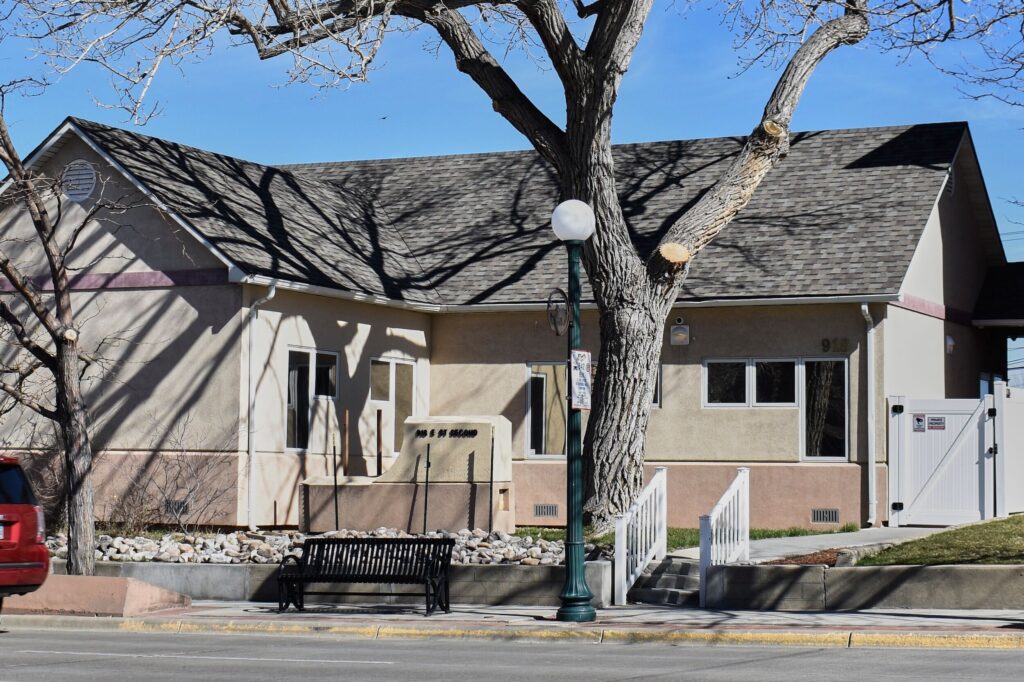
Abortion stays legal in Wyoming as top court strikes down laws, including pill ban | OUT WEST ROUNDUP
The Associated Press
the-associated-press@coloradopolitics.com
Updated 4 days ago
WYOMING Court strikes down abortion bans FORT COLLINS — Abortion will remain legal in Wyoming after the state Supreme Court ruled on Jan. 6 that two laws barring the procedure, including the country’s first explicit ban on abortion pills, violate...
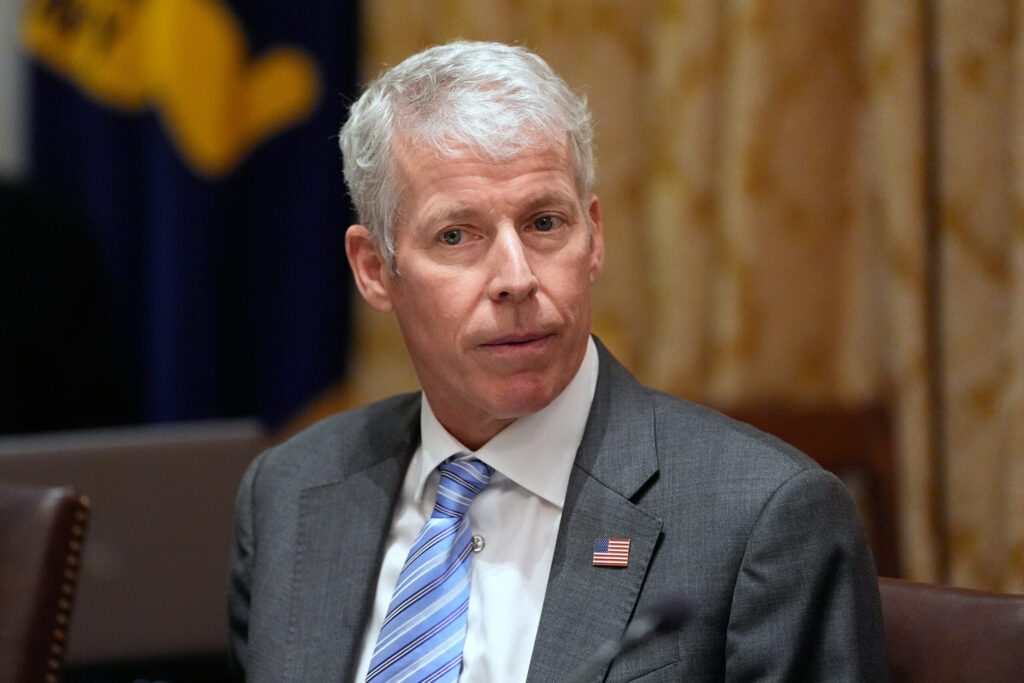
Colorado oilmen may play key role in Trump’s Venezuelan oil takeover plan
Vince Bzdek
vince.bzdek@gazette.com
Updated 1 day ago
When President Donald Trump summoned oil executives to the White House recently to push for major investment in Venezuela, an interesting sprinkling of smaller independent companies from Denver was invited along with the big names of American oil. One of...

Colorado Politics Calendar Jan. 19-25
Rachael Wright
rachael.wright@coloradopolitics.com
Updated 4 days ago
CoPo’s weekly political calendar will help you find political and public-policy events throughout Colorado. It includes candidate and issue campaign events, public policy meetings, court hearings, state and local party conventions, assemblies, debates, rallies, parades, speaking engagements, traveling dignitary appearances,...

Elder Groff attends opening day of state legislature to cheer on son | A LOOK BACK
Rachael Wright
rachael.wright@coloradopolitics.com
Updated 4 days ago
Twenty-Five Years Ago This Week: “There is a God,” sighed former state Sen. Regis Groff, D-Denver, as he watched the Democrats assume control of the Colorado Senate for the first time in 40 years. “Now they’re in the cubbyholes,” chuckled...
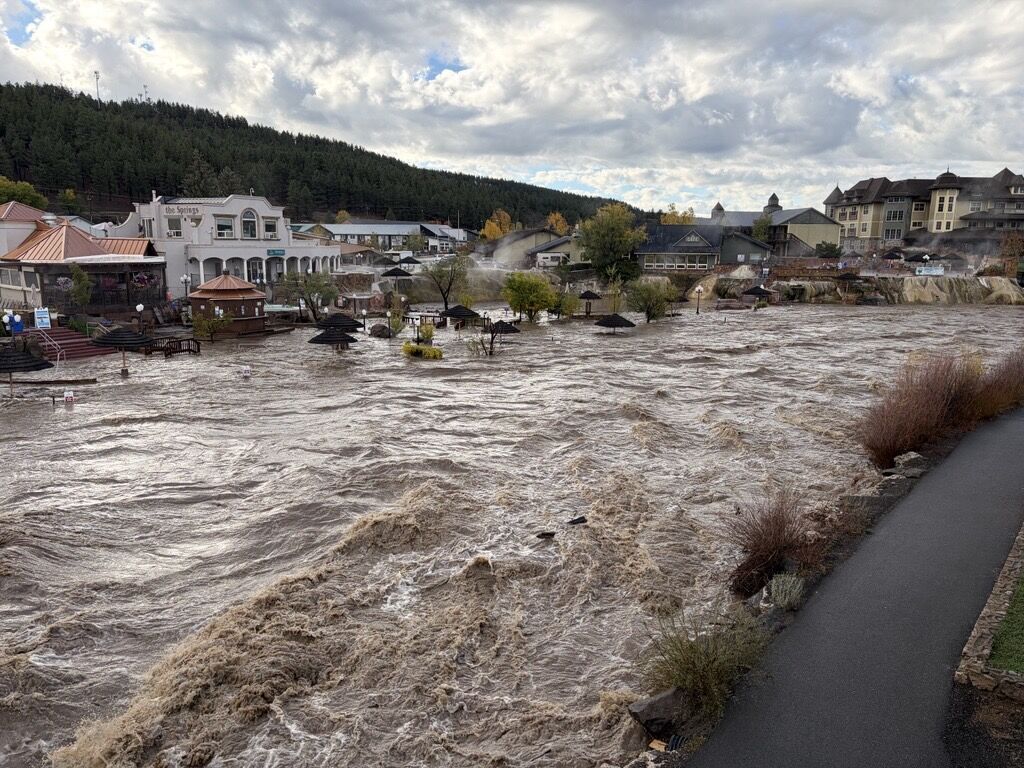
Colorado appeals Trump’s rejection of federal disaster declarations for flooding, fires
The Denver Gazette
the-denver-gazette@coloradopolitics.com
Updated 2 days ago
Colorado has formally appealed the Trump administration’s decision to deny requests for federal disaster declarations tied to two wildfires and flooding last year. Gov. Jared Polis said the state asked the federal government to reconsider its denials for the Elk...
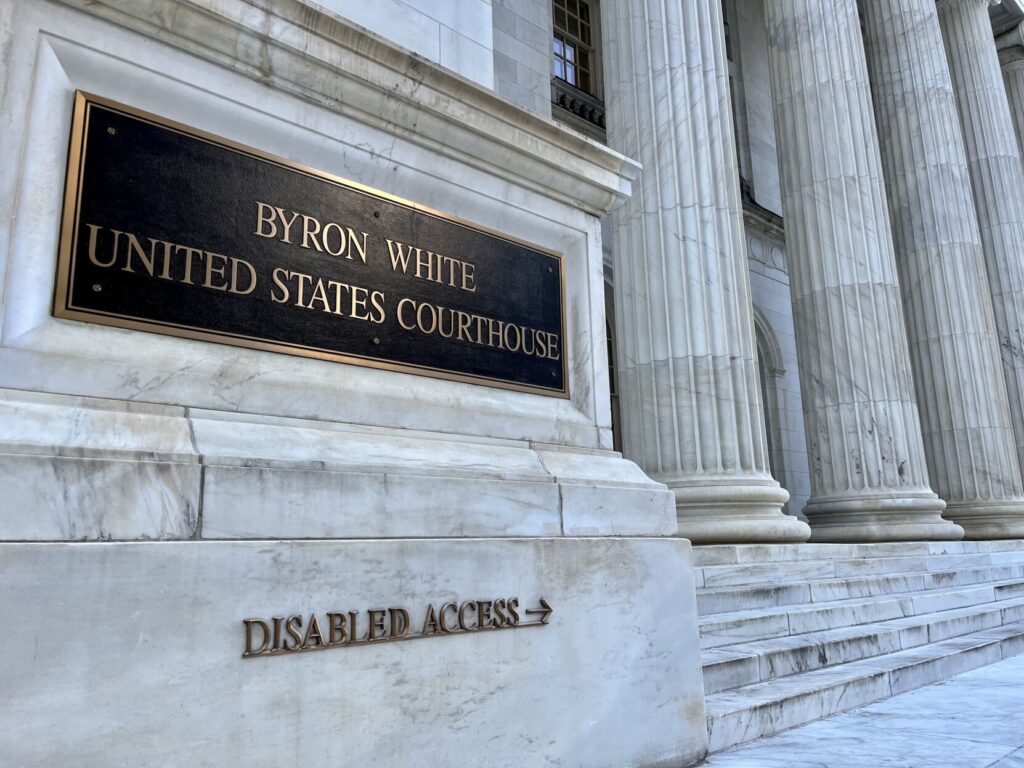
10th Circuit oral arguments to feature trial judges for first time in 12 years
Michael Karlik
michael.karlik@coloradopolitics.com
Updated 2 days ago
When the Denver-based federal appeals court convenes next week to hear oral arguments, six new faces will be staring down from the bench. No, the U.S. Court of Appeals for the 10th Circuit has not added six new members. It...
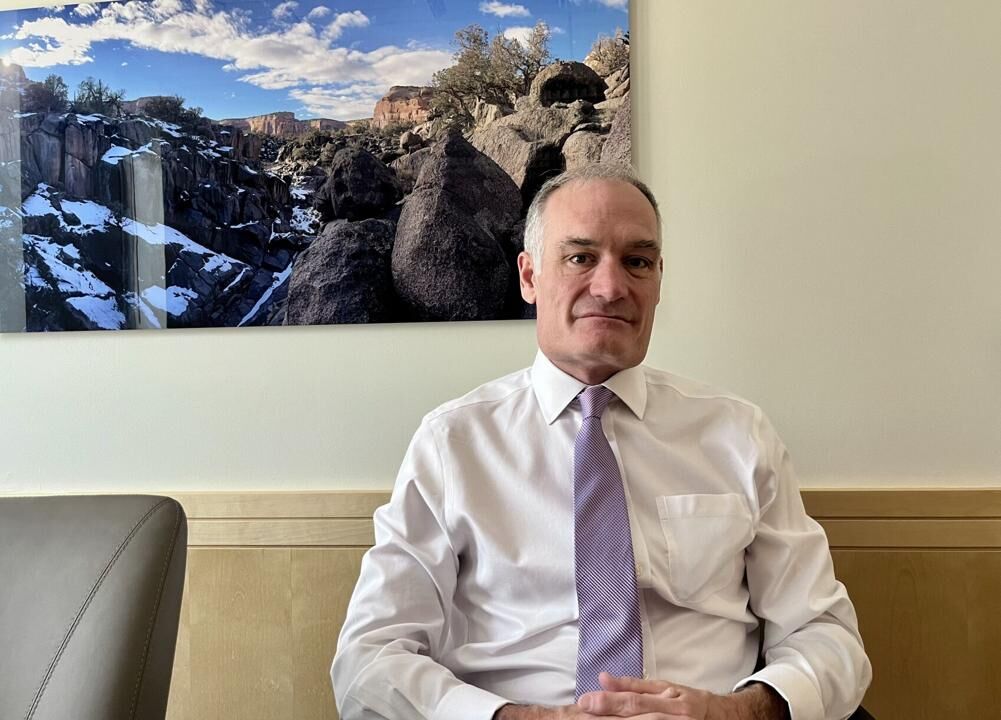
Federal judge says ICE cannot impose monitoring conditions beyond immigration judge’s order
Michael Karlik
michael.karlik@coloradopolitics.com
Updated 2 days ago
A federal judge told U.S. Immigration and Customs Enforcement on Thursday that it cannot impose additional restrictions or monitoring conditions beyond those ordered by an immigration judge when releasing a person on bond. In November, U.S. District Court Judge Gordon...
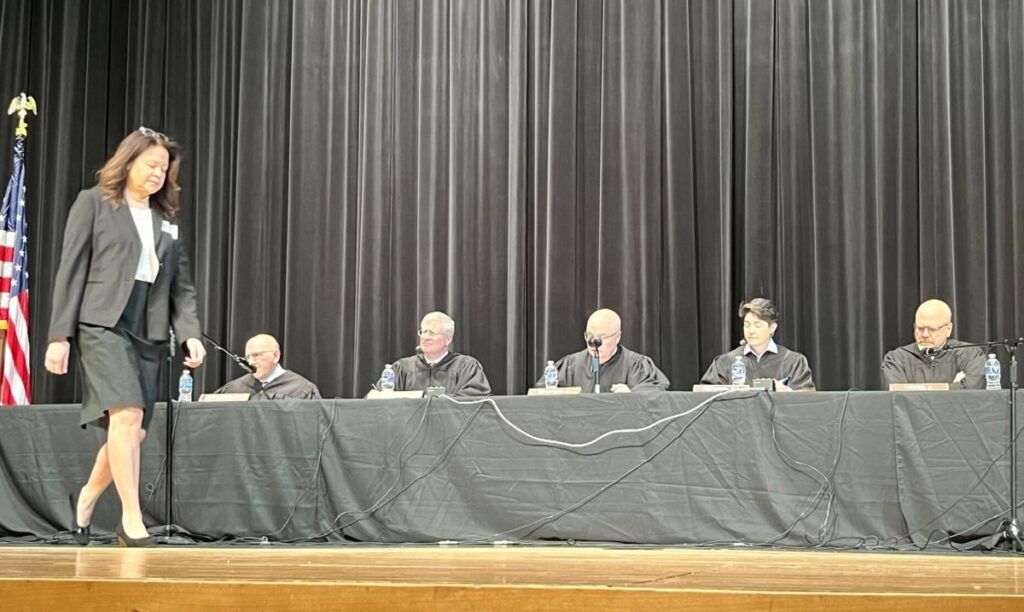
Colorado justices weigh constitutionality of student backpack search based on confidential tip
Michael Karlik
michael.karlik@coloradopolitics.com
Updated 1 day ago
The Colorado Supreme Court considered on Wednesday whether a tip submitted through the state’s confidential school safety system provided a Douglas County administrator with reasonable suspicion to search a student’s backpack for drugs. A trial judge blocked evidence from the...
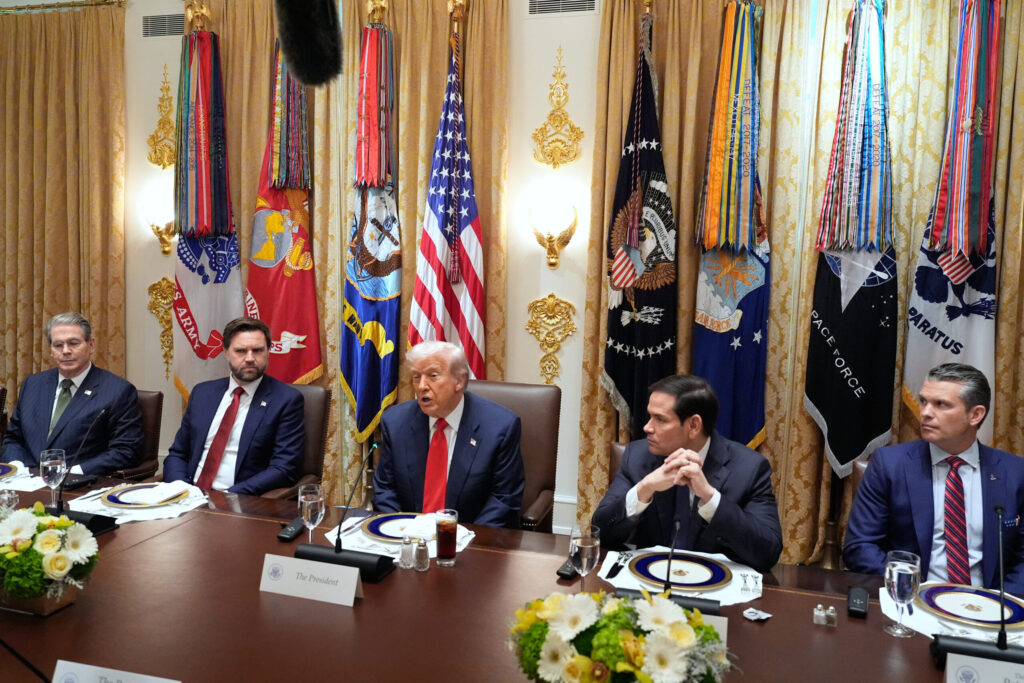
The odd couple: Vance and Rubio stick together through 2028 speculation
W. James Antle III Washington Examiner
wjamesantleiiiwashingtonexaminer@wpstage.coloradopolitics.com
Updated 2 days ago
Washington insiders keep straining to see daylight between Vice President JD Vance and Secretary of State Marco Rubio, only for the two of them to maintain a united front. Vance and Rubio met together at the White House with Denmark’s...

Democrats ready war powers blitz to exploit a Trump ‘vulnerability’
Ramsey Touchberry, Washington Examiner
ramsey.touchberry.washington.examiner@gazetteedit.wpenginepowered.com
Updated 2 days ago
Senate Democrats believe they’ve uncovered a backdoor to limiting President Donald Trump’s military operations abroad and conducting oversight despite limited minority power and few Republicans willing to buck the administration. Democrats are prepared to force a flurry of votes on...
PREV
PREVIOUS

Amid broader budget debate, a modest proposal for more Colorado school funding advances
A bill that would ask voters to let Colorado keep more tax revenue – with a third of the money going toward schools – moved forward Monday, even as backers stressed that it is not a “cure-all” for the state’s broader fiscal challenges. Those challenges will be on full display this week as lawmakers in […]

Colorado Senate holds off on oil and gas again
One of the most consequential bills of the legislative session continues in a holding patten in the state Senate, after it was “laid over” again on Tuesday, just as it was Monday. Senate Bill 181, which would grant local control on where oil and gas wells locate, is expected to (eventually) have an easy ride […]