

US Senate discusses health-care records sharing proposal coauthored by Denver’s DeGette
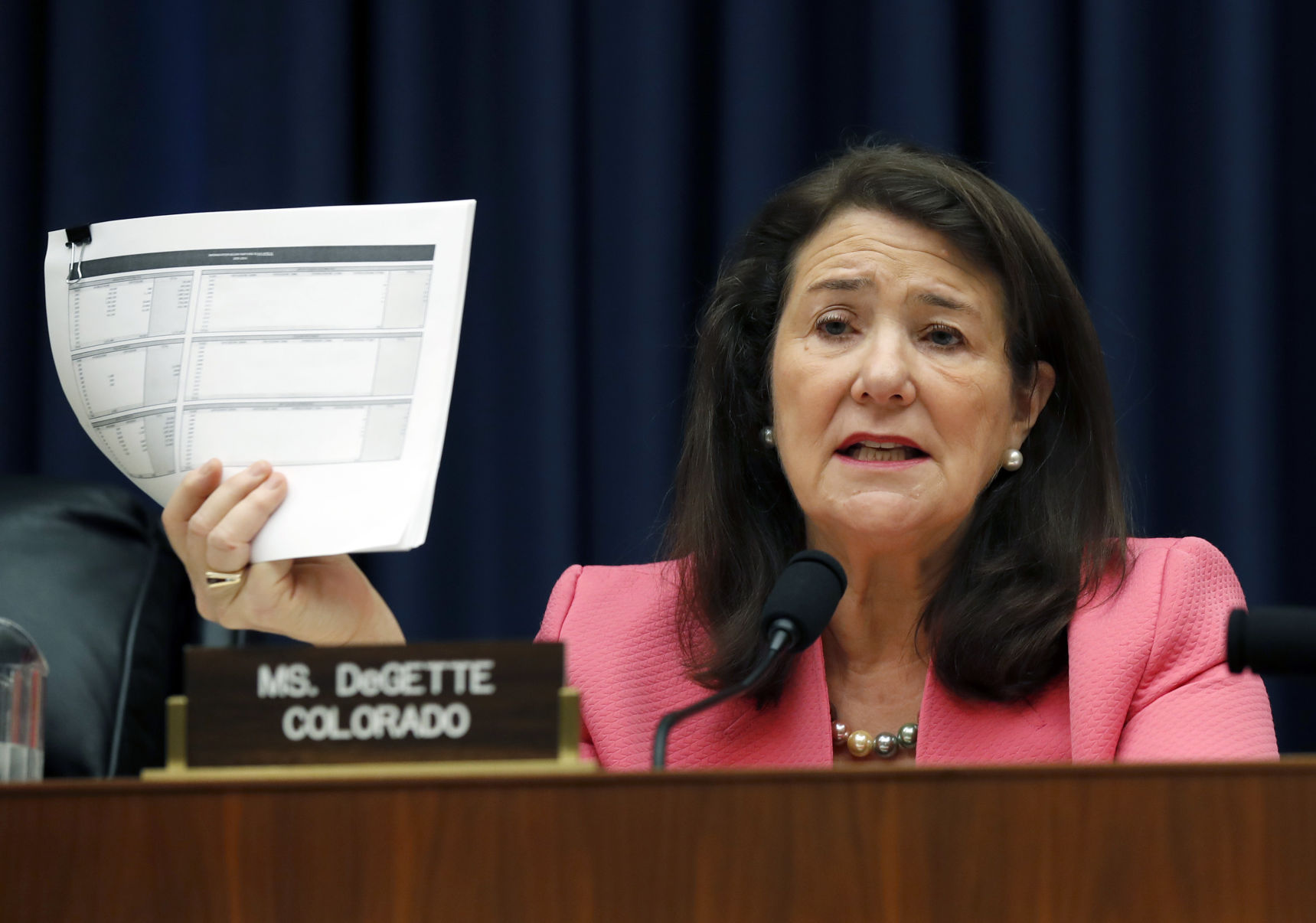
WASHINGTON – The U.S. Senate attempted to take another step Tuesday in implementing legislation to establish a nationwide database of patients’ healthcare records.
Witnesses from the health care industry said during a hearing that health records that follow patients down through time and anywhere they travel could improve the quality of care and prevent unnecessary deaths.
They also could reduce administrative burdens on doctors who otherwise would need to repeat record-keeping completed elsewhere.
The Senate Health, Education, Labor and Pensions Committee was discussing provisions of the 21st Century Cures Act, which was co-authored by Colorado U.S. Rep. Diana DeGette (D-Denver), and approved by Congress in 2016.
Sen. Lamar Alexander, a Tennessee Republican and chairman of the committee, called the legislation “the most important bill we passed in that Congress.”
One proposed rule under the Cures Act would require that by Jan. 1, insurance companies share their healthcare records with patients who they insure.
Lawmakers hoped the rule would give patients more control over their records. They also seek to protect patients’ privacy if they do not want the information released.
Another provision would prohibit information blocking, which refers to doctors or medical institutions that interfere with the exchange of patients’ electronic health information. The free exchange of information with patients’ permission is supposed to be guaranteed under the Health Insurance Portability and Accountability Act of 1996.
One example of data sharing required under the rule would compel hospitals to send electronic notifications to doctors when their patients are admitted, discharged or transferred.
The Office of the National Coordinator for Health Information Technology (ONC) wants to make the data sharing, and “interoperability” of electronic records, a requirement for certification of health information technology systems.
“This will be a huge relief to any of us who have spent hours tracking down paper copies of our records and carting them back and forth to different doctors’ offices,” Alexander said.
He estimated the proposed rules would give more than 125 million patients easier access to their health records.
One obstacle faced in data sharing is the variety of computer systems used by various doctors, hospitals and other medical institutions.
Expert witnesses at the Senate hearing said the proposed rules will succeed only if the ONC can enforce a standardized system for identifying patients while electronically sharing their information.
Many patients are not recognized under current data sharing systems, said Ben Moscovitch, project director of health information technology for the Pew Charitable Trusts, a nonprofit organization with more than $6 billion in assets that seeks to improve public policies.
“When data are exchanged, records may not be matched up to half of the time,” Moscovitch said.
The result can be dangerously inappropriate drug dosing or delays in treatment, he said.
Any new standards need to use a consistent method of identifying patients, he said.
However, he also acknowledged that patients’ privacy could be jeopardized unless safety systems are embedded in the data sharing.
Lucia Savage, chief privacy and regulatory officer for Omada Health Inc., agreed that data sharing could benefit patients but said current proposals might not reach enough of the healthcare industry.
She suggested that more health information technology vendors be required to meet proposed standards for interoperable systems. The current proposal would cover only certified electronic health record vendors.
“The proposed rule does not reach to health information technology in the emerging world of connected devices or software as a medical device,” Savage said. As a result, some laboratories and pharmacies might be omitted from the rule.


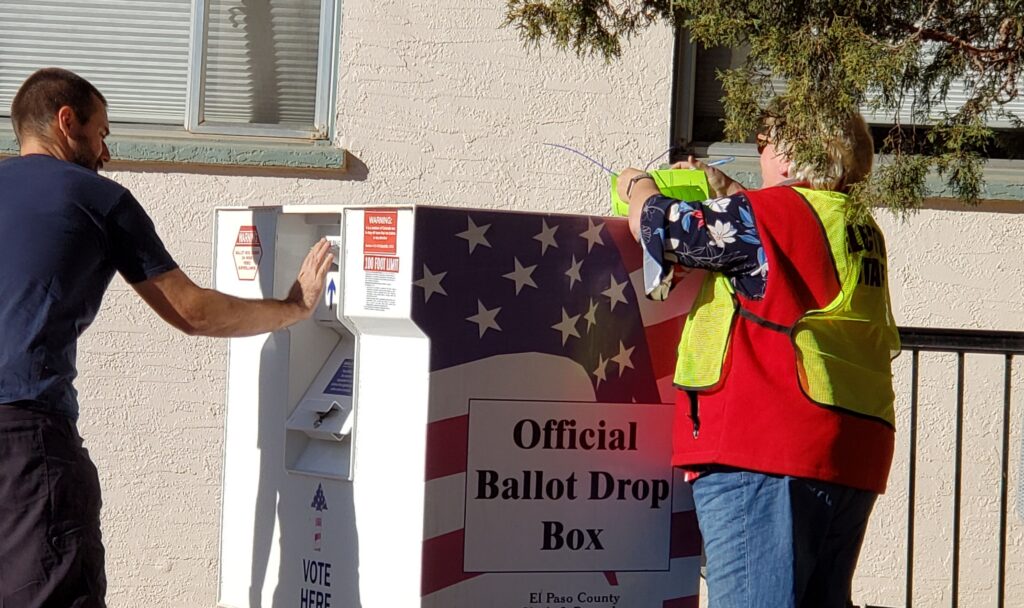
Fentanyl sentencing, tax overhauls and transgender‑related issues anchor Colorado’s 14 ballot measures
Marissa Ventrelli
marissa.ventrelli@coloradopolitics.com
Updated 2 hours ago
Fourteen statewide ballot measures await Colorado voters this November, offering a mix of criminal justice crackdowns, tax overhauls, and constitutional tweaks that ensure no one will accuse the ballot of being boring this year. Colorado’s 14 statewide ballot measures match...

Judge orders home confinement for Barry Morphew
Dennis Huspeni
dennis.huspeni@gazette.com
Updated 7 minutes ago
An Alamosa County district judge has ordered home confinement for Barry Morphew, who is accused of murdering his wife. Barry Morphew, 59, faces a first-degree murder charge in the death of his wife, Suzanne Morphew, who disappeared Mother’s Day weekend...
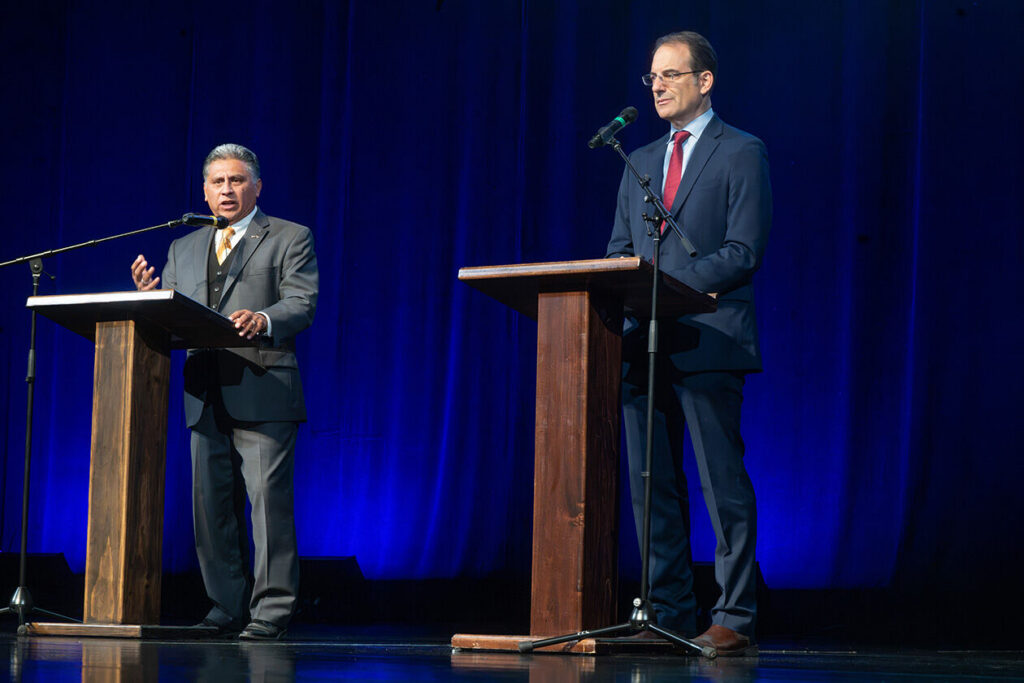
Colorado sues to stop Trump’s ban on Medicaid dollars paying for minors’ transgender transition
Thelma Grimes
thelma.grimes@coloradopolitics.com
Updated 4 minutes ago
Colorado on Wednesday filed yet another lawsuit against the Trump administration — this time to stop a new rule that prohibits Medicaid dollars from paying for the transgender transition services for minors. The question of transgender services has increasingly become...

Denver plans to spend $50M on improvements to Sloan’s Lake
Nicole C. Brambila
nicole-c-brambila@coloradopolitics.com
Updated 20 hours ago
Denver plans to spend $50 million for Sloan’s Lake improvements. Mayor Mike Johnston and Councilmembers Amanda P. Sandoval and Jamie Torres announced the project’s launch steps from the lake’s shore near the jetty in the park on Wednesday morning. “After...
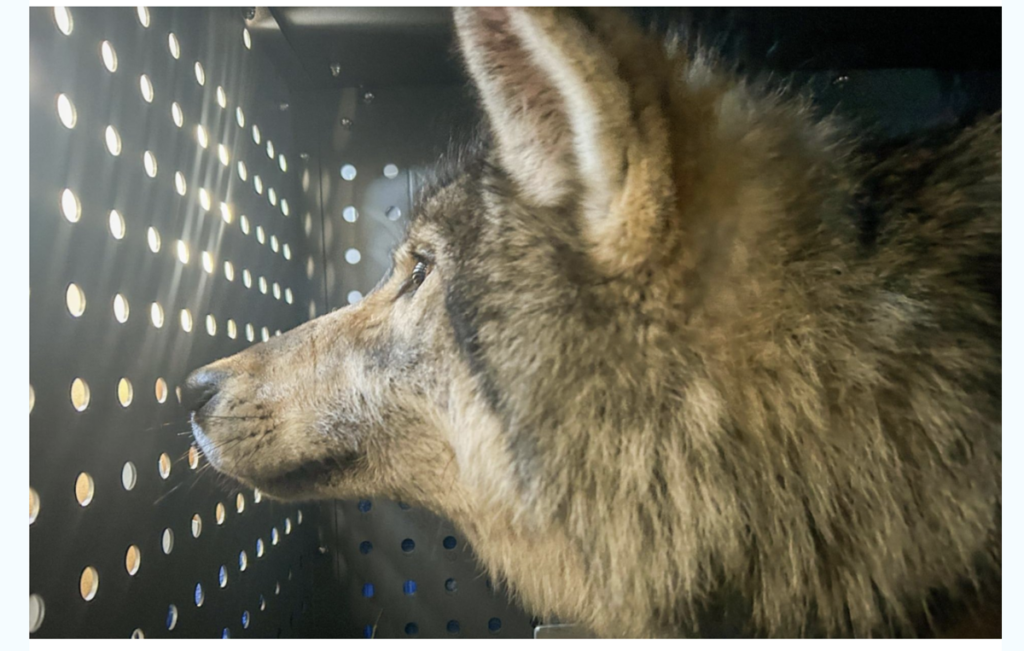
Wildlife commissioner pushes for tougher penalties after hunter accidentally kills Colorado wolf
Marianne Goodland
marianne.goodland@coloradopolitics.com
Updated 19 hours ago
Colorado wildlife officials on Wednesday revisited the agency’s handling of violations involving protected species, prompting renewed debate over whether current penalties are sufficient. Colorado Parks and Wildlife Commissioner Rebecca Niemiec on Wednesday urged the agency to impose stronger penalties —...
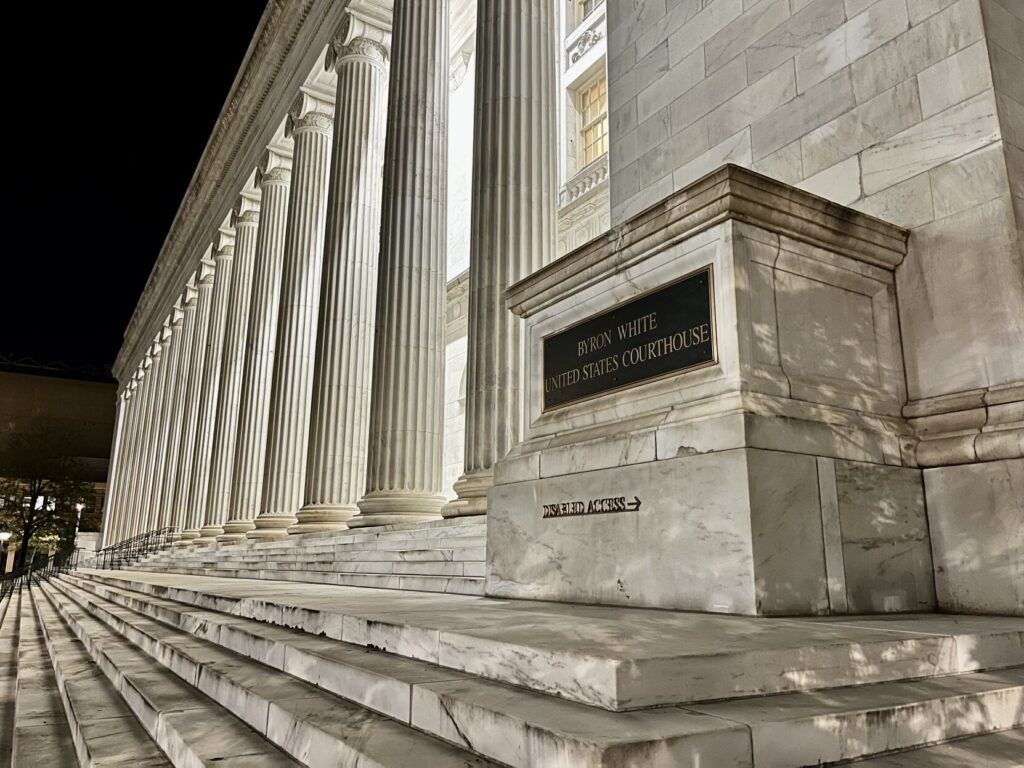
10th Circuit disagrees Sterling officer had no basis to arrest motorist who lacked insurance details
Michael Karlik
michael.karlik@coloradopolitics.com
Updated 18 hours ago
The Denver-based federal appeals court disagreed on Tuesday with a trial judge’s decision to bar evidence from a pat-down search from being used against a defendant. Federal prosecutors obtained an indictment of Jorge Sigala-Baray for being a felon in possession of a...
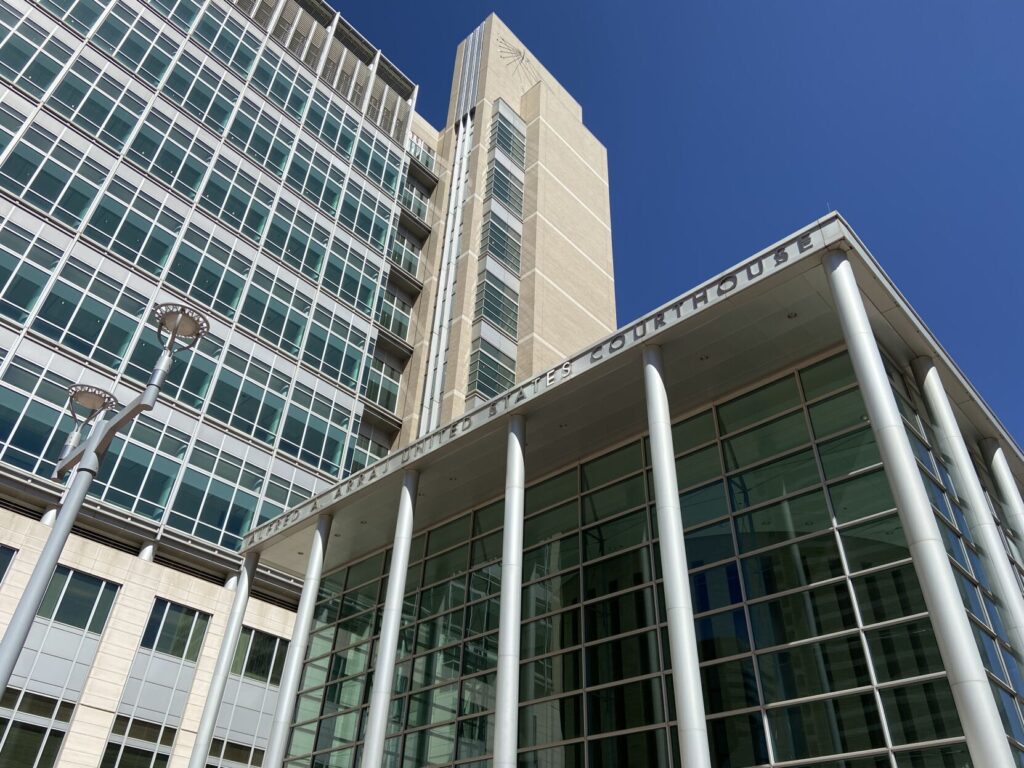
Colorado Springs officers’ tasing, threats prompt federal judge to block use of suspect’s statements
Michael Karlik
michael.karlik@coloradopolitics.com
Updated 20 hours ago
A federal judge blocked the government last month from using some of a defendant’s statements as evidence, reasoning that the defendant made them involuntarily as Colorado Springs officers tased him five times and one officer threatened to kill him. Officers...

Appeals court rejects CDOT employee’s discrimination, retaliation claims
Michael Karlik
michael.karlik@coloradopolitics.com
Updated 24 hours ago
Colorado’s second-highest court agreed last week that a Colorado Department of Transportation employee had not shown that his employer discriminated and retaliated against him due to his religion and national origin. Ayman Salloum, who described himself as a 70-year-old Muslim...

Colorado’s Parks and Wildlife chair’s decision to limit public comments sparks backlash from fellow commissioners
Marianne Goodland
marianne.goodland@coloradopolitics.com
Updated 20 hours ago
Last week, the chairman of Colorado’s wildlife commission unilaterally decided to limit public comments, complaining, in particular, that elected officials often “grandstand” at meetings and noting that the election season is well underway. This week, the commission overturned its chair’s...

Colorado enacts new penalties for violent crimes and updates race categories on state forms
Marissa Ventrelli
marissa.ventrelli@coloradopolitics.com
Updated 23 hours ago
A trio of new laws, two regarding increased penalties for violent crimes and one establishing new requirements for government-issued forms, go into effect on Sept. 1. Here’s a breakdown of what they do. The bill: Senate Bill 25-050 What it...
PREV
PREVIOUS

Should Colorado teens get a vote in school board elections? These legislators think so
A coalition of youth advocates is pushing Colorado to allow most high school juniors and seniors to vote in school board elections. “Students are experts in their own education,” said Tezcatli Diaz, director of youth civic engagement for Student Voice, Student Vote, one of the groups calling for the change. “A lot of people on […]
Democratic state Senate president will vote no on 'red flag' gun bill
Colorado state Senate President Leroy Garcia says he will vote against controversial “red flag” gun legislation. Pueblo Democrat Leroy Garcia’s announcement leaves House Bill 1177 with only an 18-17 margin of passage in the Senate, assuming every other Democrat votes for it — which is not a certainty. Garcia, who in the past has taken […]