

Bill to open files on police internal probes gets support from Colorado House

A bill that would open internal police investigations to public inspections has passed its first test in Colorado’s House of Representatives.
House Bill 1119, proposed by state Rep. James Coleman, D-Denver, would allow anybody to request those internal investigative files after the investigations themselves, and any associated criminal case, is fully complete.
The House gave preliminary approval to the measure on a second vote Monday. A third vote is required before the bill moves on to the Senate.
Currently the release of those documents is left up to the discretion of individual police departments or sheriff’s offices, but proponents of the bill say those information requests are typically denied.
Approving the bill would increase the public’s trust in law enforcement and bolster transparency within those organizations, say HB 1119’s backers.
The bill “balances the public interest in these investigations against the private interest and it does it very, very carefully,” said Rep. Adrienne Benavidez, D-Commerce City.
But opponents say the measure stands to discourage open and frank conversations in those internal investigations and could invade officers’ privacy, exposing them to undue or undeserved criticism from the public.
Rep. Terri Carver, R-Colorado Springs, said Coleman’s bill would tip the scales in favor of the public to the detriment of individual officers and law enforcement agencies.
“This is unwise,” Carver said. “The goal of the bill is well intended. The consequences of some of these cases will end up being very damaging.”
Many internal investigations are successful because those interviewed are promised confidentiality, Carver said. Although the bill allows certain information to be redacted, many would still piece together where information came from, discouraging cooperation with the investigations, Carver added.
Many complaints filed against police, which spark internal investigations, are unfounded and the final reports are fraught with inaccuracies, said Rep. Shane Sandridge, R-Colorado Springs.
The measure would ultimately discourage citizens from becoming police officers, said Sandridge, a former police officer. It would also make the jobs of existing police officers more difficult.
If information requests are denied, Carver said the requester always has the ability to challenge that denial in court.
But those types of lawsuits can easily cost up to $30,000, said Benavidez, the Commerce City Democrat. They’re inherently impractical and therefore a denial of an information request is the end of the line.
“Most people don’t have that,” Benavidez said of the five-figure court costs.
A third Colorado Springs Republican, Rep. Dave Williams, agreed with Benavidez.
Defending his case, Williams mentioned a $100,000 payout Colorado Springs gave to Alexis Acker in 2016 to settle an excessive force lawsuit she filed after a city police officer slammed her to the floor of Memorial Hospital in late 2013, severely injuring her jaw, teeth, face and neck.
An investigation was conducted and the officer was disciplined, though details of why remain sealed. The department denied requests to view those internal investigation files, Williams said.
“If we are going to be paying out taxpayer money to settle these cases then we have absolutely every right to see what’s in those files,” he said. “I do not think there is going to be some problem that is going to arise because we’re bringing a little more transparency to this process.”
The bill could be brought up for a third and final vote in the House as early as Tuesday. If it is approved and passed to the Senate, Sen. Mike Foote D-Lafayette, will sponsor the measure there.


Colorado GOP request to block unaffiliated voters from receiving Republican primary ballots denied by judge
Ernest Luning
ernest.luning@coloradopolitics.com
Updated 2 minutes ago
A federal judge on Tuesday denied the Colorado Republican Party’s request for an emergency injunction barring unaffiliated voters from participating in the state’s upcoming Republican primary election. U.S. District Court Judge Philip A. Brimmer said that preventing unaffiliated voters from...
Aurora not liable for suspended officer’s attack on woman, federal court rules
Michael Karlik
michael.karlik@coloradopolitics.com
Updated 1 hour ago
The Denver-based federal appeals court decided on Monday that the city of Aurora cannot be held liable for an officer’s attack on a woman while he was serving a suspension for shooting a different person. Wyoma Martinez filed suit against...

Colorado’s unprecedented AI law can’t be enforced yet, judge rules
Marianne Goodland
marianne.goodland@coloradopolitics.com
Updated 31 minutes ago
A federal judge on Monday issued a delay in enforcing Colorado’s artificial intelligence law, touted by backers as a tool to protect consumers and residents from algorithmic discrimination but which critics called heavy-handed and unworkable. The lawsuit against Senate Bill...
Colorado bill dealing with administration lobbyists garners support but faces potential veto from Polis
Marianne Goodland
marianne.goodland@coloradopolitics.com
Updated 3 hours ago
A bill that would require lobbyists who work for the state government to abide by the same rules that govern their peers representing for-profit companies and organizations is winning support in both chambers of the Colorado legislature. Gov. Jared Polis,...
Colorado’s $46.8 billion budget nears finish line. Here’s what changed
Marianne Goodland
marianne.goodland@coloradopolitics.com
Updated 4 minutes ago
Colorado legislators on Tuesday adopted a $46.8 billion plan to pay for state operations and programs next year after a joint panel reconciled differences between the House and Senate versions. A small group of lawmakers had resolved those differences. Lawmakers...
Colorado lawmakers propose security overhaul after rise in political attacks nationwide
Marissa Ventrelli
marissa.ventrelli@coloradopolitics.com
Updated 4 hours ago
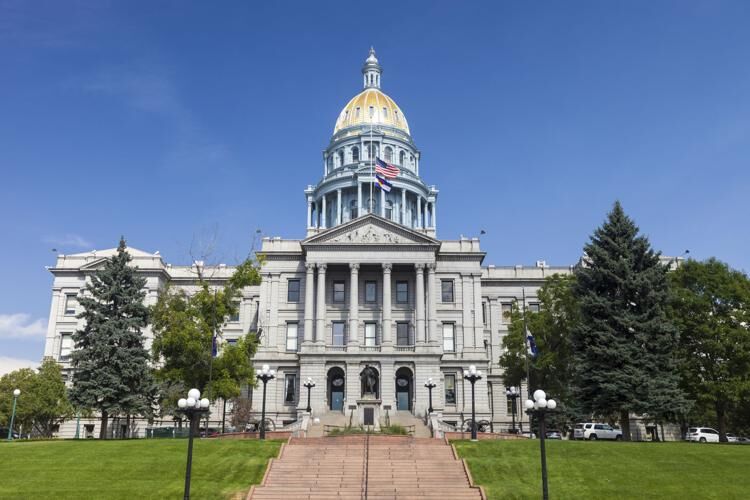
Colorado legislators unveiled a 60‑page bill that would expand protections for elected officials, staff, and judicial employees, responding to a string of high‑profile attacks nationwide and growing safety concerns inside courthouses and the state Capitol. Part of their effort is...
Lauren Boebert’s private financial records sought by Biden’s DOJ, U.S. House committee says
Colorado Politics
colorado-politics@coloradopolitics.com
Updated 6 hours ago
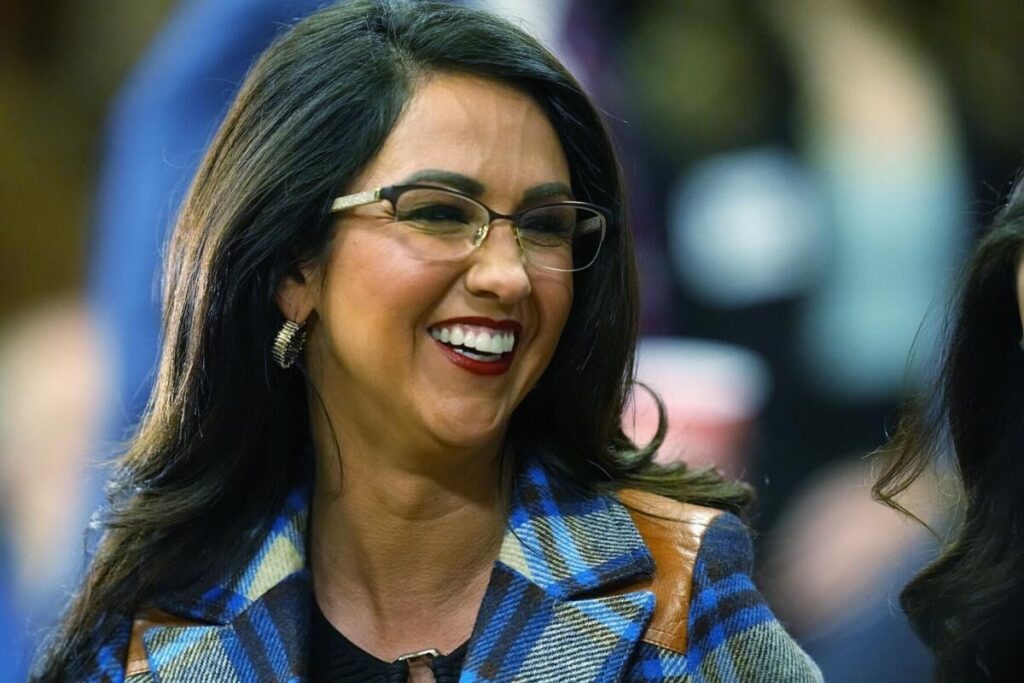
A U.S. House committee is seeking documents from a Colorado bank, saying new information shows that the Biden administration might have sought the private financial records of U.S. Rep. Lauren Boebert. This comes as part of a congressional investigation into...
Colorado Democrats eye new state requirements for ICE facilities
Marissa Ventrelli
marissa.ventrelli@coloradopolitics.com
Updated 4 hours ago
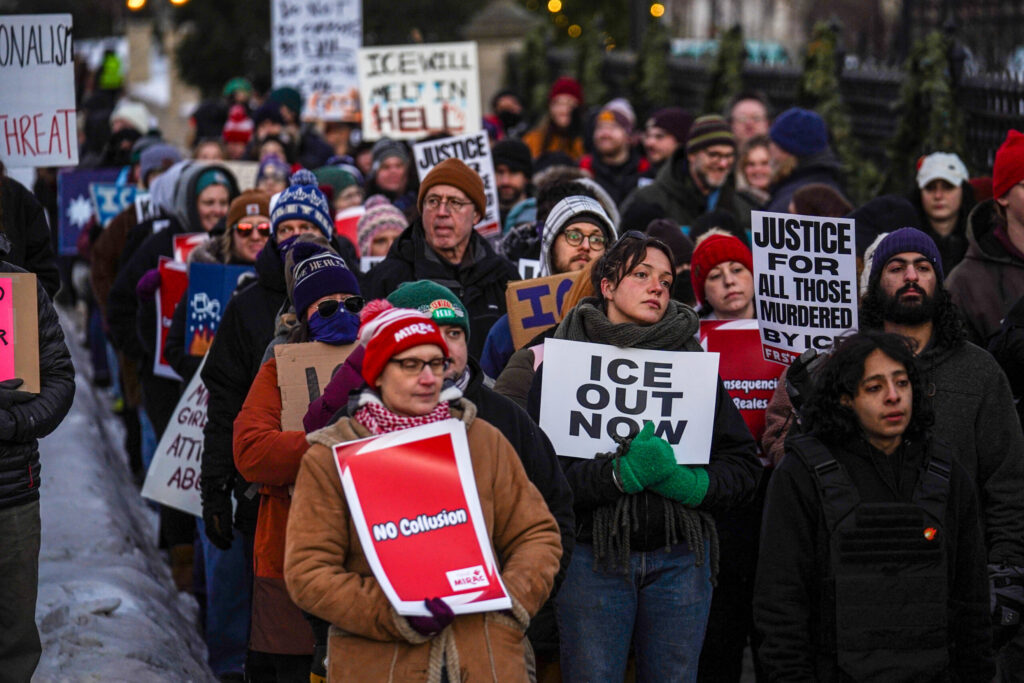
Colorado state representatives voted along party lines to pass a bill establishing additional inspection requirements for immigration detention centers and expanding civil liabilities related to sharing information with federal immigration authorities. It’s the latest proposal to come out of the...

Lawsuit from men wrongly arrested for Denver shooting dismissed by federal appeals court
Michael Karlik
michael.karlik@coloradopolitics.com
Updated 6 hours ago
The Colorado-based federal appeals court dismissed a lawsuit last week from two men who were arrested as suspects in a downtown Denver shooting when they instead appeared to be the targets. Trevor Puller and Deandre Hutchinson alleged that they were...
Johnson delays votes on major bills as GOP infighting derails agenda
Hailey Bullis and Lauren Green, Washington Examiner
hailey.bullis.and.lauren.green.washington.examiner@gazetteedit.wpenginepowered.com
Updated 6 hours ago
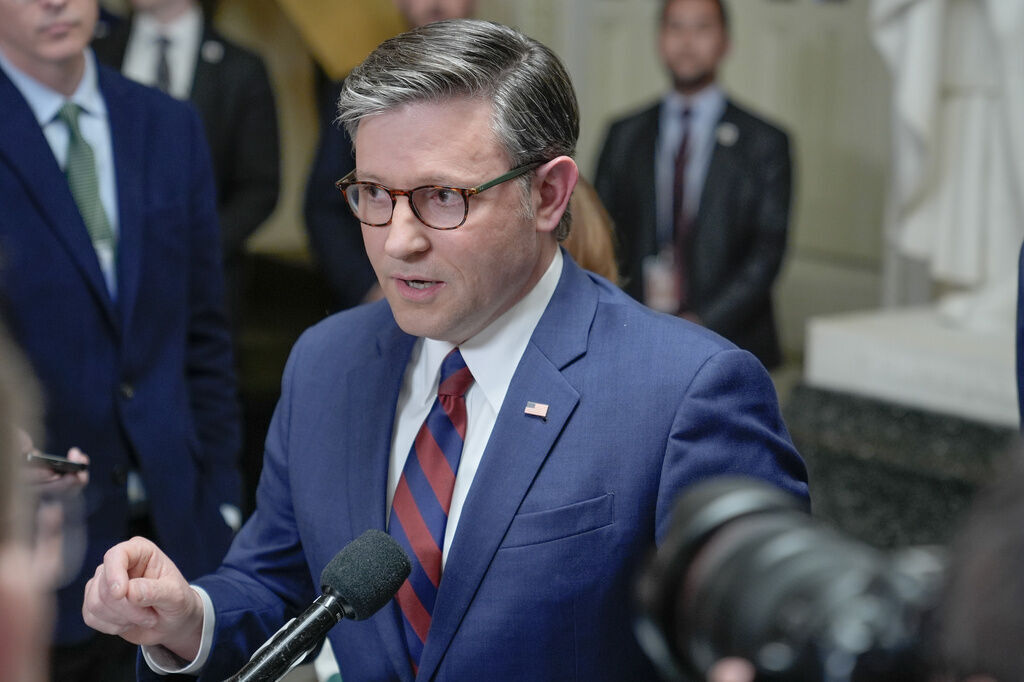
Strife within the House Republican conference is once again on public display, derailing Speaker Mike Johnson’s (R-LA) plans to pass three major pieces of legislation this week. The House Rules Committee was set to meet at 8 a.m. after having...
PREV
PREVIOUS

Bill setting limits on plastic straws dies in Colorado House committee
Restaurants and bars would have no longer been able to automatically dispense plastic straws under a proposed law that died Monday afternoon in a Colorado House committee. The bill died at the request of the very representative who proposed it: Rep. Susan Lontine, D-Denver. That request came after the House Committee on Energy and Environment […]

Denver teachers back pay deal reached after strike
Denver teachers have overwhelmingly voted to accept a new contract reached after a three-day strike earlier this month. The teachers’ union announced Monday that 97 percent of members voted for the deal. It provides an average base pay increase of 11.7 percent in the next school year for teachers and support staffers like social workers. […]