

The Colorado Springs Gazette: Save teacher wages; put PERA on a diet
Sponsors of bipartisan Senate Bill 200, intended to fix Colorado’s troubled public employees’ pension, deserve accolades for removing a proposed 2 percent increase in the taxpayer and employer contribution to the fund.
Don’t throw new money at PERA. Put the plan on a diet, and rein in the costs.
As the bill works its way through the Senate Appropriations Committee Tuesday, on its way to the House of Representatives, legislators should avoid any increase in the taxpayer contribution.
As frequently stated in this space, Colorado teachers are grossly underpaid. The original version of SB 200 contained a 2 percent increase in the taxpayer contribution rate, which would cut into teacher pay.
As it stands, schools and other public employers pay a PERA contribution equal to 20.15 percent of employee salaries. Adding more to this would only impose more hardship on teachers and other public employees.
At a recent hearing, Denver Public Schools Superintendent Tom Boasberg explained how pension costs squeeze school district budgets across the state to the point at least half of the of districts are going to four-day work weeks and making due with excessive classroom populations.
Boasberg said a 2 percent increase in taxpayer contributions would cut $55 million from the budget of Denver Public Schools – the second-largest employer of PERA members. That’s enough money, he explained, to pay for “well over 700 teachers.”
We don’t need pension funding to become the primary objective of schools and other government entities charged with serving the public.
“We’ve seen how General Motors became a pension fund that also made cars,” said a top official of then-New York Mayor Michael Bloomberg. “Unless we make real changes, New York City’s government is in danger of becoming a pension fund that occasionally delivers city services to the people who live here.”
The increase in contributions, Boasberg said, would cause “reduced salaries or cuts and reductions in positions.” He recommended adjustments focus more on the structure of benefits paid to retirees, and less on funding.
Forecasts show Colorado’s Public Employees Retirement Association with a $32 billion unfunded liability, which risks the fund’s ability to pay future retirees if adjustments are not made to improve the trajectory. State agencies, local governments, and school districts simply cannot afford the generous benefits promised by PERA.
“Failure to control retirement costs has dragged down states like Illinois, where pensions consume one quarter of the budget, and bankrupted giants of U.S. industry like General Motors,” states the executive summary of a PERA study commissioned by Colorado’s Common Sense Policy Roundtable and REMI Partnership.
State, local, and school district employer contributions to PERA have almost doubled in 10 years to $1.6 billion.
“Pension costs should not be allowed to crowd out funding for essential public services, including road maintenance and construction, new and expanded schools, police and fire departments, and more. We must put PERA on a sound financial footing, but not at the expense of other essential budget priorities in Colorado. This is common sense,” the summary states.
SB 200 reduces guaranteed annual increases in retiree benefits from 2 percent to 1.25 percent. To protect teacher salaries, school district budgets, and other taxpayer interests, legislators should amend the bill to reduce the automatic increases to 1 percent, or even .75 percent. Doing so would help pay off the unfunded liability in less than 30 years, as determined by the Common Sense and REMI Partnership study.
If legislators and Gov. John Hickenlooper save PERA by raising retirement ages and reducing automatic raises for retirees, they will avoid eroding teacher salaries and maintain the pension as a plan most private-sector employees will continue envying.
Save PERA, but not on the backs of employers, school district, teachers, and other taxpayers. Craft a bill that reflects the advice of Superintendent Boasberg. Focus on the benefit structure, not the funding side.

Colorado open records reform bill dies in Senate committee
Marianne Goodland
marianne.goodland@coloradopolitics.com
Updated 56 minutes ago
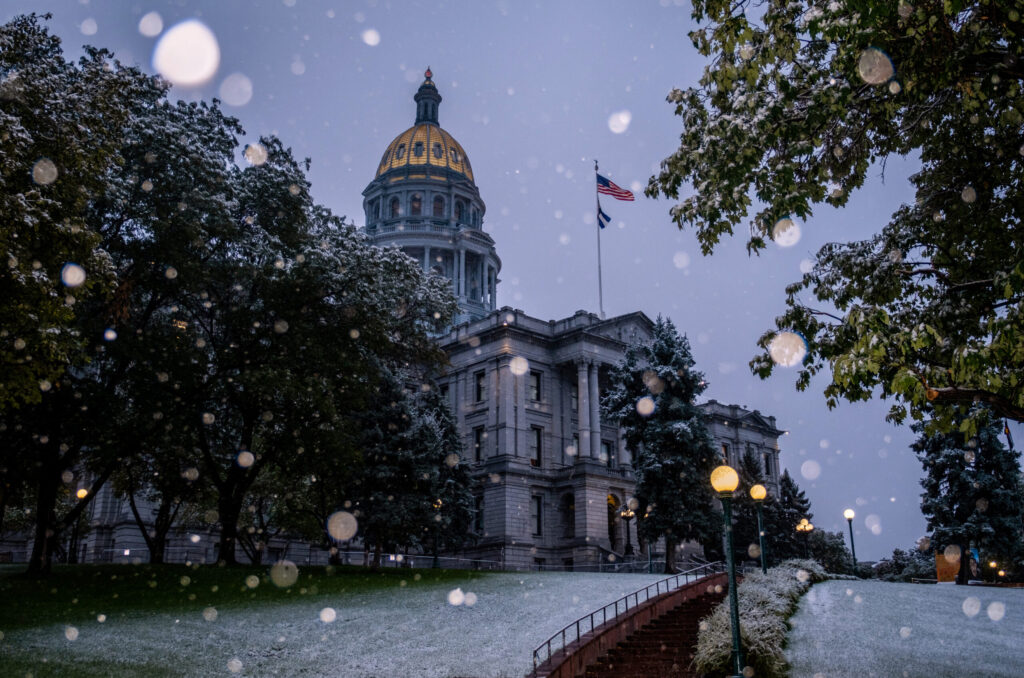
Efforts to overhaul Colorado’s open records law have stalled again. Senate Bill 107, which would have extended response times for public records requests and added accountability measures for late responses, failed to advance out of its first committee and will...
Colorado Supreme Court blocks ballot initiative defining ‘fees’
Michael Karlik
michael.karlik@coloradopolitics.com
Updated 1 hour ago
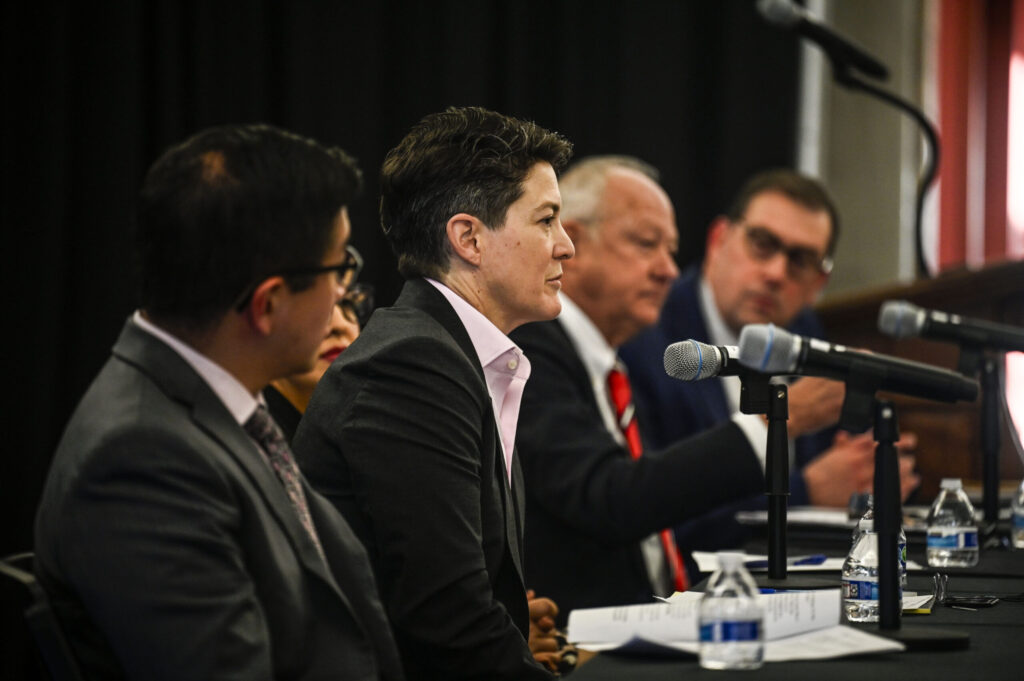
The Colorado Supreme Court blocked a proposed ballot initiative on Monday that would have required voter approval for new fees above a certain threshold, while also enshrining a definition of “fee” into the state constitution for the first time. Chief...
Colorado joins multi-state call to keep ICE away from polling locations
Jacob Mauk
jacob.mauk@denvergazette.com
Updated 1 hour ago
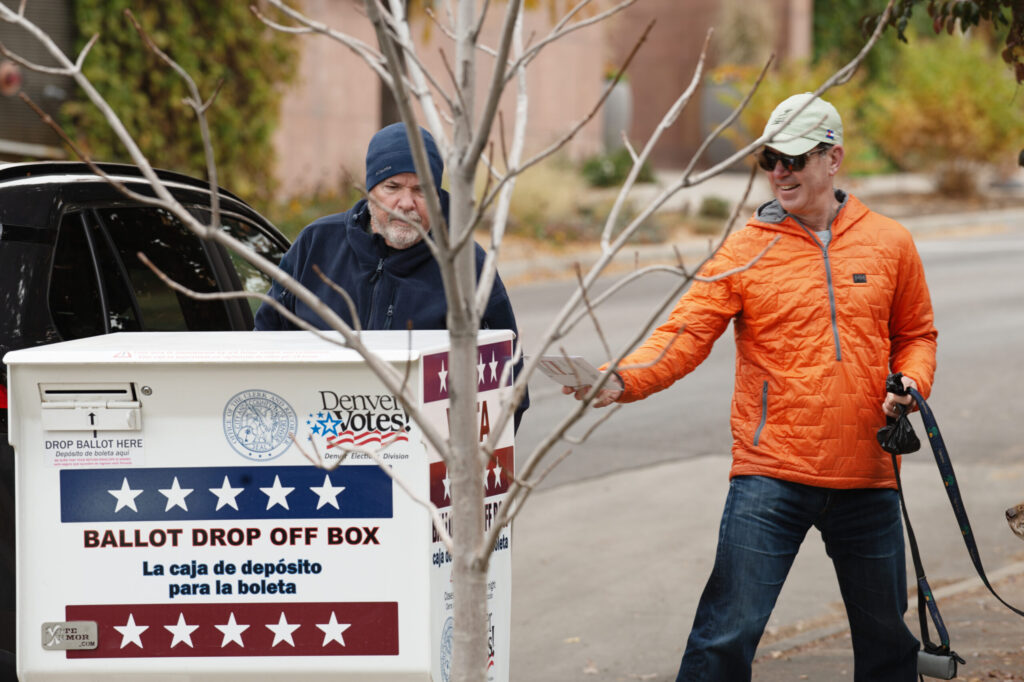
Colorado Secretary of State Jena Griswold announced Monday that the state has formally requested written confirmation from the Department of Homeland Security that ICE agents will not be stationed at polling locations during the 2026 election cycle, according to a...
Colorado prostitution decriminalization bill shelved after sponsor says it lacks votes
Marianne Goodland
marianne.goodland@coloradopolitics.com
Updated 1 hour ago
A bill that would have decriminalized prostitution in Colorado will not move forward this year after its sponsor said it lacks the votes to pass its first committee. Sen. Nick Hinrichsen, a Pueblo Democrat, said he will ask to postpone...
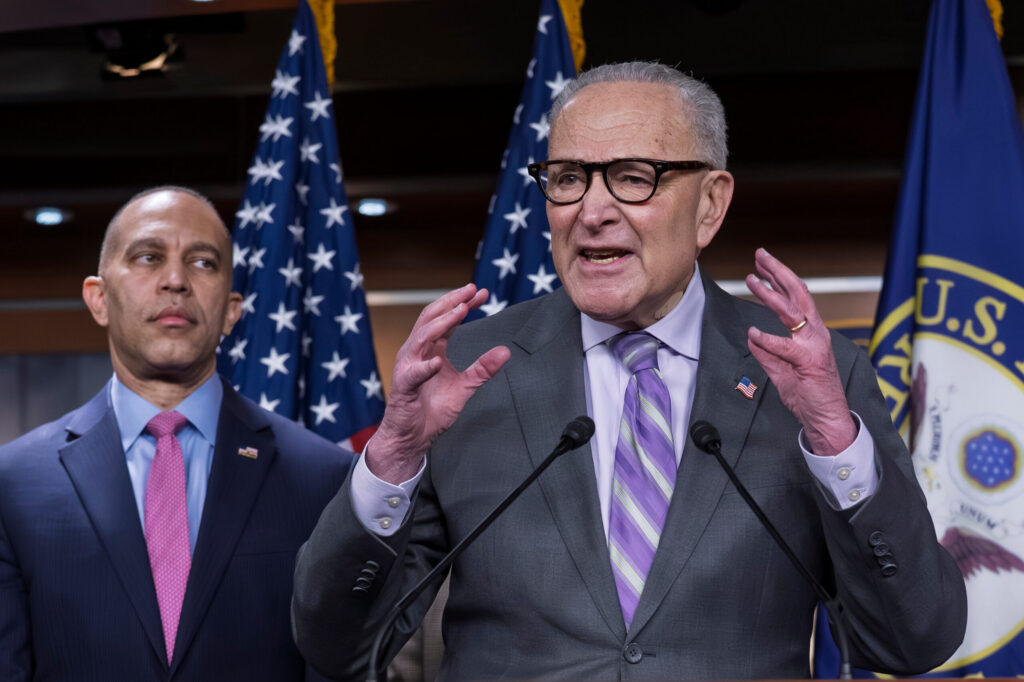
GOP senators push back against Schumer’s ‘Jim Crow 2.0’ description of SAVE Act
Asher Notheis, Washington Examiner
asher.notheis.washington.examiner@gazetteedit.wpenginepowered.com
Updated 2 hours ago
Sens. Rick Scott (R-FL) and Mike Lee (R-UT) pushed back on Senate Minority Leader Chuck Schumer’s (D-NY) framing of the SAVE America Act as “Jim Crow 2.0” on Sunday. President Donald Trump announced Sunday that he will not sign any...
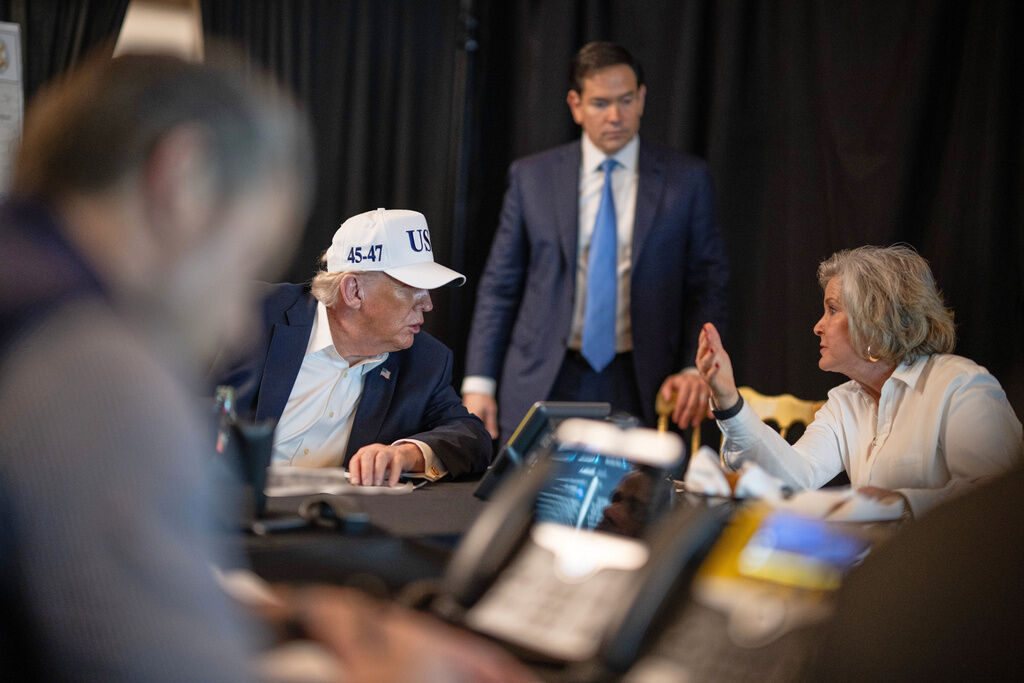
Rubio warns US will no longer tolerate ‘hostage diplomacy,’ claims Iranian military is ‘being eviscerated’
Timothy Nerozzi, Washington Examiner
timothy.nerozzi.washington.examiner@gazetteedit.wpenginepowered.com
Updated 3 hours ago
Secretary of State Marco Rubio is warning hostile state actors, Iran in particular, that the United States will no longer engage in “hostage diplomacy.” Rubio made the remarks ahead of a flag-raising ceremony at the State Department to mark U.S....
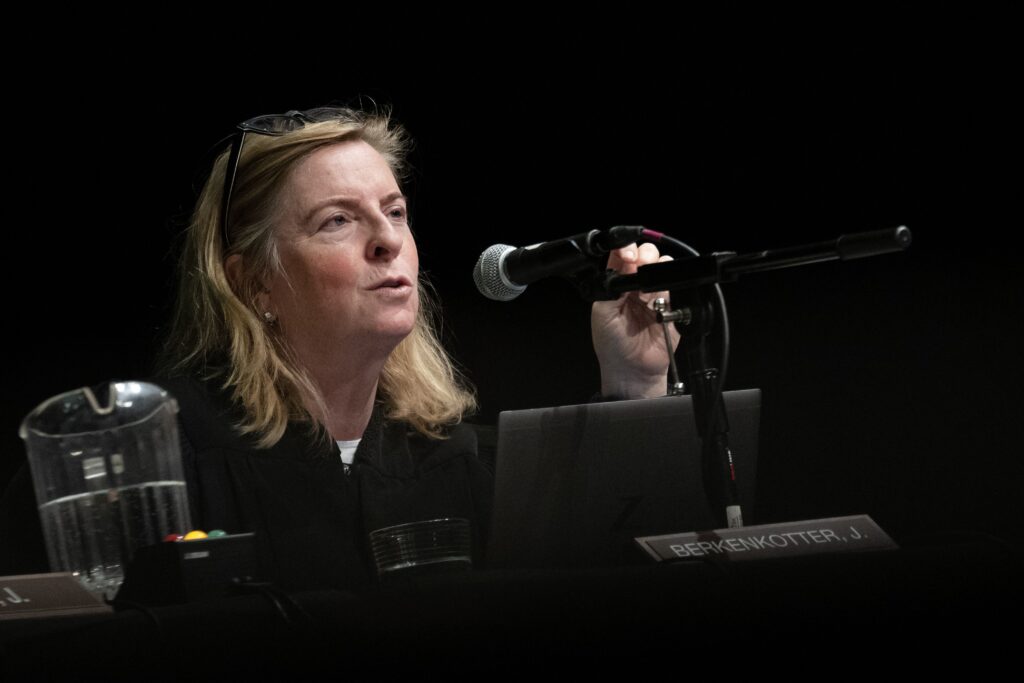
Colorado justices, by 5-2, say Longmont detective did not violate suspect’s Miranda rights
Michael Karlik
michael.karlik@coloradopolitics.com
Updated 3 hours ago
The Colorado Supreme Court’s majority ruled on Monday that a Longmont detective did not coerce a suspect into talking by making references to how a judge would look at his character, and by suggesting he may get out of prison...
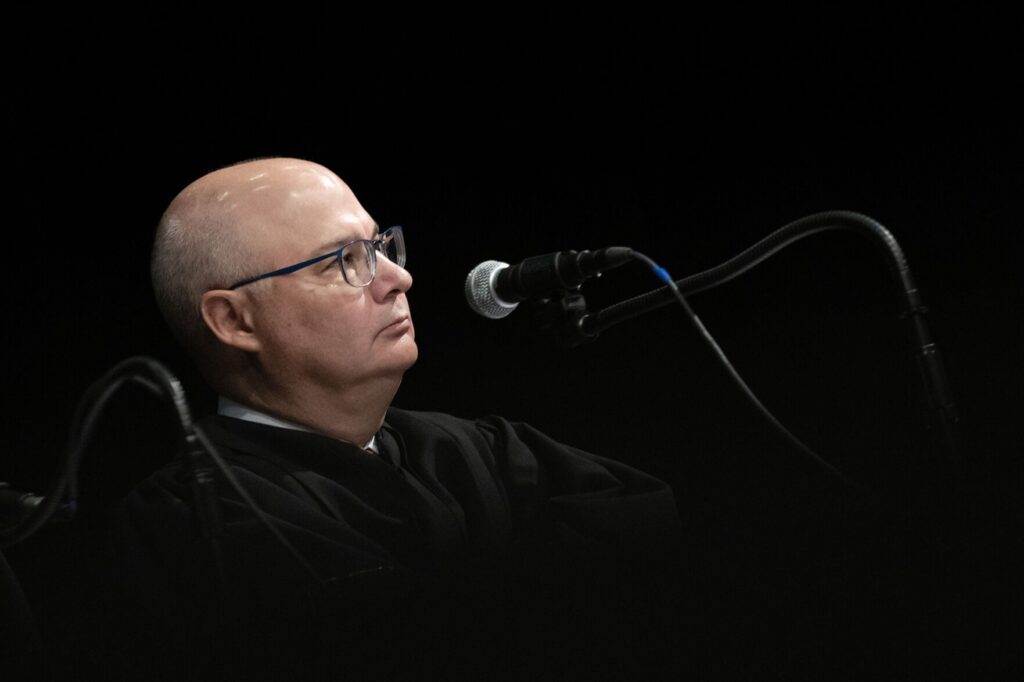
Colorado justices find Fort Collins police lacked probable cause to arrest suspect in park
Michael Karlik
michael.karlik@coloradopolitics.com
Updated 5 hours ago
The Colorado Supreme Court agreed on Monday that Fort Collins police lacked probable cause to arrest a man for a child sex offense based on his presence in a public park around the time they intended to meet with their...

Colorado board delays vote on banning soda purchases with SNAP benefits
Marissa Ventrelli
marissa.ventrelli@coloradopolitics.com
Updated 4 hours ago
The Colorado Board of Human Services voted to delay its decision on whether to allow Supplemental Nutrition Assistance Program recipients to use benefits to buy soft drinks. Under the “Healthy Choice Waiver,” SNAP recipients would be prohibited from using benefits...

Supreme Court to hold oral arguments, discipline commission releases report | COURT CRAWL
Michael Karlik
michael.karlik@coloradopolitics.com
Updated 7 hours ago
Welcome to Court Crawl, Colorado Politics’ roundup of news from the third branch of government. The state Supreme Court is holding oral arguments this week, plus Colorado’s judicial discipline commission released its annual report. Colorado Supreme Court news • The Supreme...
PREV
PREVIOUS

Colorado House moving bills aimed at high healthcare costs
DENVER – House Democrats have made good, so far, on their promise to pass bills aimed at curbing healthcare costs, and Thursday they passed one out of committee to address the high cost of insulin. House Bill 1009, sponsored by Rep. Dylan Roberts, D-Eagle, would require pharmaceutical companies, pharmacy benefit managers, insurers and nonprofits to […]
The Pueblo Chieftain: Fort Carson fire response
Fort Carson needs to bring stronger, more urgent response measures to bear on future wildfires like the blaze that flared up in the Midway area over the weekend during live training at the Army base. The fire, first detected last Friday, consumed about 3,300 acres of land and took out numerous structures before it was […]