

Colorado’s crisis hotline aims to avert the next James Holmes
Charissa Tvrdy worked away at her desk in an office filled with cubicles and computer screens in an high-rise building off Colorado Boulevard in Denver. If you didn’t know better, she could have been handling life insurance claims.
The florescent lights overhead are turned off. The shaded lights in each cubicle passively lower the emotional temperature of the room.
Voices murmur, like the sound like friends chatting. “You’re doing fine,” one voice rises. Another takes its place: “What makes you feel that way?”
This is how time bombs get defused in a tragic world full of guns, loneliness and simmering desperation. A dozen workers or workers around the clock in this everyday office are taking the edge off dangerous situations.
Rocky Mountain Crisis Partners mans the 24/7 hotline for Colorado Crisis Services, a program proposed by Gov. John Hickenlooper and created by the legislature in 2013, after the Aurora theater shooting. So much danger was overlooked in gunman James Holmes leading up to that hot July night in 2012.
Since the crisis line started in August 2014 through the end of July, it had received 267,882 calls. In the previous 12 months alone, Tvrdy and the others fielded 118,550 calls.
Tvrdy recalled a harrowing call she received late in the afternoon months ago.
The caller, like Holmes, was a troubled man in his 20s. The person he wanted to hurt was himself, and he was well on his way.
He had overdosed on over-the-counter medication. He was panicked about dying but he was fearful of getting help, afraid of surviving and what people would think of him for doing this.
“I think he felt stuck,” Tvrdy said. “He didn’t know what to do.”
She was scared, too. Her heart raced and she felt shaky inside, but she knew what to do. Her voice stayed calm and encouraging as the minutes drew out like a blade.
He wouldn’t tell Tvrdy where he was, and the emergency responders couldn’t connect his phone number to an address. Tvrdy assured him that people would only come there to help him. Eventually she won him over, and he gave an address. She felt a wave of relief in what would become a bungee cord of stress and relief.
When Tvrdy heard the sound of law enforcement at the caller’s door through the phone, she thought it was over.
He had told her earlier he had a knife. She asked him to put it away before police arrived, but suddenly from what she could hear over the phone she knew he had the knife in his hand.
“It’s OK, it’s OK,” she called to him, as calmly as she could. “Just put it down. They’re here to help you, but I really need you to put the knife down, so they can help you. Just, please, put it down.”
The young man listened to her. Life won out, and that’s not uncommon in this office full of cubicles, dimmed lights and warm voices.
Always there
“In a moment of crisis, we want Coloradans to have someone to turn to,” Hickenlooper told Colorado Politics. “We are committed to connecting people with the help they need, when they need it most.”
In 2013, when the legislature put $3 million in the crisis hotline, there were 1,004 suicides, the second highest on record at the time to the 1,053 in 2012.
In 2015, the latest numbers available, Colorado set a sad record, 1,093 people took their own lives.
While the vast amount of work on the crisis line is highly confidential and very personal for the people calling in for help coping with daily struggles, counselors also get calls from people who are homicidal. They are bound by law to report threats against people or places.
A counselor once had to call law enforcement to the Auraria college campus in Denver, because a student said he was upset and he had a gun on campus. Police got there in time to intervene, peacefully.
There’s also no way to tell if James Holmes would have availed himself to such a service, but his downward spiral of mental health is not uncommon, even if his actions were extreme.
The public mental health problems are many, but the roots are often tangled, according to counselors at Colorado’s hotline.
The reasons for many calls have common denominators: loneliness, depression, substance abuse and the paralysis of desperation.
People call a crisis line instead of a friend, because “I think it’s the fear of not knowing what someone will say if you do tell them, and the stigma, as well, around the mental health issue and substance abuse issues, too,” Tvrdy said.
“The crisis hotline has connected thousands of Coloradans with trained professionals for support, whether they need help themselves or are reaching out because they’re concerned about a friend or family member,” said Reggie Bicha, the director of the Colorado Department of Human Services.
“We have learned a lot over the past five years, and will continue to make adjustments and new investments in the system to ensure it meets the needs of the people in our state.”
The call to 1-844-493-8255 is free. People also can text “talk” to 38255.
Kids are common callers
Bev Marquez, the CEO of Rocky Mountain Crisis Partners, said about 27 percent of callers are not in crisis, but looking for answers from people who know the system, so they can help a family member or friend.
“We’ve got 10-year-olds texting us,” Marquez said.
About 500 people a month also reach out with their thumbs on a smartphone about worries, drugs, breakups and more. Kids can type on a phone what they couldn’t say to a friend or stranger’s face, counselors said.
The Colorado Health Foundation said in a report last year estimated that 442,280 Coloradans don’t have access to mental health care they need. That includes 24.3 percent of adolescents and 13.7 percent of those older than 65.
Children typically text because they’re worried about a friend, about social media posts, about their parents. “They might text and say, ‘My mom is drinking too much and I’m scared, and what do I do? They might say, ‘I just realized I’m gay and I have no one to talk to about it.'”
It’s sadly not uncommon for children to say they’re thinking about suicide. A counselor might ask them what helps them not feel that way, whether they have access to guns or drugs and whether they have a way to get them.
“Sometimes it’s just having that conversation with them that makes a difference, and think about other options,” Marquez said.
After the Aurora theater shooting, the conversation around mental health intervention became more serious and determined.
“I think it really brought the conversation to a level that it hadn’t been before, even talking about what is crisis intervention, what kind of difference does it make,” Marquez said.
Success is measured by three things: the level of risk people are at when they call and the level that they’re at when the call has ended, and, thirdly, the follow-up call.
But success is a relative and elusive term, Marquez concedes, because how do you measure what could have happened but didn’t, a suicide, a shooting or endless possibilities averted by a voice offering comfort and options.
“When we are able to exercise an option besides law enforcement and the emergency room, we think that’s success,” Marquez said.
Caring for caretakers
Burn out is fast in the occupation.
Counselors undergo 100 hours of training before they get on the phones. Then they’re on phones at least three months, before they use text.
“We teach things here you don’t learn in graduate school,” she said.
Managers, administrators and supervisors tend to stay around, but the call-takers? “If they stay here 18 months to two years, we’re lucky,” Marquez said.
Other clinicians see one patient for an hour.
“This job is about taking a call every 10 minutes,” she said.
People need to accept that there’s nothing weak about asking for help, said Cristen Bates, director of strategy, communications and policy for DHS’s Office of Behavioral Health.
“People who have all the training in mental health and theoretically have all the tools, they still need help,” she said.
Marquez has been a crisis counselor for 25 years. Her own family has seen generations of substance abuse, she said. A lot counselors bring empathy from their own lives to the job.
“I do this work because it makes a difference,” she said. “I want to be at the right place at the right time when there’s a window of opportunity.”
Clinician Josh Larson keeps no more secrets about how he wasted careers in financial planning and meteorology on alcohol. His family had no experience with alcoholism, and he wallowed in shame and secrets.
“Without social contact, we can all fall into depression pretty easily,” he said.
He got sober and got a master’s degree in counseling to help others get out of the pit he was in.
Loneliness is its own crippling addiction, he said.
“Sometimes callers just need to be validated, because they don’t have anyone in their life who really engages with them,” Larson said. “We find that a lot of the people who call in are fairly isolated.”
Success can mean just getting someone to take the first step toward getting better.
“We don’t have that much of a challenge to convince people they need to increase they social contact, but it’s getting them to take that first step, by just saying hi to their neighbor each day or going to coffee shop and hanging out for awhile, even if they don’t talk to anyone,” he said.
“It’s just that first step that can make a difference.”
Tvrdy doesn’t know how the young man she saved is doing, but she hopes he’s moving in the right direction.
She won’t say if being there is enough to ensure another James Holmes doesn’t slip into violent madness.
“I feel better knowing that there are services now that weren’t available when that happened, where there might be an outlet to keep things from getting to that point,” she said.
“This is a safe place to start that conversation.”
After she hung up the call with the young man she possibly saved, Tvrdy walked outside the tall building for fresh air, as traffic churned by on Colorado Boulevard.
After 10 minutes, she went back inside and took another call and help someone else.

Colorado Politics Calendar Sept. 7-13
Rachael Wright, Special to Colorado Politics
rachael.wright@coloradopolitics.com
Updated 6 days ago
CoPo’s weekly political calendar will help you find political and public-policy events throughout Colorado. It includes candidate and issue campaign events, public policy meetings, court hearings, state and local party conventions, assemblies, debates, rallies, parades, speaking engagements, traveling dignitary appearances,...
Blue-collar support trends highlighted GOP gains among rank‑and‑file workers | A LOOK BACK
Rachael Wright, Special to Colorado Politics
rachael.wright@coloradopolitics.com
Updated 5 days ago
Forty-five years ago this week: Kathy Oatis of the Colorado AFL-CIO’s Committee on Political Education said that organized labor had a negative image with the American voter. “I don’t think the country is against us,” said Oatis. “I think the...

The dissonance of an American Jew thinking about Israel | SONDERMANN
Eric Sondermann
eric-sondermann@coloradopolitics.com
Updated 5 days ago
The Jewish High Holidays will soon be upon us. The third anniversary of Oct. 7 will then quickly follow. Three weeks later, Israeli voters will head to the polls to elect all 120 members of its parliament, the Knesset and...

Parenting from prison: Inmates hope to be present in their children’s lives, while physically absent
Marianne Goodland
marianne.goodland@coloradopolitics.com
Updated 7 hours ago
The room was decorated with balloons, the tables sparking bright with colors as the smell of pizza and cake wafted through the air. As did music. This was, after all, a father-daughter dance. Except this was not a typical father-daughter...
Colorado House ethics committee issues ‘stern letter’ to Democrat over caucus funds mismanagement
Marianne Goodland
marianne.goodland@coloradopolitics.com
Updated 2 days ago
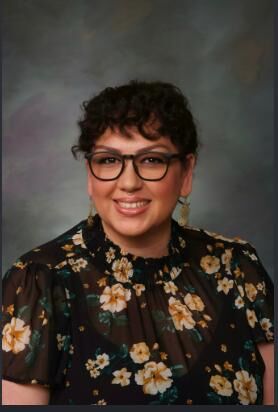
The Colorado House ethics committee on Friday voted unanimously to issue a “stern letter” to Rep. Mandy Lindsay, D-Aurora, regarding her mismanagement of House Democratic caucus funds. The committee further voted to request that Lindsay resign as Democratic Caucus co-chair...
Appeals court confirms Colorado judges can compel electronic records from out of state
Michael Karlik
michael.karlik@coloradopolitics.com
Updated 2 days ago
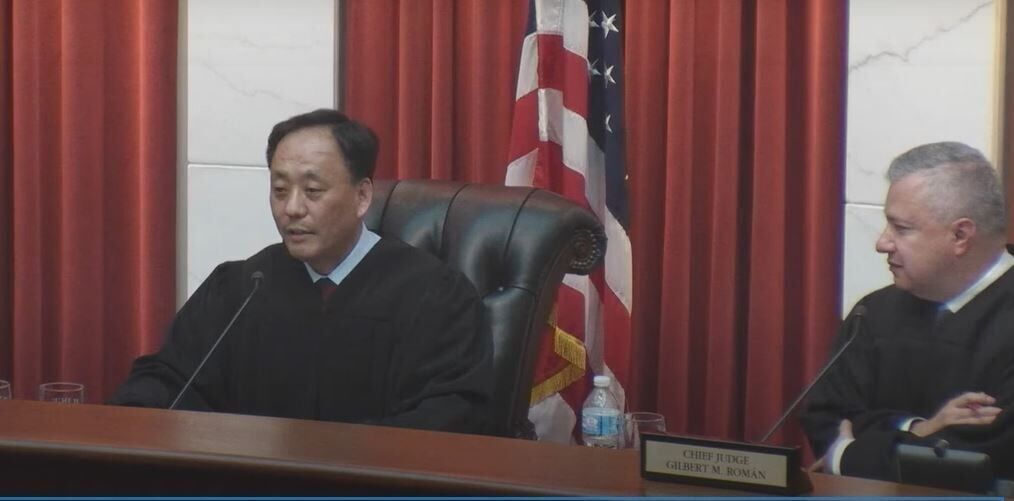
Colorado’s second-highest court clarified on Thursday that judges are empowered to compel out-of-state companies to produce electronic records under state law. El Paso County jurors convicted Mischa Jargowsky on three counts of money laundering and one violation of Colorado’s organized...

Federal judge extends block on Trump executive order seeking to limit mail voting in the midterms
The Associated Press
the-associated-press@coloradopolitics.com
Updated 3 days ago
A federal judge on Friday extended her prohibition against the U.S. Postal Service implementing President Donald Trump’s executive order seeking to limit mail voting during the midterms, putting another major obstacle in the way of the administration as the first...
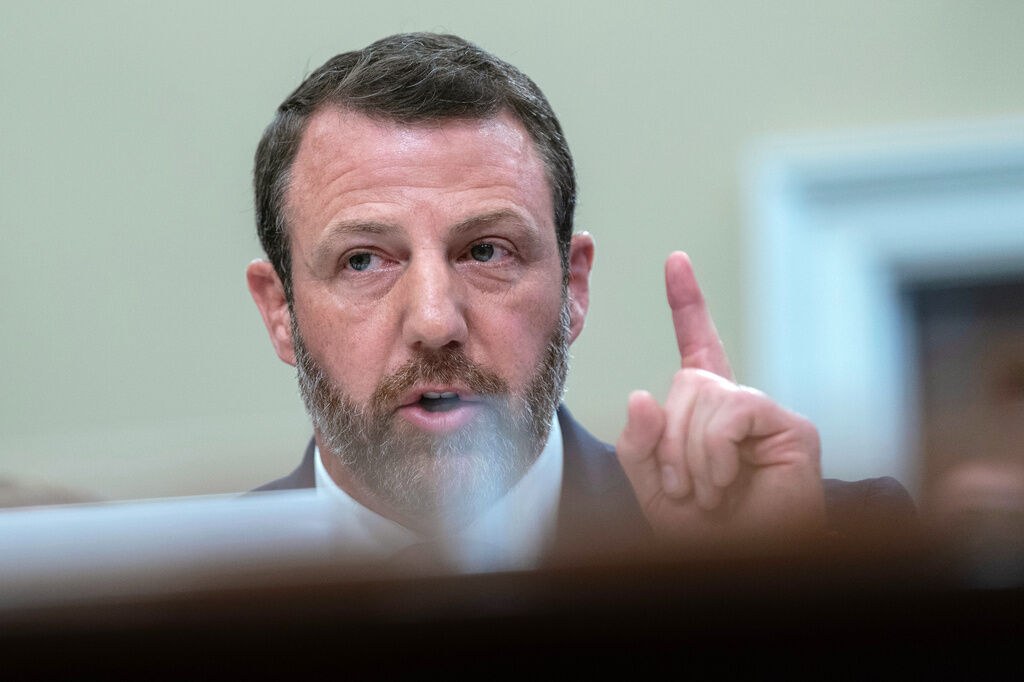
Mullin asks DOJ to review voter data sharing tied to Zuckerberg-funded nonprofit group
The Washington Examiner
the-washington-examiner@coloradopolitics.com
Updated 2 days ago
Washington Examiner Homeland Security Secretary Markwayne Mullin asked the Justice Department this week to review whether election-related nonprofit groups, some with multimillion-dollar backing from a Mark Zuckerberg-linked nonprofit, improperly received sensitive state motor vehicle and voter-registration data. In a letter...
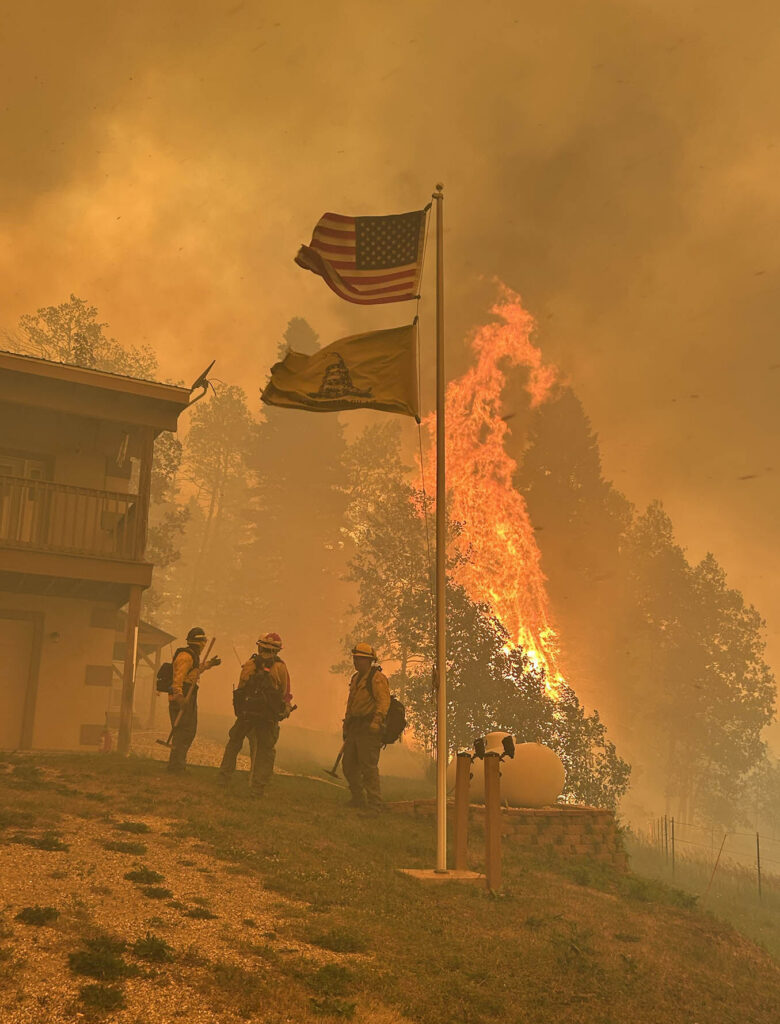
Colorado secures FEMA support for wildfire, flooding and mudslide recovery
Marissa Ventrelli
marissa.ventrelli@coloradopolitics.com
Updated 2 days ago
Federal authorities on Friday approved Colorado’s request for federal public assistance to help communities devastated by the Aspen Acres and Gold Mountain Fires. The Federal Emergency Management Agency did not announce how much the state would receive but confirmed that...
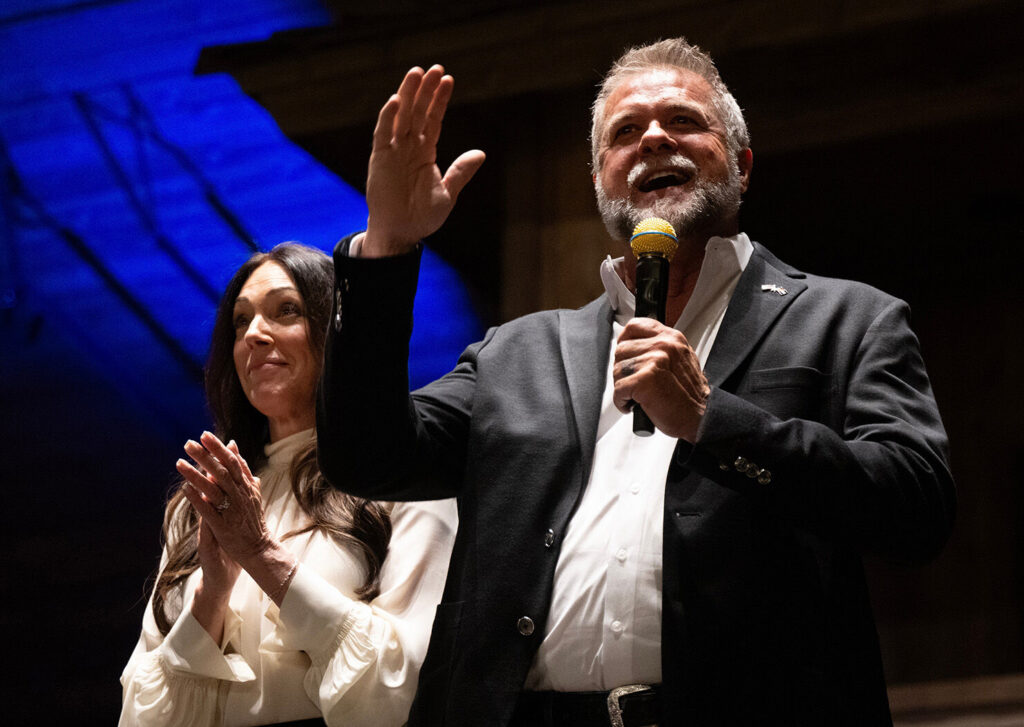
State seeks $50K penalty against GOP candidate Victor Marx over alleged campaign finance violations
Deborah Grigsby
deborah.smith@denvergazette.com
Updated 3 days ago
Republican gubernatorial candidate Victor Marx is looking at more than $50,000 in fines in what the Elections Division of the Office of the Secretary of State calls “unprecedented” campaign finance violations. The state has not imposed that fine yet, and...