

SPONSORED CONTENT: Multiple Studies: Fracking does not contaminate groundwater
At least eight studies across the United States over the past three years have confirmed that fracking does not contaminate groundwater.
From Colorado State University to Yale University to the U.S. Geological Survey, experts have found no evidence that hydraulic fracturing, commonly known as “fracking,” is causing contaminants to seep into drinking water wells
“There isn’t a chronic, the-sky-is-falling type of problem with water contamination,” Ken Carlson, a CSU professor of civil and environmental engineering, told The Coloradoan.
Carlson’s team developed a system to monitor groundwater quality at oil and natural gas sites in real time. The team publishes their results on a webpage called “Colorado Water Watch,” and to date, they have found no evidence of groundwater contamination from oil and natural gas production.
Our funders, the groups that had given us funding in the past, were a little disappointed in our results. We haven’t seen anything to show that wells have been contaminated by fracking.” – Amy Townsend-Small, the lead researcher of a University of Cincinnati study
This year alone, the USGS failed to find any instances of water contamination from fracking in 116 wells in energy producing areas of Arkansas, Texas and Louisiana, and The Academy of Medicine, Engineering and Science of Texas (TAMEST) released a study concluding that contamination of drinking water from fracking “has not been observed in Texas” and is “highly unlikely” to contaminate drinking water aquifers.
Similar studies in Ohio, Wyoming and West Virginia have also found no evidence of groundwater contamination from fracking or other oil and natural gas production. And a massive, 5-year study by the U.S. Environmental Protection Agency concluded there is “no evidence of widespread, systemic impacts on drinking water” from fracking.
Even studies which received funding from anti-fracking groups have reached the same conclusions.
Colorado’s oil and natural gas industry have used innovative techniques and technologies to reduce water use and ensure the safety and purity of local water sources.
Experts cite several precautions taken by the industry as reasons for the continued safety of groundwater in areas of oil and gas production, including the practice of lining wellbores with multiple layers of cement-sealed steel casing over the ground water zones.
As a backup to the technology in place, groundwater quality is monitored in Colorado to make sure that these safeguards continue to work. In 2013, Colorado became the first state in the nation to require groundwater sampling both before and after drilling.
The fracking process accounts for only 0.001 percent of total water use in Colorado. In contrast, agriculture uses 85 percent of the state’s water, according to the Colorado Division of Water Resources.
Even so, oil and natural gas companies are actively pursuing steps to reduce water use even further while safeguarding against contamination.

Homeless recruits of ‘The Program’ say they were told to sign NDAs amid investigations in Colorado
David Migoya
david.migoya@gazette.com
Updated 14 hours ago
Several formerly homeless people — each drawn into an Aurora-based enterprise known as “The Program” that promised free housing and cash in return for letting a home-health business administer prescriptions they were given — said they were pressed into signing...
Homeless recruits of ‘The Program’ say they were told to sign NDAs amid investigations in Colorado
David Migoya
david.migoya@gazette.com
Updated 14 hours ago
Several formerly homeless people — each drawn into an Aurora-based enterprise known as “The Program” that promised free housing and cash in return for letting a home-health business administer prescriptions they were given — said they were pressed into signing...
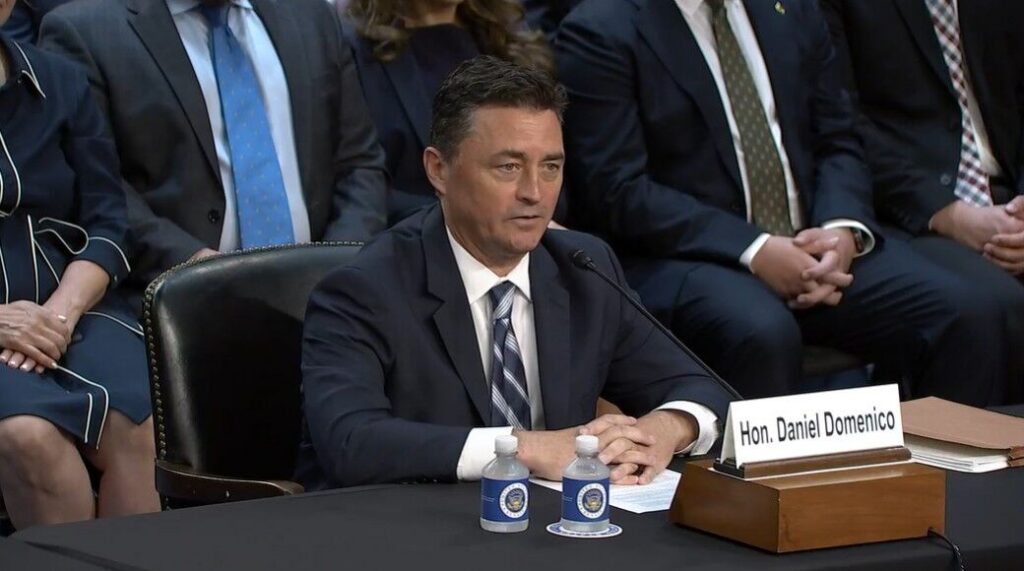
Trump’s 10th Circuit nominee declines to name 2020 election winner, defends immigration decisions
Michael Karlik
michael.karlik@coloradopolitics.com
Updated 14 hours ago
President Donald Trump’s nominee to the Denver-based federal appeals court declined to say who won the 2020 presidential election during his appearance before the U.S. Senate Judiciary Committee on Wednesday, and defended his recent rulings in immigration detention cases. U.S....
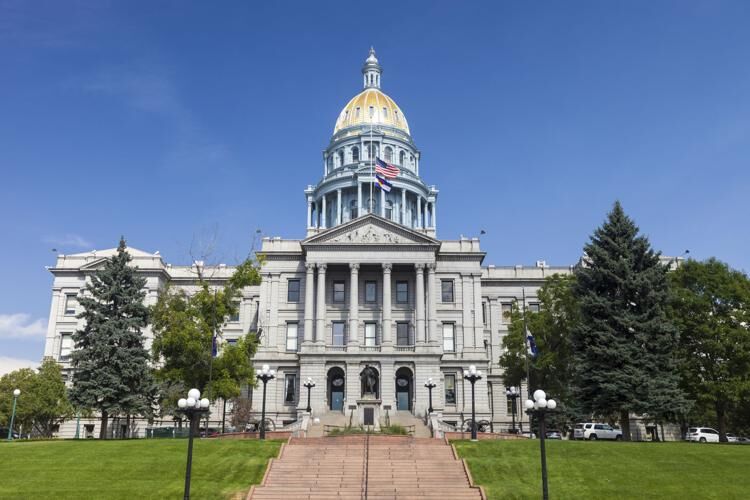
Colorado repeals attorney immigration attestation law after one year
Nico Brambila
nico.brambila@denvergazette.com
Updated 13 hours ago
One year and 12 days. That’s how long a Colorado law requiring attorneys to certify they would not use court data for federal immigration enforcement remained on the books before lawmakers repealed it. Gov. Jared Polis signed the initial legislation,...
Colorado’s ‘right to natural gas’ measure submits signatures to qualify for November ballot
Marissa Ventrelli
marissa.ventrelli@coloradopolitics.com
Updated 15 hours ago
A natural-gas rights initiative backed by Advance Colorado is likely headed to the November ballot, triggering a parallel campaign by environmental groups seeking to impose new liabilities on oil and gas operators. Petitions for Initiative No. 177 were turned in...

Economists: Colorado budget improves slightly, but deficits still loom
Marianne Goodland
marianne.goodland@coloradopolitics.com
Updated 16 hours ago
State economists reported a stronger-than-expected bump in general fund revenue driven largely by higher individual income tax collections, yet warned that Colorado remains on track to begin the next fiscal year with a sizable shortfall. State economists upgraded “significantly” the...
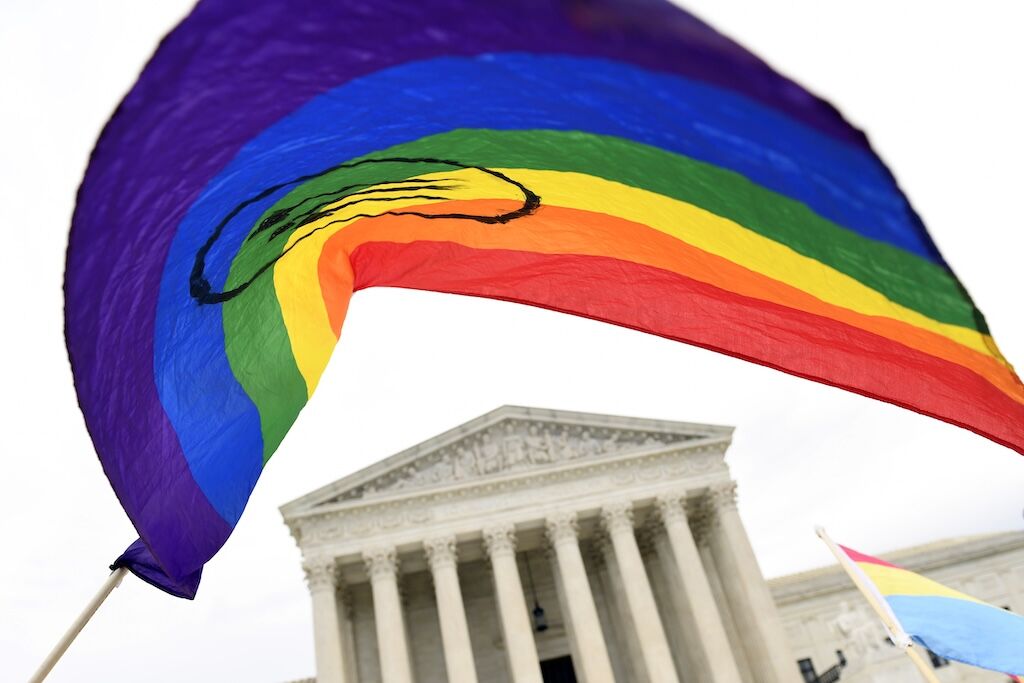
Colorado law allowing lawsuits against ‘conversion therapy’ providers takes effect July 1
Marissa Ventrelli
marissa.ventrelli@coloradopolitics.com
Updated 16 hours ago
With a new law taking effect July 1, Colorado is creating a legal pathway for people to sue licensed providers of “conversion therapy,” even as debate over the practice’s constitutionality continues in the wake of a recent U.S. Supreme Court...
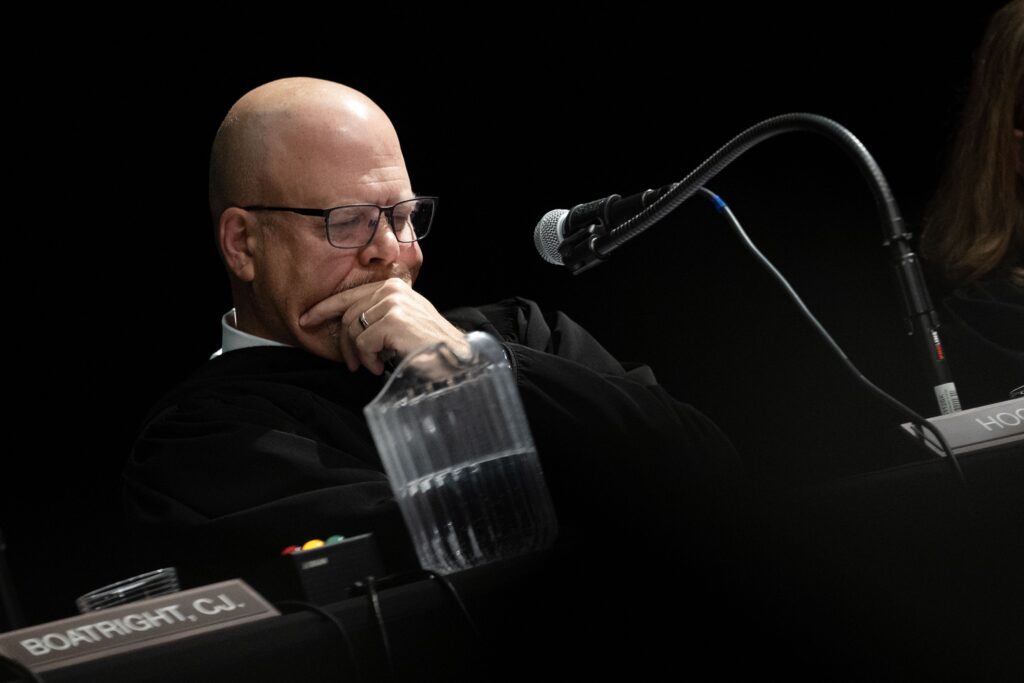
Colorado justices expand ability for civil defendants to avoid participating, win after trial
Michael Karlik
michael.karlik@coloradopolitics.com
Updated 8 hours ago
The Colorado Supreme Court decided on Tuesday that a civil defendant, whose non-participation in the case meant that he legally admitted to the sexual assault allegations against him, could nonetheless prevail after he showed up to testify at trial. A...
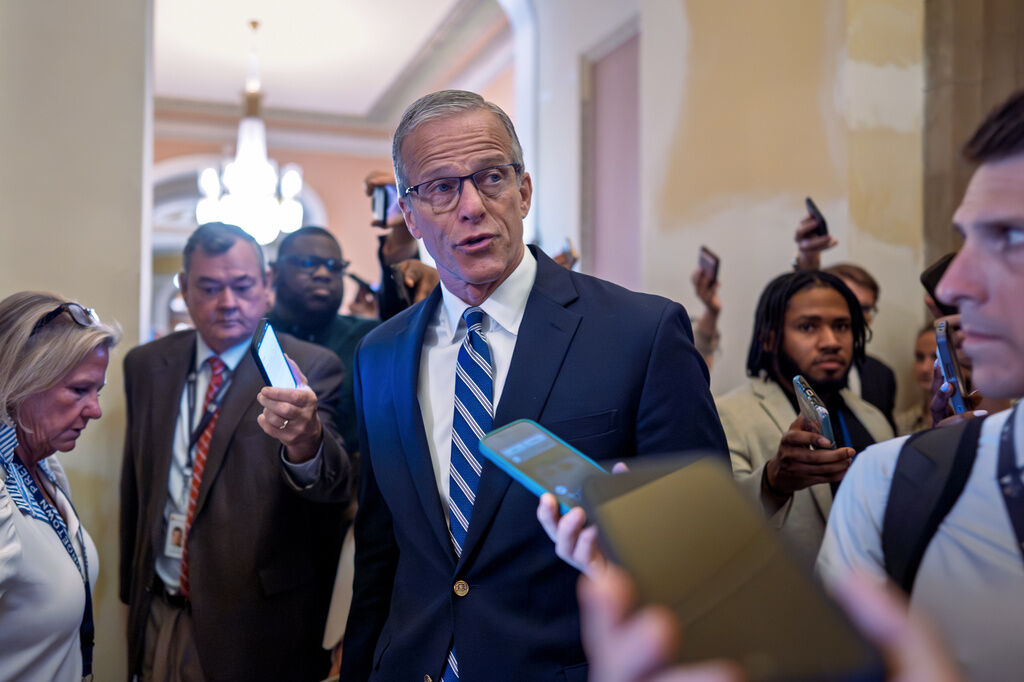
Trump heads to Senate as GOP grows more willing to challenge White House
Naomi Lim
naomi-lim@coloradopolitics.com
Updated 19 hours ago
President Donald Trump normally summons congressional Republicans to the White House, but on Wednesday, he is making a rare trip to Capitol Hill to have lunch with GOP senators. And at least publicly, there is one agenda item. “We’re just...

Trump blasts oil companies for not lowering prices to consumers, accuses them of price gouging
Washington Examiner Staff
washington-examiner-staff@coloradopolitics.com
Updated 19 hours ago
President Donald Trump criticized “big oil companies” for not lowering prices for consumers, even though oil purchase costs have dropped. He accused oil companies of price gouging consumers, ordered the Department of Justice to investigate current practices, and demanded that...