

University of Colorado study backs concerns from businesses over raising the minimum wage
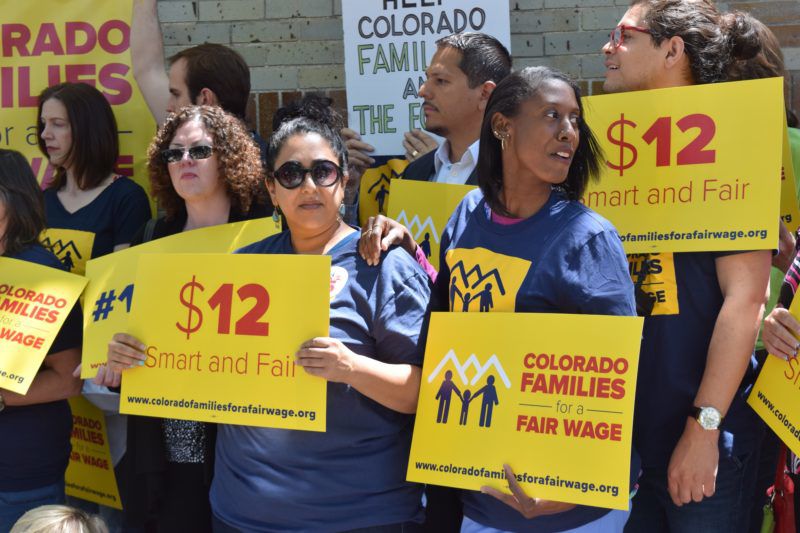
A recent University of Colorado study backs up many of the arguments made by businesses who opposed raising the minimum wage in Colorado.
The study, published in the journal Regional Science and Urban Economics in May, comes after Colorado voters last November backed gradually raising the minimum wage to $12 per hour by 2020.
The first increase happened in January when the state minimum wage jumped to $9.30 per hour. Prior to that, the minimum wage stood at $8.31 per hour.
In 2018 the wage will jump to $10.20 per hour; $11.10 per hour in 2019; and finally $12 per hour in 2020.
The University of Colorado study, authored by Terra McKinnish, a professor in the Department of Economics, surprisingly found that low-wage workers commute away from states that raise the minimum wage, suggesting that wage-hiking initiatives cause employers to either cut payroll or look for alternatives.
“By making low-skilled workers more expensive, there is the potential for employers to use fewer workers, switch to slightly higher-skilled workers or exchange capital technology – such as self-serve kiosks – for low-skilled workers,” McKinnish said.
The labor economist called it a “disemployment effect.”
But supporters of raising wages across the states question whether the study offers an accurate snapshot. McKinnish looked at census data for 93 labor markets in 23 states where low-skilled workers commonly cross state borders for work.
She assessed out-of-state commuting rates for workers making less than $10 per hour compared to workers making between $10 and $13 per hour, from 2005 to 2008. There was no evidence that low-wage workers commuted at higher rates to neighboring states with a higher minimum wage.
The author then examined data between 2010 and 2011 after a federal minimum wage increase to $7.25 per hour prompted several states to boost their minimum wage, which resulted in less disparity between states.
The last time voters approved a minimum wage hike in Colorado prior to last year was in 2006, when the electorate adopted a wage of $6.85. It was adjusted to $8.31 per hour due to inflation.
“If low-wage workers were previously attracted to commute across state lines in order to receive a higher minimum wage, we would expect the rise in their own state’s minimum wage, relative to that of the neighbor’s, to reduce the rate of out-of-state commuting,” McKinnish said.
But the opposite was found. While moderate-wage workers were more inclined to stay in state, low-wage workers increasingly commuted out. On average, a $1.50 increase in a state’s minimum wage corresponded to as much as a 50 percent increase in the number of low-wage workers commuting out, the study found.
Michelle Webster, manager of research and policy analysis for the Colorado Center on Law and Policy, questioned why the study would have used data between 2010 and 2011, when the economic downturn was showing dire impacts on jobs.
“In 2010 and 2011, many states were still dealing with the effects of the recession, particularly low-wage workers. So I don’t know to what extent she controlled for that and controlled for how particular states were hit harder by the recession based on the industries that made up their economy,” Webster said.
“You can imagine that workers are crossing state lines just to work, and it’s not a function of employers necessarily pulling back on hiring because of the minimum wage, but just dealing with the continuing sluggish economy.”
While Colorado bounced back from the downturn faster than other states, it didn’t return to pre-recession job levels until about 2012. Nationally, jobs numbers didn’t return to pre-recession levels until 2014.
It’s still too early to evaluate any impact on the minimum wage increase in Colorado, though proponents are hopeful that since Colorado’s economy continues to improve, low-wage workers will also see benefits, thereby improving the state’s overall economy.
“I suspect that if the economy continues to do well, then the minimum wage increase in Colorado is only going to support that wage story and continue to lift up the wages of those lowest paid workers in Colorado,” Webster said.
During the debate over raising the minimum wage in Colorado, businesses said it would result in layoffs, reduced hours and fewer benefits.
Employers also said they would have to pass increased costs on to consumers. They argued that small businesses would be hurt the most, especially in rural parts of the state, where economic recovery has been slower.
Some business groups feel vindicated by the University of Colorado study.
“The research confirms the crux of the opposition to Amendment 70 – that such a poorly drafted law, written by out-of-state special interests, will hit rural areas hardest,” said Tyler Sandberg, former campaign manager for Keep Colorado Working, which fought against the wage hike. “Economic policy is complicated and the simplistic one-size-fits-all measure forced into our constitution was exactly the wrong way to address the minimum wage in Colorado.”


Judicial performance evaluations released, Montezuma County judge disciplined | COURT CRAWL
Michael Karlik
michael.karlik@coloradopolitics.com
Updated 6 hours ago
Welcome to Court Crawl, Colorado Politics’ roundup of news from the third branch of government. Colorado’s citizen-led judicial performance commissions released their voter narratives for the judges standing for retention in November, plus a disciplinary panel imposed consequences on a...
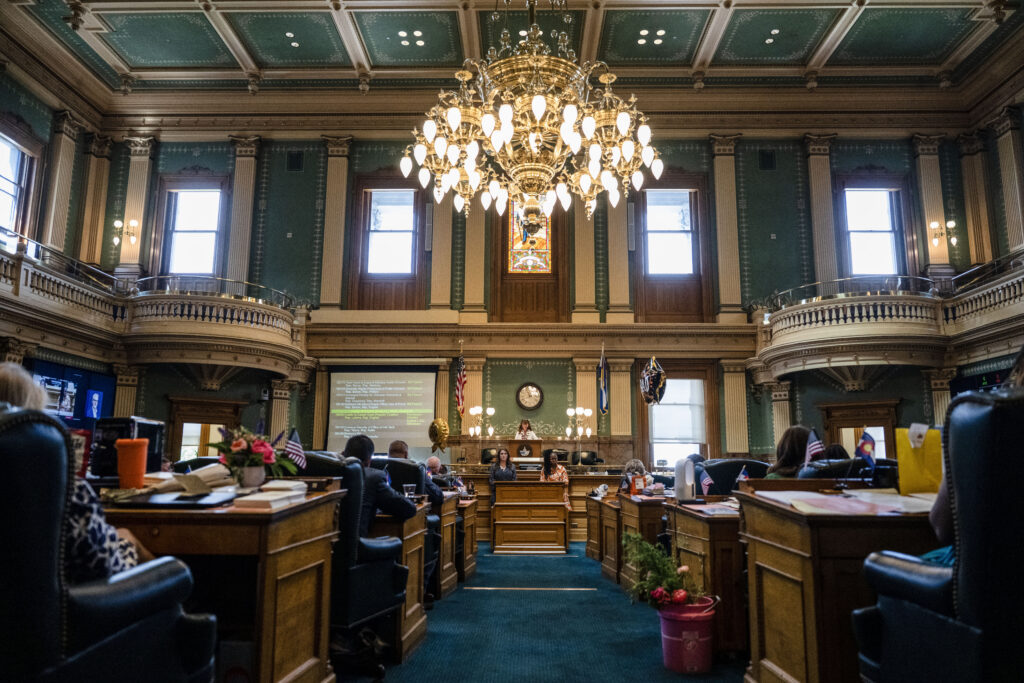
Colorado House Democrats’ caucus finances under scrutiny as ethics case against leader advances
Marianne Goodland
marianne.goodland@coloradopolitics.com
Updated 6 hours ago
Democratic lawmakers told a legislative ethics panel that a leader’s management of caucus finances left them with unanswered questions, disputed reimbursements and a breakdown in communication that ultimately triggered a formal complaint. The House Ethics Committee is examining a complaint...
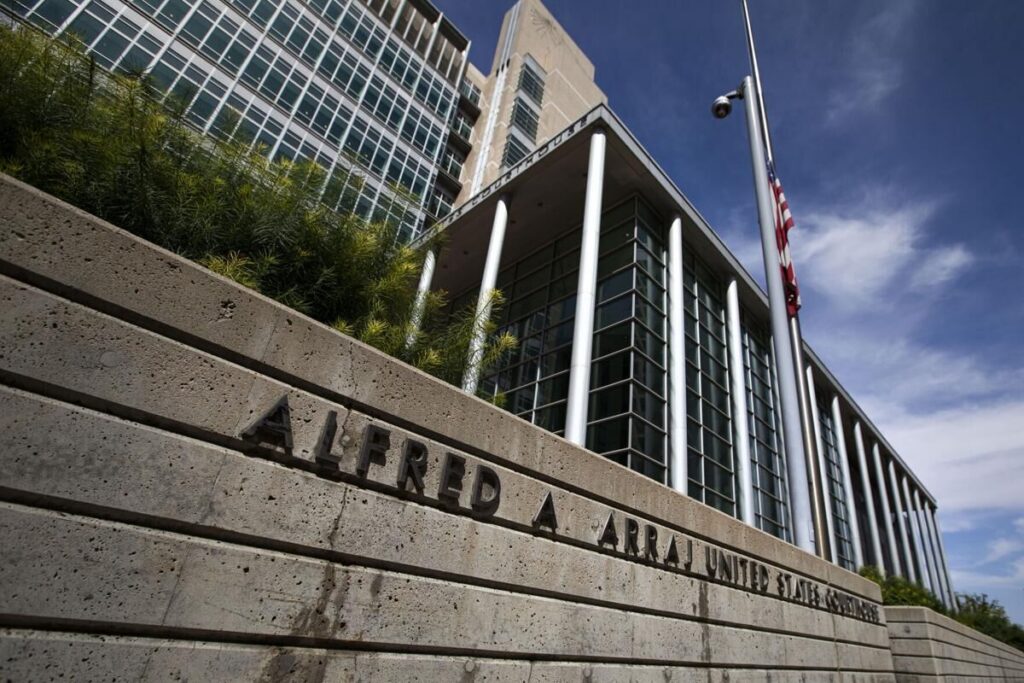
Federal judge holds off on dismissing formerly bankrupt medical contractor from Jeffco jail death lawsuit
Michael Karlik
michael.karlik@coloradopolitics.com
Updated 8 hours ago
A federal judge declined on Monday to dismiss the formerly bankrupt medical contractor from a lawsuit over a detainee’s death in Jefferson County jail, but indicated she would do so if the plaintiffs’ attorneys go through the process to ensure...
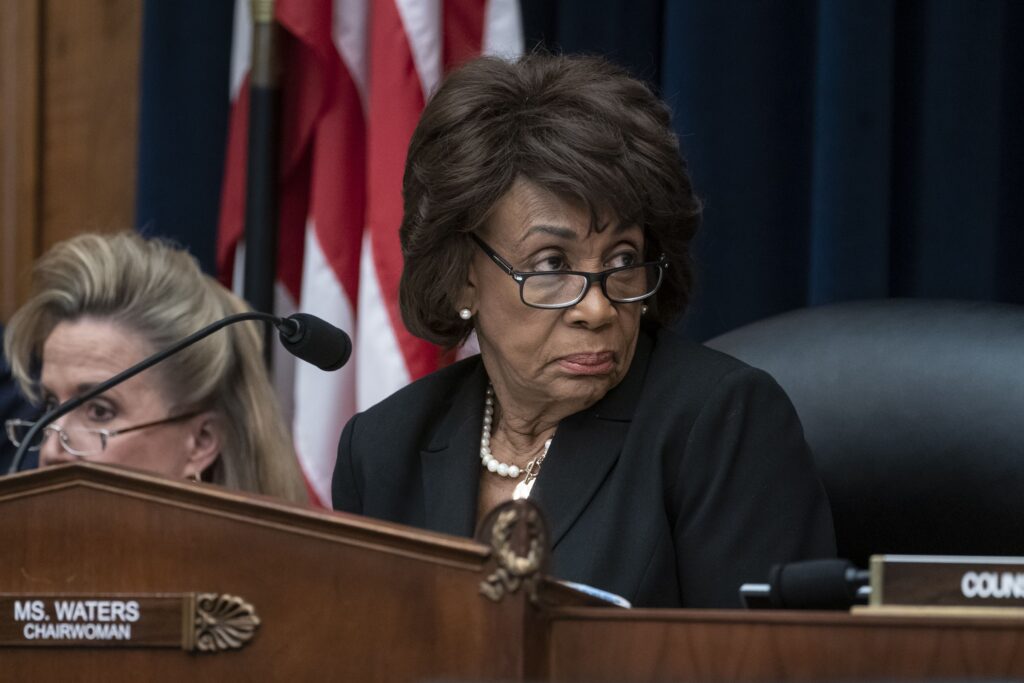
Here are the 10 oldest members of Congress running for reelection
Lauren Green
lauren-green@coloradopolitics.com
Updated 9 hours ago
Capitol Hill has long been called a “retirement home,” as well over 100 House members and half the Senate are over the age of 65. That reputation doesn’t look due to change anytime soon — there are currently more than...
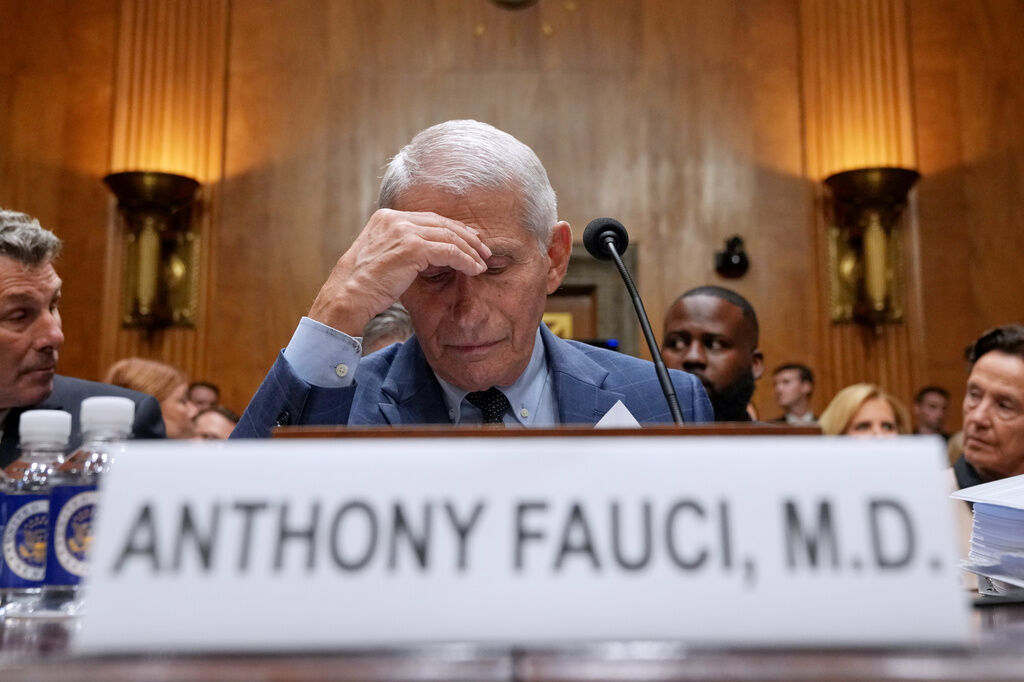
Fauci ignored reports of COVID vaccine side effects, new documents show
Gabrielle M. Etzel
gabrielle-m-etzel@coloradopolitics.com
Updated 11 hours ago
Dr. Anthony Fauci was made aware of possible COVID-19 vaccine complications by other senior-level public health officials in early 2021, according to new emails and text messages released by Senate Republicans on Sunday. Documents released by Sens. Rand Paul (R-KY)...

Majority of Americans say they’re worse off financially since Trump took office again: Poll
Emily Hallas
emily-hallas@coloradopolitics.com
Updated 11 hours ago
The majority of the public believes they are worse off financially than when President Donald Trump won a second term nearly two years ago, according to a new poll that painted an ominous picture of Republicans’ electability in the 2026...

Colorado River crisis: Lake Mead, Lake Powell inch closer to ‘dead pool’
Marianne Goodland
marianne.goodland@coloradopolitics.com
Updated 6 hours ago
In the past 10 days, both Lake Mead on the Arizona-Nevada border and Lake Powell roughly 300 miles northeast on the Utah-Arizona line have recorded their lowest water levels since the reservoirs were first filled. Lake Mead, the nation’s largest...

Colorado lieutenant governor candidate Markert says early discipline and key mentors set his course
Marianne Goodland
marianne.goodland@coloradopolitics.com
Updated 13 hours ago
Editor’s note: This is the first installment in a three-part series examining Colorado’s candidates for lieutenant governor. In this piece, Colorado Politics speaks with George Markert, the Republican running mate to gubernatorial candidate Victor Marx. Marx is competing against Democrat...

The hidden politics of time: How clocks, calendars — and now-contentious time zones — came to be
The Associated Press
the-associated-press@coloradopolitics.com
Updated 15 hours ago
NEW YORK (AP) — It flies. It heals all wounds. It can be of the essence, and it can be money. We thrill in the best of it, lament the worst. We’re warned not to waste it, since we can’t...
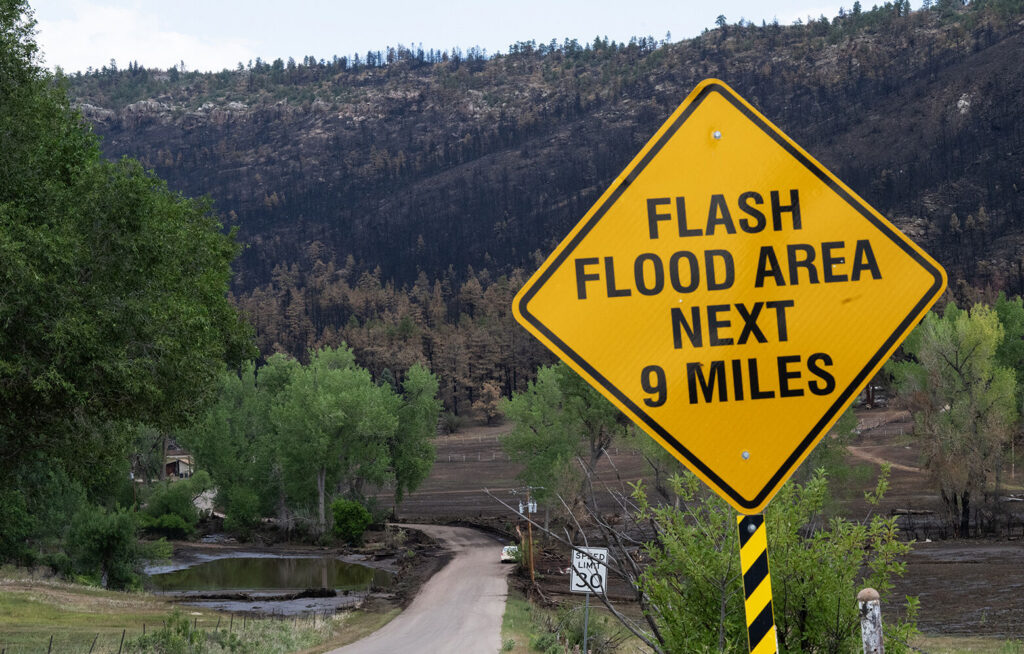
1 killed in flash flooding in Beulah: Pueblo County Sheriff’s Office
O'Dell Isaac
odell.isaac@gazette.com
Updated 13 hours ago
One person was killed in Beulah on Sunday after floodwaters swept him downstream, according to a news release from the Pueblo County Sheriff’s Office. The male victim, whose name was not released, was standing near Colorado 78 and Central Avenue...