

Driverless cars a “game changer” for Denver
It sometimes seemed like something from science fiction, as Denver City Council’s Land Use, Transportation & Infrastructure Committee viewed a presentation on driverless, or autonomous, vehicles by a venture capital investor and author of a book on the technology, with another book planned.
Rutt Bridges, founder of Colorado’s Bighorn Center for Public Policy and former candidate for U.S. Senate and governor, said he does not have any investments in the companies seeking to develop the “disruptive technology” involved. But he called it a potential game-changer for Denver and other major cities and proposed two pilot projects for Denver.
Autonomous vehicles navigate by using LiDAR, or light detection and ranging, radar, cameras, global positioning systems, maps and an on-board computer. Automakers are investing billions of dollars into self-driving technologies, Bridges noted. By 2021, Ford is predicted to be manufacturing self-driving cars off an assembly line.
The technology will offer commuters safe, efficient, door‐to‐door transportation at a quarter to an eighth of the cost of owning a car; faster commutes, less congestion and pollution; no parking or vehicle ownership hassles and low‐stress service.
“You’ll have so much more free time to read, text or watch cat videos,” Bridges said. “The disabled and senior communities will greatly benefit by being able to get to where they want to go without relying on anyone else. Millennials are really ready for this. Half of those 16-19 years old don’t have their driver’s license right now, so they’re looking at this as how to get around.”
The cars can drive nearly bumper-to-bumper, as a platoon, and when a car learns what could happen in a situation, it shares that information with all the cars in the fleet.
“This is really about public safety, more than anything else,” Bridges said.
In 2015, more than 35,000 fatalities and 4.4 million injuries occurred on U.S. roadways, according to federal figures. Bridges said that is comparable to 250 Boeing 737 crashes every year with no survivors. There have also been more traffic-related deaths in the 21st century than all U.S. wars since 1900, while 94 percent of crashes are due to distraction, drowsiness, drunkenness or driver error, all non-factors with driverless vehicles. Bridges noted one estimate is driverless cars can reduce crashes by 90 percent.
Transportation consumes almost a fifth of a family’s disposable income. If driverless cars become common, a solo user could save nearly $6,000 a year, while a ride share would save $7,000 a year, according to Consumer Reports.
“And these cars won’t need parking spaces, since they’ll just drop people off and leave, so there will be a real opportunity to have a city that’s much more livable with fewer parking lots,” Bridges said.
Currently, Denver has 237 acres of parking lots and garages that could be redeveloped for commercial and residential uses, Bridges noted. Likewise, new residential parking demand will be reduced.
In the Denver area, an average commuter or worker spends $1,700 a year, or $140 a month, on downtown parking, while the estimated cost of Denver-Aurora congestion is more than $2 billion, Bridges added.
The greatest economic risks of driverless vehicles include increased congestion, if a city does not have an effective strategy; the loss of jobs that might be replaced from cost savings; less government income from fines, fees, parking and gas taxes, but with an offset of a mileage tax; fewer road expansions and traffic cops, accidents and smarter cities. Alcohol and drug-impaired drivers will also be less of a concern, Bridges said.
But Bridges was not sure how traditional bus and mass transit services can compete, unless they find ways to be smaller and much more efficient.
“If it’s cheaper and more efficient, with door-to-door service, why would anyone use transit?” asked Councilman Jolon Clark.
Two pilot projects Bridges proposed Denver promote could help answer Clark’s question. The Belleview station light rail shuttle service would feature free circulating driverless vans to take nearby commuters to and from the station. Riders would use a mobile app that shows when vans pass by their homes, and round trips would average 1.5 miles in 8 minutes, no highway access required. The main project cost would be for one or two inexpensive vans.
The second pilot project would be free driverless shuttle service into downtown Denver, where nearby residents use an app to find pickup times and request a ride. No elaborate bus stops would be needed, just pickups spots along the route. The service would connect to the south end of the free 16th Street mall ride or free MetroRide bus service. More shuttles could be added based on demand.
Bridges noted driving on icy roads and in snowstorms is something that must be overcome for the vehicles to be useful in states like Colorado.
“But the latest sensors they’re using can see through snow well,” Bridges said. “If the conditions are really, really icy and snow packed, then maybe you just shouldn’t be there.”
Some big minuses are “The artificial intelligence in these vehicles is going to be a real job killer,” Bridges said. “It will be a big challenge to the oil and gas industry.”
The insurance industry could see their business cut “quite a lot,” since car insurance may not even be needed, Bridges said. Taxi cabs and others who provide transportation to and from Denver International Airport will face “real impacts” as well.
“I go back and forth being extremely excited and very terrified with this,” Clark said. “Are we ready for this? Because it’s coming.”


Colorado Politics Calendar Aug. 3-9
Rachael Wright, Special to Colorado Politics
rachael.wright@coloradopolitics.com
Updated 3 days ago
CoPo’s weekly political calendar will help you find political and public-policy events throughout Colorado. It includes candidate and issue campaign events, public policy meetings, court hearings, state and local party conventions, assemblies, debates, rallies, parades, speaking engagements, traveling dignitary appearances,...
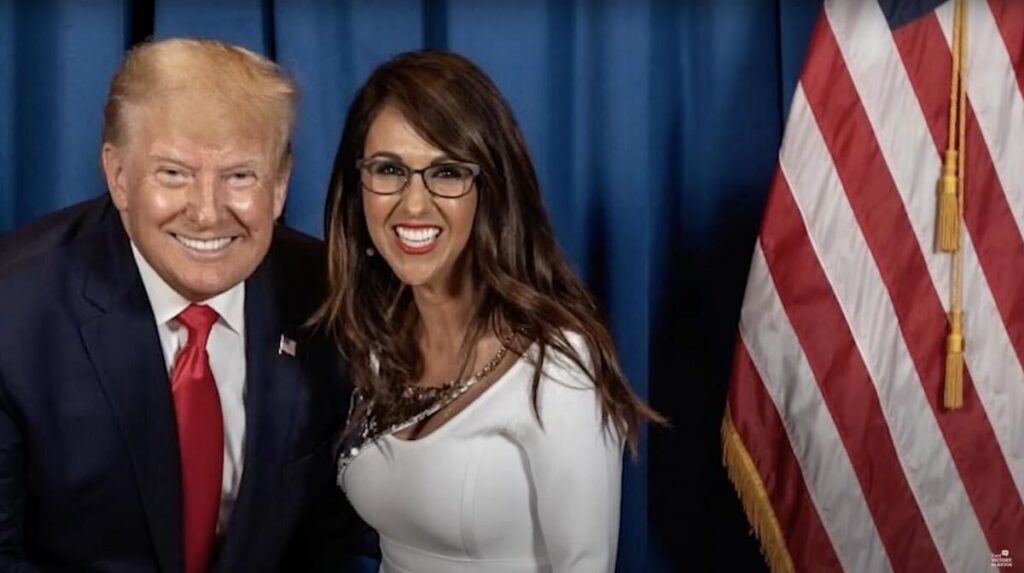
The primary political reform and precondition for all others | SONDERMANN
Eric Sondermann
eric-sondermann@coloradopolitics.com
Updated 3 days ago
In its current state, the American political system has no end of ailments. Far too many factors accelerate polarization and work against moderation and narrowing the differences. Media, and the way so many citizens limit themselves to agreeable, reinforcing sources,...
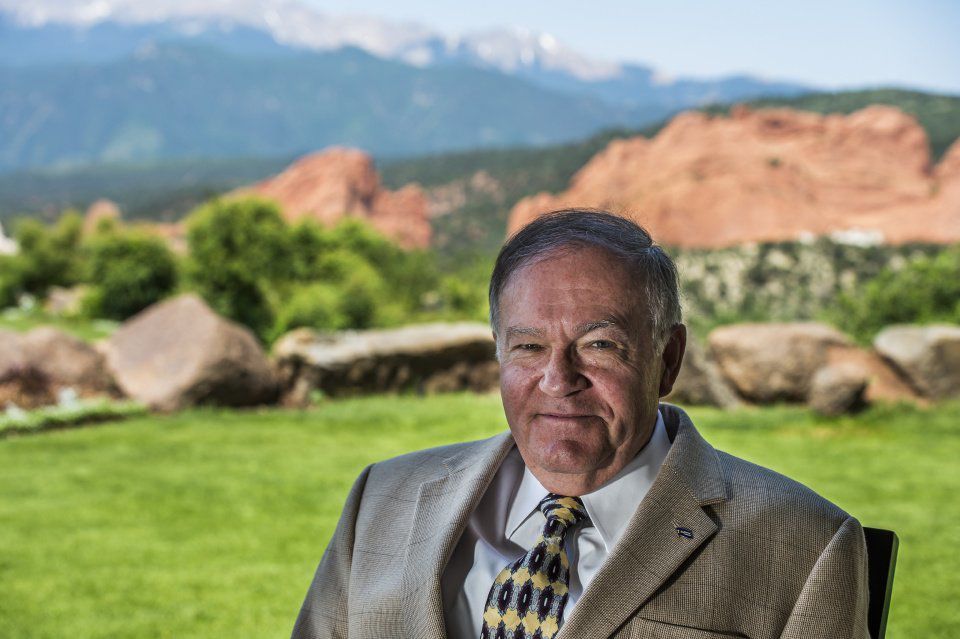
Susemihl wins surprise victory to replace Steve Durham as Colorado Springs state senator | A LOOK BACK
Rachael Wright, Special to Colorado Politics
rachael.wright@coloradopolitics.com
Updated 3 days ago
Forty-five years ago this week: In a closed session, the vacancy committee for Colorado’s Senate District 12 selected attorney Peter Susemihl to complete Sen. Steve Durham’s, R-Colorado Springs, term. Durham resigned his seat to become Region 8 Director of the...
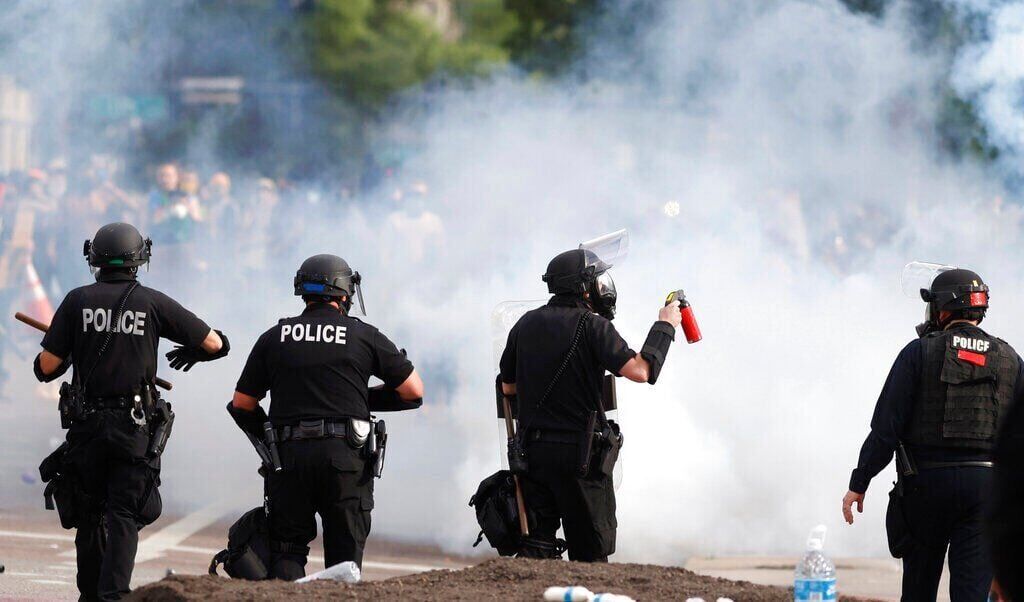
10th Circuit partially revives lawsuit over 2020 Denver protest injuries
Michael Karlik
michael.karlik@coloradopolitics.com
Updated 1 day ago
The Colorado-based federal appeals court revived a man’s claims against Denver on Friday after concluding a trial judge resolved the case in the city’s favor without analyzing two of the three instances of alleged excessive force and other constitutional violations....
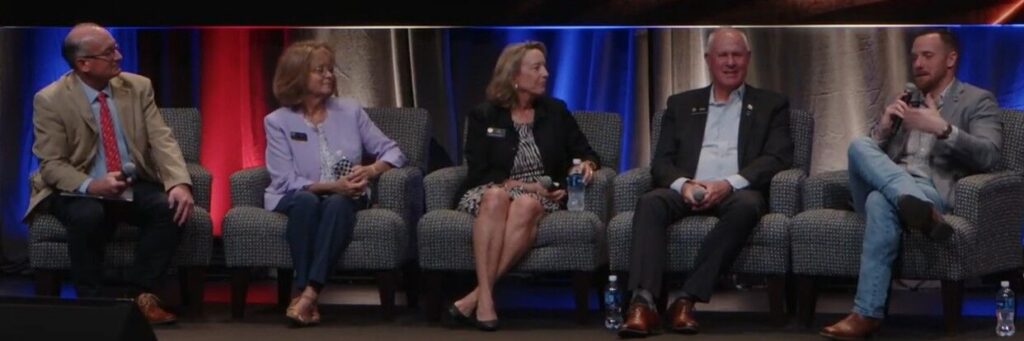
At conservative summit, Colorado Republican leaders concede Democrats’ election edge
Marissa Ventrelli
marissa.ventrelli@coloradopolitics.com
Updated 14 hours ago
Four Republican state lawmakers told attendees at a gathering of conservative leaders on Friday they doubt their party can win statewide races, noting that Colorado’s electorate has been shifting toward Democrats but adding they see an opening in several pockets....
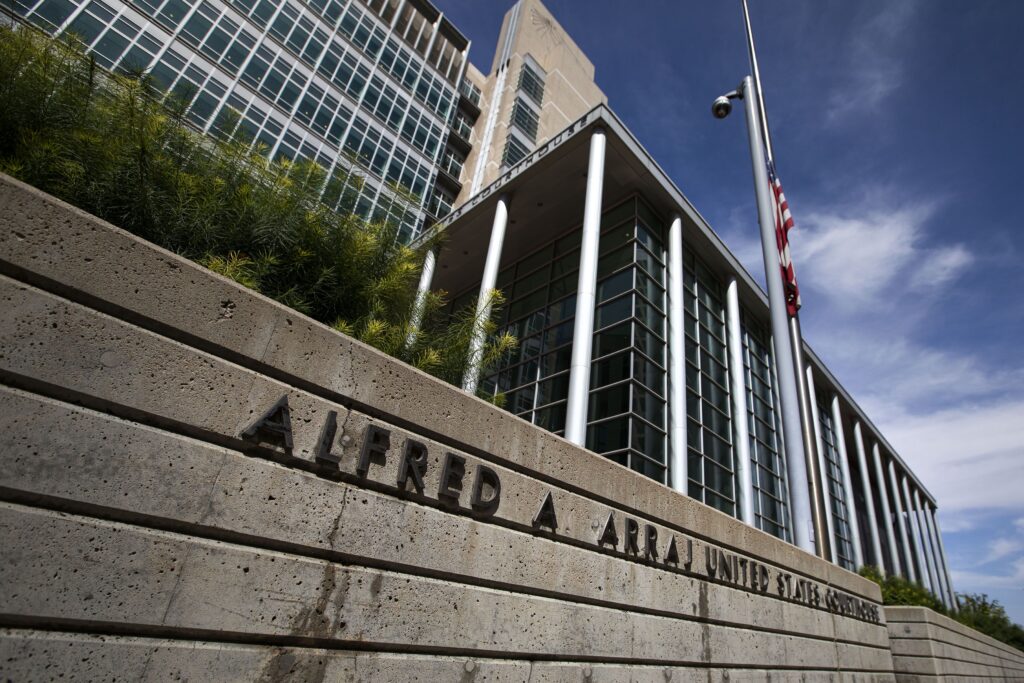
Federal judges find Colorado immigration judge violated several orders
Michael Karlik
michael.karlik@coloradopolitics.com
Updated 7 hours ago
Multiple federal judges in Colorado have freed people from immigration custody after determining that one immigration judge violated their directives for properly conducting bond hearings. For nearly a year, Colorado’s U.S. District Court has faced a flood of habeas corpus petitions...
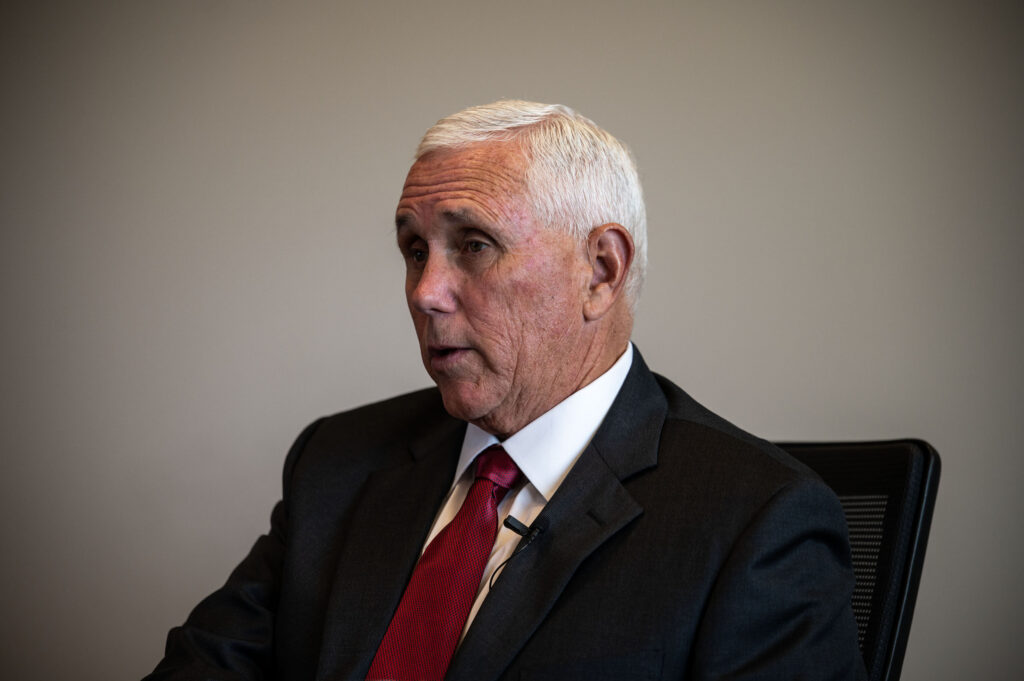
Q&A with Mike Pence | Former vice president says GOP’s populist turn from conservatism isn’t permanent
Ernest Luning
ernest.luning@coloradopolitics.com
Updated 11 hours ago
Former Vice President Mike Pence says he’s concerned that the Republican Party has taken a populist turn away from bedrock conservative principles during President Donald Trump’s second term, but he believes the party will return to its roots when Trump...
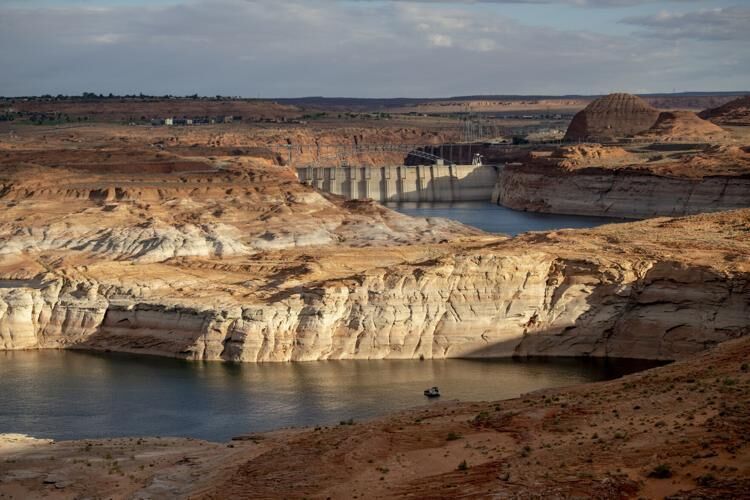
New federal plan sets short-term rules for Colorado River management
Marianne Goodland
marianne.goodland@coloradopolitics.com
Updated 1 day ago
Interior Department’s plan spares Colorado from mandatory cuts for now After years of stalled negotiations among the seven states that rely on the Colorado River, the federal government on Friday released its own plan for managing the drought-strained system. Calling...
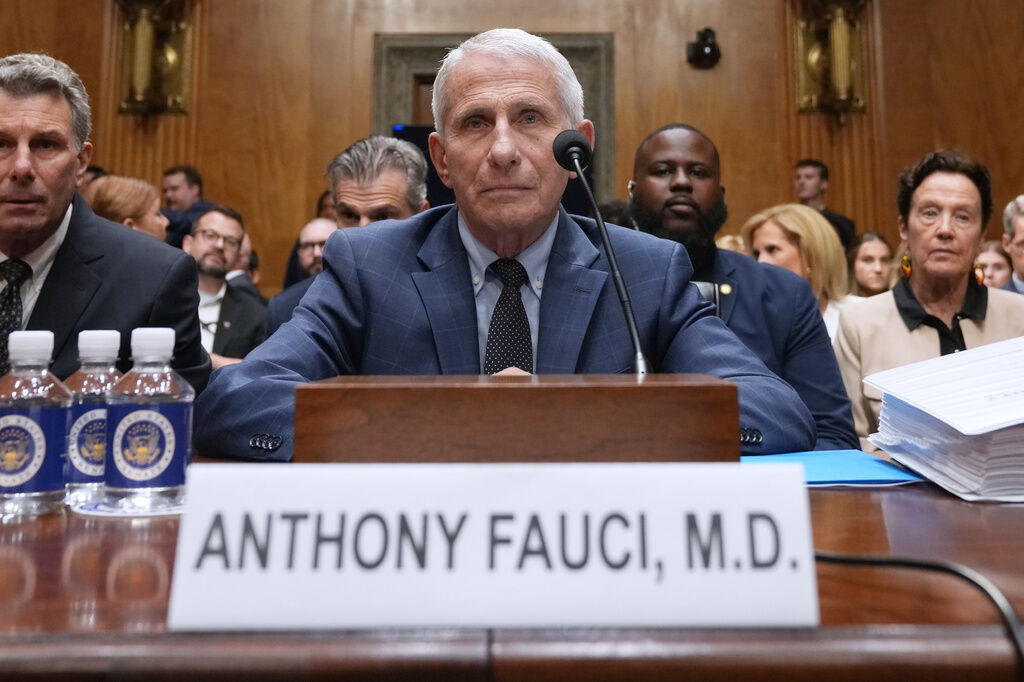
Fauci’s diary details blooming outrage toward ‘far right,’ softness toward Biden and China
Hudson Crozier
hudson.crozier@washingtonexaminer.com
Updated 2 days ago
Dr. Anthony Fauci increasingly railed against “far right” critics of his approach to COVID-19 issues while describing strong support from the Biden White House in his pandemic-era diary, which was recently released by Congress. The former National Institute of Allergy...
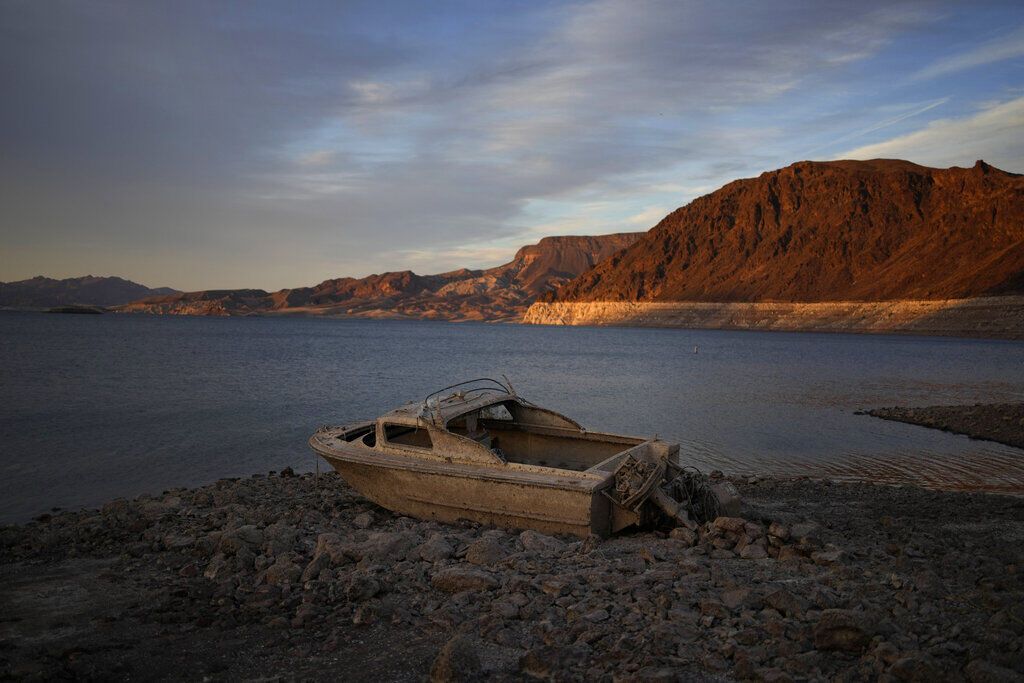
Colorado is spared mandatory cuts under federal Colorado River proposal
The Associated Press
the-associated-press@coloradopolitics.com
Updated 2 days ago
California, Arizona and Nevada to take less water under plan While Colorado has been spared from mandatory reductions, Arizona, California and Nevada would take less water from the Colorado River under a proposal announced Friday by the federal government to...
PREV
PREVIOUS

Insights: On Hospital Provider Fee, 'I'm still waiting… I'm still waiting… I'm still waiting…'
I’ve been walking around the Colorado Capitol lately with the Talking Heads’ song “Crosseyed and Painless” stuck in my head. It’s really just a few lines in the song: “Facts are simple and facts are straight. Facts are lazy and facts are late… I’m still waiting… I’m still waiting… I’m still waiting…” But it hasn’t […]
Fracking foe, dogged by his comments, past, says, 'I'm not the story here'
Andrew O’Connor’s business card says “Attorney at Law,” but his true calling these days seems to be fracktivist — a label he doesn’t reject. After all, he may well be Colorado’s most notorious anti-fracking activist at the moment. He got a national media mention last week for a recent letter to the editor published — and then hastily […]