

Kefalas confident privacy issues can be resolved in bill to modernize public records access
State Sen. John Kefalas says he hopes that an amendment he plans to introduce in committee Wednesday will take care of the bulk of the privacy concerns raised over legislation he’s sponsoring that would require government agencies to produce public records in searchable digital formats.
“I happen to be a person of faith,” the Fort Collins Democrat told reporters Tuesday. “Therefore, I’m cautiously optimistic.”
Senate Bill 40, an attempt to modernize the Colorado Open Records Act, has been bumped from the Senate State, Veterans and Military Affairs Committee’s schedule twice since early February – “these interesting dramas that have unfolded,” Kefalas said Tuesday – in order to allow more time for lawmakers, officials and public-information advocates to work out acceptable compromises, and Kefalas said on the eve of its scheduled Wednesday hearing that they’re most of the way there.
“The various delays that we’ve had on the hearings – I think it’s fair for me to say I’ve been very surprised, and there’s an element of disappointment. However, the flip side of that, in all honesty, is that it’s given us more time to work through this,” Kefalas said.
“There are still some outstanding issues, but if we can get through State Affairs (on Wednesday), we’ll have time to get to those issues,” he added.
An amendment he plans to introduce at the hearing “reflects the discussions that get us 80 percent across the finish line,” Kefalas said. While the remaining 20 percent of the concerns are unresolved, he said he’s hopeful the committee will agree to “set those issues aside” and move the bill ahead to give lawmakers and stakeholders a chance to continue working toward solutions agreeable to all.
“I’m cautiously optimistic,” he said Tuesday. “I don’t have any illusions that we’re going to slam dunk this tomorrow, but we have worked pretty hard on this thing, and we’ve come to a good place, and with other key issues, I believe we can set those aside and, if we get out of committee, we’ll have the opportunity to work on those.”
A similar bill sponsored last year by Kefalas died in the same Senate committee amid many of the same concerns. Since then, an interim group organized by Colorado Secretary of State Wayne Williams – the Republican opposed last year’s version but is on board with the legislation this year – has been meeting to address worries about identity theft, cyber crime and other privacy concerns raised by the bill’s opponents and skeptics.
“A lot of people thought [last year’s] bill was totally unworkable, including our office,” Deputy Secretary of State Suzanne Staiert told The Colorado Statesman in February. “That’s why we worked so hard over the summer and fall to help craft one that addressed a variety of concerns.”
The bill, sponsored by Kefalas and state Rep. Dan Pabon, D-Denver, and co-sponsored by state Sen. Bob Gardner, R-Colorado Springs, is aimed at making public data available in usable, searchable formats, instead of as unwieldy printed documents or PDFs, as some government agencies provide in response to CORA requests.
“What this bill has always been about, in my view, is not about changing the parameters of CORA – what is available to the public and what is not – but it’s about that last step,” Kafalas said. “We’re talking about digital files, electronic files, databases, spreadsheets. With the proper protections, that information should be made available to the citizens, to the press, so that we can hold government accountable, so that we can ensure government is transparent, and certainly so that we can encourage government to be as efficient as possible.”
It’s those proper protections that have been vexing lawmakers and officials involved in shaping the legislation.
Colorado Attorney General Cynthia Coffman, a Republican, has proposed allowing government agencies to withhold “any personal identifying information,” including names, addresses and phone numbers, for anyone who isn’t a public employee, The Denver Post reported Tuesday night.
Public information advocates are crying foul over the possibility, while Kefalas suggested Tuesday that the attorney general’s concerns are among those he hopes to address if the committee moves the bill ahead.
“We have to make sure we’re protecting not just state employees but, certainly, the citizenry against identity theft and those kind of things,” he said. “That’s been raised by the AG’s office. At the same time, we’re not trying to change the parameters of what’s disclosable under CORA. It’s a very delicate balancing act.”
At press time Senate Bill 40 was the second item on the Senate State, Veterans and Military Affairs Committee agenda. The committee is scheduled to meet at 1:30 p.m. Wednesday at the state Capitol.

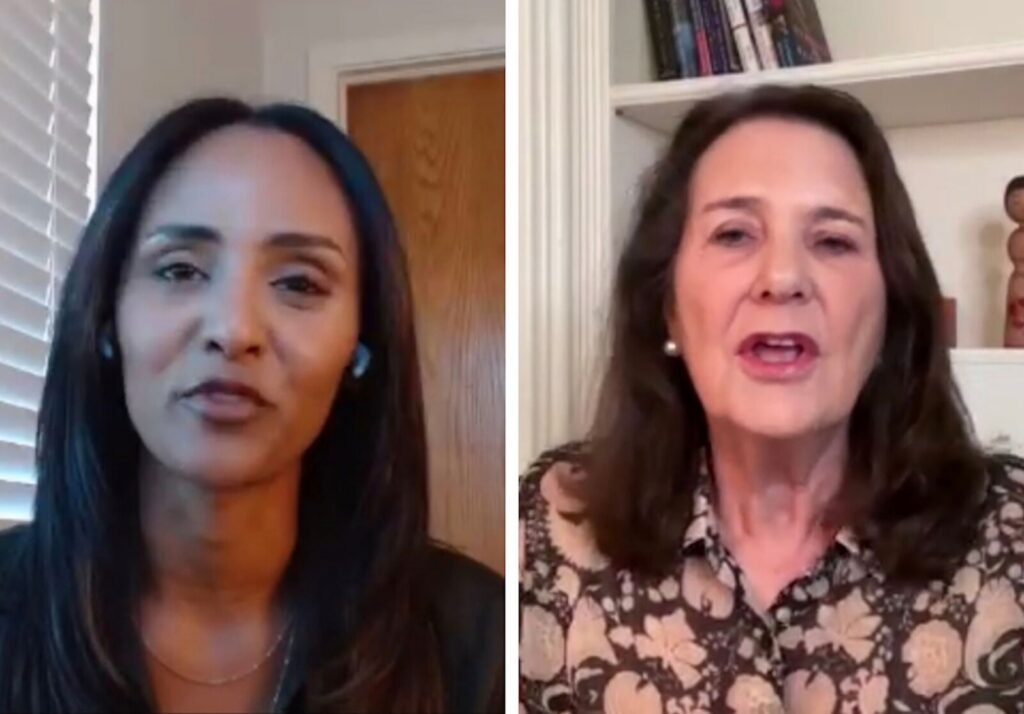
Denver Democrat Diana DeGette trails challenger Melat Kiros at assembly as both qualify for primary
Ernest Luning
ernest.luning@coloradopolitics.com
Updated 2 hours ago
U.S. Rep Diana DeGette, a Denver Democrat, qualified for Colorado’s June primary by the skin of her teeth Friday at the party’s district assembly, where the 15-term incumbent received fewer than half as many delegate votes as her challenger, 28-year-old...

Kwame Spearman warrants plenty of criticism, not cancellation | SONDERMANN
By Eric Sondermann
by-eric-sondermann@coloradopolitics.com
Updated 2 days ago
All of us are flawed humans, some more so than others. This is the tale of Kwame Spearman who burst onto Denver’s business and political scene a handful of years back. His ride has taken a downhill trajectory. Within the...
Colorado Politics Calendar Mar. 30-Apr. 5
Rachael Wright, Special to Colorado Politics
rachael.wright@coloradopolitics.com
Updated 1 day ago
CoPo’s weekly political calendar will help you find political and public-policy events throughout Colorado. It includes candidate and issue campaign events, public policy meetings, court hearings, state and local party conventions, assemblies, debates, rallies, parades, speaking engagements, traveling dignitary appearances,...
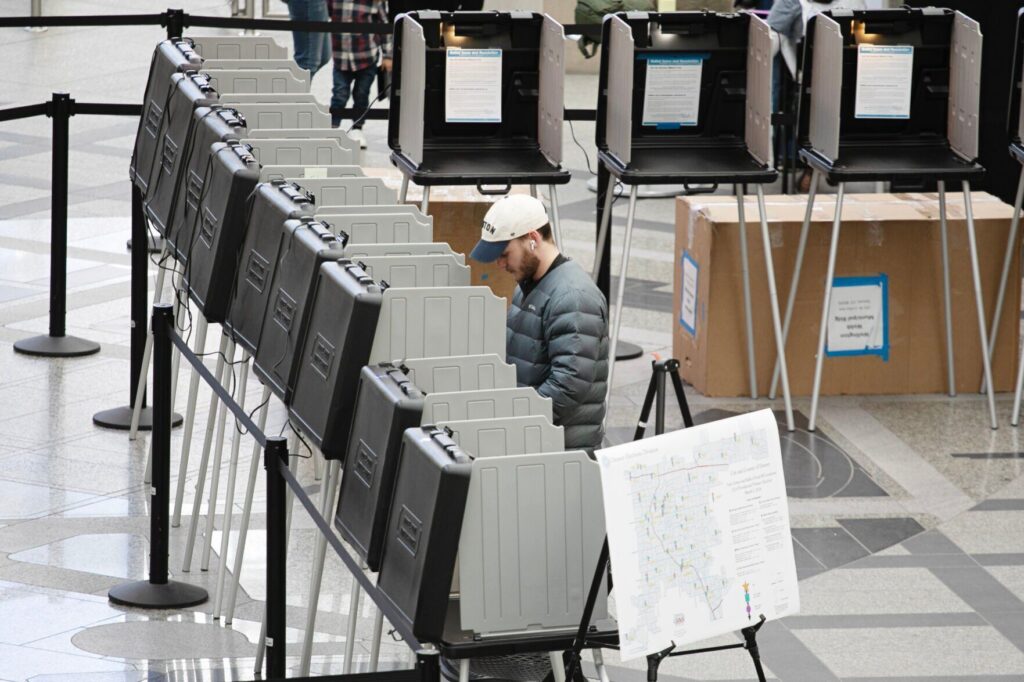
Federal judge upholds constitutionality of Colorado campaign contribution limits
Michael Karlik
michael.karlik@coloradopolitics.com
Updated 14 hours ago
A federal judge upheld Colorado’s individual campaign contribution limits as constitutional on Thursday, finding that three Republican plaintiffs failed to prove the campaign finance framework violates their First Amendment rights. U.S. District Court Senior Judge John L. Kane recognized that...

Appeals court rejects theory that existing tax revenue undermines need for new fees
Michael Karlik
michael.karlik@coloradopolitics.com
Updated 19 hours ago
Colorado’s second-highest court rejected a plaintiff’s claim on Thursday that the tax revenue generated by an existing activity should prevent local governments from imposing new fees aimed at regulating the activity. The question stemmed from Colorado’s unique constraints on taxation...
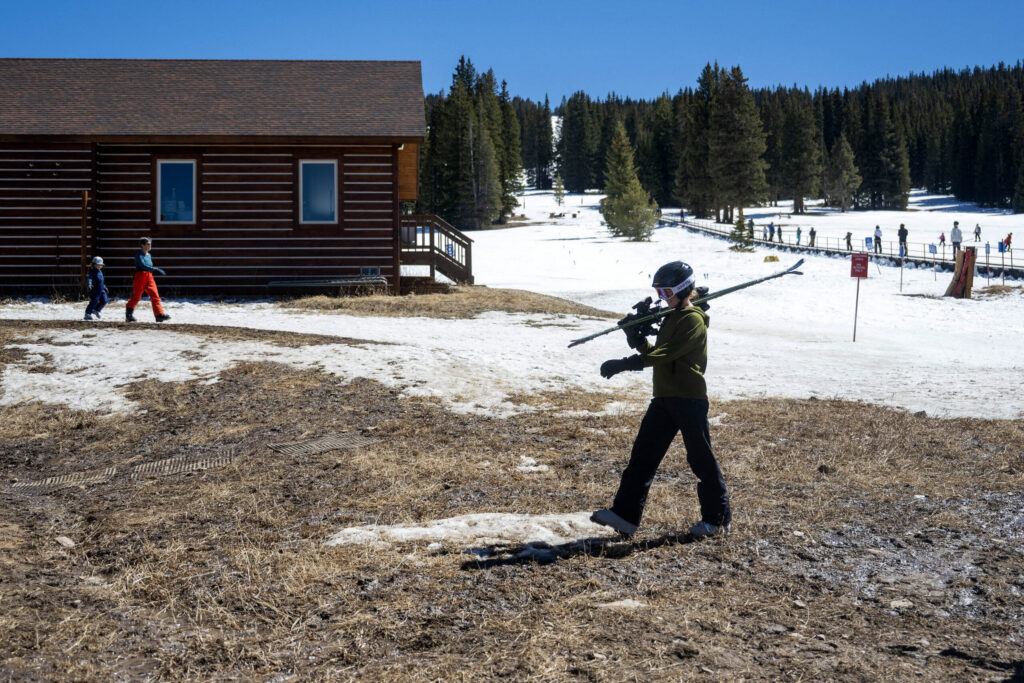
Colorado ski resorts announce early closures amid historic snowpack lows, high temperatures
Kyla Pearce
kyla.pearce@gazette.com
Updated 19 hours ago
As Colorado’s historically low snowpack year comes to a close and spring conditions take over the mountains, the state’s major ski resorts are announcing closing dates — some of which are weeks before historic closing dates. Most of Colorado’s ski...

Marco Rubio’s star power rises at CPAC 2026
Mabinty Quarshie and Samantha-Jo Roth, Washington Examiner
mabinty.quarshie.and.samantha-jo.roth.washington.examiner@gazetteedit.wpenginepowered.com
Updated 21 hours ago
GRAPEVINE, Texas — Secretary of State Marco Rubio’s popularity is growing and could possibly boost him to one of the top two spots in the 2028 GOP presidential race, if attendees at the Conservative Political Action Conference are to be believed. ...

Boulder police investigate sexual assault, ‘drugging’ at bar near CU
Matt Kyle
matt.kyle@denvergazette.com
Updated 23 hours ago
The Boulder Police Department is investigating reports of sexual assault and “suspected drugging” involving underage girls at a bar. There may be additional victims who have not yet come forward, the department said in a news release. The bar, Scrooge...
Appeals court finds no illegal sentence when defendants forfeit time-served credit
Michael Karlik
michael.karlik@coloradopolitics.com
Updated 1 day ago
Colorado’s second-highest court ruled on Thursday that criminal defendants may agree to relinquish the credits they earned while incarcerated pending trial, despite a state law guaranteeing that such time “shall be deducted” from a person’s sentence. Kerry Ellis Endsley pleaded...
Appeals court reinstates Garfield County arson charge
Michael Karlik
michael.karlik@coloradopolitics.com
Updated 2 days ago
Colorado’s second-highest court reinstated a Garfield County defendant’s arson charge on Thursday, concluding a trial judge improperly credited a witness’s claim that she alone was responsible for starting the fire. A sheriff’s deputy responded to a brush fire near Parachute...